
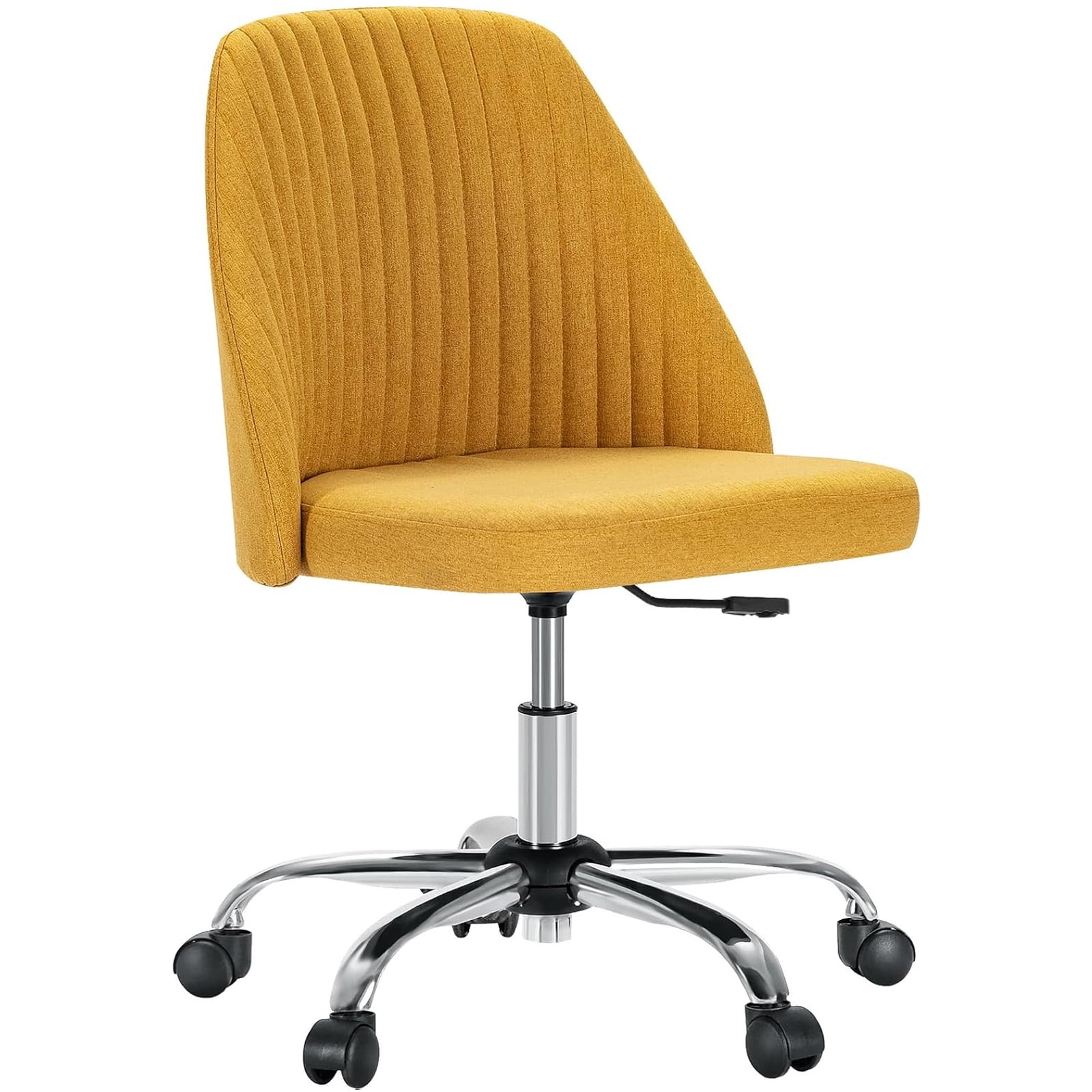
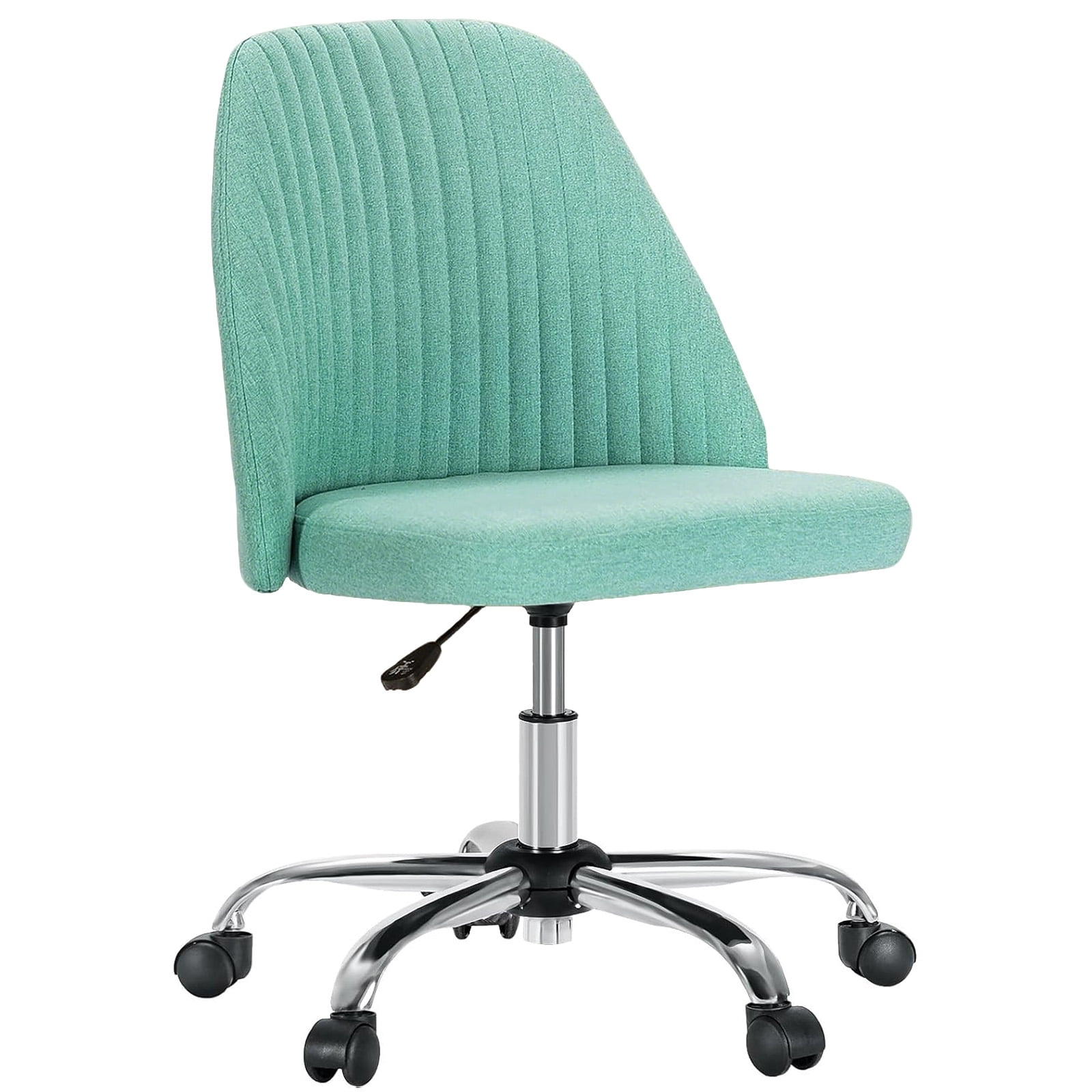
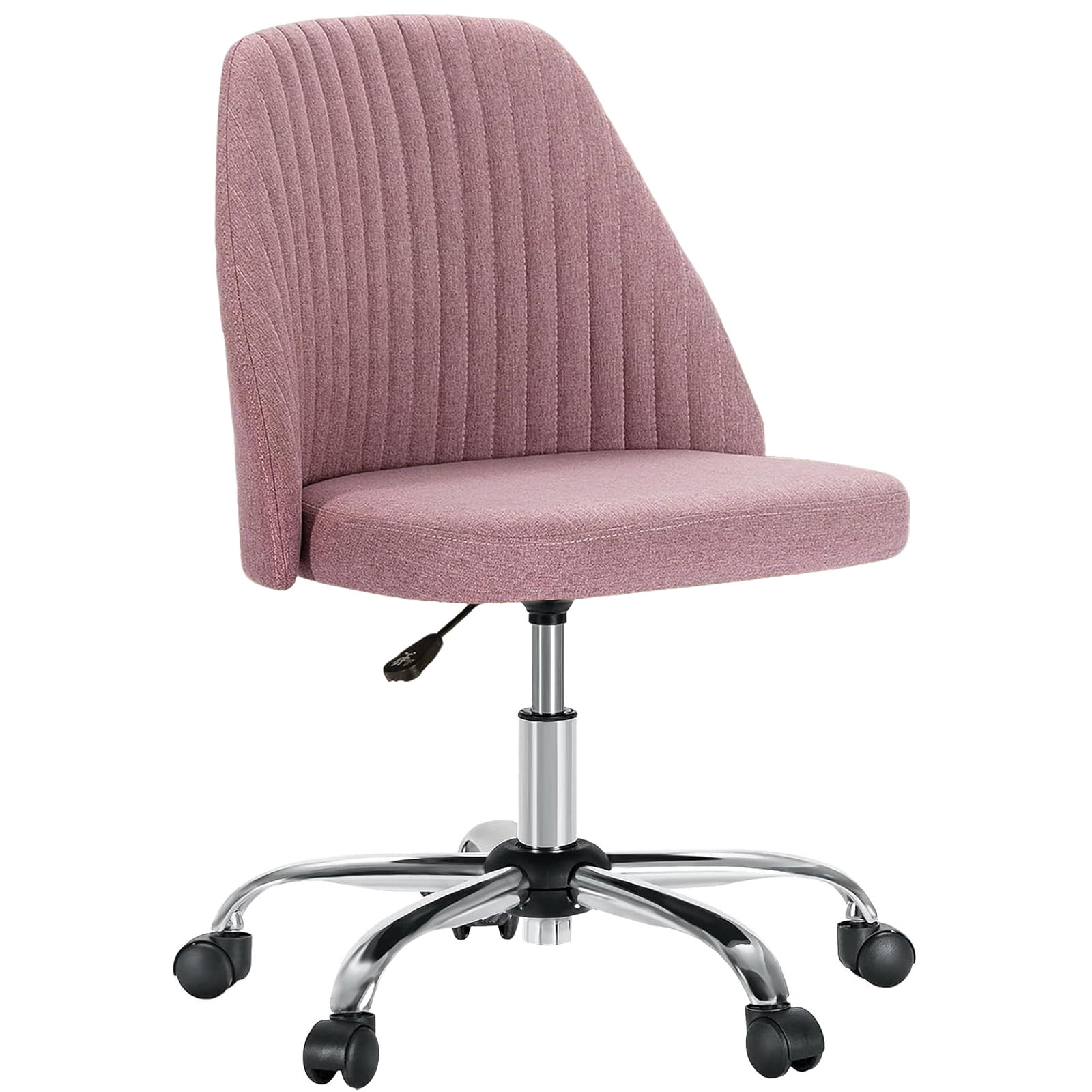
The Complete Guide to Extra Cushion Office Chairs: Comfort That Lasts
Imagine sitting down at your desk and feeling like you're settling into a supportive cloud—that's the promise of an extra cushion office chair. Unlike standard task chairs that can feel like a wooden bench by mid-afternoon, these chairs are engineered with thicker, smarter padding to cradle your body during marathon work sessions. Whether you're a remote worker, an executive with back-to-back Zoom calls, or someone recovering from a tailbone injury, the level of plushness can transform your relationship with your chair.
📊 Did you know? The average office worker sits for about 6.5 hours per day. With extra cushioning, pressure on the ischial tuberosities (sitting bones) drops by up to 40%, reducing the urge to fidget and allowing better blood flow.
1. The “Cushion Triad”: Foam, Gel, and Air
Think of an extra cushion chair like a high-end mattress—it's not just about thickness, but about what's inside. Most premium models use a combination of:
- High‑density polyurethane foam: Provides foundational support and prevents “bottoming out.” Density ratings above 2.2 lb/ft³ ensure the cushion won't flatten after a few months.
- Gel infusion or layer: Gel dissipates heat and adds a subtle springiness. It's like having a cooling pillow for your seat.
- Memory foam topper: Conforms to your unique shape—like a handshake that molds to your body, then returns when you stand up.
Some cutting‑edge chairs even incorporate air bladders (similar to high‑end car seats) that let you adjust firmness on the fly. This triad approach ensures you get both sink‑in comfort and long‑term resilience.
2. Why Extra Cushion Changes Your Posture (Even Without You Noticing)
It might sound counterintuitive, but a softer seat can actually promote better posture—when designed correctly. A well‑engineered extra cushion chair has a subtle contour that guides your hips into a neutral position. Imagine a riverbank: the banks guide the water flow without forcing it. Similarly, a plush but contoured seat encourages your pelvis to stay aligned, reducing the likelihood of slouching. Research from the Journal of Ergonomics indicates that participants using a thick, ergonomically contoured cushion showed 22% less forward head posture after four hours compared to those on a firm flat seat.
3. Five Key Situations Where Extra Cushion Is a Game‑Changer
- Tailbone (coccyx) sensitivity: After an injury or prolonged sitting, a thick cushion with a central relief channel or cutout prevents direct pressure.
- Long haul workdays (10+ hours): Writers, programmers, and designers report that a plush seat reduces “sit fatigue” and keeps them mentally fresh.
- Post‑pregnancy or hip discomfort: Extra padding absorbs shock and provides a gentler surface for joints still adjusting.
- Home office where you also relax: If your chair doubles as a spot to read or watch tutorials, the extra cushion adds a lounge‑like feel.
- Big & tall users: More weight requires more cushion to avoid compression; chairs rated 400lbs+ often feature extra thick seats (4‑5 inches) for exactly this reason.
4. Material Breakdown: Which “Cushion Feel” Is Right for You?
Just like shoes, cushion preference is personal. Here’s a quick guide to match materials with your needs:
| Cushion type | Best for | Feel description |
|---|---|---|
| Gel‑infused foam | Hot climates / those who run warm | Firm yet cooling, like a high‑end athletic shoe insole |
| Memory foam (slow rebound) | Pressure relief, contour craving | “Melting” into the chair, takes a few seconds to rebound |
| Latex foam | Eco‑conscious, responsive support | Bouncy and resilient, like a yoga mat |
| Multi‑layer (foam + gel + fiber) | All‑rounders who want everything | Plush but supportive, often found in premium executive models |
💡 Pro tip: If you try a chair in store, sit for at least 10 minutes. The initial “plush” can feel great, but you want to ensure the support layer underneath prevents you from sinking too low.
5. Extra Cushion vs. Separate Seat Cushion: Which Is Better?
You might be tempted to buy a separate gel cushion for your existing chair—and that’s a valid budget option. However, integrated extra cushion chairs have advantages: the padding is designed to work with the chair’s contours, it won’t slide forward, and the upholstery matches perfectly. Think of it like buying a car with heated seats vs. an aftermarket cover—both warm you, but the integrated version is seamless and often more durable. If you already own a high‑quality ergonomic chair, an add‑on cushion (like a 3‑inch memory foam topper) can work wonders. But for a permanent setup, a dedicated extra cushion chair is the gold standard.
6. How to Prevent “Cushion Sag” and Extend Chair Life
Even the best foam eventually compresses. To keep your extra cushion office chair fluffy for years:
- Rotate the seat (if possible) every few months to distribute wear.
- Avoid sitting on the edge constantly—it breaks down the front foam faster.
- Clean spills immediately; moisture degrades foam structure.
- Look for chairs with replaceable seat cushions—some high‑end brands offer this as a sustainability feature.
Data from seating manufacturers shows that a 300‑lb person using a chair 8 hours/day will compress a 2.5lb density foam by only 10‑12% over five years—meaning your chair will still feel 90% as cushy as day one.
7. Extra Cushion and Lumbar Support: A Symbiotic Relationship
A common myth: extra cushion means soft back support. Actually, many extra cushion chairs combine a plush seat with a firmer, ergonomic backrest. This duality ensures your hips are comfortable while your spine gets the structured support it needs. Look for models where the back cushion is thinner and more responsive, allowing the lumbar area to maintain its curve. Some chairs even let you adjust the back cushion tension independently—like having two chairs in one.
📈 Market insight: Searches for “extra cushion office chair” have grown 68% year over year, reflecting a shift toward wellness‑focused home offices. People no longer accept “just any chair”—they demand comfort that cares for their body.
Frequently Asked Questions About Extra Cushion Office Chairs
Conclusion: Smarter Comfort Starts with Extra Cushion
Choosing an extra cushion office chair isn't about pampering—it's about providing your body with the support it needs to perform at its best. The right amount of plushness reduces fatigue, improves circulation, and helps you stay focused on what matters. Whether you opt for a gel‑infused seat, a memory foam cloud, or a hybrid with breathable mesh, the key is to prioritize foam density, contour design, and adjustability. Your chair is your daily partner; make sure it's a comfortable one.
Browse the top‑rated extra cushion chairs above—each selected for superior padding and ergonomic integrity—and give your workday the comfort upgrade it deserves.