
Why Standard Office Chairs Fail at Standing Desks
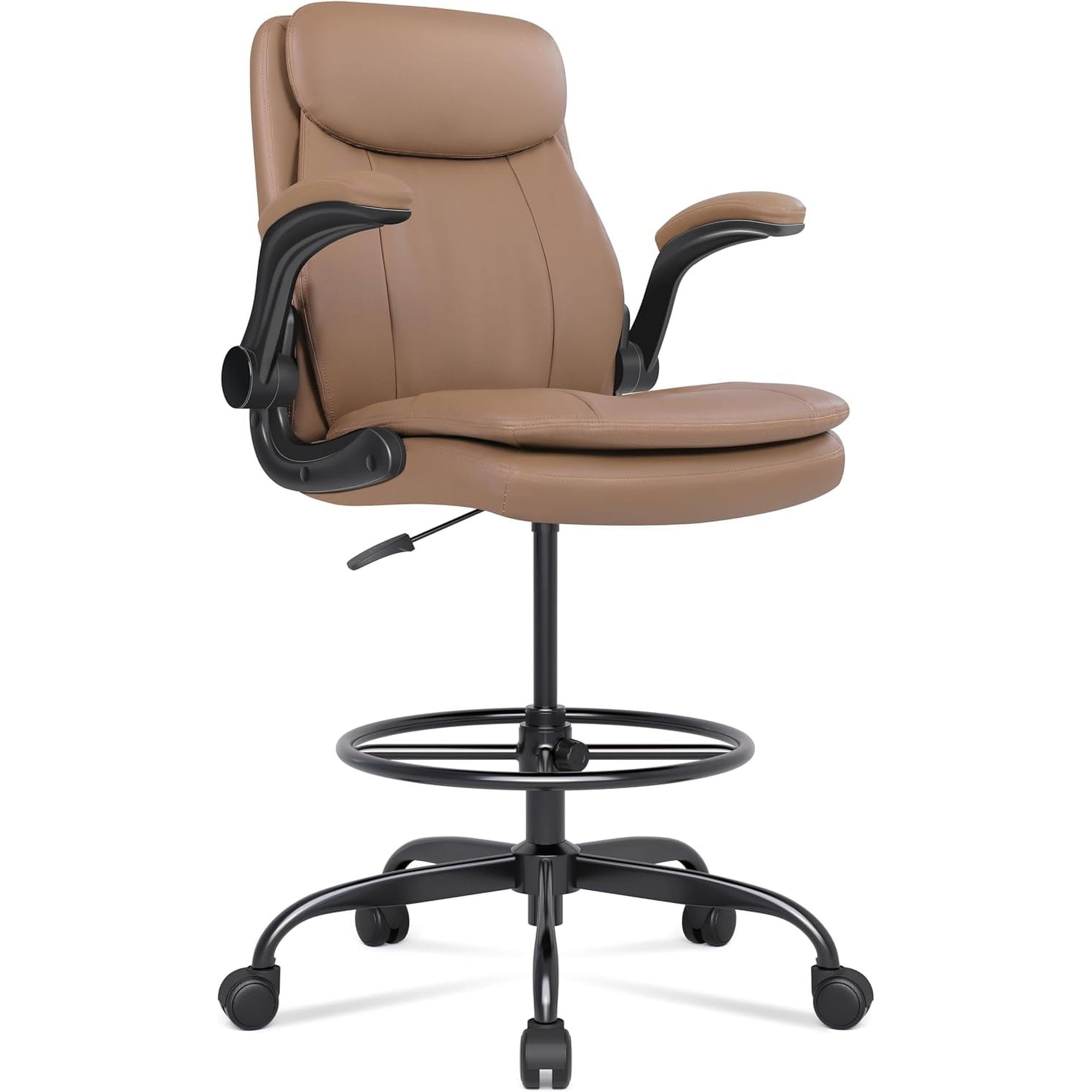
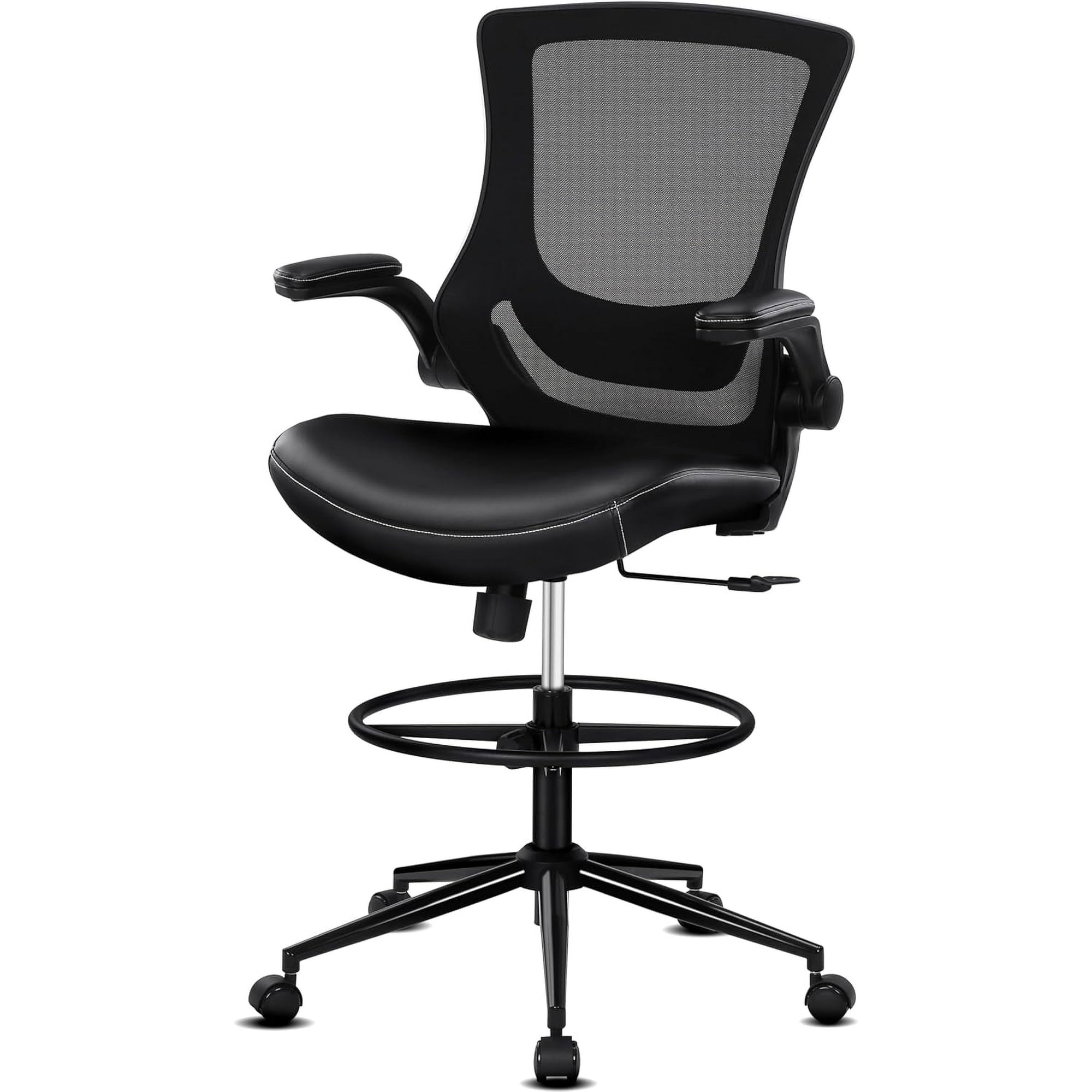
The rising popularity of standing desks has created a unique challenge: what do you sit on when you want to take a break from standing? Standard office chairs, with their typical 18-22 inch seat height range, simply don't reach high enough for desks set at 40-46 inches. This is where a properly designed high office chair for standing desk becomes essential equipment for your workspace.
Ergonomic Insight: Research from the Human Factors and Ergonomics Society shows that workers using sit-stand desks with properly matched high chairs report 33% less discomfort and 28% higher productivity compared to those using standard chairs that force awkward postures at standing desk heights.
The Science Behind Proper Height Matching
Think of your standing desk and high chair as a synchronized system rather than separate pieces of furniture. When you transition from standing to sitting, your body should maintain the same neutral posture:
- Elbow angle: 90-100 degrees with forearms parallel to the floor
- Hip angle: 100-110 degrees (slightly open, not compressed)
- Knee angle: 90 degrees with feet supported
- Eye level: Even with the top third of your monitor
Standard chairs force your hips below your knees at standing desk heights, creating a "perched" position that strains your lower back after just 15-20 minutes. High office chairs maintain proper biomechanical alignment throughout your seated intervals.
Critical Height Requirements for Different Desk Setups
| User Height | Recommended Desk Height (Standing) | Minimum Chair Height Range | Footring Height Needed |
|---|---|---|---|
| 5'4" and under | 37-40 inches | 22-28 inches | 6-8 inches from seat |
| 5'5" - 5'10" | 40-43 inches | 24-31 inches | 8-10 inches from seat |
| 5'11" - 6'3" | 43-46 inches | 26-34 inches | 10-12 inches from seat |
| 6'4" and above | 46-49 inches | 28-36 inches | 12-14 inches from seat |
Engineering Challenges: Why Height Affects Stability
Here's an engineering reality: every inch of height increase exponentially affects chair stability. A chair at 32 inches experiences 40% more tipping force than the same chair at 24 inches. Quality high office chairs address this through specific design modifications:
Base Design Evolution
Critical Standard chairs: 22-24 inch base diameter
Critical High chairs: 26-28 inch base diameter
The wider footprint increases the "tip angle" from 14 degrees to 22 degrees at full extension, significantly reducing fall risk.
Gas Lift Specifications
Essential Class 3 lifts: Standard in desk chairs, 3-inch travel
Essential Class 4 lifts: Required for high chairs, 6-8 inch travel
Commercial-grade Class 4 lifts undergo 50,000+ cycle tests and maintain stability at extended heights.
Weight Distribution
Critical Standard chairs: 35-45 lbs total weight
Critical High chairs: 50-70 lbs total weight
Extra mass lowers the center of gravity, counteracting the height penalty. Some models add steel plates in the base for additional stability.
Footring Design: The Make-or-Break Feature
The footring on a high office chair serves the same critical function as the floor does for a standard chair. Without proper foot support at standing desk heights, you'll experience:
- Increased pressure on the backs of thighs: Reduces blood circulation by up to 60% within 30 minutes
- Forward pelvic tilt: Strains lower back muscles and spinal discs
- Constant micro-adjustments: Your body never fully relaxes, leading to fatigue
Quality footrings should be:
- Height adjustable: At least 4 inches of vertical adjustment range
- Wide enough: Minimum 15 inches diameter for foot movement
- Angled slightly: 5-10 degrees downward tilt promotes better circulation
- Padded optional: Reduces pressure points during long sits
The 60/40 Rule: Optimizing Your Sit-Stand Ratio
Ergonomics experts recommend the 60/40 rule for standing desk usage: stand for 60% of your day, sit for 40%. But this ratio only works if your seated position is as ergonomically optimized as your standing position. Here's how high office chairs enable healthy transitions:
The Transition Protocol
- Standing block (45-60 minutes): Desk at full height, monitor at eye level
- Transition (15-30 seconds): Lower chair, approach from side, adjust footring height
- Sitting block (30-45 minutes): Chair at correct height, footring supporting feet, back fully engaged
- Repeat cycle: Stand up, push chair back, resume standing work
Studies from the Occupational Safety and Health Administration (OSHA) show that workers who maintain this disciplined rotation with properly fitted high chairs experience 47% less lower back fatigue than those who simply stand until exhausted then sit awkwardly.
Material Considerations for Extended Height Chairs
High office chairs face unique material stresses due to their elevated design. Here's what manufacturers use to address these challenges:
Frame Construction
- Reinforced steel frames: 14-gauge steel versus 16-gauge in standard chairs, providing 30% more torsional rigidity
- Cross-braced back supports: Prevents flexing during recline at height
- Welded joints: Instead of bolted connections which can loosen over time
Seat Foam Density
- High-resilience foam: 2.5-3.0 lb density versus 1.8-2.2 lb in economy chairs
- Memory foam toppers: 1-inch layer for pressure distribution without sacrificing support
- Contoured seat pans: Waterfall edges reduce thigh pressure when feet are on footring
Base Materials
- Polished aluminum: Lightweight but strong, used in premium models
- Nylon with glass-fiber: Commercial grade, 35% stronger than standard nylon
- Steel-reinforced plastic: Budget-friendly but still stable for home use
Wheel Selection: The Overlooked Safety Feature
Standard office chair casters become dangerous at standing desk heights. Here's why specialized wheels matter:
❌ Standard Casters at Height
- Roll too easily when exiting
- No locking mechanism
- 2-inch wheels unstable
- Tipping risk on transitions
✅ High-Chair Casters
- Brake-lock when unweighted
- 3-inch diameter for stability
- Dual-wheel design
- Auto-lock on incline
Special Populations: Who Needs Extra-High Chairs?
Beyond standard standing desk users, certain groups have specific requirements for high office chairs:
Tall Users (6'2" and above)
Standard "tall" chairs often fall short for users over 6'2" using standing desks. These users need:
- Seat height range: 26-36 inches minimum
- Backrest height: 28-32 inches to support entire back
- Headrests: Adjustable models that reach 8-10 inches above seat
- Weight capacity: 350-400 lbs due to larger frame requirements
Users with Mobility Challenges
Transferring in and out of a high chair requires specific design features:
- Flip-up armrests: Create 6-8 inches of clearance for side transfers
- Stable base: Non-rocking design with locked casters during entry/exit
- Assist handles: Built-in grips on seat sides for stability
The Cost of Quality: What Your Investment Buys
A well-engineered high office chair for standing desk represents a significant investment. Here's what different price tiers typically include:
| Price Range | Typical Features | Expected Lifespan | Best For |
|---|---|---|---|
| $200-$400 | Basic height adjustment (24-30"), fixed footring, standard casters, limited lumbar support | 2-3 years | Occasional use, home offices, students |
| $400-$700 | Extended height range (24-34"), adjustable footring, locking casters, 4D armrests, pneumatic lumbar | 5-7 years | Daily use, professional home offices, telecommuters |
| $700-$1,200 | Commercial grade (26-36"), reinforced frame, Class 4 gas lift, memory foam, 10-year warranty | 8-12 years | Full-time professionals, executive offices, shared workspaces |
Setting Up Your High Office Chair: A Step-by-Step Guide
Proper setup ensures you get the full benefit of your investment. Follow these steps exactly:
Step 1: Desk Height First
Set your standing desk to your optimal standing height. Your elbows should be at 90 degrees when typing, wrists straight. Measure and record this height.
Step 2: Chair Height Adjustment
Raise your chair until your elbows again reach 90 degrees at the desk surface. Your thighs should angle slightly downward (5-10 degrees) from hips to knees. Lock the height.
Step 3: Footring Positioning
Adjust the footring so your feet rest flat with knees at 90 degrees. Your thighs should be fully supported by the seat without pressure behind the knees. Fine-tune the angle for comfort.
Step 4: Backrest and Lumbar
Position the backrest so lumbar support fits into the curve of your lower back. You should feel gentle pressure, not hard pushing. Adjust recline tension so you can lean back slightly without effort.
Step 5: Armrests (if equipped)
Set armrests just low enough to slide under the desk when typing. They should support your forearms without raising your shoulders. Width should match your elbow position.
Maintenance Tips for Longevity
High office chairs experience more stress than standard models. Extend their life with these practices:
- Monthly checks: Tighten all bolts and screws, especially in the base and backrest connections
- Gas lift care: Clean with silicone spray annually to prevent sticking
- Caster cleaning: Remove hair and debris monthly to ensure smooth rolling and locking
- Upholstery maintenance: Clean according to manufacturer specs, condition leather twice yearly
- Weight limits: Never exceed rated capacity, especially at full height extension
Future Trends in High Office Chair Design
The standing desk market continues evolving. Here's what manufacturers are developing for tomorrow's high chairs:
- Memory settings: Chairs that remember your standing and sitting positions and adjust automatically
- Active sitting mechanisms: Seats that encourage micro-movements even at height
- Integrated health tracking: Sensors that monitor posture and suggest adjustments
- Sustainable materials: Recycled aluminum bases and ocean-recovered plastics in frames
- Smart casters: Wheels that lock automatically when you stand and release when you sit
Frequently Asked Questions About High Office Chairs for Standing Desks
Conclusion: Making the Right Choice for Your Workspace
Selecting the right high office chair for your standing desk transforms your sit-stand experience from awkward compromise to seamless workflow integration. The investment in a quality chair pays dividends through reduced fatigue, better posture, and sustained productivity throughout your workday.
Key Takeaways for Your Purchase Decision
Look for this adjustment range to accommodate most standing desk setups and user heights.
Proper footring design prevents thigh pressure and maintains blood flow during seated periods.
Wider bases provide the stability needed for safe use at extended heights.
Final Recommendations by Use Case
- Home office users (occasional standing): Mid-range chairs ($400-$700) with adjustable footrings and locking casters provide the best value for intermittent use.
- Full-time professionals (daily standing): Invest in premium chairs ($700-$1,200) with commercial-grade components, extended warranties, and full ergonomic adjustments.
- Shared workspaces: Choose chairs with tool-less adjustments, durable upholstery, and weight capacities exceeding 350 lbs to accommodate multiple users safely.
- Tall users (6'2"+): Seek specialized tall models with seat heights reaching 36 inches and backrests supporting the entire spine.
Remember that your high office chair is a tool, not just furniture. Take time to adjust it properly, maintain it regularly, and listen to your body's feedback. With the right chair supporting your sit-stand routine, you'll create a workspace that promotes both health and high performance for years to come.