
The Authority of Leather, The Support of Height
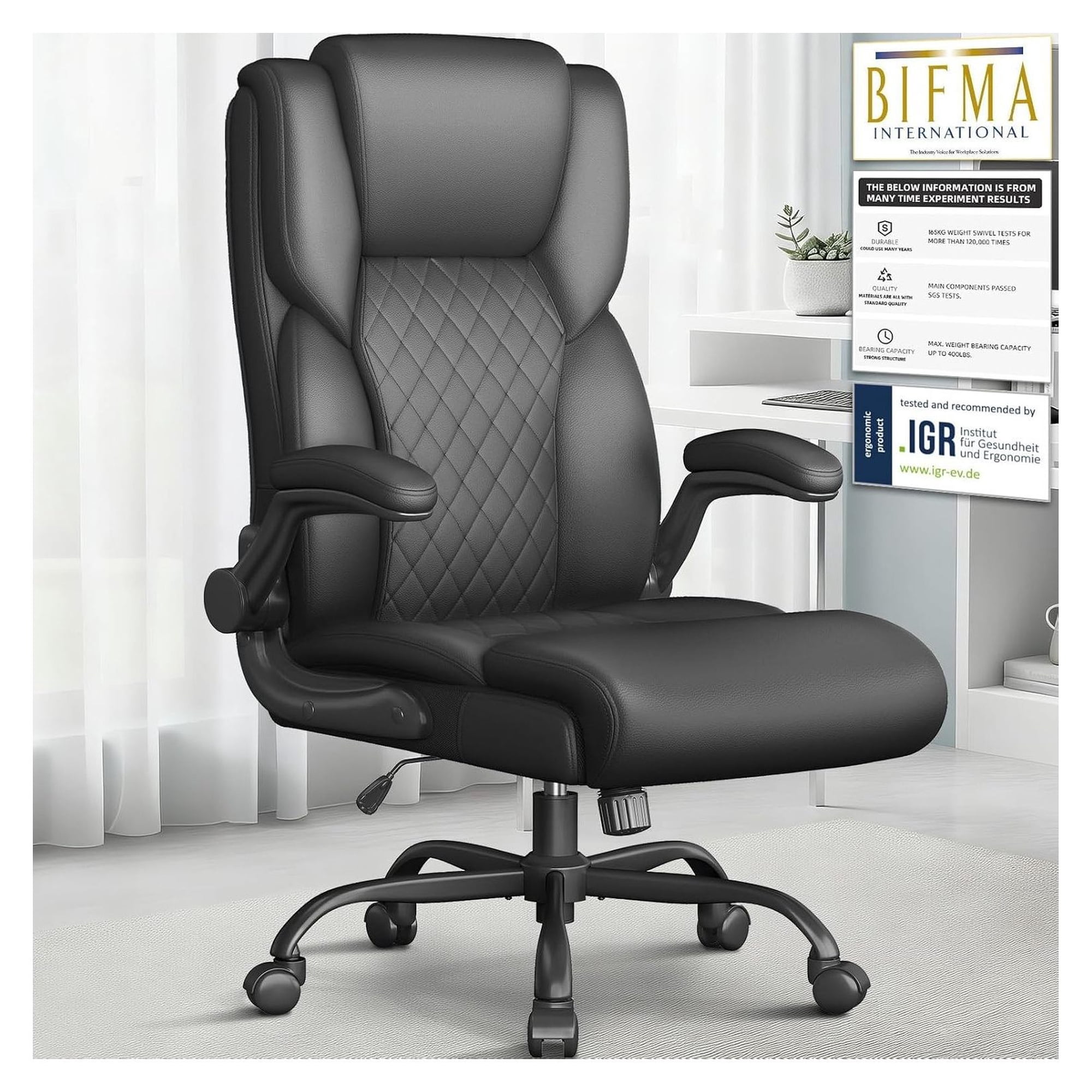
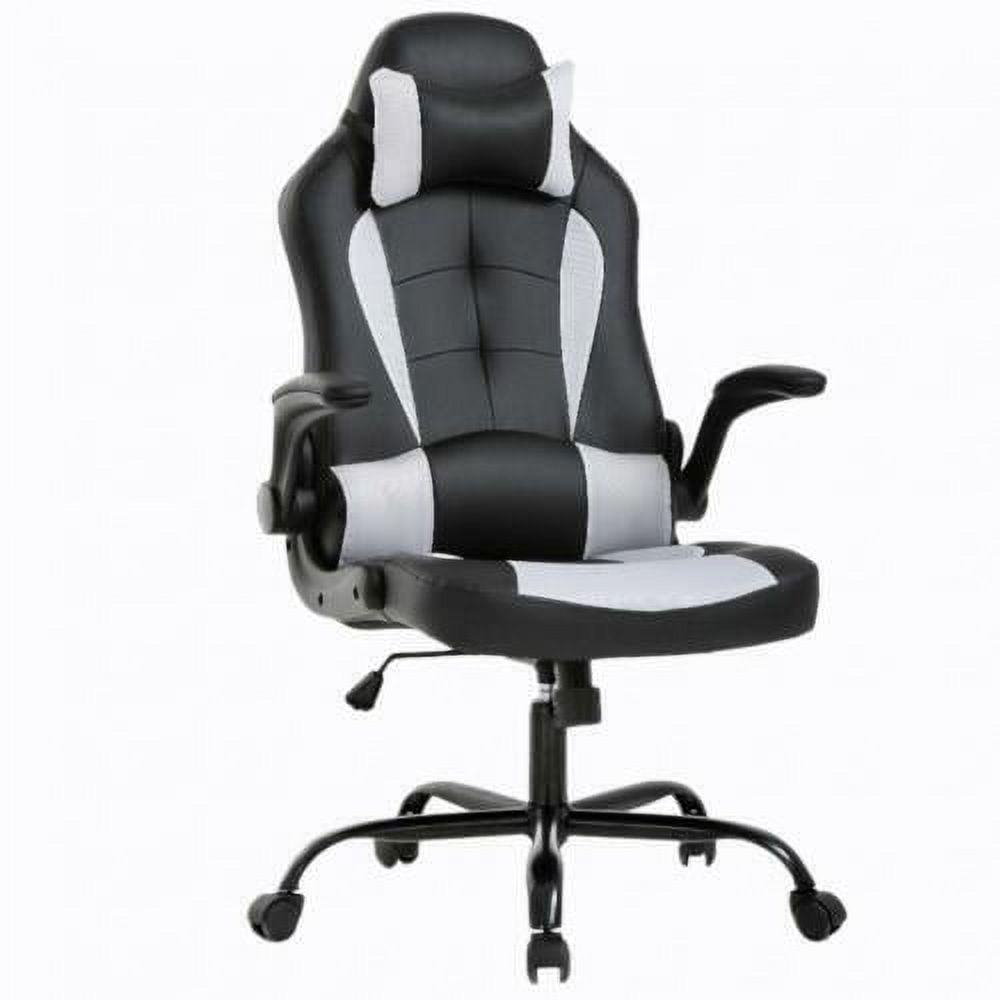
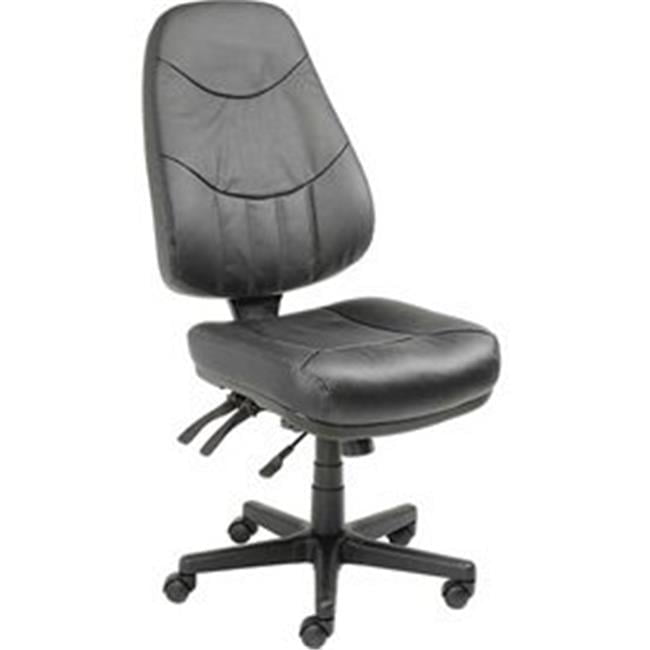
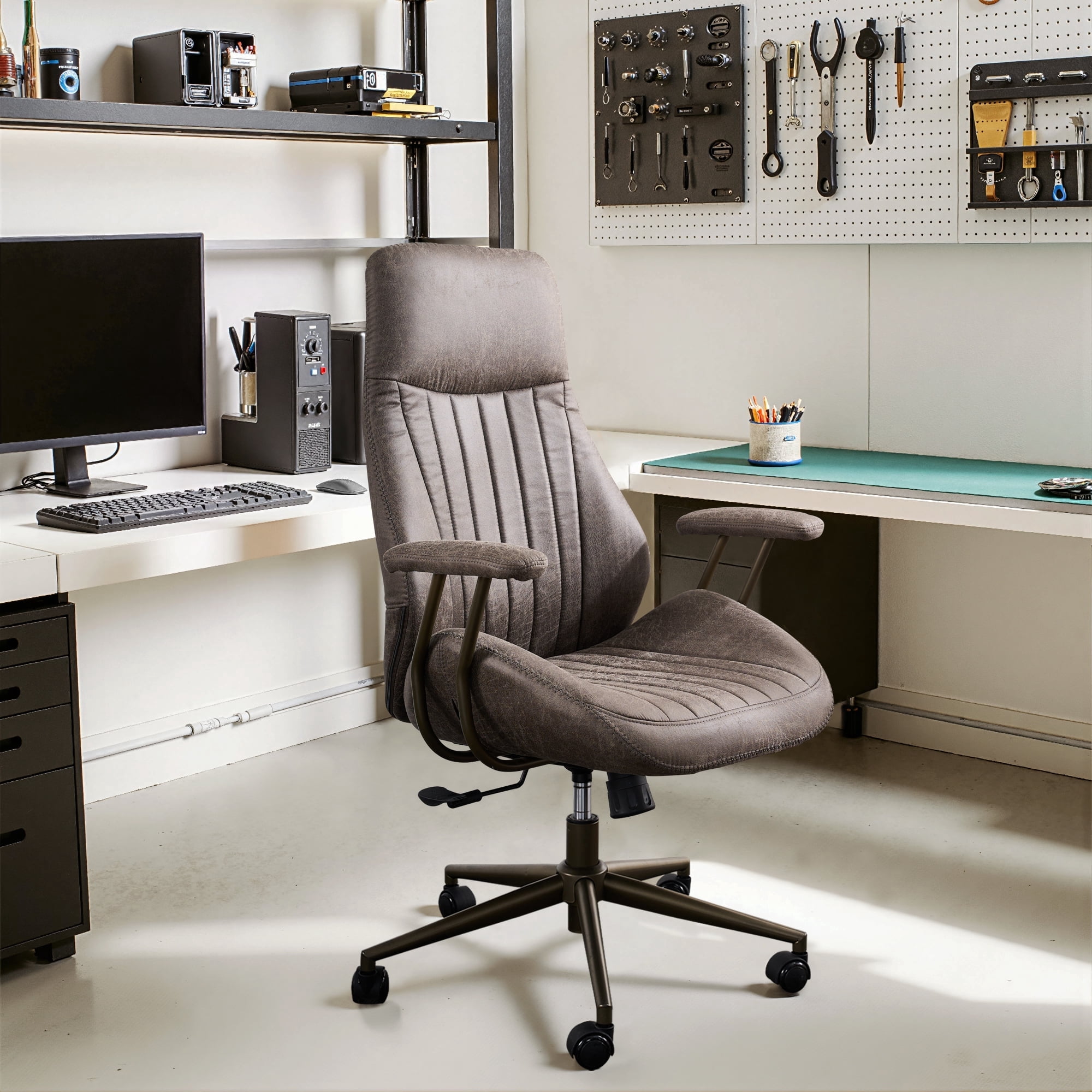
Imagine a chair that doesn't just hold you up, but actively supports your ambitions. A high back leather office chair is the corporate world's equivalent of a tailored suit—it fits perfectly, projects confidence, and performs under pressure. Unlike mid-back chairs that stop at your shoulders, a high back design cradles your entire spine, including the critical neck and head region. This is particularly vital for executives, managers, or anyone spending 8+ hours at a desk. According to a study by the Human Factors and Ergonomics Society, proper head and neck support can reduce muscle strain in the upper trapezius by up to 40%, directly combating the "tech neck" phenomenon common in office workers.
Leather, in this context, is not merely an aesthetic choice. It's a material that ages with you, developing a unique patina that tells a story of hard work and success. This guide will navigate you through the world of high back leather seating, ensuring your next purchase is an investment in both your health and your professional image.
1. The Anatomy of a Premium High Back Leather Chair
To choose wisely, you must understand what lies beneath the surface. A quality high back leather office chair is a complex system of components working in harmony. Let's dissect it like a master craftsman.
The Frame: The Unsung Hero
The frame is the skeleton. In cheap chairs, it's often made of particle board or plastic, prone to cracking under pressure. In premium chairs, you'll find hardwood (like birch or oak) or reinforced steel. A solid frame ensures the chair maintains its shape and support for years. When researching, look for mentions of "plywood" or "metal frame" in the specifications. If the information is vague, it's often a red flag.
The Backrest: Beyond Just Being Tall
Not all high backs are created equal. The key is the internal curvature and support system.
- Integrated Lumbar Support: The most critical feature. The chair should have a pronounced curve that fits the small of your back. Adjustable lumbar support (both height and depth) is the gold standard, allowing you to customize the fit.
- Headrest Integration: A true high back chair often includes a headrest. The best ones are adjustable in height and angle. A fixed headrest that doesn't align with your neck is worse than none at all.
- Shoulder Support: The backrest should be wide enough at the top to support your shoulders and trapezius muscles, encouraging an open, upright posture.
Seat Construction: The Foundation of Comfort
You'll spend hours on this part. The cushioning is paramount.
- High-Density Foam: This is the industry standard for longevity. It resists sagging and maintains its resilience. Look for foam density measured in pounds per cubic foot (e.g., 2.5 lb or higher is excellent).
- Memory Foam Layers: Some premium chairs add a top layer of memory foam for initial softness that conforms to your body, sitting on a high-density foam base for support.
- Waterfall Edge: The front edge of the seat should curve down gently. This "waterfall" design prevents pressure on the back of your thighs, ensuring proper blood circulation to your legs and feet.
2. Decoding Leather: Full-Grain vs. Top-Grain vs. Bonded
The term "leather" is broad. Knowing the difference can save you from a peeling, disappointing purchase in just a few years. Here’s a breakdown for your high back leather office chair search:
Quick Analogy: Think of leather grades like wood. Full-grain is solid oak—beautiful, durable, and develops character. Top-grain is like high-quality plywood—very good, but with the top layer sanded. Bonded leather is like particle board—it looks okay initially but falls apart when stressed.
| Leather Type | Characteristics | Durability | Price Indicator | Best For |
|---|---|---|---|---|
| Full-Grain | Highest quality; natural grain, markings, and scars retained. Develops a rich patina over time. Soft, breathable, and incredibly strong. | 15+ years | $$$$ (Highest) | CEO offices, lifelong investments |
| Top-Grain | Sanded and finished to remove imperfections. More uniform look, slightly less breathable but still high quality. | 10-15 years | $$$ | Senior management, daily executive use |
| Genuine Leather | A misleading term. It's made from the lower layers of the hide, often split and embossed to look like leather. Less durable. | 3-7 years | $$ | Guest chairs, low-use home offices |
| Bonded Leather | Made from leather scraps mixed with polyurethane and bonded to a paper backing. Feels plastic-like and will peel. | 1-3 years | $ | Not recommended for primary office chairs |
When shopping, look for phrases like "100% top-grain leather" in the product description. If it just says "leather," it might be a cheaper blend on the seating surfaces and vinyl elsewhere.
3. The Ergonomic Checklist for Taller Chairs
A high back leather office chair is inherently more ergonomic for the upper body, but only if the adjustments fit you. Use this checklist when evaluating a chair:
- Seat Height: When you sit, your feet should be flat on the floor, and your thighs parallel to the ground. The chair's pneumatic lift must accommodate your desk height.
- Seat Depth: There should be 2-4 fingers of space between the back of your knee and the seat pan. If it's too deep, you'll lose lumbar support; too shallow, and your thighs aren't supported.
- Backrest Angle and Tension: You should be able to recline slightly and lock the angle, or have adjustable tilt tension so the chair moves with you without feeling too loose or too stiff.
- Armrest Adjustability (4D): The best chairs offer armrests that move up/down, forward/back, left/right (pivot), and sometimes width adjustment. This lets you support your arms while typing, reducing shoulder strain.
- Headrest Alignment: Sit in your natural posture. Does the headrest support the curve of your neck, or does it push your head forward? It must be adjustable to be effective.
4. Health Benefits: More Than Just Posture
Investing in a quality chair is a health decision. The benefits of a proper high-back leather chair extend beyond a straight spine.
- Reduced Risk of Cervical Strain: By supporting the head and neck, these chairs help prevent forward head posture, which can lead to chronic headaches and neck pain.
- Improved Digestion: Sitting in a slouched position compresses internal organs. A chair that promotes an open, upright posture allows your digestive system to function better.
- Enhanced Breathing: When your shoulders are rolled back and your chest is open, your lung capacity improves, leading to better oxygenation and focus throughout the day.
- Long-Term Spinal Health: Consistent support for the entire spinal column helps maintain its natural S-curve, reducing the cumulative wear and tear on discs and vertebrae.
5. Preserving Your Investment: Leather Care 101
You've invested in a beautiful high back leather office chair. To ensure it looks and feels great for a decade or more, follow this simple care regimen:
Step 1: Weekly Dusting
Use a soft, dry microfiber cloth to wipe down the entire chair. This prevents dust and grit from grinding into the leather's pores and causing micro-abrasions.
Step 2: Deep Clean (Every 3-6 Months)
Mix a mild soap (like castile soap) with distilled water. Dampen a cloth, wring it out thoroughly (the cloth should be barely damp), and gently wipe the leather. Immediately follow with a dry cloth. Never soak the leather.
Step 3: Conditioning (Every 6-12 Months)
Leather is skin—it dries out. Use a high-quality leather conditioner (avoid products with silicone or wax). Apply a small amount with a soft cloth, let it sit for a few hours or overnight, then buff it to a shine. This keeps the leather supple and prevents cracking.
Step 4: Protection from Elements
Keep your chair out of direct sunlight, which can fade and dry the leather. If your office is very dry, consider a humidifier to maintain moisture in the air and the leather.