
Leadership Requires a Chair That Matches Your Presence
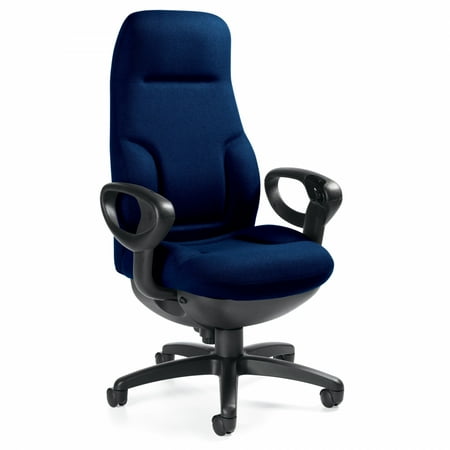
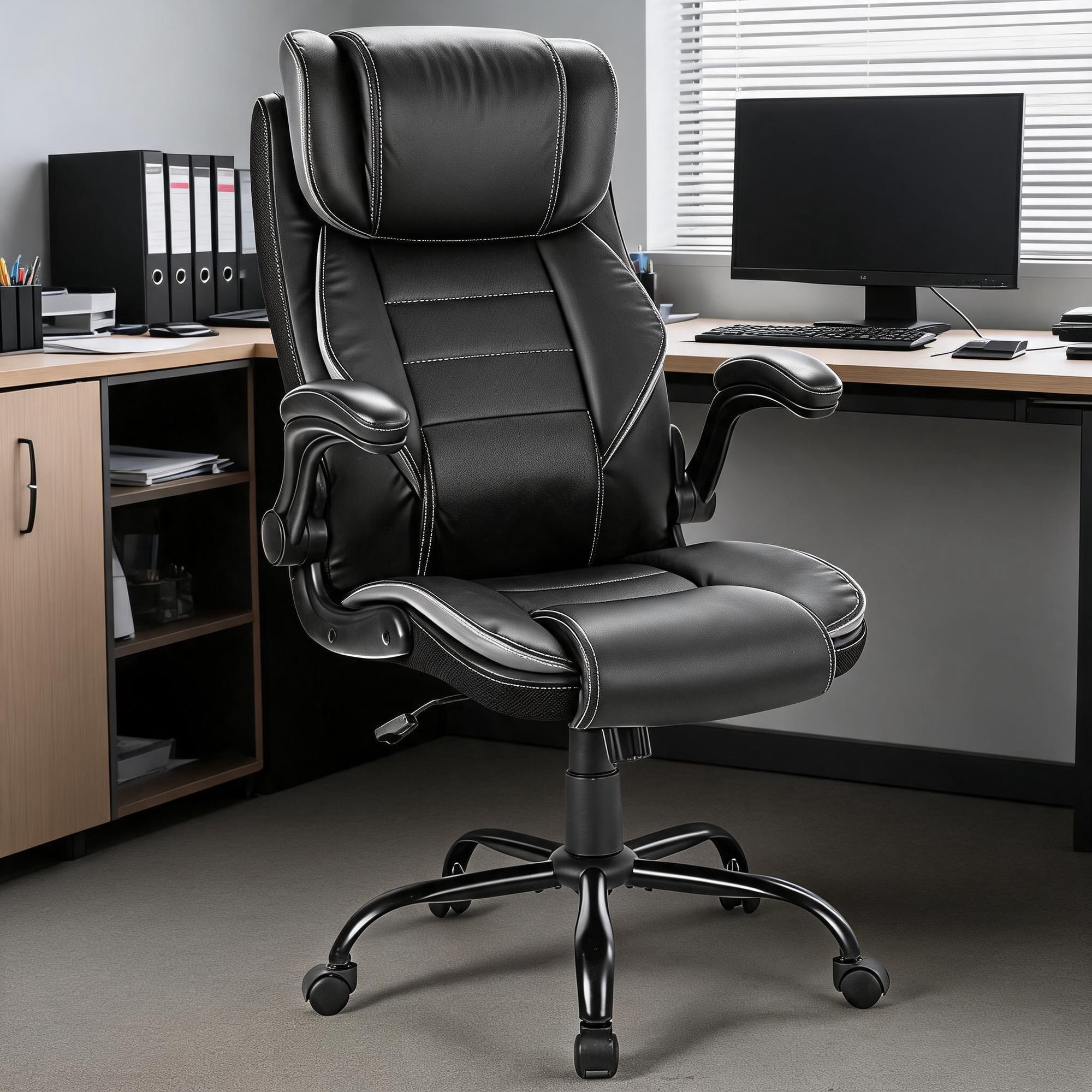
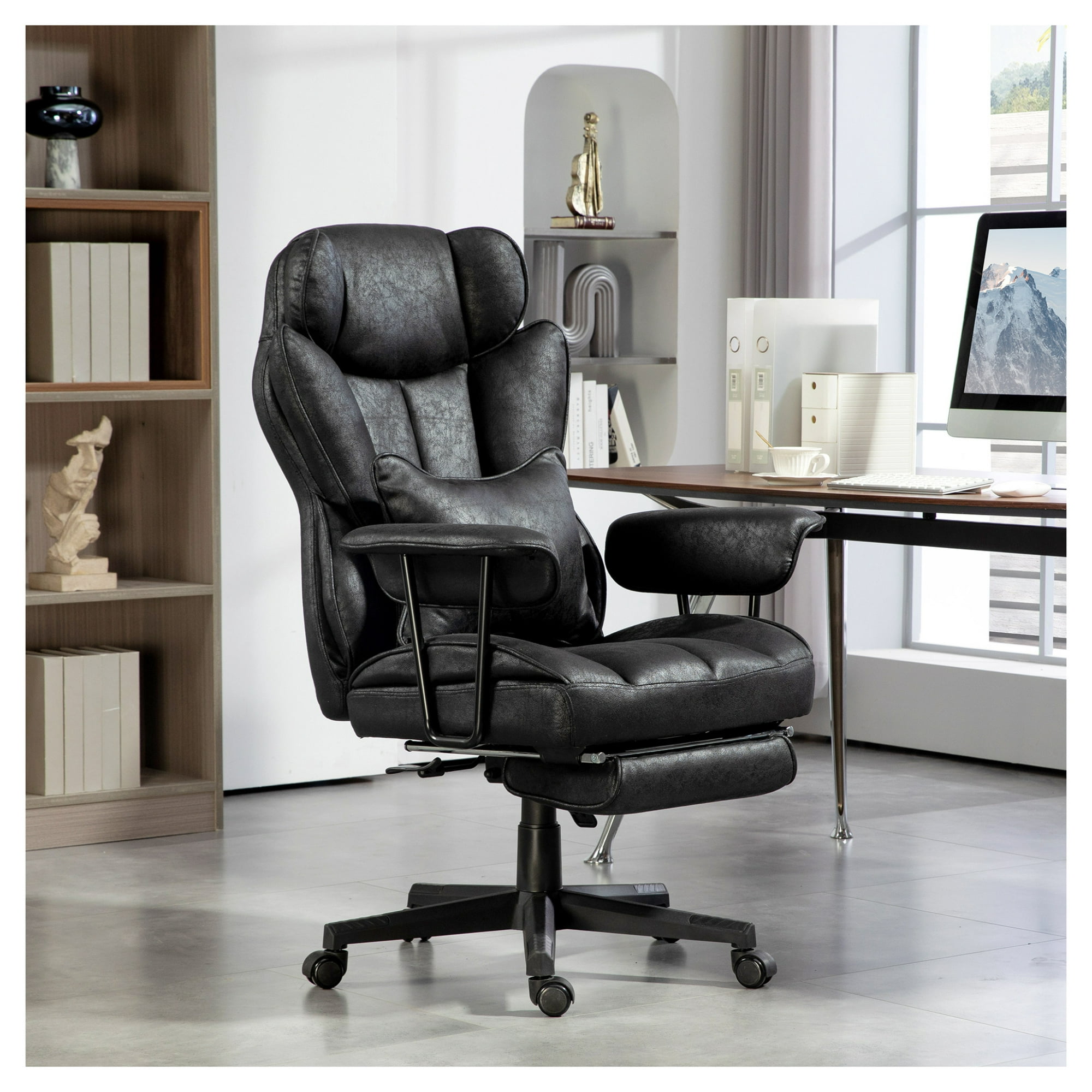
For executives who are big and tall, a standard office chair feels like a mismatch—narrow seats, low weight limits, and insufficient back height lead to discomfort and poor posture. An executive office chair big and tall bridges the gap between luxury aesthetics and heavy-duty engineering. It’s not just about size; it’s about maintaining the same level of ergonomic sophistication and professional appearance that any C-suite leader expects, but scaled for larger frames.
According to the National Institute for Occupational Safety and Health (NIOSH), employees who sit for prolonged periods in ill-fitting chairs are 54% more likely to develop musculoskeletal disorders. For tall or heavy individuals, the risk increases if the chair lacks proper support. This guide dives deep into what makes a true big-and-tall executive chair—from reinforced gas cylinders to extra-thick seat foam—and helps you choose a throne that works as hard as you do.
The Anatomy of a True Executive Office Chair Big and Tall
A standard executive chair might look similar, but peek underneath: the differences are structural. Here’s what separates a genuine big-and-tall model from a standard one.
1. Frame & Base: The Foundation of Safety
Think of the chair's base like the foundation of a skyscraper—it must handle immense load without wobbling. For big and tall chairs:
- Reinforced steel frame: Not aluminum or plastic. Steel provides the rigidity needed for weights above 350 lbs.
- Wide-span 5-star base: Typically measures 28 to 30 inches in diameter (vs. 26–27 inches standard) to prevent tipping.
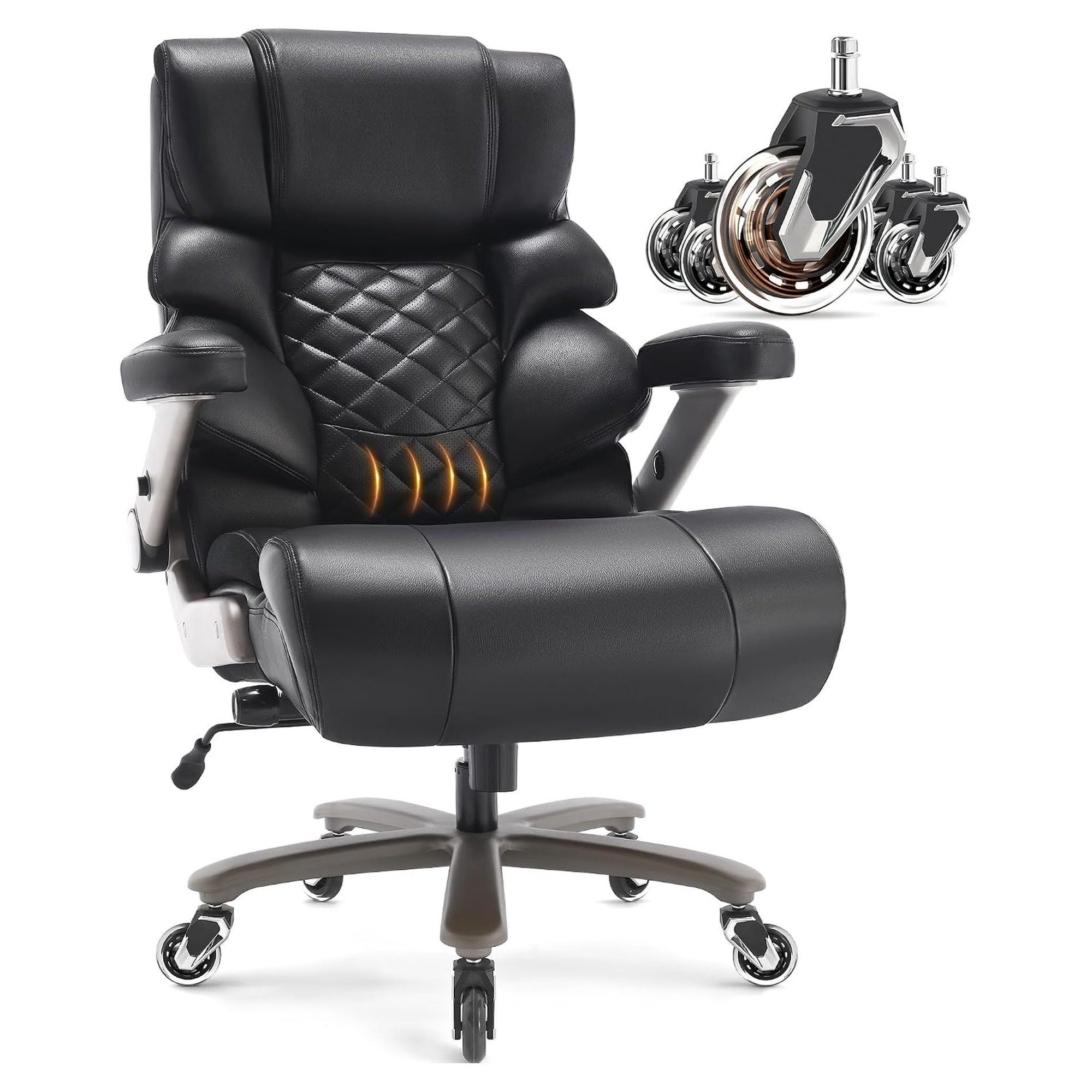
- Heavy-duty casters: Dual-wheel or larger single-wheel casters (3 inches) that roll smoothly even under 400+ lbs. Many include soft rubber for hardwood floors or hard tread for carpets.
- Class-4 or Class-5 gas lift: The piston that raises the seat. Class-4 supports up to 330 lbs, Class-5 supports 400–500 lbs. Always verify the gas lift class.
2. Seat Dimensions & Padding
A wider seat is obvious, but depth and foam density matter equally:
- Seat width: Look for 22 to 30 inches between armrests (standard is 19–21 inches).
- Seat depth: Ideally 20.5 to 22 inches to support thighs without pressure behind knees. Adjustable seat depth is a premium plus.
- High-density foam: At least 2.5–3 lb density. It resists compression and maintains shape after years of use. Some premium chairs use memory foam layered over high-resilience foam.
3. Backrest Height & Lumbar Support
Tall executives need backrests that reach the shoulders or head. Typical specs:
- Back height: 30 to 33 inches total (standard is ~22–25 inches).
- Adjustable lumbar: Both height and depth adjustment accommodate the natural curve of a longer spine. Look for mechanisms that move with you.
- Headrest inclusion: Many big-and-tall chairs come with an articulating headrest to support the neck—crucial for those 6'2" and above.
• 300–350 lbs: Entry-level big & tall (adequate for occasional use)
• 350–450 lbs: Mid-range with reinforced mechanisms
• 450–600+ lbs: Commercial-grade with steel frames, extended warranties
4. Materials: Leather, Mesh, or Fabric?
Material choice affects breathability, durability, and maintenance. For larger executives:
✅ Premium Leather / Bonded Leather
- Conveys authority, matches executive suites
- Easy to wipe clean
- Durable if top-grain; bonded may peel after 3–5 years
- Can feel warm; look for breathable perforations
✅ High-Grade Mesh
- Extremely breathable—ideal for all-day comfort
- Conforms to body shape without sagging
- Modern aesthetic, but may appear less "executive"
- Check weight capacity: mesh can stretch over time
Fabric chairs offer a middle ground—soft, available in colors, but may trap heat. Many big-and-tall executives prefer hybrid designs: leather facing for appearance and mesh on the back for airflow.
5. Armrests: 4D Adjustability Is a Must
Armrests on big-and-tall chairs must accommodate broader shoulders and longer arms. Look for:
- Width adjustment: So you can position armrests to support elbows without straining shoulders.
- Height and depth adjustment: Ensures forearms rest parallel to the desk surface.
- Padded or gel tops: Prevent pressure points on elbows.
Health & Productivity: Why Proper Fit Matters More as Stature Increases
Sitting in a chair that's too small is like wearing a suit two sizes too small—it restricts movement and causes discomfort. For big and tall executives, specific health risks emerge from ill-fitting seating:
- Pinched nerves or sciatica: Narrow seats compress the thighs and buttocks, aggravating sciatic nerves.
- Poor circulation: Seat edges that cut into the back of thighs restrict blood flow.
- Slouching and kyphosis: When backrests are too short, tall individuals hunch to rest their upper back, leading to rounded shoulders.
A 2022 study in the Journal of Ergonomics indicated that users of correctly sized chairs reported 37% less lower back pain and a 28% increase in sustained focus. The right executive chair big and tall isn't a luxury—it's a productivity tool.
Steel Frame
Rated to 500+ lbs
Wide Seat
22"–30" width
Class-5 Lift
Heavy-duty cylinder
High Back
30"+ / headrest
5-Step Selection Checklist for the Executive Big & Tall Buyer
Use this practical checklist when comparing models. Print it or keep it handy while shopping.
- Verify the certified weight capacity: Don't guess—look for the UL or BIFMA certification label. Add a 20% safety margin to your current weight.
- Measure your current chair's seat width: If your thighs spill over the edges, you need at least 2–4 inches more width.
- Check cylinder class: Class-4 (up to 330 lbs) or Class-5 (400+ lbs). Some budget chairs claim high capacity but use weak cylinders.
- Test the recline mechanism: Big-and-tall chairs need strong tilt tension adjustment. Look for infinite lock positions and a sturdy synchro-tilt mechanism.
- Warranty deep dive: A 10-year warranty on the frame and 5 years on mechanical parts signals longevity. Avoid brands offering only 1–2 years total.
Bonus tip: If you're over 6'4", prioritize chairs with an extended cylinder option or a taller seat height range (21"–24" from floor to seat).
Frequently Asked Questions: Executive Office Chair Big and Tall
Conclusion: Invest in the Chair That Respects Your Stature
Selecting an executive office chair big and tall is a decision that impacts your daily comfort, physical health, and professional image. By focusing on certified weight capacity, robust materials, and ergonomic adjustability, you ensure your workspace supports you as effectively as you support your organization. Remember: a cheap chair that fails after a year costs more in the long run—both in replacement expense and in potential back pain.
Prioritize brands that specialize in big-and-tall seating, read verified buyer reviews from users with similar dimensions, and never compromise on the gas lift class. Your chair is your command center; make it worthy of the leader who occupies it.