
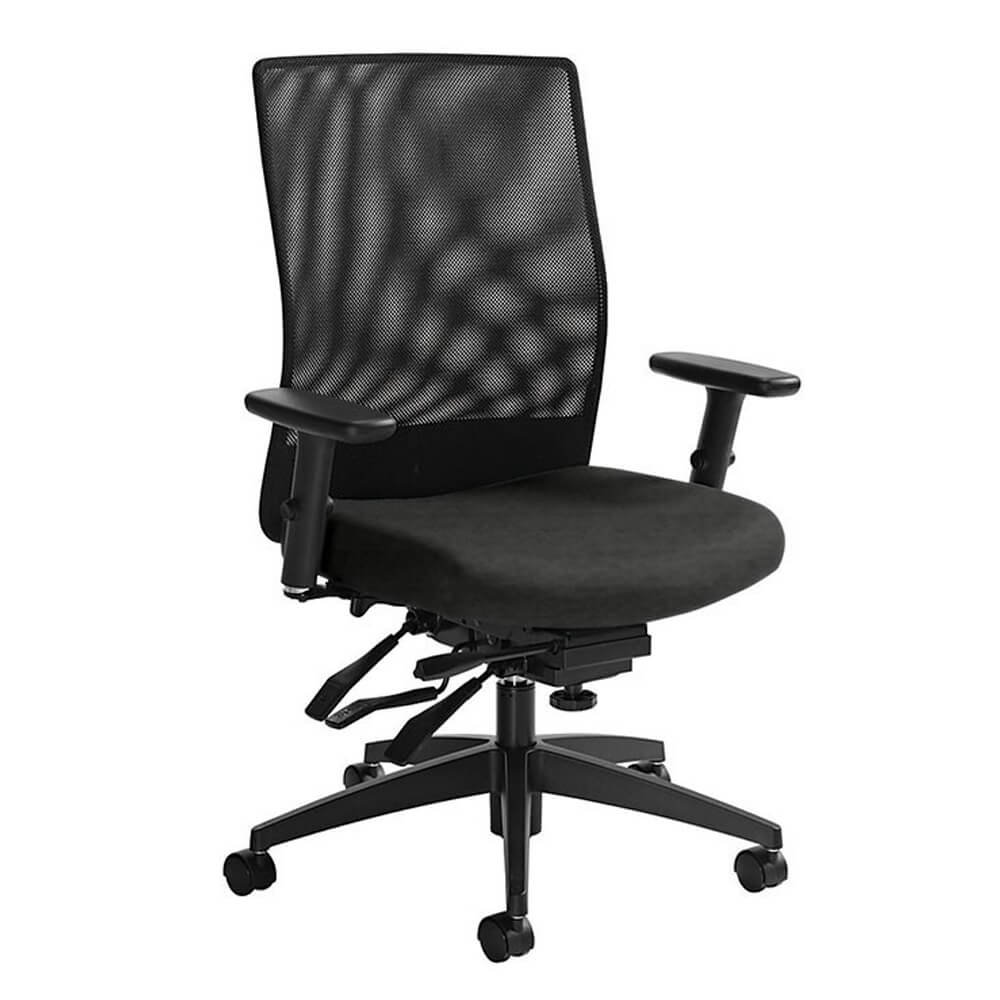
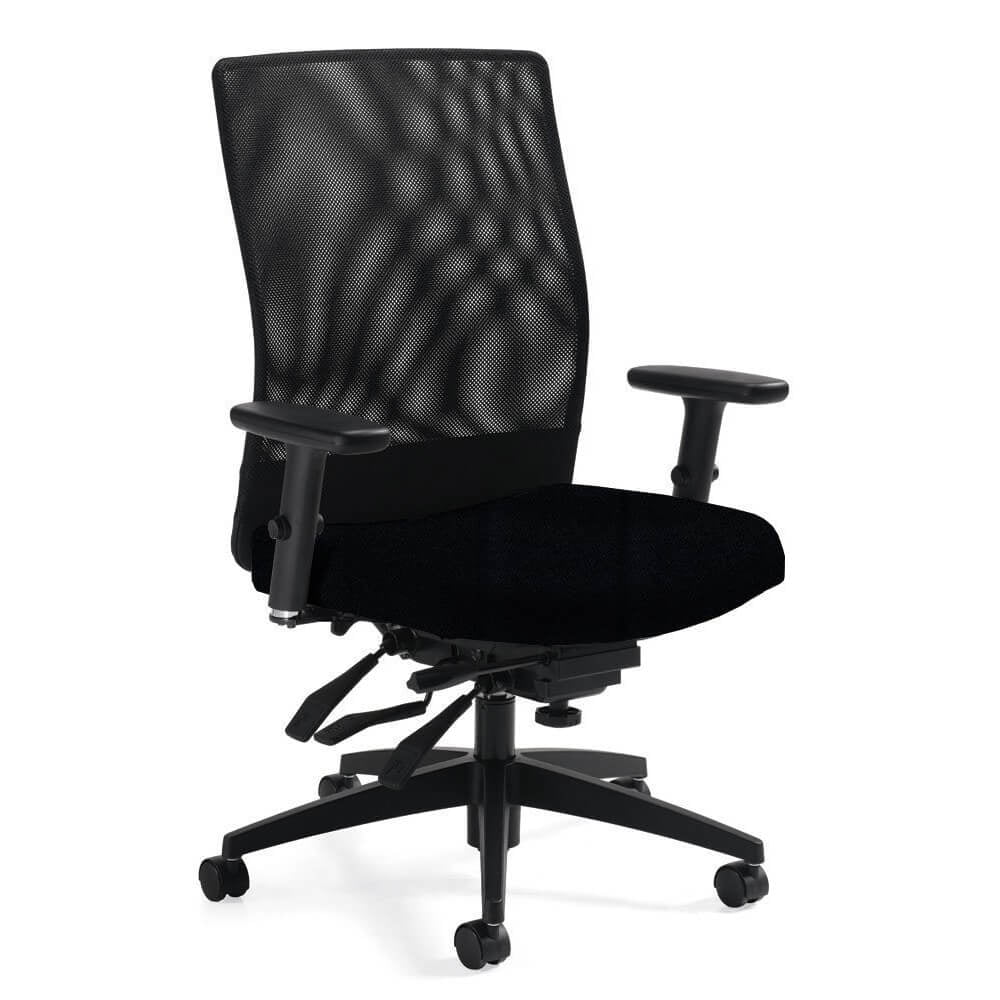
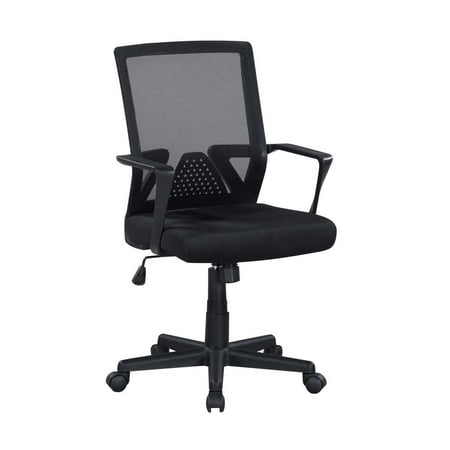
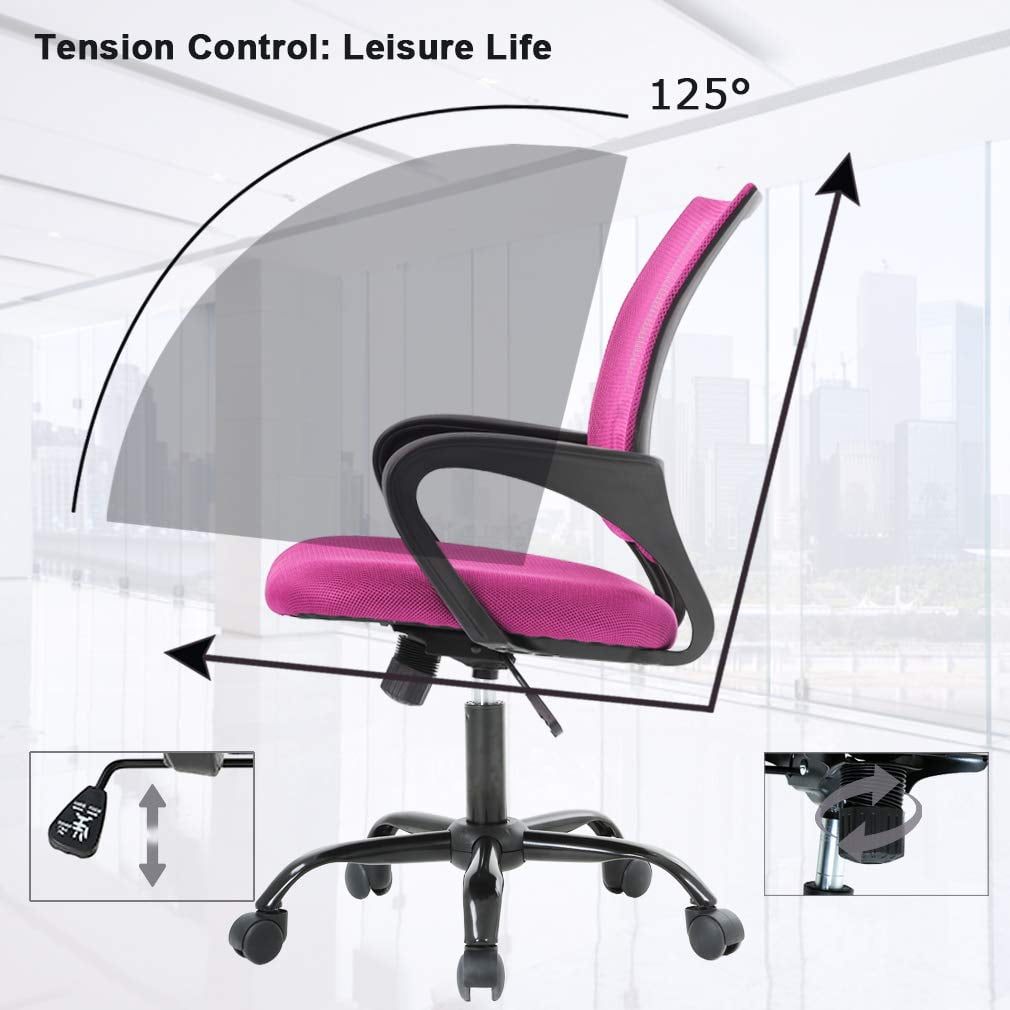
Why Choose an Ergonomic Mesh Office Chair? The Science of Breathable Support
Imagine sitting at your desk for eight hours without that sticky, uncomfortable feeling on your back. That's the promise of a quality ergonomic mesh office chair. Unlike traditional fabric or leather chairs that trap heat, mesh chairs are engineered with breathability as their foundation, allowing air to circulate freely while providing the structural support your spine needs.
According to a study published in the Journal of Physical Therapy Science, maintaining proper spinal alignment while seated can reduce lower back pain by up to 60%. Mesh chairs achieve this through a combination of tensioned fabric that conforms to your back's natural curvature and adjustable components that adapt to your unique body dimensions.
🌡️ The Temperature Factor: Why Mesh Matters
Your body loses heat through your back more than any other area when seated. A traditional padded chair can increase your core temperature by 2-3°F over a workday, leading to fatigue and decreased concentration. Mesh chairs reduce this heat buildup by allowing continuous airflow.
Understanding Mesh Technology: Not All Mesh Is Created Equal
When shopping for an ergonomic mesh office chair, you'll encounter different types of mesh materials, each with distinct characteristics. Understanding these differences helps you make an informed decision based on your specific needs.
1. Monofilament Polyester Mesh
This is the most common type found in mid-range ergonomic chairs. Monofilament mesh consists of individual polyester strands woven together, creating a durable yet flexible surface. Think of it like a high-performance running shoe—it offers targeted support where you need it while remaining breathable.
- Durability: Excellent resistance to sagging over time
- Breathability: High airflow due to the open weave structure
- Support: Moderate tension that works well for most body types
- Best For: All-day office workers in temperature-controlled environments
2. Elastic Mesh (Spandex Blend)
Some premium chairs incorporate elastic fibers into the mesh weave, creating a more forgiving surface that stretches slightly with movement. This is like comparing a cotton t-shirt to a performance fabric—the elastic mesh moves with you rather than resisting your movements.
- Durability: Good, but may lose elasticity over 5-7 years
- Breathability: Moderate to high, depending on weave density
- Support: Dynamic support that adapts to posture changes
- Best For: People who shift positions frequently or have active sitting styles
3. 3D Spacer Mesh
This advanced material consists of three layers: two outer mesh layers with a monofilament middle layer that creates air channels. Picture a suspension bridge with space between the deck and the supports—air flows freely through the middle layer while both surfaces provide comfort.
- Durability: Excellent compression resistance
- Breathability: Superior airflow through the spacer construction
- Support: Exceptional pressure distribution and shock absorption
- Best For: Premium ergonomic chairs and users with back sensitivity
The Ergonomic Components That Matter in Mesh Chairs
Mesh material alone doesn't make a chair ergonomic. The combination of adjustable components working together creates a truly supportive seating experience. Here's what to look for:
Adjustable Lumbar Support: The Backbone of Comfort
The lumbar region of your spine has a natural inward curve. Without proper support, you'll either slouch forward (flattening the curve) or lean back excessively (over-arching). Quality mesh chairs offer:
- Height-adjustable lumbar: Moves up or down to match your spine's curvature point
- Depth-adjustable lumbar: Increases or decreases how much the support protrudes forward
- Dynamic lumbar: Automatically adjusts tension based on your recline angle
A 2023 ergonomics study found that workers using chairs with adjustable lumbar support reported 47% less back fatigue at the end of the workday compared to those using fixed-back chairs.
Seat Depth Adjustment: Supporting Your Thighs
Your thighs should be fully supported without pressure behind the knees. Seat depth adjustment allows you to slide the seat pan forward or backward. The correct depth leaves 2-3 finger widths between the back of your knee and the seat edge.
Armrest Adjustability: 4D vs. 3D vs. 2D
Armrests are often overlooked, yet they significantly impact shoulder and neck tension. Mesh chairs typically offer varying levels of adjustability:
| Adjustability Level | Movements | Best For | Price Impact |
|---|---|---|---|
| 2D Armrests | Height and width adjustment only | Basic ergonomic needs, budget-conscious buyers | +$0-50 over fixed arms |
| 3D Armrests | Height, width, and depth adjustment | Most users, good balance of features and cost | +$50-100 |
| 4D Armrests | Height, width, depth, and angle/pivot adjustment | Users with specific arm positioning needs, multiple tasks | +$100-200 |
The Health Benefits of Mesh Seating: Beyond Just Staying Cool
While breathability is the headline feature, mesh office chairs offer several other health advantages that make them worth considering:
Improved Posture Through Natural Feedback
Mesh provides what ergonomists call "passive feedback." Unlike padded chairs that mask poor posture by conforming to any position, mesh maintains its tension and gently reminds you when you're slouching. It's like having a coach gently tapping your back when you start to slump.
Reduced Pressure Points
Traditional foam seats create pressure points where your body weight concentrates. Mesh distributes weight more evenly across the entire seated surface. This is particularly beneficial for the ischial tuberosities (the sitting bones), reducing the risk of pressure sores during extended sitting.
Temperature Regulation and Cognitive Performance
Research from Cornell University's Human Factors and Ergonomics Laboratory indicates that thermal comfort directly correlates with cognitive performance. Workers in thermally comfortable environments demonstrated 15-20% higher productivity on complex tasks compared to those experiencing heat discomfort.
✓ Mesh Chair Advantages
- Superior breathability and airflow
- Easier to clean and maintain
- Typically lighter weight
- Modern, professional appearance
- Less heat buildup during long hours
✗ Mesh Considerations
- Less "plush" feel than padded chairs
- May not suit cold environments
- Some find mesh less luxurious
- Can show dust in the weave
- Limited color/texture options
How to Choose the Right Ergonomic Mesh Chair for Your Body Type
Selecting a mesh chair isn't one-size-fits-all. Your body dimensions, weight, and work style all influence which chair will serve you best.
For Petite Users (Under 5'4")
Look for chairs with shorter backrests and seats that adjust lower to the ground. Some mesh chairs are designed specifically for smaller frames, with the mesh tension calibrated for lighter body weights. Chairs with independent seat depth adjustment are essential—standard depths often leave pressure behind the knees.
For Average Build (5'5" to 6'0")
Most mesh chairs accommodate this range well. Focus on adjustability features: lumbar support that moves vertically, armrests that adjust to elbow height, and seat depth that matches your thigh length. Mid-range mesh chairs typically offer the best value in this category.
For Tall Users (Over 6'0")
You need chairs with extra-high backrests (22 inches or more) and longer seat pans. The mesh must maintain tension across a larger surface area, so look for reinforced frames and higher weight capacities. Headrests become important for tall users to support the neck during reclined positions.
For Plus-Size Users
Weight capacity is critical—look for chairs rated at least 300 pounds, preferably 350-400 pounds for durability. The mesh weave should be tighter and reinforced at stress points. Some manufacturers offer "big and tall" versions of their mesh chairs with wider seats and strengthened mechanisms.
Maintenance and Longevity: Keeping Your Mesh Chair in Top Condition
With proper care, a quality mesh chair can serve you for a decade or more. Here's how to maximize its lifespan:
- Regular vacuuming: Use the brush attachment to remove dust and debris from the mesh weave weekly. This prevents particles from embedding in the fibers.
- Spot cleaning: For spills, blot immediately with a clean, dry cloth. For stains, use mild soap and water, then allow to air dry completely. Never use harsh chemicals that can degrade the mesh fibers.
- Avoid direct sunlight: UV exposure can weaken mesh material over time. Position your chair away from windows or use window treatments.
- Check tension annually: After a year of use, check if the mesh has relaxed. Minor relaxation is normal, but significant sagging may indicate warranty coverage is needed.
- Lubricate moving parts: Apply silicone spray to adjustment mechanisms yearly to maintain smooth operation.
Price Considerations: What to Expect at Different Budget Levels
Mesh office chairs span a wide price range, and understanding what you get at each level helps set realistic expectations:
- Entry-Level ($150-$300): Basic mesh back with padded seat, limited adjustments (usually height and tilt only), standard mesh material, 1-3 year warranty. Suitable for occasional use or home offices.
- Mid-Range ($300-$600): Full mesh or mesh back with breathable seat, adjustable lumbar support, 3D armrests, better mesh quality, 5-year warranty. Ideal for daily office use.
- Premium ($600-$1,200): Advanced mesh technology, independent seat depth adjustment, 4D armrests, synchronized tilt mechanisms, reinforced frames, 10-12 year warranties. Best for all-day professional use.
- High-End ($1,200+): Cutting-edge ergonomic designs, specialty mesh materials, custom fit options, extensive adjustment ranges, lifetime warranties on frames. For users with specific ergonomic needs or who spend 10+ hours daily seated.
Frequently Asked Questions About Ergonomic Mesh Office Chairs
Conclusion: Is an Ergonomic Mesh Office Chair Right for You?
Choosing an office chair is a personal decision that affects your comfort, health, and productivity every single day. Ergonomic mesh office chairs offer a compelling combination of breathability, support, and adjustability that makes them ideal for a wide range of users.
If you tend to run warm while working, if you value airflow and cooling comfort, or if you simply prefer a modern aesthetic that doesn't sacrifice function, a quality mesh chair deserves serious consideration. The best mesh chairs prove that you don't have to choose between staying cool and staying supported—you can have both.
Remember that the most expensive chair isn't always the best chair for your body. Focus on finding a chair with the right combination of adjustability features for your height, weight, and work style. Test chairs when possible, pay attention to warranty terms, and view your purchase as an investment in your long-term health and daily productivity.
Final Thought: The average person spends over 90,000 hours sitting at work in their lifetime. Those hours accumulate in your body. Choosing the right ergonomic mesh chair isn't just about comfort today—it's about protecting your spine for decades to come.