
Introduction: Why a Standard Office Chair Fails the Cross-Legged Sitter
For millions of workers, the "proper" office posture—feet flat on the floor, knees at 90 degrees—feels unnatural and restrictive. If you've ever tried to tuck one leg under you or sit fully cross-legged in a traditional executive chair, you've likely encountered the dreaded "seat edge dig." The hard plastic frame, narrow seat pan, and stiff foam make this simple comfort-seeking maneuver painful. This is why the demand for an office chair to sit cross legged has skyrocketed. It's not just about comfort; it's about honoring the body's natural desire to move and shift throughout an 8-hour workday.
Ergonomic Insight: A study from the National Institutes of Health indicates that static sitting is a major contributor to musculoskeletal disorders. Allowing varied postures, including sitting cross-legged, can reduce spinal disc pressure by up to 35% compared to rigid, upright sitting, provided the chair offers adequate support.
What Defines a Chair for Cross-Legged Sitting?
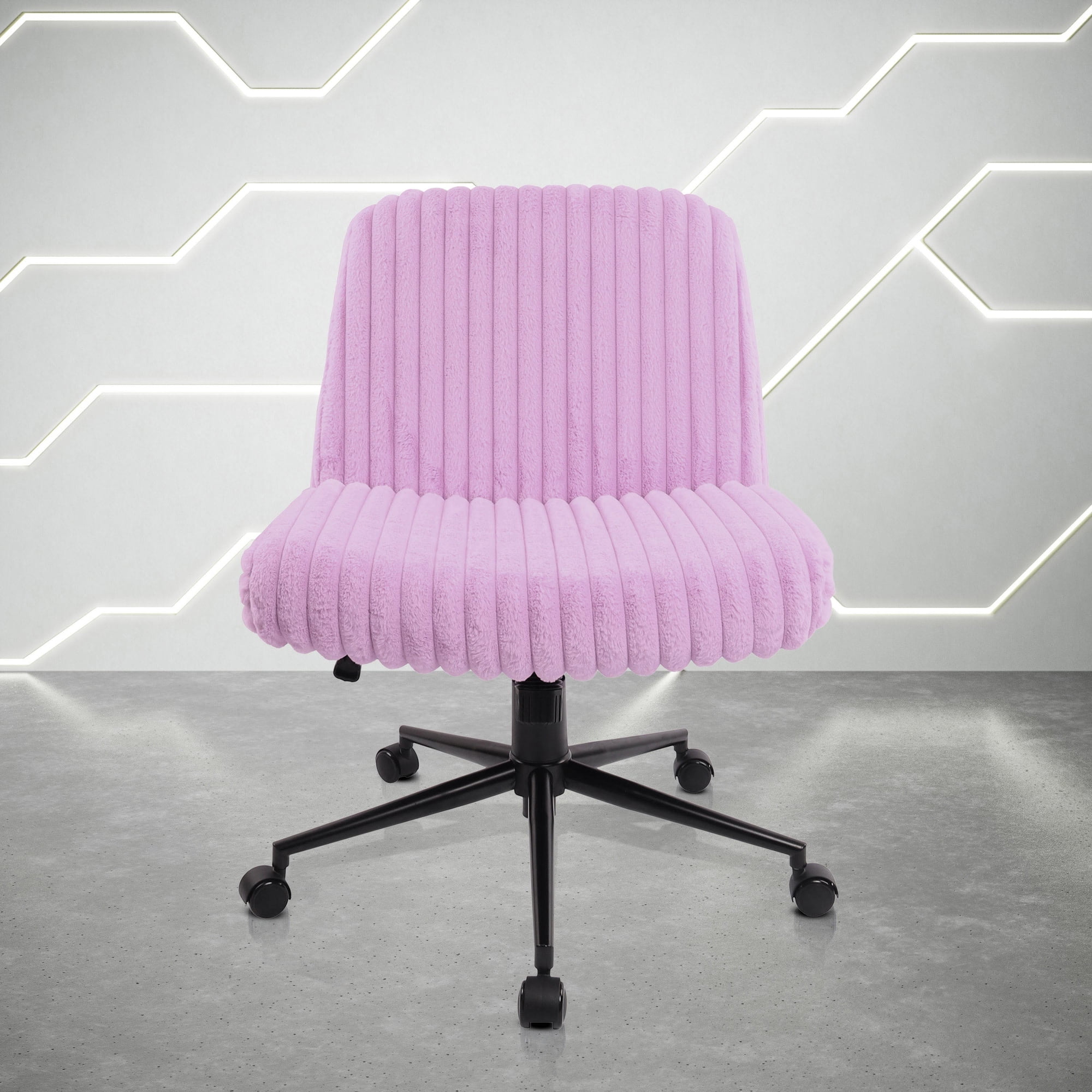
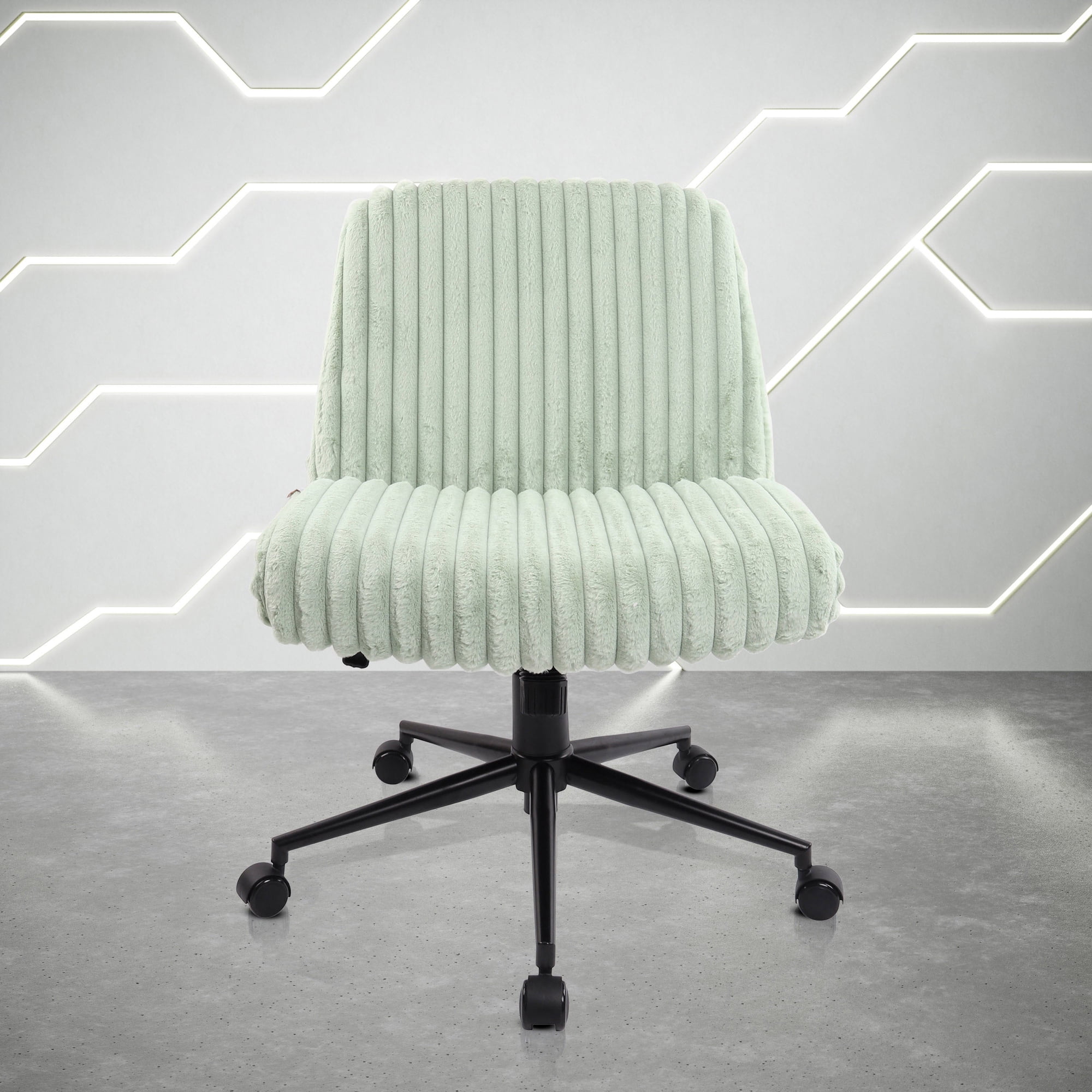
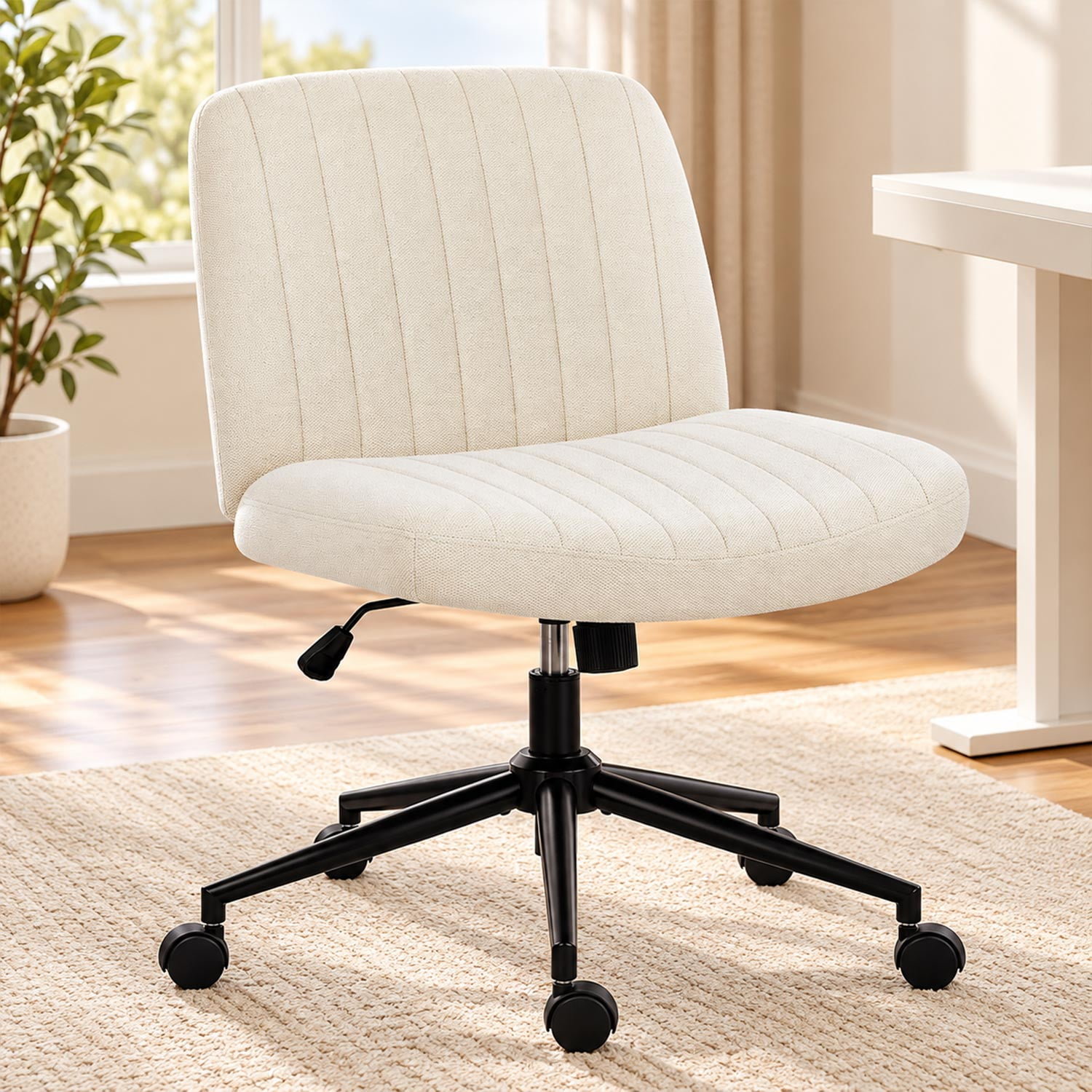
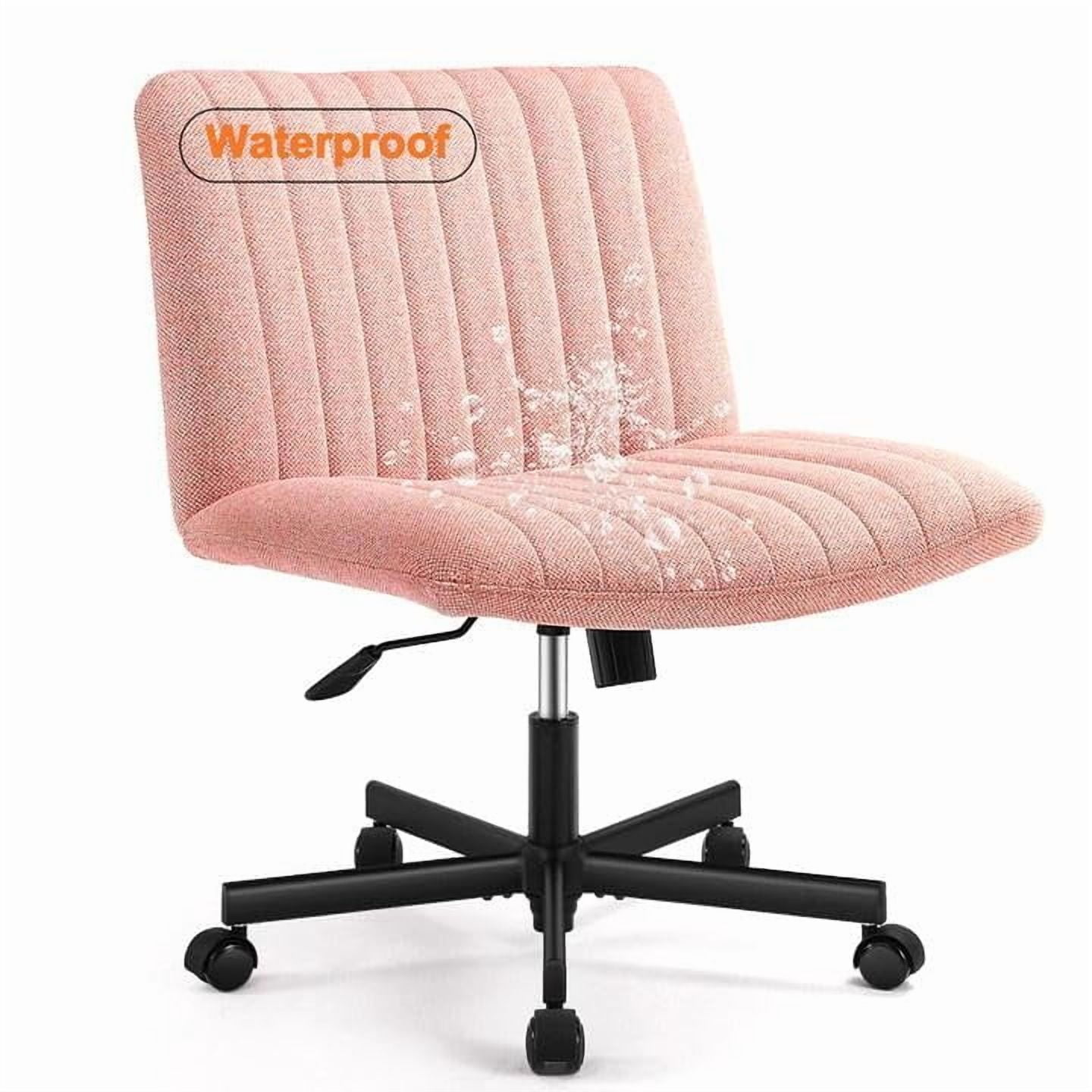
Not every wide chair qualifies. A true cross-legged friendly office chair incorporates specific design philosophies that accommodate the unique way your body folds and rests. Let's break down the anatomy.
1. The Seat: Width, Depth, and Edge Design
- Generous Seat Width (22+ inches): Standard chairs are 19-20 inches wide, forcing your knees to splay outward awkwardly. A wider platter gives your legs room to rest comfortably without hanging over the edge.
- Waterfall or "Flat" Front Edge: The front of the seat must be soft and rounded (waterfall) or completely flat and padded. This prevents the edge from cutting into the back of your calves or ankles when you cross your legs.
- Minimal Contouring: Highly contoured "bucket" seats are the enemy of cross-legged sitting. Look for a relatively flat seat base with just enough contour to provide stability without dictating where your legs must go.
2. Cushion Density and Material
- High-Density Foam: When you sit cross-legged, your weight is concentrated on a smaller area (your sit bones and ankles). Low-density foam will "bottom out," leading to numbness and pain. High-density, resilient foam is non-negotiable.
- Breathable Upholstery: Since your legs are often in contact with more of the seat surface, breathability is key. Premium fabric or high-end mesh prevents that sticky, sweaty feeling.
3. Base and Mechanism Flexibility
- Open Base Design: The plastic or metal cover over the chair mechanism (the part under the seat) should be as flat and small as possible. Some chairs have a pronounced hump that digs into your ankles. A clean, flat base is ideal.
- Stability When Tilted: You might lean forward or to the side when sitting cross-legged. A sturdy 5-star base with a wide footprint ensures the chair won't tip, even when your center of gravity shifts.
| Feature | Why It Matters for Cross-Legged Sitting | Ideal Specification |
|---|---|---|
| Seat Width | Provides room for knees to rest without pressure | 22 - 26 inches |
| Seat Depth | Allows you to sit back while legs are folded | 18 - 20 inches (adjustable preferred) |
| Front Edge Profile | Prevents circulation cut-off at the ankles | Soft waterfall or padded flat edge |
| Mechanism Cover | Eliminates hard plastic pressure points on feet | Low-profile, fully padded cover |
| Armrests | Should be adjustable or removable to avoid elbow conflicts | 4D adjustable or flip-up arms |
Health Benefits of a Cross-Legged Friendly Chair
Switching to a chair that supports this posture isn't just a luxury—it offers measurable health advantages, especially for people who find traditional sitting painful.
Enhanced Hip Mobility
Cross-legged sitting gently stretches the hip external rotators, combating the tightness caused by hours of standard sitting.
Improved Core Engagement
Maintaining balance in a cross-legged position naturally activates core stabilizing muscles, strengthening them passively.
Reduced Sciatic Nerve Tension
For some, crossing the legs can relieve tension on the sciatic nerve compared to the compression of a standard seat pan.
Psychological Comfort
The ability to sit in a preferred posture reduces anxiety and restlessness, fostering a calm, focused work environment.
Material Deep Dive: Choosing the Right Upholstery for Comfort
The material of your chair directly affects the comfort of cross-legged sitting, especially since skin-to-fabric contact is increased.
Breathable Fabric & Mesh
- Best for: All-day comfort, warm climates.
- Pros: Excellent airflow prevents sweating where legs touch. Often softer and more forgiving on ankles. Available in a wide range of colors.
- Cons: Can stain easier than leather. May require more frequent cleaning.
Leather & Faux Leather
- Best for: Professional aesthetics, easy wipe-clean surfaces.
- Pros: Durable and looks premium. Spills wipe right off.
- Cons: Can become sticky and hot against bare legs. Less "give" than fabric, which can create pressure points. Requires careful conditioning.
Hybrid Solutions: The Best of Both Worlds
Many modern office chairs to sit cross legged use a hybrid approach: a breathable mesh back for spinal support, and a wide, padded fabric or foam seat for comfort. This combination maximizes airflow to your back while providing a soft, forgiving surface for your legs.
Step-by-Step Guide to Choosing Your Chair
Follow this practical framework to ensure you invest in a chair that truly fits your body and work style.
Step 1: Measure Your Sitting Style
- Full Lotus: Both feet tucked onto the seat. Requires maximum width (24"+) and a completely flat mechanism cover.
- Half Cross (one leg under): Requires good width but more forgiving on the mechanism hump.
- Side Saddle: Both legs over one armrest. Requires removable armrests and a stable base.
Step 2: Test the "Ankle Test"
If possible, sit in the chair and try to tuck your feet. Run your hand under the front edge. Is there a hard bar? Does the foam compress immediately? The best chairs will have at least 2-3 inches of soft padding at the front edge before you hit any hard structure.
Step 3: Consider Adjustability
- Seat Depth: Crucial. If the seat is too deep, you can't lean back while your legs are folded. Look for sliding seat pans.
- Armrests: They should be width-adjustable or able to flip up completely out of the way.
- Tilt Tension: You'll want the ability to lock the recline or have a very smooth, adjustable tilt to rock gently while seated.
Budget Considerations: Investing in Freedom
Chairs designed for postural flexibility are an investment. Here's what you can expect at different price points.
Entry-Level
Basic wide seats, often with foam that may compress over time. Good for occasional cross-legged sitters.
Mid-Range Sweet Spot
High-density foam, better mechanism covers, and adjustable features. Ideal for daily, prolonged use.
Premium
Top-tier materials, advanced ergonomics, fully adjustable arms, and superior weight distribution. Designed for the dedicated cross-legged sitter.
Frequently Asked Questions (FAQ)
Conclusion: Freedom to Work Your Way
The modern office is no longer a place of rigid rules and one-size-fits-all furniture. An office chair to sit cross legged represents a shift towards personalized ergonomics—acknowledging that comfort is subjective and dynamic. By prioritizing a wide, flat seat, high-quality foam, and an open base design, you're not just buying a chair; you're investing in your physical well-being and daily comfort.
Prioritize a chair with a 24"+ wide seat and 4D armrests that you can push aside. This gives you maximum room to shift between postures.
Look for a hybrid chair with a breathable mesh back and a thick, high-density foam seat. This ensures airflow and durability.
Many modern fabric chairs now come in stylish colors and profiles that don't look like "office furniture" but still offer the wide, flat seats you need.
Explore the curated selection below to find your perfect match. Your legs—and your focus—will thank you.