
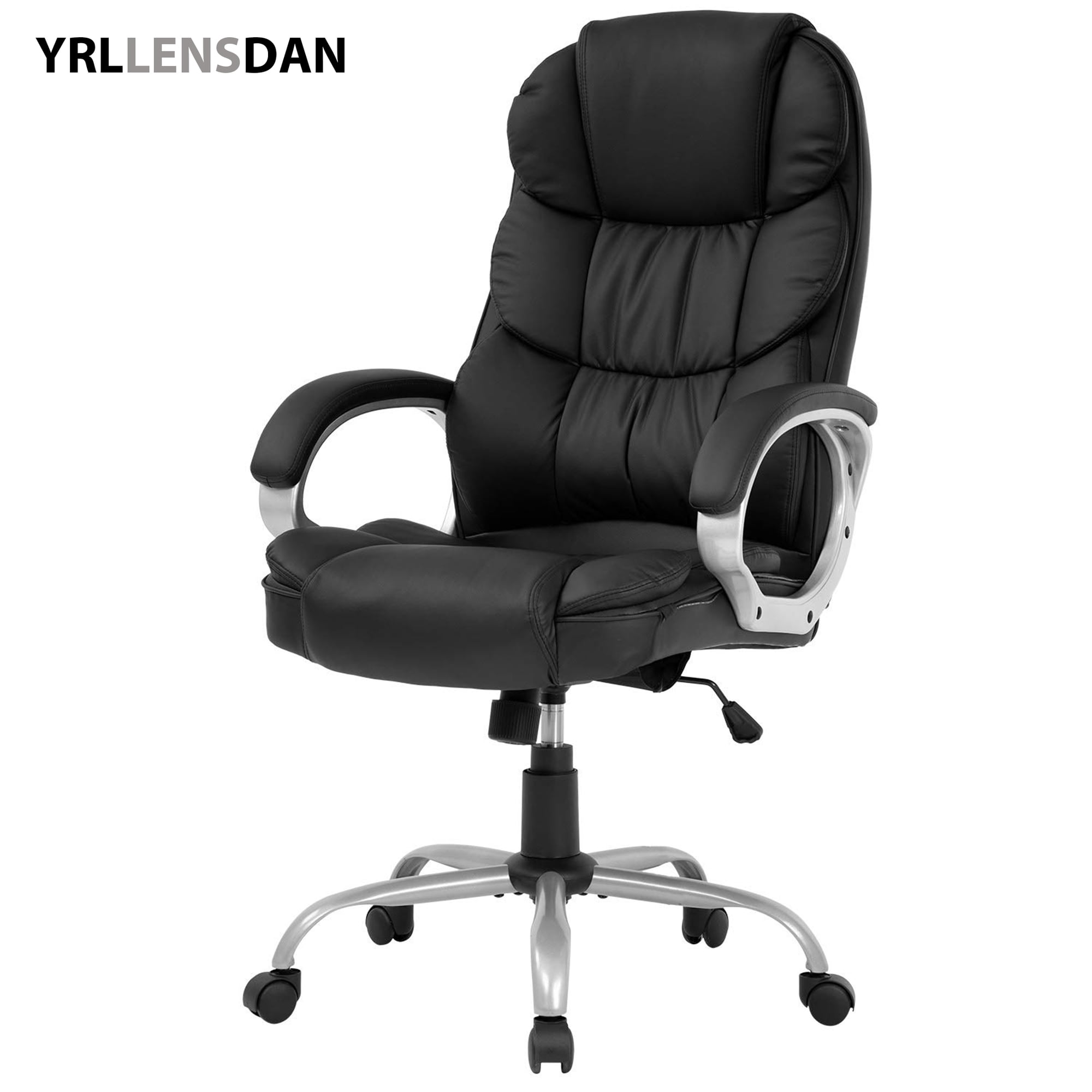
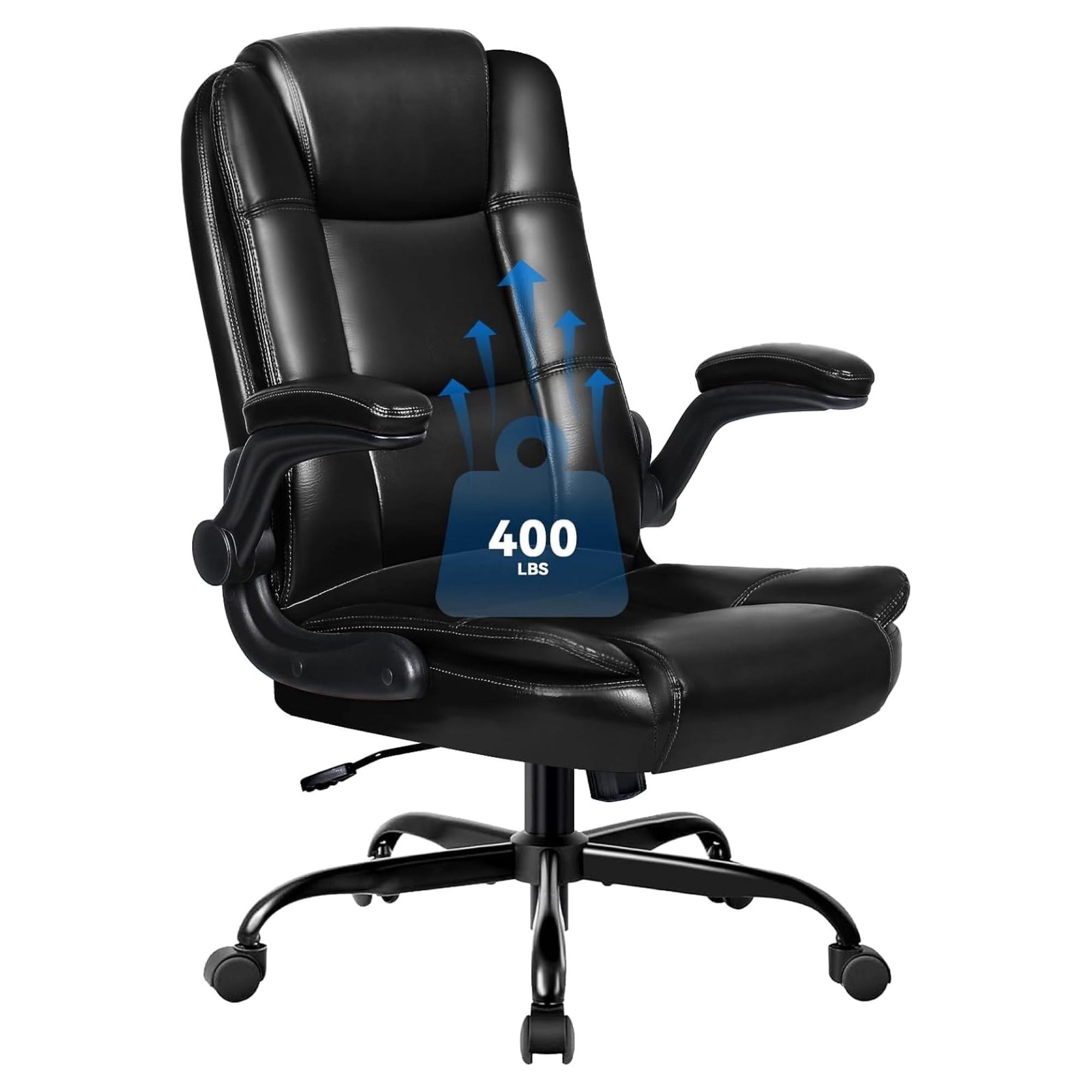
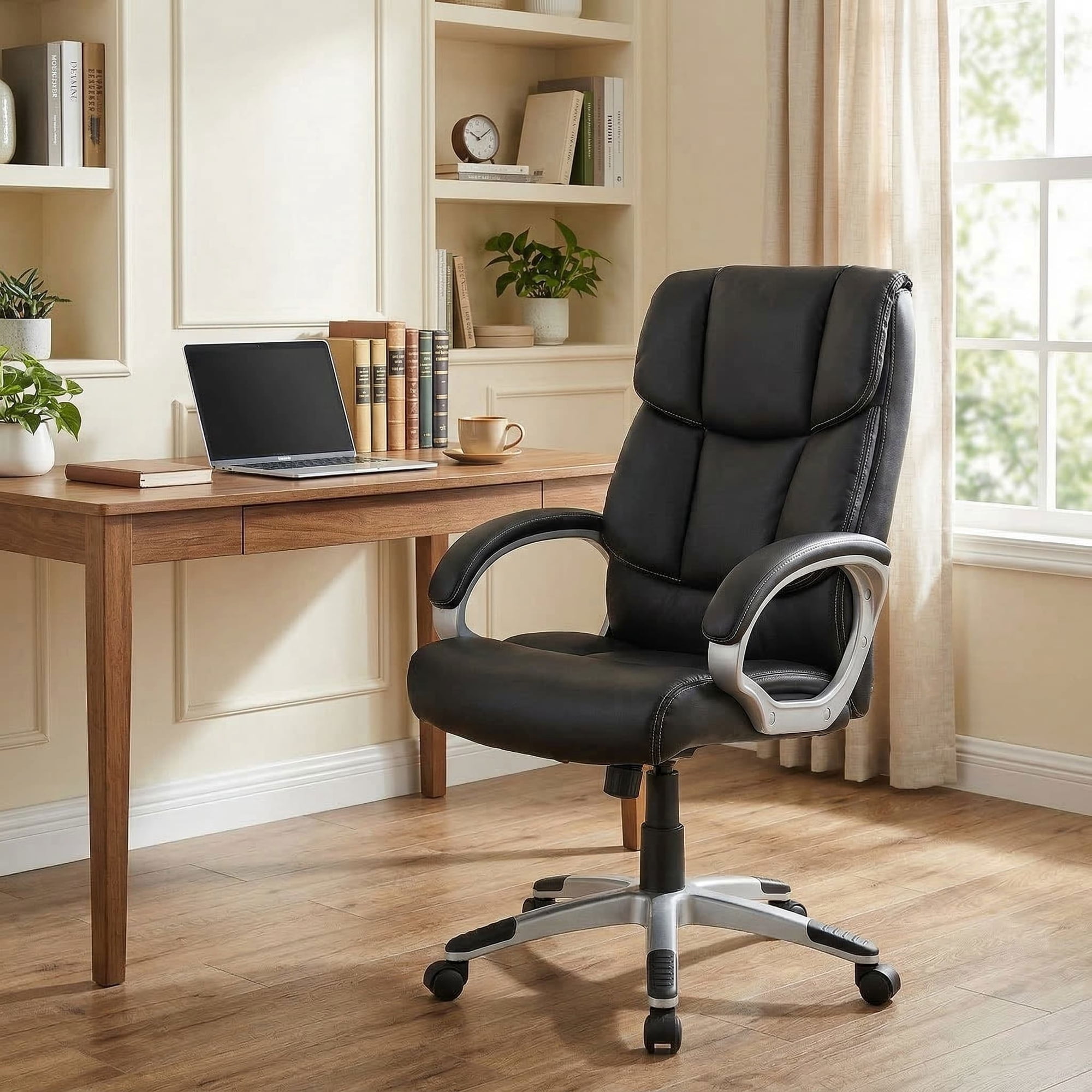
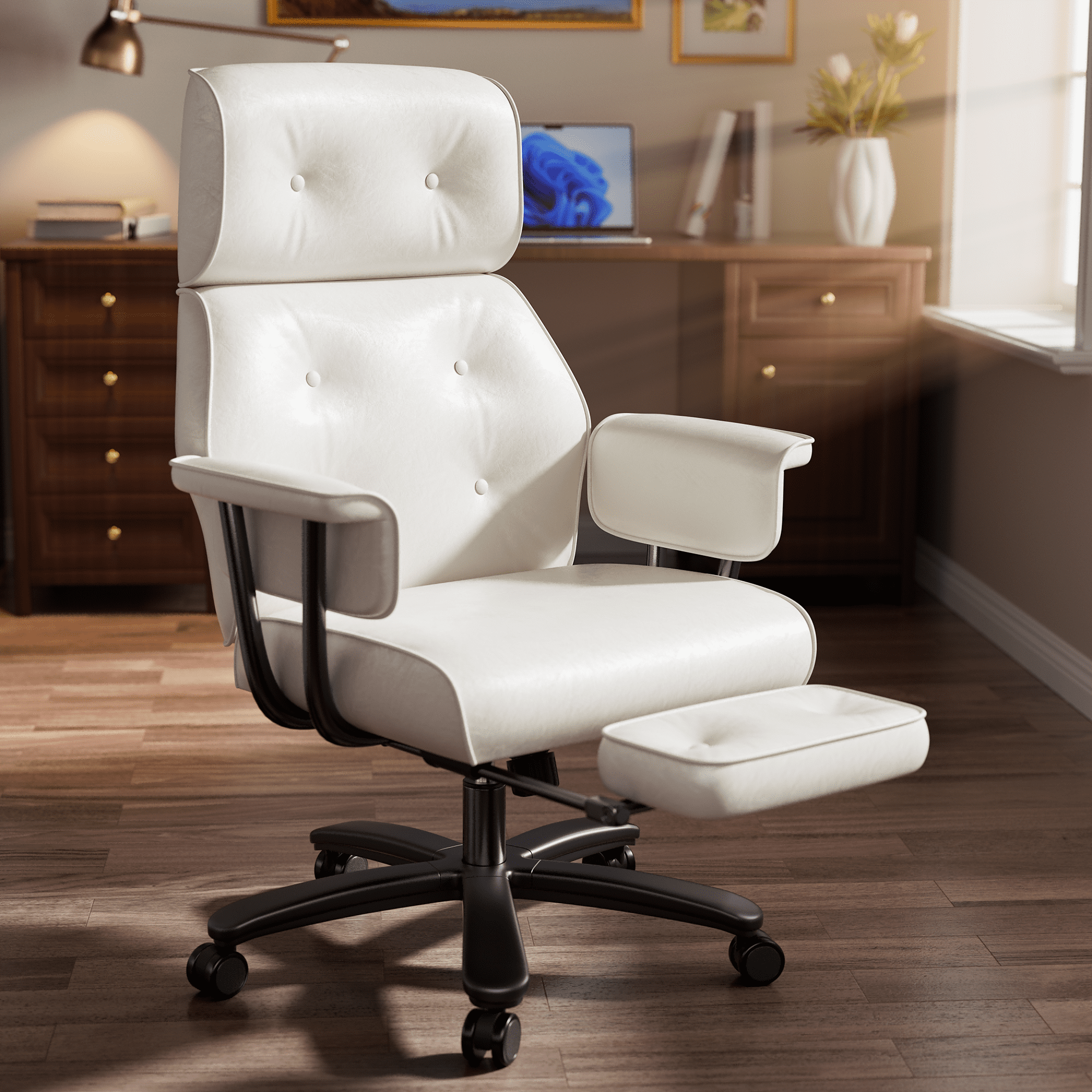
The Quest for the Perfect Fit: Why Size and Comfort Matter
Imagine trying to fit into a suit that's two sizes too small. You might manage for a few minutes, but by the end of the day, you'd be miserable, restricted, and in pain. This is the daily reality for many people squeezed into standard office chairs. A big comfortable office chair isn't a luxury; for those with larger frames, it's an essential tool for health and productivity. It's the difference between enduring your workday and actively engaging in it.
When we talk about a "big comfortable office chair," we're referring to seating engineered with two primary goals: providing ample physical space and delivering sustained, plush support. This goes beyond simply widening the seat. It involves reinforced frames to prevent wobbling, high-density foam that won't flatten after three months, and adjustable features that actually accommodate a broader range of body types. For anyone spending 8+ hours at a desk, investing in a chair that truly fits is a game-changer for focus, energy levels, and long-term musculoskeletal health.
Anatomy of Comfort: What Makes a Chair "Big" and "Comfortable"?
Understanding the engineering behind these chairs helps you make an informed choice. It's not just one feature, but a combination of design elements working in harmony.
1. The Foundation: Frame and Base
The skeleton of any good big comfortable chair is its frame. Look for chairs with a reinforced steel or heavy-duty aluminum frame. This prevents the chair from feeling unstable or developing creaks over time. The base is equally critical. A five-star base made of metal, rather than nylon or plastic, provides a stable foundation and is less likely to crack under significant weight. The casters (wheels) should be heavy-duty and often dual-wheeled to roll smoothly under load, whether you have carpet or hardwood floors.
2. The Seat: Where Comfort Begins
The seat is your primary interface with the chair. For a truly comfortable experience, pay attention to these factors:
- Seat Width and Depth: A standard chair seat is about 19-20 inches wide. A big comfortable office chair typically offers a seat width of 22 to 28 inches. Seat depth (the distance from the back of the seat to the front edge) should be adjustable or generously sized (around 20-22 inches) to support your thighs without cutting off circulation behind the knees.
- Cushion Density and Material: This is the heart of comfort. Look for high-density foam with a rating of 2.5 lbs or higher per cubic foot. This foam resists compression and retains its shape for years. Some premium chairs incorporate a gel layer or pocket springs for additional pressure relief. The upholstery should be breathable—high-quality fabric or perforated leather is preferable to bonded leather, which can crack.
- Waterfall Edge: A seat with a gently sloping, "waterfall" front edge reduces pressure on the underside of your thighs, promoting better blood circulation to your legs and feet—a crucial feature for long sitting sessions.
3. The Backrest: Support for the Long Haul
The backrest on a big chair must be tall and wide enough to support your entire back. Key elements include:
- Height and Width: Look for a high back (often 26 inches or more) that reaches your shoulder blades comfortably. The backrest should also be extra wide to accommodate broader shoulders and provide lateral support.
- Integrated Lumbar Support: Static lumber support isn't enough. The best chairs offer adjustable lumbar support—either through a mechanical mechanism or a firm cushion that can be moved up, down, in, and out. This is vital for maintaining the natural S-curve of your spine and preventing lower back fatigue.
- Recline and Tension Control: The ability to recline and lock the backrest at different angles allows you to shift positions and relieve pressure. A robust tilt tension control lets you adjust how much force is needed to recline, accommodating your weight perfectly.
4. The Armrests: More Than Just an Arm Rest
For larger users, static armrests are often too narrow or low. The gold standard is 4D armrests, which adjust in height, width, depth, and pivot angle. This allows you to position them perfectly to support your arms without hunching your shoulders, which directly reduces neck and upper back strain. Ensure they have ample padding for comfort.
Data Point: A study in the journal "Work" found that providing appropriately sized ergonomic furniture for workers of all statures led to a 62% reduction in reported musculoskeletal discomfort and a 53% increase in self-reported productivity. For larger individuals, a chair that fits correctly is not just about comfort; it's a direct contributor to output and well-being.
Step-by-Step Guide to Choosing Your Ideal Chair
Use this structured approach to narrow down your options and find the perfect match.
- Step 1: Take Your Measurements: Measure your seat width (hip to hip), seat depth (back of buttocks to back of knee), and shoulder height while seated. Note your weight and height. This gives you your non-negotiable dimensional requirements.
- Step 2: Determine Your "Non-Negotiables": Decide on 3-4 features you absolutely must have. Is it a 400+ lb weight capacity? Is it 4D armrests? Is it a headrest for tall support? List them in order of priority.
- Step 3: Set a Realistic Budget: A well-built big comfortable office chair is an investment in your health. While prices range from $300 for entry-level to $1500+ for premium models, allocate a budget that reflects the quality of materials and construction you'll need for long-term durability.
- Step 4: Read Reviews from Similar Users: Look for reviews specifically from people with a similar body type. They will provide the most relevant insights on the chair's true comfort, stability, and durability over time.
- Step 5: Check the Warranty and Return Policy: A longer warranty (especially on the frame and mechanics) is a sign of manufacturer confidence. A good return policy is your safety net if the chair doesn't feel right after a few days of use.
Comparing Comfort Features in Big Chairs
Not all "big" chairs are created equal. This quick scale helps you gauge the level of comfort different features provide.
Durability and Maintenance: Protecting Your Investment
A quality big comfortable office chair should be a long-term partner. Here’s how to ensure it lasts:
- Material Longevity: Choose upholstery known for its durability. Top-grain leather is incredibly resilient but requires conditioning. High-quality commercial-grade fabric (with a high double-rub count) is exceptionally tough and breathable.
- Mechanism Reliability: The tilt mechanism and gas lift are stress points. Look for Class 3 or Class 4 gas lifts, which are rated for heavier loads and more frequent use. A smooth, wobble-free mechanism is a sign of quality.
- Simple Maintenance: Regularly vacuum the chair to remove dust and debris. For fabric, treat spills immediately. For leather, use a gentle cleaner and conditioner every 6-12 months. Tighten any visible bolts or screws annually to prevent loosening.
Frequently Asked Questions About Big Comfortable Office Chairs
Conclusion: Invest in the Comfort You Deserve
Finding the right big comfortable office chair is a personal journey, but the destination—a workspace where you can focus, work productively, and feel good at the end of the day—is well worth the effort. By understanding the key components like frame strength, cushion density, and adjustability, you can cut through the marketing noise and choose a chair built to support your unique physique.
Remember, this isn't just about buying a piece of furniture; it's about investing in your daily comfort, long-term health, and professional performance. Prioritize your needs, test chairs if possible, and don't compromise on the features that matter most to you. Your body will thank you for it.