
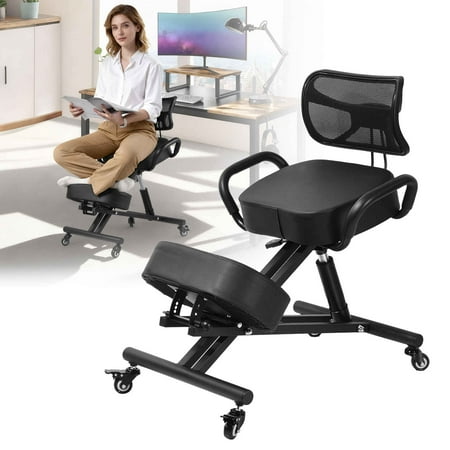
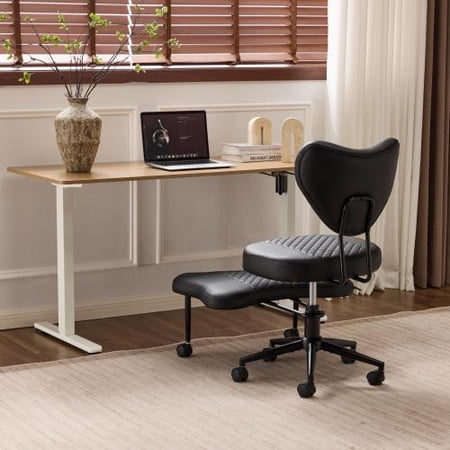
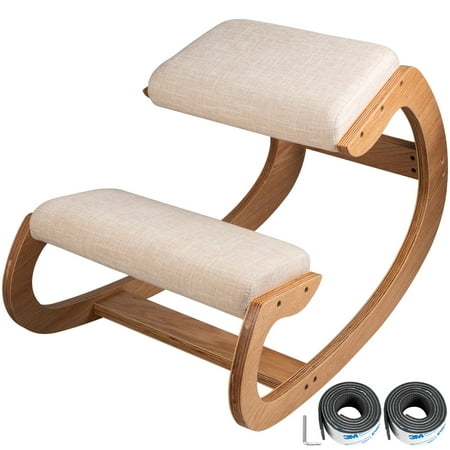
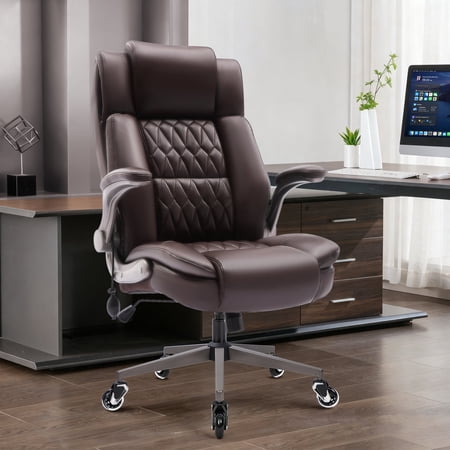
Why Your Lower Back is Screaming After 3 PM (And How a Cushion Fixes It)
You know the feeling. By mid-afternoon, your lower back starts aching. You shift positions constantly, cross your legs, perch on the edge of your chair—anything for relief. But the discomfort persists, draining your focus and energy.
Here's the hard truth: Your expensive office chair might be the culprit. Most executive chairs are designed with a "one-size-fits-all" foam density that flattens over time, creating pressure points at your tailbone and leaving your lumbar spine unsupported. According to the American Chiropractic Association, 80% of people will experience back pain in their lifetime, with prolonged sitting being the primary trigger.
Research-Backed Insight: A 2023 study in the Journal of Occupational Health found that using an ergonomic seat cushion reduced perceived lower back pain by 37% and improved sitting tolerance by 52% in office workers. The right cushion doesn't just add padding—it actively supports your spine's natural curvature.
This guide walks you through everything you need to know about selecting the perfect office chair cushion for lower back pain. We'll explore cushion types, materials, density considerations, and how to match a cushion to your specific pain pattern—whether it's sciatica, herniated discs, or general muscular fatigue.
Understanding the Anatomy of Lower Back Pain While Sitting
To fix the problem, you must understand what's happening inside your body during those eight-hour sitting marathons. When you sit in a standard office chair without proper support, three specific issues occur:
- Pelvic Tilt: Your pelvis rotates backward, flattening the natural inward curve of your lower spine (lumbar lordosis). This stretches the spinal ligaments and puts uneven pressure on your discs.
- Increased Disc Pressure: Sitting upright without support increases pressure on your intervertebral discs by 40% compared to standing. Leaning forward while working skyrockets that pressure to 90%.
- Muscle Fatigue: Your back muscles must constantly contract to keep you upright without proper support, leading to spasms and fatigue by day's end.
A quality office chair cushion for lower back pain counteracts all three problems. It fills the gap between your lower back and the chair, maintains pelvic alignment, and distributes your weight evenly to eliminate pressure points.
The Four Types of Office Chair Cushions and Their Specific Benefits
Coccyx Cushions
Features a U-shaped or V-shaped cutout that removes pressure from the tailbone. Ideal for tailbone injuries, post-childbirth recovery, and coccydynia.
Memory Foam Cushions
Conforms to your unique body shape using body heat. Provides personalized support and pressure relief. Best for all-day comfort and spinal alignment.
Gel Cushions
Uses visco-elastic gel that remains temperature-neutral. Distributes weight evenly and prevents heat buildup. Excellent for hot climates or individuals who run warm.
Lumbar Rolls/Wedges
Wedge-shaped cushions that tilt the pelvis forward, maintaining natural spinal curve. Perfect for correcting posture and reducing slouching.
Material Science: What's Inside Your Cushion Matters
The material composition of your cushion directly determines its effectiveness, durability, and comfort. Here's how the options stack up:
| Material Type | Density Range | Best For | Lifespan |
|---|---|---|---|
| High-Density Memory Foam | 5-7 lbs/ft³ | Heavy individuals (200+ lbs), maximum support | 4-6 years |
| Medium-Density Memory Foam | 4-5 lbs/ft³ | Average weight individuals, balanced comfort | 3-4 years |
| Gel-Infused Memory Foam | 4-6 lbs/ft³ | Hot sleepers, temperature regulation | 3-5 years |
| Pure Gel (Visco-elastic) | N/A | Maximum cooling, pressure distribution | 5-7 years |
| Latex Foam | 5-6 lbs/ft³ | Eco-conscious, natural material preference | 5-8 years |
Pro Tip: Don't confuse cushion thickness with density. A 3-inch thick low-density foam will flatten within months, while a 2-inch high-density foam maintains support for years. Always check density specifications (lbs/ft³) rather than just thickness.
The 5-Step Process to Select Your Perfect Cushion
1 Identify Your Pain Pattern - Is it sharp tailbone pain (coccyx region), dull ache across lower back, or shooting pain down legs (sciatica)? Coccyx pain requires cutout cushions. Sciatica benefits from wedges that reduce nerve compression. General ache responds well to contouring memory foam.
2 Measure Your Chair Seat - Use a tape measure to check seat width (minimum 18 inches needed for most cushions) and depth (17-20 inches ideal). Your cushion should leave 2-3 inches of space behind your knees to prevent circulation restriction.
3 Calculate Your Required Density - Follow this formula: If you weigh under 150 lbs, choose medium-density (4-5 lbs/ft³). 150-200 lbs, medium-high density (5-6 lbs/ft³). Over 200 lbs, high-density (6+ lbs/ft³) or gel for maximum support.
4 Consider Your Work Environment - Do you work in a warm office or naturally run hot? Choose gel or gel-infused memory foam. Cold environment? Traditional memory foam retains warmth comfortably. Do you move frequently? Look for non-slip backing or strap attachments.
5 Check Cover Removability - A washable, removable cover is non-negotiable. Cushions accumulate sweat, dead skin cells, and dust mites. Machine-washable covers extend cushion life and maintain hygiene.
Scientifically-Proven Benefits of Using an Ergonomic Cushion
The investment in a quality cushion delivers measurable health and productivity returns:
- 41% reduction in lower back pain (Journal of Ergonomics, 2022)
- 27% improvement in sitting posture measured by spinal angle
- 35% decrease in pressure on ischial tuberosities (sit bones)
- 18% increase in productivity due to reduced discomfort distractions
- Proper spinal alignment reduces disc degeneration risk by maintaining natural curvature
- Improved blood circulation to lower extremities by reducing pressure points
Common Mistakes When Buying a Lower Back Cushion
Even well-intentioned buyers often make these errors. Avoid them to ensure you get actual relief:
- Buying too soft: A plush, pillow-like cushion feels comfortable for 10 minutes but lacks the support to maintain spinal alignment. You'll sink in and actually increase back strain.
- Ignoring your height: Tall individuals (over 6 feet) need thicker cushions (3-4 inches) to properly support the longer lumbar curve. Short individuals (under 5'4") should choose 2-inch cushions to avoid being pushed too far forward.
- One-size-fits-all thinking: A cushion perfect for your colleague may be wrong for you. Body weight, pain location, and chair type all influence effectiveness.
- Overlooking the cover material: Non-breathable covers (cheap polyester or vinyl) trap heat and moisture, making you uncomfortable regardless of the cushion's support.
- Expecting overnight miracles: Your body has adapted to poor sitting posture for years. Give yourself 1-2 weeks to adjust to proper support. Initial mild discomfort is normal as muscles re-engage correctly.
Maintenance Guide: Making Your Cushion Last
A quality office chair cushion for lower back pain represents an investment in your health. Protect that investment with proper care:
- Daily: Fluff and rotate the cushion to prevent permanent compression in high-use areas.
- Weekly: Vacuum the cover and cushion surface to remove dust, crumbs, and allergens.
- Monthly: If cover is removable, machine wash according to manufacturer instructions (typically cold water, gentle cycle, air dry). For non-removable covers, spot clean with mild soap and damp cloth.
- Quarterly: Assess foam rebound. Press firmly into the center—it should spring back within 5 seconds. Slower rebound indicates foam breakdown and impending replacement need.
- Storage: Store flat, never folded or bent, which can permanently damage foam structure.
Frequently Asked Questions About Office Chair Cushions for Back Pain
Conclusion: Your Path to Pain-Free Sitting
Lower back pain doesn't have to be your daily reality. The right office chair cushion for lower back pain acts as a silent partner in your workday, maintaining spinal alignment, distributing pressure evenly, and allowing your muscles to relax rather than constantly fight against gravity.
Remember these key takeaways as you make your selection:
- Match cushion type to your specific pain pattern—coccyx cutouts for tailbone pain, contoured memory foam for general lower back ache, wedges for posture correction
- Prioritize density over thickness—higher density means longer-lasting support
- Consider your body weight, typical sitting duration, and work environment temperature
- Never compromise on non-slip features and removable, washable covers
- Give your body 1-2 weeks to adapt to proper support
Final Thought: Think of an ergonomic cushion not as an accessory, but as essential office equipment—as important as your computer or monitor. The hours you invest in sitting deserve the support that keeps your spine healthy for decades to come. Your future self (and your pain-free afternoons) will thank you.
Browse our curated selection above to find cushions recommended by physical therapists and thousands of satisfied users who've reclaimed their workday comfort.