
Your Back Doesn't Care About Your Budget, But Your Wallet Does
Let's be honest: when you search for an "affordable ergonomic office chair," you're often met with a wave of anxiety. Will it fall apart in six months? Will the lumbar support be a useless, fixed bump? You envision a flimsy piece of plastic that will leave you with more back pain than your kitchen stool. This is the myth of the budget chair. But just like finding a hidden gem at a thrift store, the market for affordable ergonomic seating has matured. You no longer have to choose between eating lunch and supporting your spine.
The key is knowing what to look for. A higher price tag often buys you premium materials (like Italian leather) or hyper-specific adjustments (like independently articulating seat pans). However, the core principles of ergonomics—supporting the natural curve of your spine, promoting good posture, and reducing pressure points—can absolutely be achieved for under $300. Think of it like buying a car. A luxury sedan has heated seats and a massage function, but a reliable hatchback still has an engine, brakes, and a seatbelt. It gets you where you need to go safely. An affordable ergonomic chair is your reliable hatchback; it provides the essential safety (support) for your body without the bells and whistles.
In this guide, we will dismantle the confusion and empower you to make a smart purchase. We'll explore the essential features that define a truly ergonomic chair, separate the marketing fluff from functional design, and help you find a seat that will keep you productive and pain-free for years to come, all while respecting your bank account.
Decoding the 'Affordable Ergonomic Office Chair': What Actually Matters
When you're shopping on a budget, every dollar counts. You can't afford to pay for gimmicks. So, let's dissect an affordable ergonomic office chair piece by piece, highlighting what you absolutely must have and what you can safely ignore.
1. The Lumbar Support: The Heart of the Chair
This is non-negotiable. The term "ergonomic" is meaningless without proper lumbar support. Your lower back has a natural inward curve, and sitting for long periods flattens this curve, straining muscles and discs. A good chair pushes back.
- What to look for: Seek chairs with adjustable lumbar support. This can be a pad that moves up and down, or a mechanism that increases or decreases the depth of the support. Even a simple, firm, and well-placed fixed lumbar curve is acceptable, but adjustable is far superior. Avoid chairs where the lumbar area feels like a soft pillow; it needs to be firm to provide resistance.
- What to avoid: Fixed lumbar support that hits you in the middle of your back (or too low). Everyone's spine is different, and a one-size-fits-all approach here is a recipe for discomfort.
2. Seat Material: Mesh vs. Fabric vs. PU Leather
The material dictates your comfort, especially regarding temperature and long-term durability.
- Mesh: This is the champion of the affordable ergonomic category. High-quality, breathable mesh backs are common and excellent for keeping you cool. It prevents that dreaded sweaty back syndrome during long work sessions. For the seat pan, mesh can sometimes feel too firm, so a padded seat with a mesh back is often the ideal budget combination.
- Fabric: A tightly woven, high-density fabric is comfortable, warm, and often comes in more attractive colors. It's durable but can trap heat. Look for fabric with a bit of stretch for added comfort.
- PU Leather (Faux Leather): Be cautious here. In the budget range, PU leather is often the first thing to fail. It can peel, crack, and flake after a year or two of use. It also doesn't breathe, making it hot and sticky. Unless you absolutely need the look of leather for your office aesthetic, it's often better to choose mesh or fabric in this price bracket.
3. Adjustability: The 'Goldilocks' Zone
How many ways can you change the chair to fit you? This is where expensive chairs really shine, but budget chairs are catching up.
- Seat Height (Pneumatic Adjustment): Standard on almost every chair. Your feet must rest flat on the floor, with your knees at a 90-degree angle.
- Tilt Mechanism and Tension Control: This allows the chair to recline. A synchro-tilt mechanism, where the back and seat move together, is ideal but rarer at low prices. At a minimum, look for a chair that allows you to rock back and lock in a slightly reclined position. Tension control lets you adjust how easy it is to recline based on your weight.
- Seat Depth (Slider): This is a fantastic feature to find on a budget chair. It allows you to move the seat pan forward or backward. You should have about 2-3 finger widths of space between the back of your knee and the edge of the seat. If the seat is too deep, it will cut off circulation; too shallow, and your thighs aren't supported.
- Armrests: At a minimum, they should be height-adjustable so your shoulders can relax. 2D armrests (height and width) are a bonus. 4D armrests are usually reserved for higher price points. If the armrests are fixed, make sure they don't force you to hunch your shoulders.
Your Step-by-Step Guide to Buying an Affordable Ergonomic Chair
Armed with the knowledge of what features matter, let's create a practical roadmap for your purchase. Following these steps will ensure you bring home a winner.
Step 1: Measure Your Space and Yourself
Before you even open a browser, grab a tape measure.
- Desk Height: Measure from the floor to the underside of your desk. This is the maximum height your chair's armrests (if you use them) must fit under. Standard desk height is 29-30 inches.
- Your Popliteal Height: This fancy term is the distance from the floor to the back of your knee when you're sitting with your feet flat. This determines your ideal seat height range. A good chair should be able to adjust so your seat is just below this measurement.
- Your Seat Depth Needs: Measure from the back of your knee to your hip. This is your ideal seat depth. Look for chairs that have a seat depth close to this number or offer seat slider adjustment.
Step 2: Set a Realistic Budget
Let's be clear about what different price points offer in the 'affordable' category. Think of this as your value map:
Entry-Level
Basic gas lift, fixed lumbar, minimal adjustments. Good for guest rooms or < 4 hours of daily use.
Essential SupportValue Sweet Spot
Adjustable lumbar, breathable mesh back, seat slider, better casters. Ideal for full-time work.
Best Bang for BuckPremium Budget
More durable materials, advanced mechanisms (synchro-tilt), better armrest adjustability.
Near-Premium FeelStep 3: Read Between the Lines of Reviews
User reviews are your best friend. Don't just look at the star rating. Dig into the 3 and 4-star reviews.
- Look for comments on long-term durability ("The mesh is still tight after 6 months").
- Pay attention to specific body types ("I'm 6'2" and the headrest was too low" or "I'm 5'2" and the seat depth was perfect"). This helps you gauge if the chair fits your profile.
- Search for the word "lumbar" to see if users feel the support is effective.
- Note any consistent complaints about assembly difficulty or missing parts.
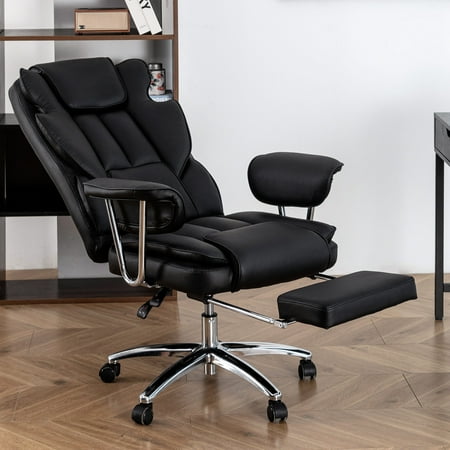
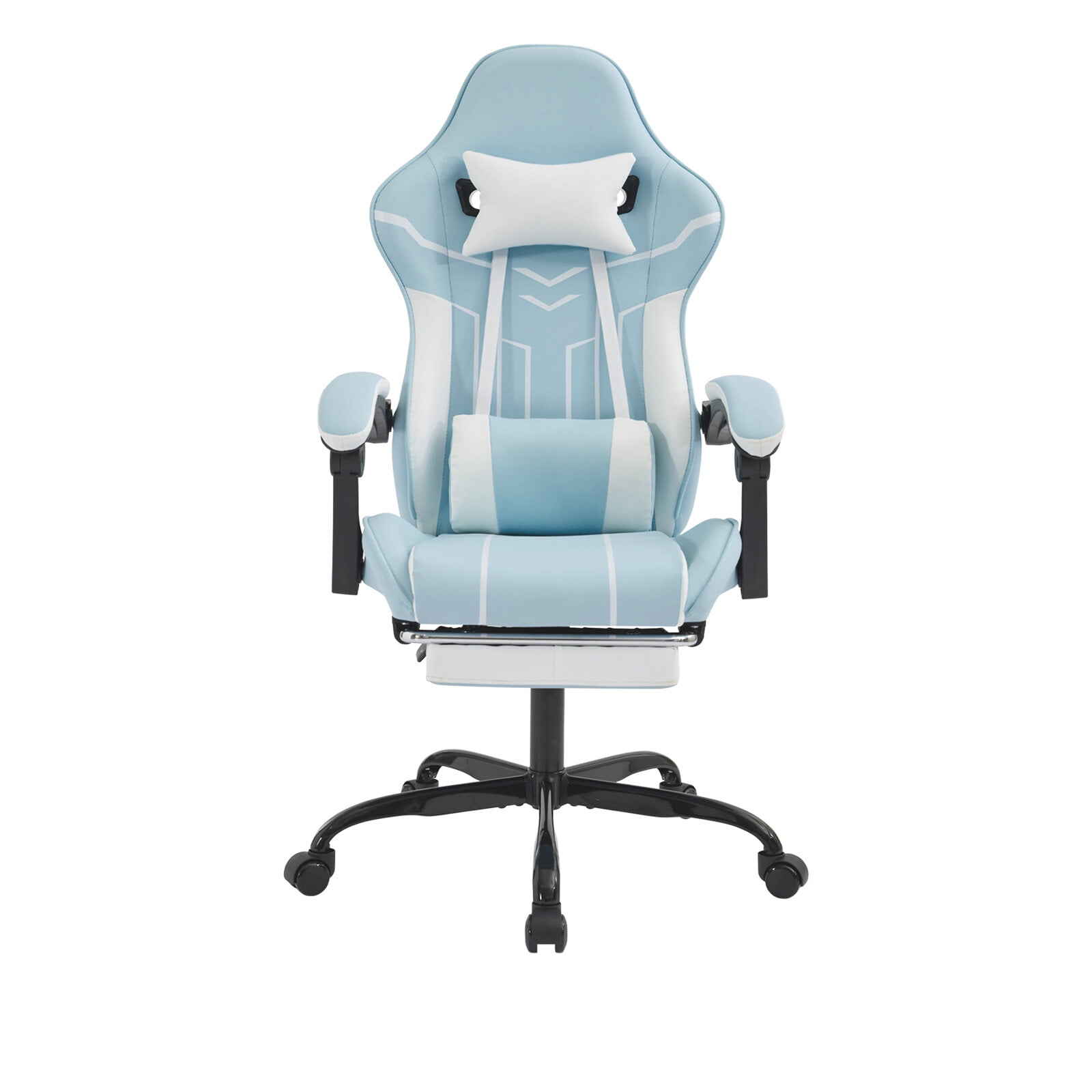
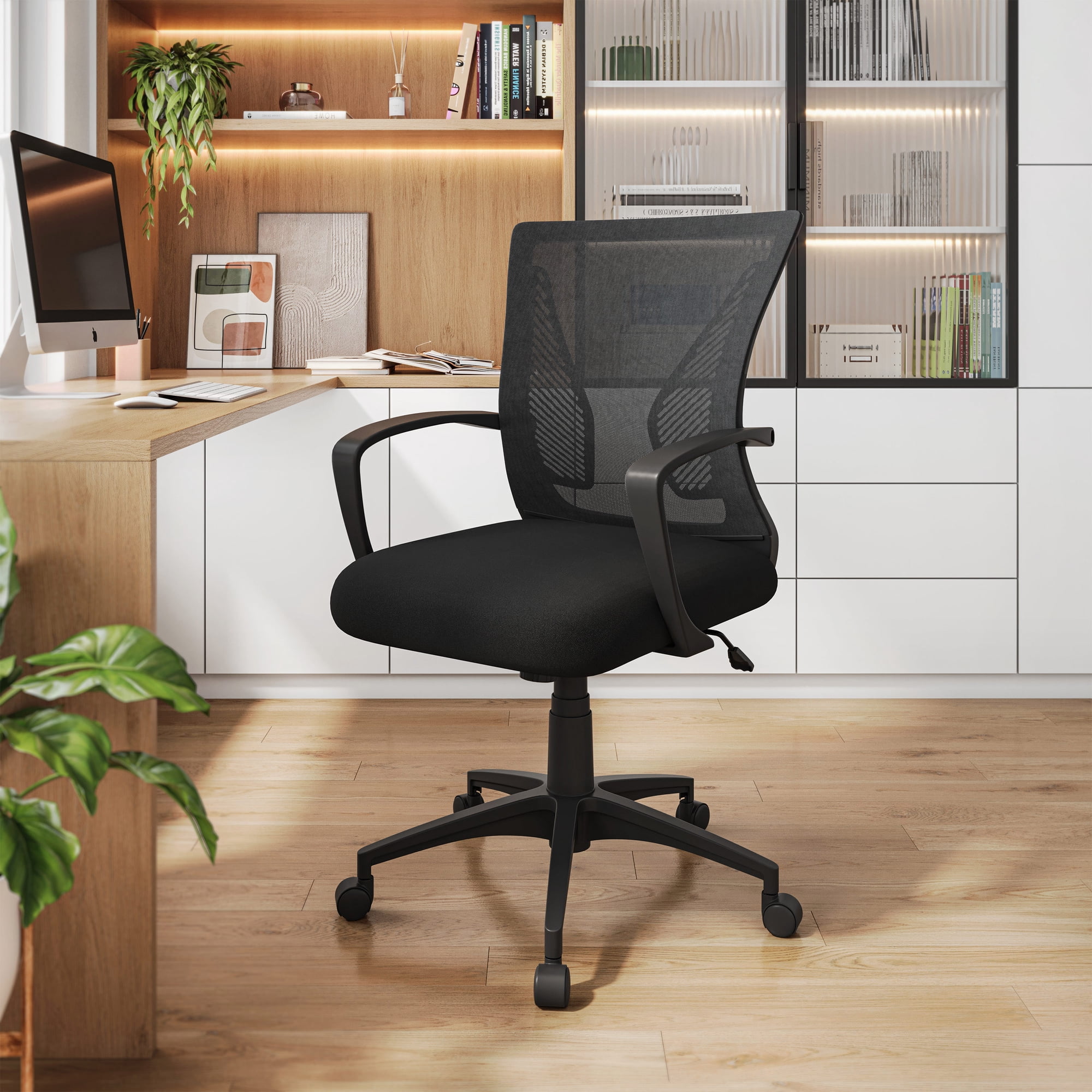
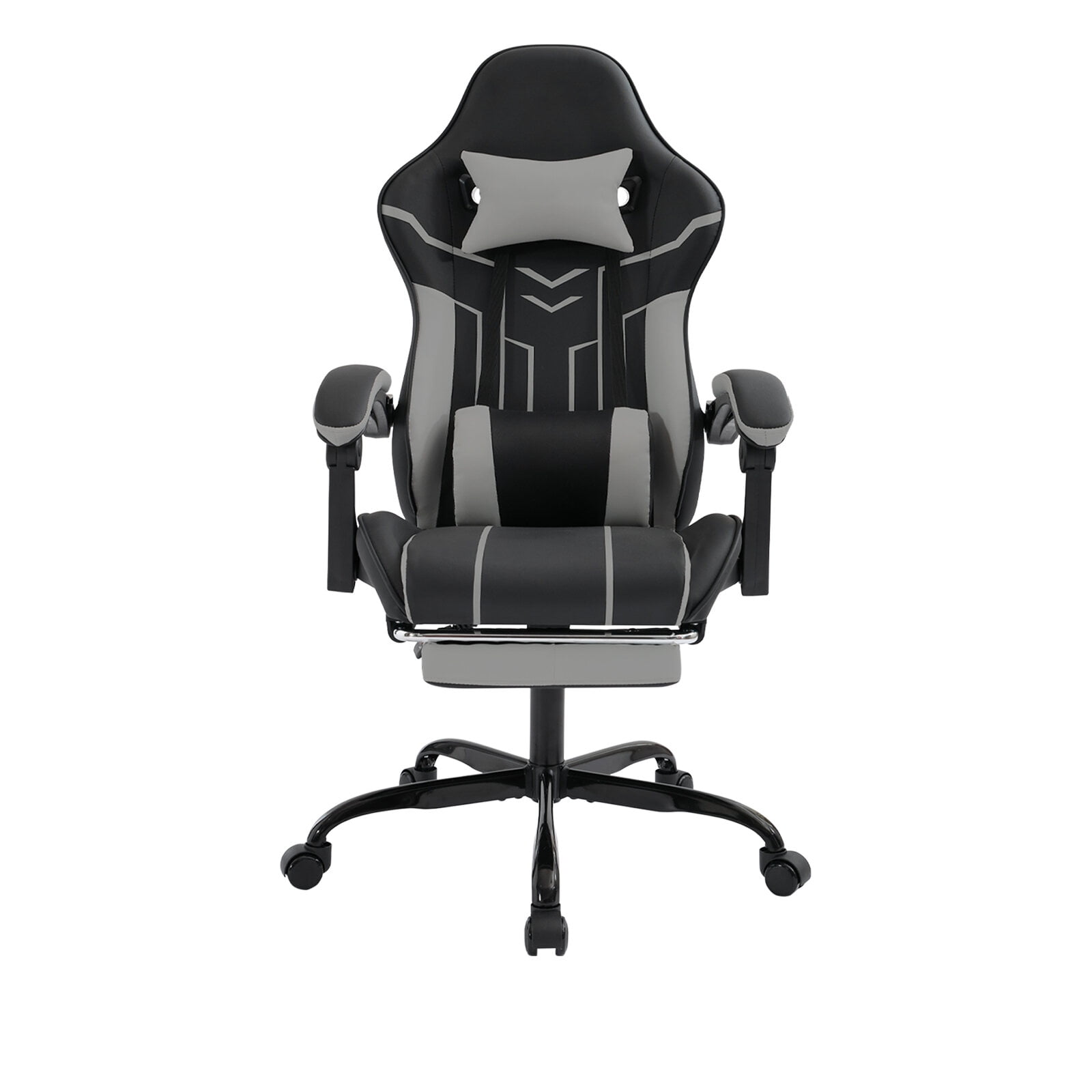
💡 The 'Sweet Spot' Strategy: Don't buy the absolute cheapest chair you can find. It will likely lack support and fall apart, costing you more in the long run (both in replacement cost and potential medical bills). Aim for the $150-$250 range. This is where manufacturers pack the most value, offering chairs that genuinely compete with models twice their price. The products you see in our grid above are prime examples of chairs in this very category.
Why Cheap Can Be Cheerful (And Healthy): The ROI of a Good Chair
Investing $200 in a proper ergonomic chair isn't an expense; it's a return on investment (ROI) for your body and your work. According to the American Chiropractic Association, back pain is one of the most common reasons for missed work and the single leading cause of disability worldwide. A study in the Journal of Occupational and Environmental Medicine found that providing ergonomic interventions, including chairs, can reduce the incidence of musculoskeletal disorders by up to 61%. That means fewer sick days, more focus, and lower healthcare costs.
Think of your chair as a piece of safety equipment, just like a hard hat on a construction site. You wouldn't buy a flimsy hard hat to save a few dollars, so why risk your spinal health on a chair that offers zero support? An affordable ergonomic office chair is the most effective safety gear for the modern knowledge worker. It's the foundation upon which your productive workday is built.
Frequently Asked Questions About Affordable Ergonomic Chairs
Conclusion: Your Health is Always Affordable
The search for an "affordable ergonomic office chair" is not a compromise. It's a smart, informed decision to prioritize your well-being without overspending. By focusing on critical features like adjustable lumbar support, breathable materials, and the right adjustments for your body, you can find a chair that will transform your workday. You'll sit with better posture, experience less fatigue, and protect your body for the future.
Remember the analogy of the reliable hatchback. It may not have all the luxury features, but its engine (your lumbar support) is strong, its seatbelts (your adjustments) are secure, and it will get you to your destination (a productive, pain-free workday) safely and reliably. Start your journey today by exploring the options in our product grid above. Your back—and your bank account—will thank you.