

The CEO Office Chair: Where Leadership Meets Ergonomic Science
For a Chief Executive Officer, every element of the office communicates a message. The desk, the artwork, the view—and undeniably, the chair. But a CEO office chair cannot merely be a symbol of status. It must also be a high-performance tool, engineered to support the intense cognitive demands and long hours at the helm. A recent study by the Society for Human Resource Management found that executives spend an average of 10.5 hours seated per workday, making the choice of seating a direct factor in long-term health and decision-making clarity.
The Leadership Paradigm: Think of your CEO chair as the cockpit of an aircraft. It’s not just about comfort; it's about having every adjustment at your fingertips—lumbar support, armrest positioning, recline tension—so you can focus entirely on navigating the business landscape without physical distraction.
The Anatomy of a CEO Chair: Beyond the Executive Label
While often used interchangeably, a "CEO chair" typically sits at the pinnacle of the executive chair category. It’s distinguished by a combination of design philosophy, material grade, and adjustment capabilities. Let's dissect the core components that define a true leader's seat.
1. The Command Presence: Design and Materials
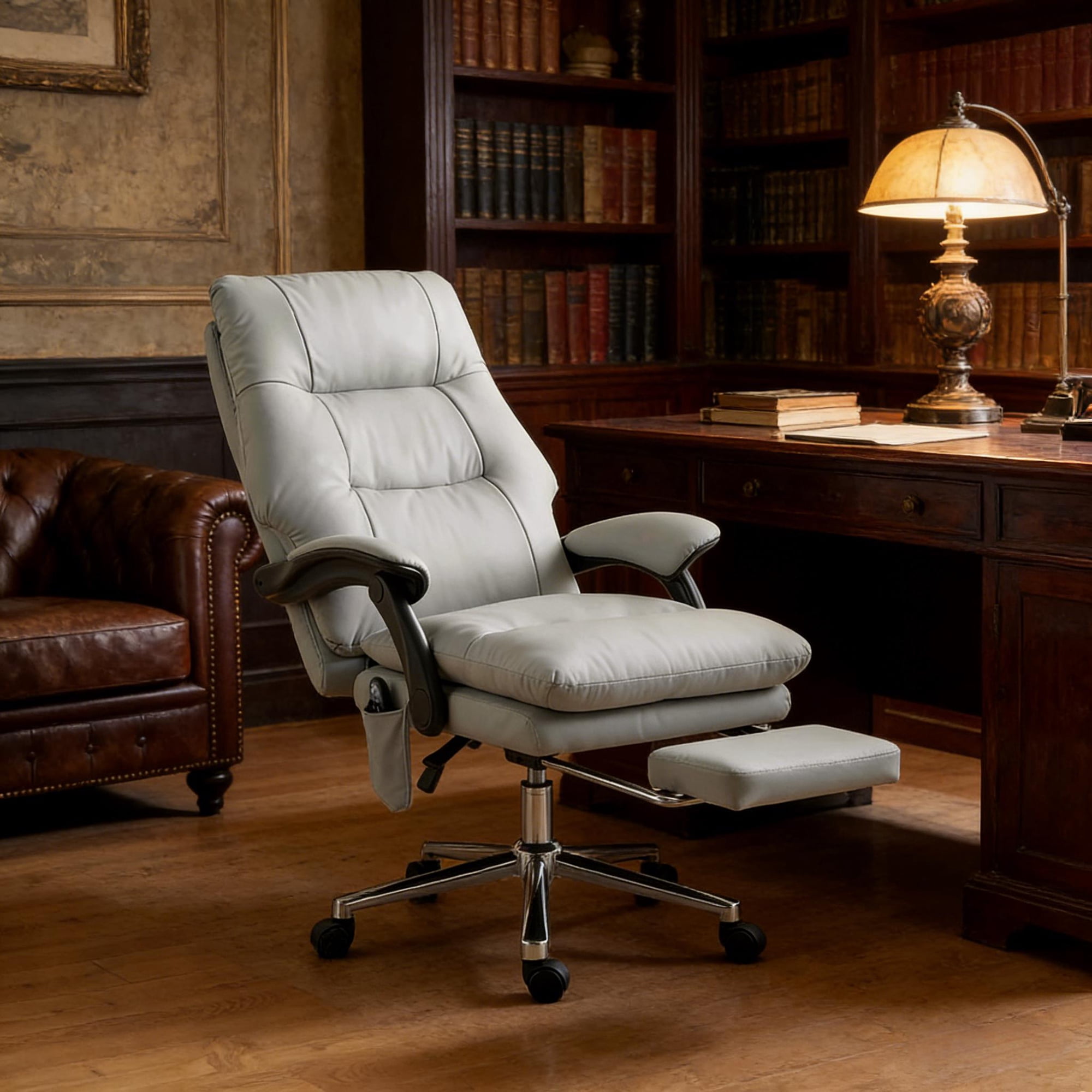
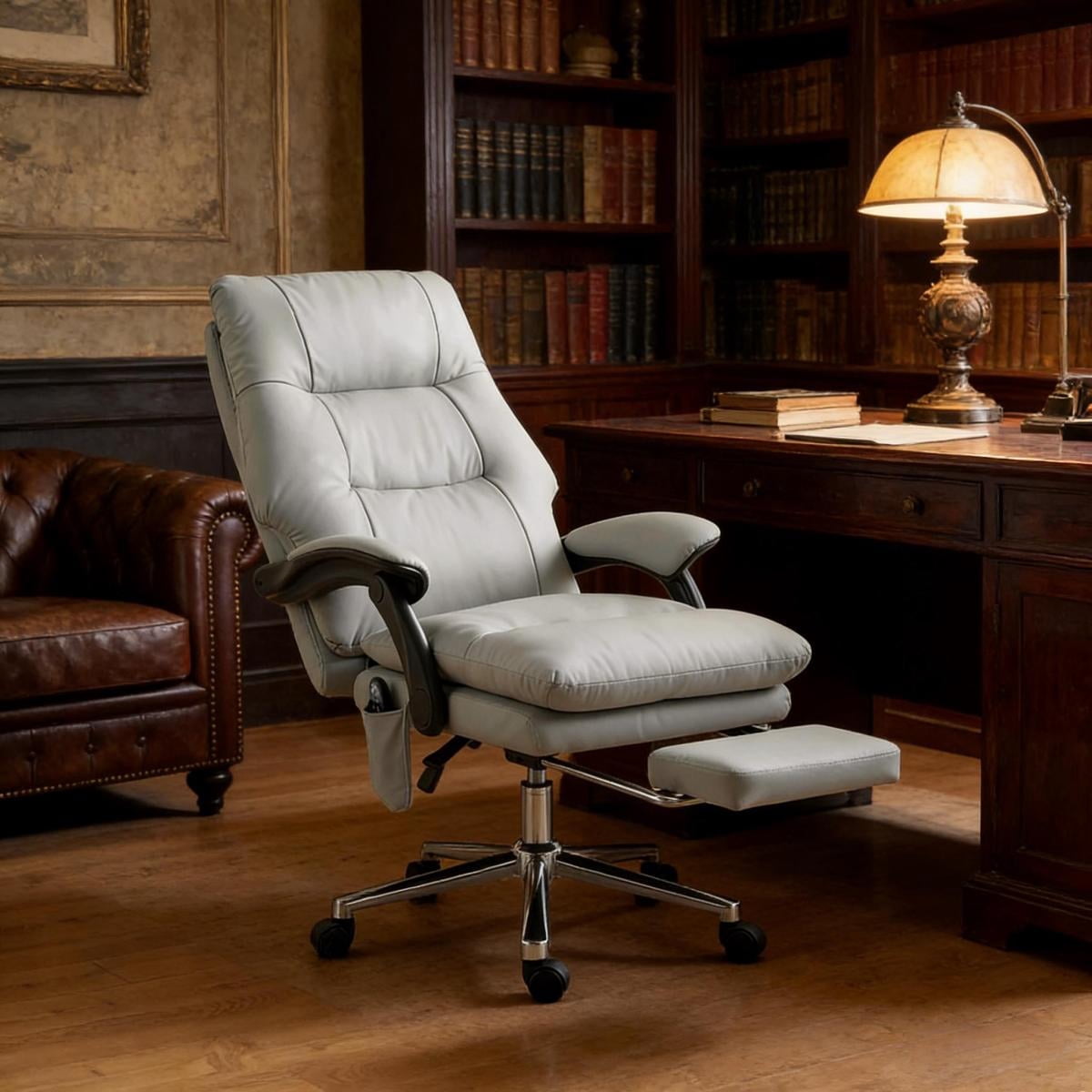
The visual impact is immediate. A CEO office chair often features a high-back design (typically 28 inches or taller) that provides head and neck support, creating a commanding silhouette. The materials are chosen for both aesthetics and tactile experience:
- Full-Grain or Top-Grain Leather: This is the gold standard. Unlike bonded leather, full-grain develops a unique patina over time, telling the story of your leadership journey. It’s breathable, durable, and projects an unmistakable air of quality.
- Precision Detailing: Look for features like diamond stitching, polished or brushed aluminum bases, and subtly embossed logos. These details signal a commitment to craftsmanship that mirrors a CEO's attention to detail in business.
- Color Palette: While classic black or brown leather dominates, modern CEO chairs are appearing in deep navy, charcoal grey, or even cognac, allowing for a personalized statement within a professional context.
2. The Science of Support: Ergonomic Imperatives for the Corner Office
The demands on a CEO's body are unique—long periods of intense focus punctuated by quick shifts to phone calls or impromptu meetings. The chair must facilitate this dynamic workflow.
Dynamic Lumbar Support
Static support is insufficient. A CEO chair should offer lumbar support that moves with you, often with both height and depth adjustability. This ensures the natural curve of your spine is supported whether you're leaning forward to read a report or reclining during a strategic think.
4D Articulating Armrests
Your arms shouldn't be an afterthought. Armrests that adjust up/down, left/right, forward/back, and pivot angle allow you to maintain a relaxed shoulder position, preventing tension that can cloud judgment. This is crucial for preventing the 'hunched shoulder' posture common in high-stress roles.
Synchronized Recline with Tilt Tension
A high-quality mechanism allows the seat and backrest to move in a synchronized, ergonomically correct ratio (often 2:1 or 3:1). This promotes movement and circulation throughout the day. Adjustable tilt tension lets you tailor the resistance to your body weight, so the recline feels intuitive, not flimsy or overly stiff.
Integrated Headrest
For moments of deep thought or phone conversations, a well-designed headrest is invaluable. It supports the cervical spine, reducing strain on the neck. The best headrests are adjustable in height and angle.
3. Durability and Construction: Built for the Long Tenure
A CEO chair is an investment, and its construction should reflect a long-term horizon. Key indicators of quality include:
- Heavy-Duty Base: A five-point base made of solid aluminum or reinforced steel, not plastic, ensures stability. Even if you don't require a high weight capacity, a robust base signals overall build quality.
- Class 4 or 5 Gas Lift: This is the piston that raises and lowers the chair. A Class 4 or 5 lift, certified by the BIFMA (Business and Institutional Furniture Manufacturers Association), guarantees smooth, reliable operation for years.
- High-Density Foam: The seat cushion should use high-density, cold-cure foam that retains its shape and resilience, preventing the "bottoming out" effect seen in lesser chairs after just a year of use.
Making the Right Choice: A 5-Step Framework for CEOs
Selecting a chair is a personal decision. Use this framework to navigate your options:
- Step 1: Audit Your Work Style: Do you spend more time on video calls, reading documents, or in deep analytical work? Your primary activity dictates priority features (e.g., headrest for calls, advanced lumbar for reading).
- Step 2: Measure Your Space and Body: Note your desk height, your own height, and weight. A chair should fit you, not the other way around. Measure the distance from the floor to your desk to ensure the chair's height range is compatible.
- Step 3: Prioritize Your 'Must-Haves': List the top three non-negotiable features. Is it leather material? 4D armrests? A specific weight capacity? This will help filter the market quickly.
- Step 4: Read Long-Term Reviews: Look beyond initial impressions. Search for reviews from users who have owned the chair for 6+ months. This reveals insights about foam durability, mechanism wear, and leather longevity.
- Step 5: Consider the Warranty as a Proxy for Quality: A company confident in its product will offer a substantial warranty. Look for at least 10 years on the frame and mechanism, and 3-5 years on upholstery and foam.
Frequently Asked Questions About CEO Office Chairs
Conclusion: The Chair as a Strategic Investment
The CEO office chair is a unique intersection of form and function. It is a daily investment in your physical well-being, your focus, and the professional image you cultivate. In a role where every decision matters, choosing a chair that supports your body and reflects your standing is not a luxury—it's a strategic decision. By prioritizing genuine ergonomic features, superior materials, and robust construction, you ensure that your workspace remains a source of strength and clarity for the duration of your tenure.
Your Final Checklist Before You Buy
- Material: Full-grain or top-grain leather for longevity and presence.
- Back Support: Multi-dimensional adjustable lumbar and an adjustable headrest.
- Armrests: 4D adjustability for personalized arm and shoulder support.
- Mechanism: Synchronized recline with adjustable tension for smooth movement.
- Base & Casters: Polished aluminum base with heavy-duty, floor-appropriate casters.
- Warranty: Minimum 10 years on frame/mechanism, 3+ years on upholstery.