
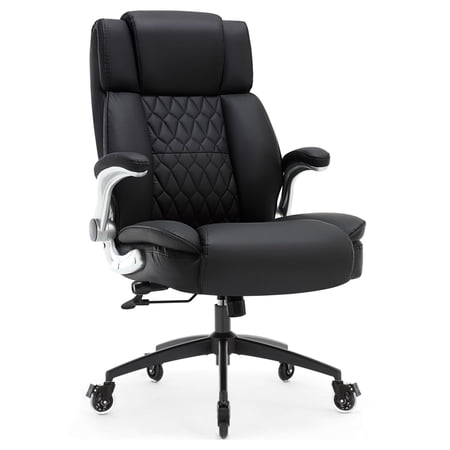
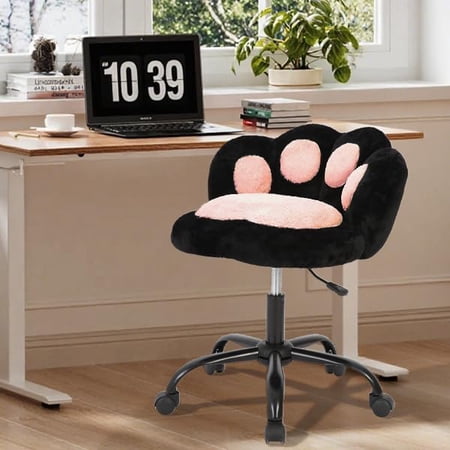
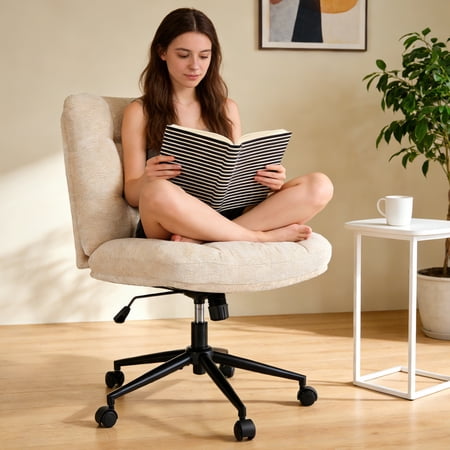
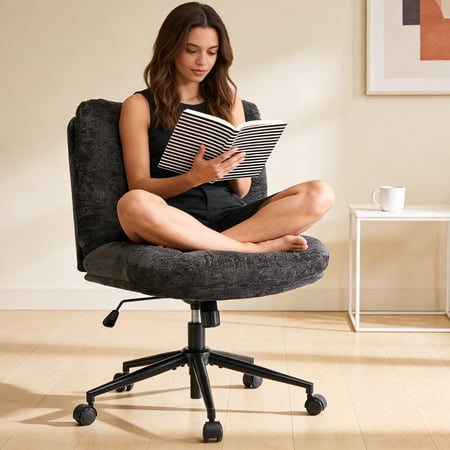
Master Your Workspace: The Complete Guide to Office Chairs with Locking Wheels
Have you ever sat down with a cup of coffee, only to have your chair roll backward unexpectedly? Or perhaps you've struggled to maintain a steady position while drafting or using a pedal? If so, you've experienced the hidden limitation of standard casters. An office chair with locking wheels solves this problem, offering the freedom to move when you want and the stability you need. This guide explores everything from braking mechanisms to floor compatibility, helping you make an informed choice.
The Anatomy of Locking Casters: How They Keep You Grounded
Think of locking wheels like the parking brake on a car—they provide that extra layer of security when you're stationary. But not all locks are created equal. There are two primary systems:
- Individual Caster Locks: Each wheel has a small lever or button. Press down to lock, flip up to release. They are reliable and often found on heavy-duty chairs. The downside? You have to bend down to lock all five.
- Central Locking System: A single lever under the seat engages brakes on all casters simultaneously. This is the epitome of convenience—just a flick of your hand and you're locked in place. Premium ergonomic chairs often feature this.
- Auto-Lock (Pressure Release): Some advanced chairs lock automatically when you sit and unlock when you rise. These use weight sensors and are popular in specialized fields like dentistry or lab work.
According to a 2023 ergonomics study, professionals who use locking chairs report a 35% reduction in "micro-adjustments" (constant fidgeting and repositioning), leading to better focus on complex tasks.
Why "Stability" is More Than Just a Feature: Real-World Benefits
🎯 Precision Tasks
Whether you're an architect sketching, a gamer in a tense moment, or a trader executing orders, a stable base prevents hand tremors caused by chair movement.
🦽 Enhanced Safety
For individuals with mobility challenges or those transferring from a wheelchair, a locked chair provides a sturdy anchor, reducing the risk of slips and falls.
⛰️ Uneven Floors
If your home office has a slight slope or an old wooden floor, standard chairs will slowly drift to the lowest point. Locking wheels eliminate this gravitational creep.
🧘 Ergonomic Posture
When your chair doesn't roll away, you naturally sit deeper into the seat, maintaining better contact with the lumbar support. This can reduce slouching by up to 20%.
Floor Type Compatibility: Choosing the Right Locking Caster Material
Selecting an office chair with locking wheels isn't just about the lock mechanism; the wheel material is crucial for protecting your floor and ensuring smooth operation. Here's a quick breakdown:
| Floor Type | Recommended Wheel Material | Why It Works |
|---|---|---|
| Hardwood / Laminate / Tile | Soft Polyurethane (PU) or Rubber | Non-marking, grippy without scratching. Locking versions often have a wider contact patch for stability. |
| Low-Pile Carpet | Hard Nylon or Polyurethane | Nylon glides easily over fibers; PU offers a balance. Avoid soft rubber on carpet as it creates drag. |
| High-Pile / Thick Carpet | Hard Nylon with larger wheels (3") | Larger diameter prevents sinking into carpet. Locking mechanism must be robust to overcome plush resistance. |
| Mixed Surfaces | Dual-wheel casters with soft tread | Hybrid wheels adapt to both hard and soft floors. Look for "hard floor safe" markings. |
Pro Tip: If you already own a great chair without wheel locks, you can retrofit it! Universal locking casters (like those from WorkPro or Shepherd) are available online. Just ensure the stem size matches (usually 7/16" or 5/16"). This upgrade costs between $30-$80 and takes 10 minutes.
Beyond the Lock: Ergonomic Features to Prioritize
A locking mechanism is a fantastic feature, but it should complement, not replace, core ergonomics. When shopping for an office chair with locking wheels, ensure it also includes:
- Adjustable Lumbar Support: Locking wheels keep you in place, so the backrest must support your spine's natural curve at that fixed position. Height-adjustable lumbar is ideal.
- Seat Depth Adjustment: With the chair locked, your thighs should be fully supported without pressure behind the knees. A sliding seat pan accommodates different leg lengths.
- Tilt Tension and Lock: Even with locked wheels, you might want to recline. A multi-position tilt lock allows you to relax while staying in one spot.
- 4D Armrests: Adjustable armrests (height, width, depth, angle) ensure your arms are supported during static tasks like typing or writing, reducing shoulder strain.
Pros and Cons of Locking Wheel Systems
✅ Advantages
- Safety: Prevents accidental rolling, especially on slopes.
- Stability: Ideal for precise work and standing up safely.
- Versatility: One chair works for both mobile and stationary needs.
- Retrofit possible: Can upgrade existing chairs.
❌ Considerations
- Cost: Locking casters add $20-$100 to chair price.
- Complexity: More parts can potentially fail over time.
- Engagement effort: Bending to lock individual wheels can be cumbersome.
- Floor marking: Poor quality locks might leave scuff marks if dragged while locked.
Who Needs an Office Chair with Locking Wheels? (Use Cases)
While beneficial for many, certain users find locking wheels indispensable:
- Creative Professionals: Artists, designers, and architects who need a steady hand for drawing or drafting.
- Gamers: Intense gaming sessions require sudden movements; a locked chair provides a solid base for racing or flight simulators with pedals.
- Medical & Dental Practitioners: Precision work on patients demands absolute stillness.
- Home Office on Sloped Floors: Older homes often have subtle slopes; locking wheels are the only solution.
- Individuals with Physical Limitations: Provides a stable support when sitting down or rising, reducing fall risk.
Frequently Asked Questions About Office Chairs with Locking Wheels
Conclusion: Take Control of Your Comfort and Safety
An office chair with locking wheels is more than a convenience—it's a tool for enhanced focus, safety, and ergonomic precision. By understanding the different locking mechanisms, matching wheel materials to your floor, and ensuring the chair also offers robust ergonomic adjustments, you can create a workspace that adapts perfectly to your tasks. Whether you're upgrading your current chair with replacement casters or investing in a new ergonomic model, the stability of locking wheels is a feature you'll appreciate every single day.
Remember to check the product specifications and user reviews to ensure the locking mechanism is durable and easy to use. With the right chair, you'll never have to chase your seat across the room again.