
The Ultimate Guide to 750 lb Capacity Office Chairs: Heavy-Duty Meets Ergonomics
If you're searching for a 750 lb capacity office chair, you likely know that standard seating simply won't cut it. Whether you're a big & tall executive, someone who values furniture that feels like a tank, or you need a bariatric-rated chair for health and safety, the market offers specialized solutions. A chair rated for 750 lbs isn't just about size—it's about engineering, material science, and long-term durability. In this guide, we'll break down what makes these chairs different, who needs them, and how to choose one that supports your body and your work style.
Safety First: The Occupational Safety and Health Administration (OSHA) doesn't set specific weight limits for chairs, but the Business and Institutional Furniture Manufacturers Association (BIFMA) standards suggest that standard chairs tested to 225 lbs may fail under higher loads. A 750 lb capacity chair is typically tested to 2.5 times that, often undergoing static and impact tests exceeding 2,000 lbs to ensure no catastrophic failure.
Who Exactly Needs a 750 lb Weight Capacity?
While the number "750 lbs" might seem extreme, it provides a massive safety margin. Here's who benefits most:
- Bariatric users (typically 400+ lbs) who require certified heavy-duty seating to prevent accidents.
- Very tall and heavy individuals (6'4"+, 350+ lbs) who need extra width and reinforced frames to prevent leaning and wobbling.
- Industrial or home office users who want a chair that will survive a decade of daily use without the gas lift failing or the base cracking.
- Those who prefer "overbuilt" furniture for peace of mind and longevity, even if they weigh less.
Anatomy of a 750 lb Capacity Chair: What's Inside?
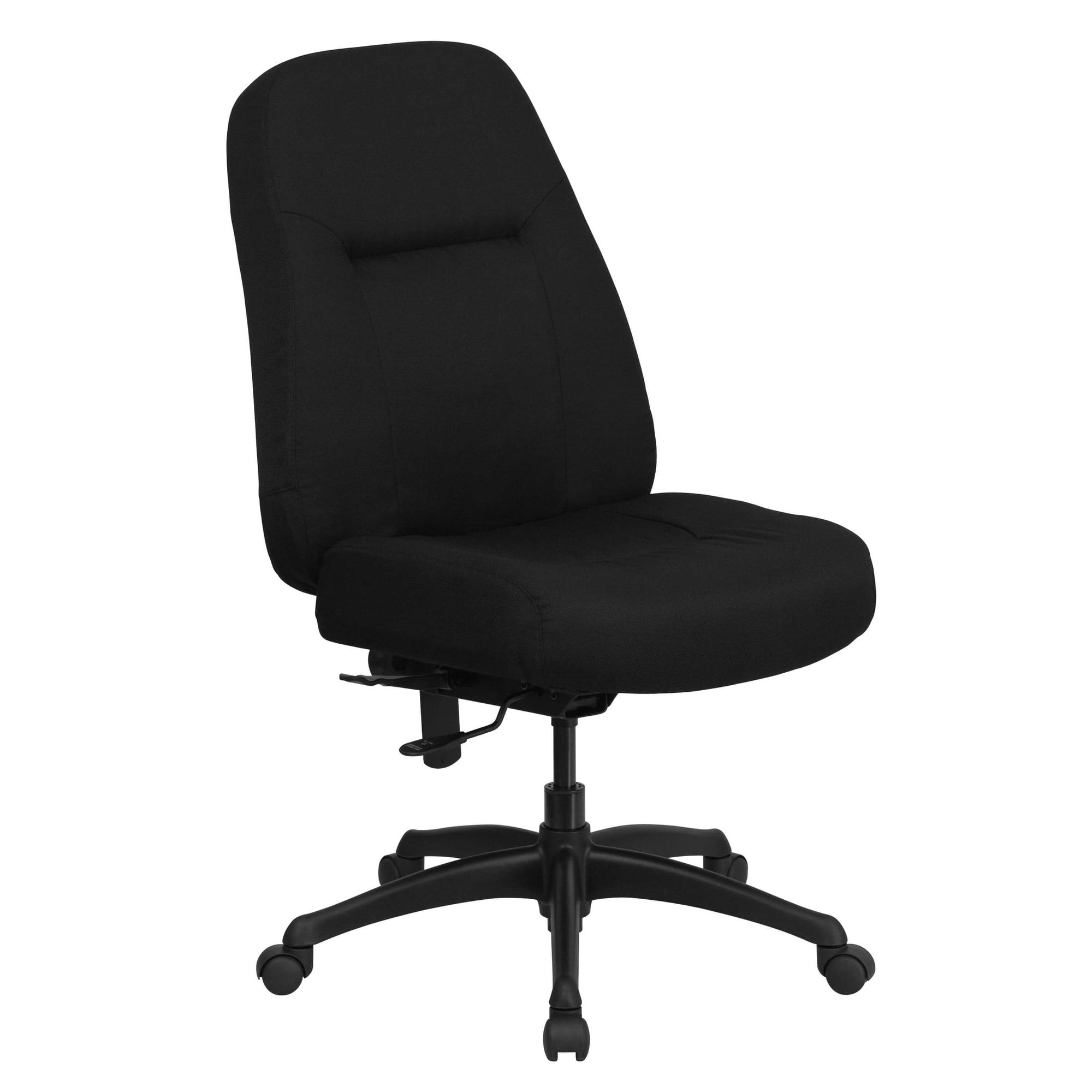
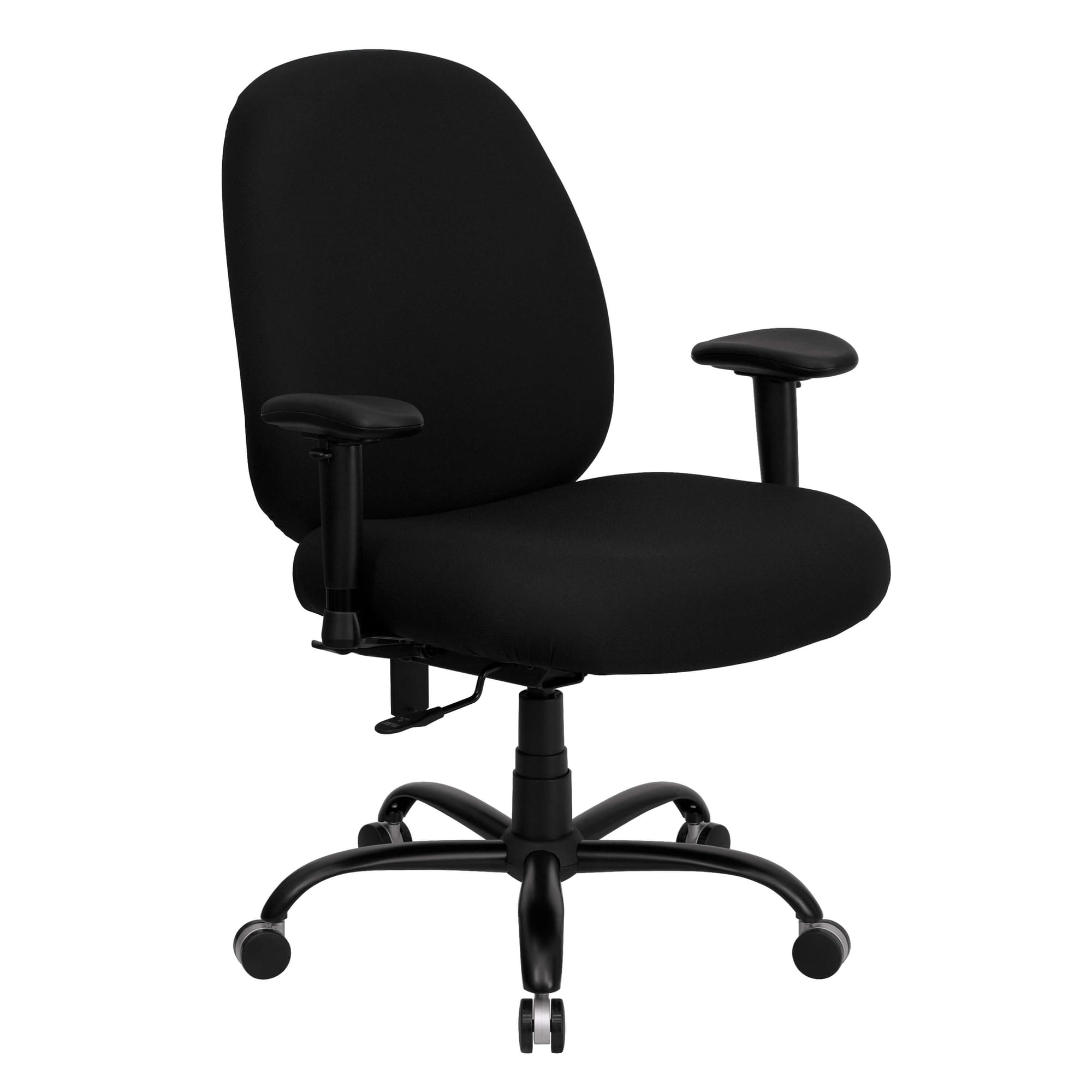
A chair that supports three-quarters of a ton doesn't happen by accident. Here are the critical components that set them apart from regular office chairs:
| Component | Standard Chair (250-300 lb capacity) | 750 lb Capacity Chair |
|---|---|---|
| Frame Material | Thin-walled steel or aluminum tubing (1-1.5mm) | Reinforced 14-gauge steel (2mm+) or heavy-duty welded steel plate |
| Gas Lift (Pneumatic Cylinder) | Class 2 or 3 (rated up to 250-300 lbs) | Class 5 or industrial-class (tested to 750+ lbs, 4" diameter piston) |
| Base (Wheelbase) | Nylon or thin aluminum (22-26" span) | Heavy-gauge steel or reinforced aluminum alloy (28-30" span for stability) |
| Casters (Wheels) | Standard 2" nylon or plastic | Dual-wheel or 3"+ hardened steel core casters, rated for heavy loads |
| Seat Pan Construction | Plywood or thin plastic shell | Multi-layer plywood + steel plate + high-density foam (2.5"+ thick) |
Pros and Cons of Ultra-High Capacity Chairs
✅ Advantages
- Unmatched longevity: Components rarely fail under normal use.
- Safety assurance: No fear of sudden collapse.
- Extra wide seating: Typically 28-32 inches wide, ideal for larger body types.
- Stability: Wider base prevents tipping.
- Higher resale value: Commercial-grade chairs hold up.
⚠️ Disadvantages
- Higher cost: Premium materials mean higher price ($500-$1,200+).
- Heavier weight: Chair itself can weigh 70-100 lbs, difficult to move.
- Larger footprint: Needs more floor space.
- Limited style options: Fewer colors/models than standard chairs.
- Stiffer cushion: High-density foam may feel firm initially.
Ergonomics Still Matter: Features to Look For
Weight capacity is just the starting point. For all-day comfort, especially for heavier users, ergonomic adjustability is crucial. A 750 lb chair that doesn't fit your body can cause back pain and fatigue. Prioritize these features:
- Adjustable Lumbar Support: Look for both height and depth adjustment. Many heavy-duty chairs now include built-in lumbar that can be dialed in.
- Seat Depth Adjustment (Slider): Essential for proper thigh support. The seat pan should move forward/backward so you have 2-4 finger width between the back of your knee and the seat edge.
- 4D Armrests: Adjustable height, width, depth, and pivot. This prevents shoulder strain and supports varied tasks.
- Tilt Mechanism with Lock: A synchronous or multi-function tilt allows you to recline while keeping your feet flat. Weight-activated tension is important—the mechanism must be strong enough to support a 750 lb user without being too stiff for lighter users.
- Headrest: For tall users (over 6'2"), a height-adjustable headrest is vital for neck support.
Real-World Testing: What 750 lbs Feels Like
Imagine placing three 250-pound refrigerators on a single chair—that's the static load these chairs endure during certification. In practice, a well-designed 750 lb chair will feel solid as a rock. There should be no side-to-side wobble when you shift your weight. The recline mechanism should operate smoothly without jerking. When you lean back, the chair should support you, not feel like it's about to tip. Many users report that after sitting in a true heavy-duty chair, standard models feel flimsy and unstable.
Upholstery Choices for Heavy-Duty Chairs
The covering material must withstand constant friction and pressure. Here's how they stack up for 750 lb applications:
- Commercial-grade bonded leather: Most common. Durable, easy to clean, but may show wear after 5-7 years. Look for thickness of at least 1.2mm.
- Heavy-duty fabric (nylon/polyester blend): Often rated for double rubs (high abrasion resistance). More breathable than leather, but can stain easier.
- Premium mesh: Used in some heavy-duty task chairs. Must have reinforced borders to prevent sagging. Excellent breathability for hot climates.
- Faux leather (PU): Avoid thin PU (<1mm) as it tends to peel under heavy use. High-grade PU (used in automotive) can work but is rare in this category.
Whichever material you choose, ensure the foam beneath is high-resilience (HR) foam with a density of at least 2.5 lbs per cubic foot. Softer foams will bottom out and cause discomfort.
Market Insight: According to industry data, the demand for chairs rated over 500 lbs has grown by 34% in the last five years. This is driven by an aging workforce, increased awareness of ergonomic health, and a cultural shift toward inclusive office design. Yet, only about 15% of office chairs on the market are tested above 400 lbs, making the 750 lb category a niche but vital segment.
How to Extend the Life of Your 750 lb Chair
Even a tank needs maintenance. Follow these tips:
- Check casters monthly: Heavy loads can flatten casters. Clean hair and debris from wheel axles.
- Retighten bolts: After 6 months, check all armrest and mechanism bolts; vibration can loosen them.
- Use on hard floors or heavy-duty mats: Soft casters on carpet can strain the base. Use a chair mat rated for heavy loads.
- Condition leather (if applicable): Every 6 months to prevent drying and cracking.
- Avoid leaning on armrests to stand up: This puts lateral stress on the mechanism. Use the chair arms only for arm support, not as a crutch.
Frequently Asked Questions: 750 lb Capacity Office Chairs
Conclusion: Investing in Strength and Comfort
A 750 lb capacity office chair is more than just a piece of furniture; it's a long-term investment in your safety, comfort, and productivity. The engineering that goes into these chairs—from Class 5 gas lifts to reinforced steel frames—ensures that they remain reliable for a decade or more. While the initial cost is higher than standard seating, the cost per year of use often makes them more economical than replacing a standard chair every two years.
When shopping, don't just look at the weight number. Combine it with ergonomic features that fit your body. Test the adjustability, check the warranty (aim for 5-10 years on mechanism), and read reviews from users of similar stature. A well-chosen heavy-duty chair will support not just your weight, but your work, for years to come.
Browse the curated selection of top-rated 750 lb capacity chairs above, and take the next step toward a seating solution that truly supports you.