
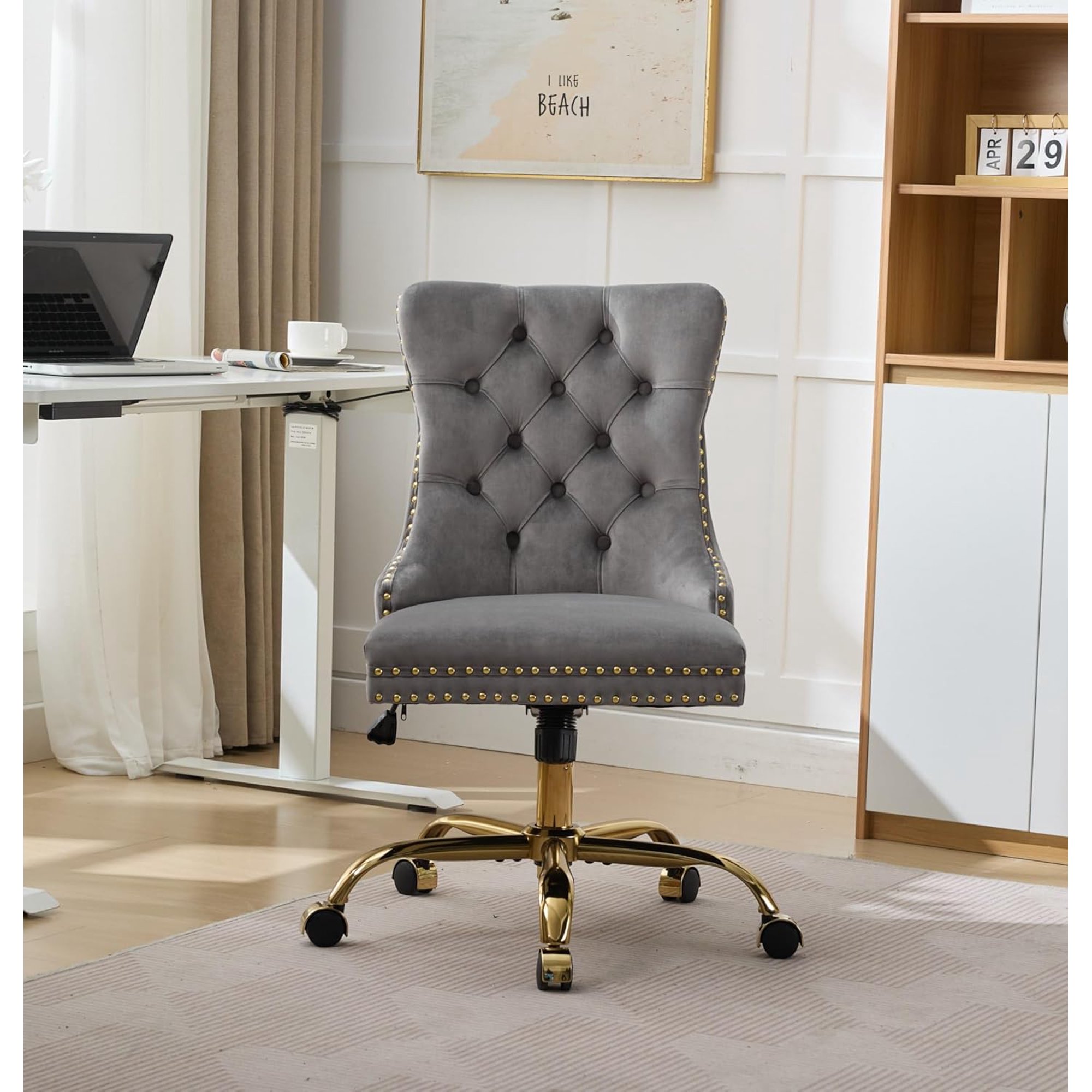
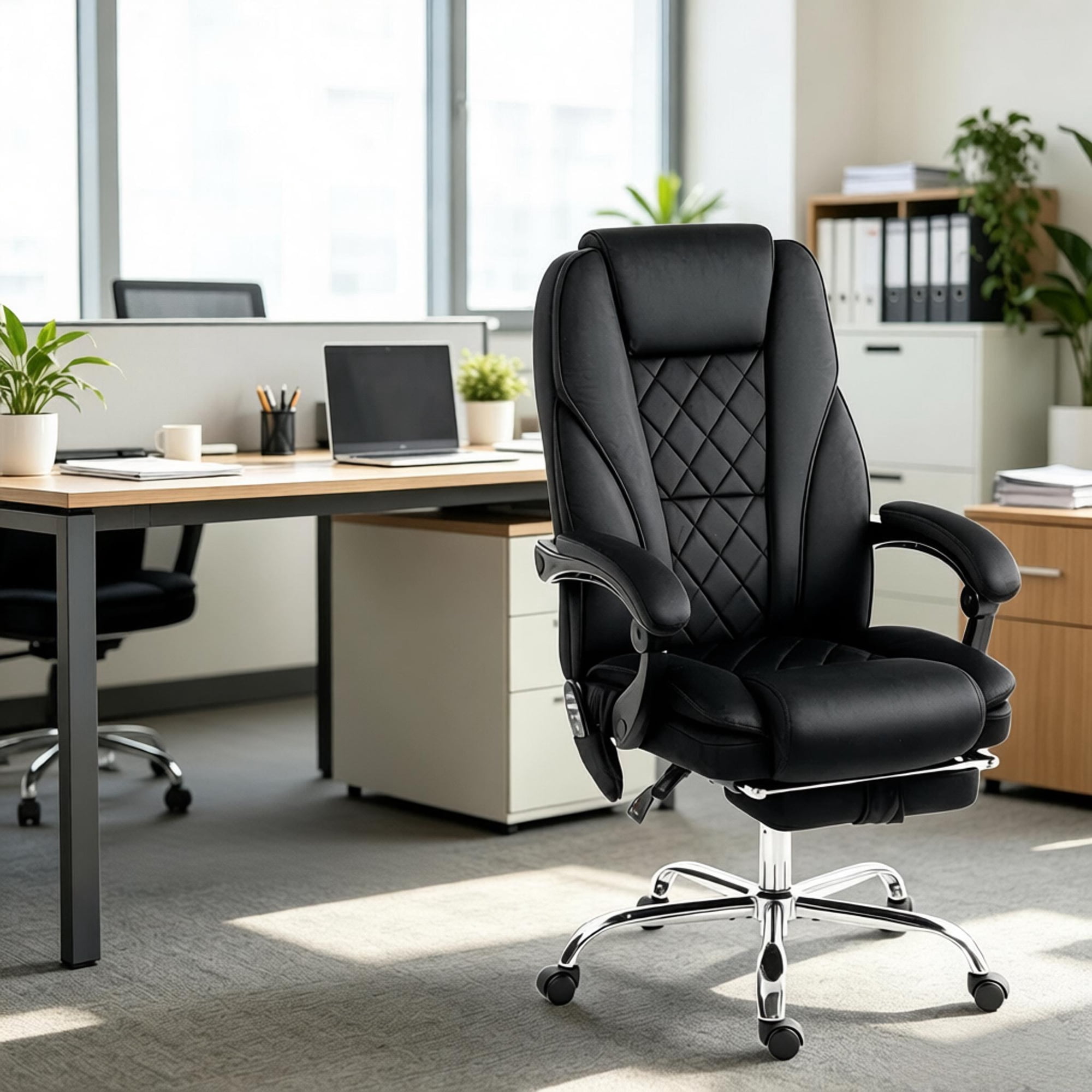
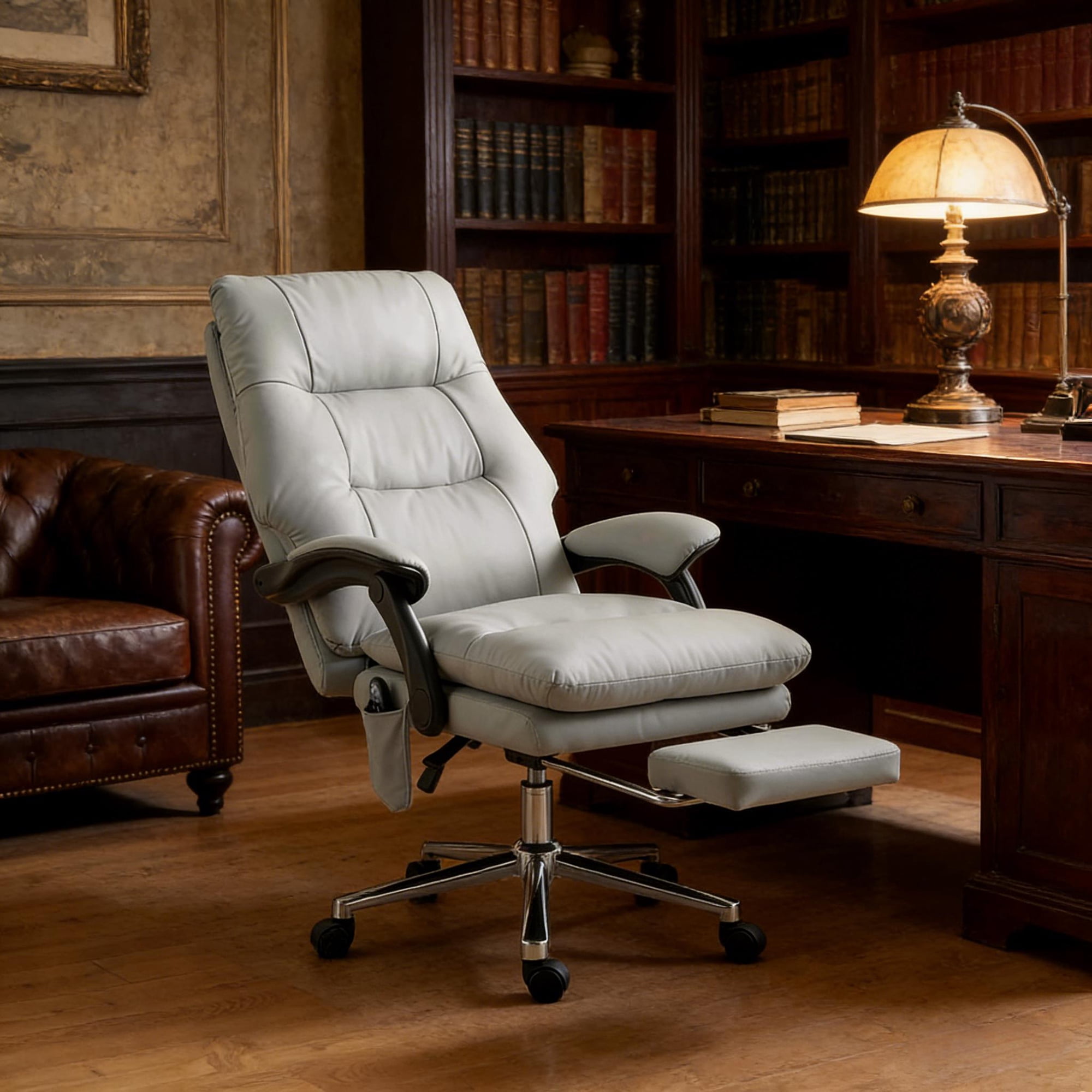
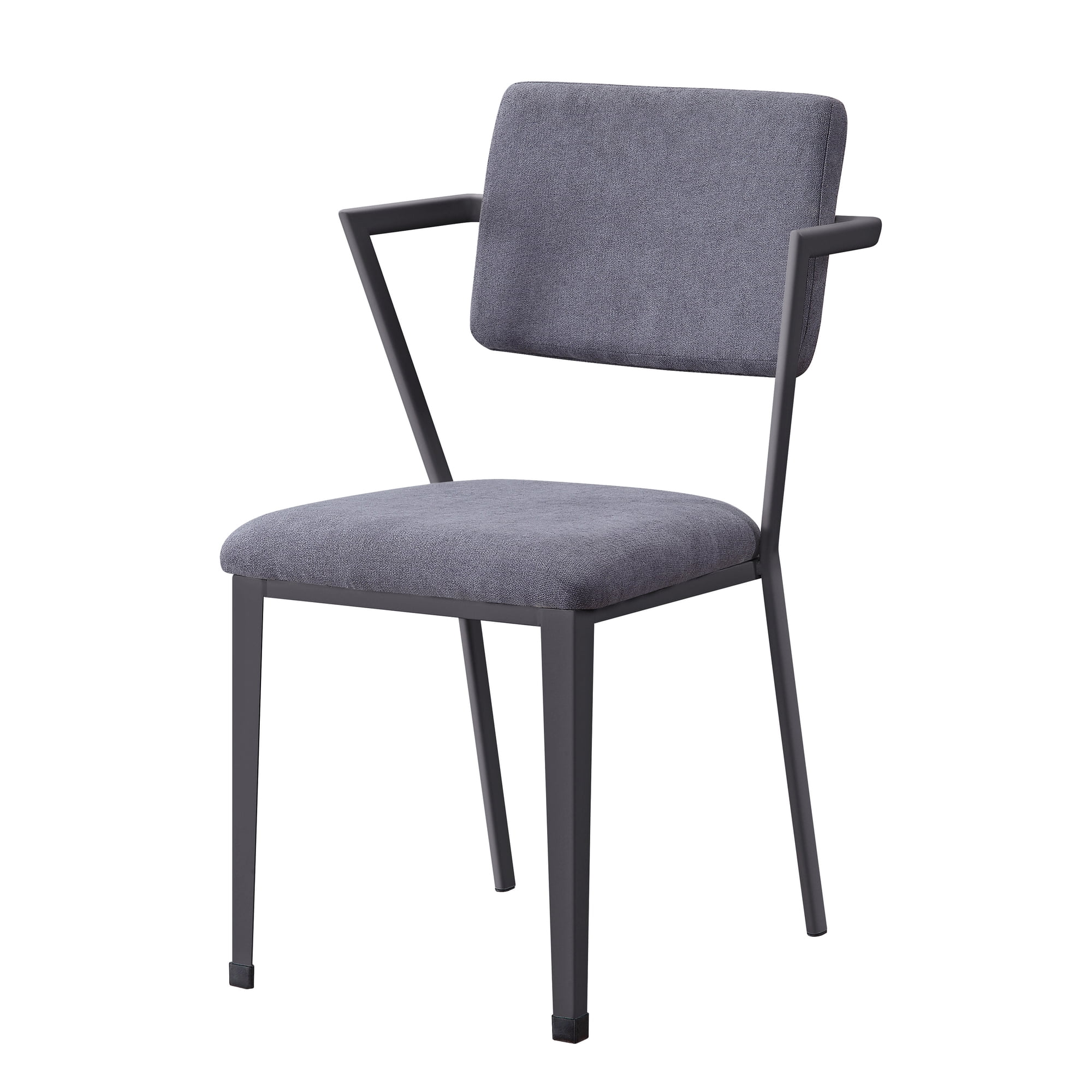
Why Your Kitchen Needs a Dedicated "Kitchen Office Chair"
The lines between living, dining, and working have never been blurrier. If you've ever answered emails while eating cereal or attended a Zoom call from your kitchen table, you've likely felt the discomfort of using a static wooden chair for a two-hour meeting. Enter the kitchen office chair — a category born from the modern hybrid lifestyle. It's not just a chair; it's a bridge between the warmth of your home and the productivity demands of your job.
According to a 2023 report by the Home Office Institute, 68% of hybrid workers admit to working from their kitchen table at least twice a week. Yet most kitchens are furnished with dining chairs designed for meals, not marathons of typing. A kitchen office chair solves this by offering adjustable height, lumbar contouring, and wheels or glides suitable for kitchen floors — all while maintaining a design that doesn't scream "corporate cubicle." Think of it as the Swiss Army knife of home seating.
1. Material Matters: Choosing the Right Upholstery for Kitchen Conditions
Unlike a dedicated home office, the kitchen is a high-traffic, high-moisture environment. Spills, crumbs, and fluctuating temperatures are part of daily life. Your choice of material directly impacts the chair's lifespan and maintenance.
Leather and Faux Leather: The Easy-Clean Champions
Full-grain leather offers a luxurious feel and wipes clean effortlessly, but it's an investment. For kitchens, top-grain leather or high-quality PU (polyurethane) leather strike a balance between elegance and practicality. A quick wipe with a damp cloth removes coffee spills or jam fingerprints. However, avoid direct sunlight, which can cause fading or cracking over time.
Performance Fabric: Stain-Resistant and Breathable
Modern performance fabrics (like olefin or solution-dyed polyester) are engineered to resist stains and fading. They offer the softness of fabric without the worry. Many have a tight weave that prevents liquid from penetrating immediately, giving you time to blot. If you have kids or pets, this is often your safest bet. Look for brands that mention "Crypton" or "stain-resistant" in the specs.
Wood and Metal Accents: Aesthetic with Durability
A kitchen office chair often features wooden armrests or a metal base. Wood adds warmth but may require occasional polishing. Powder-coated metal bases resist rust and scuffs, crucial for kitchens with tile or stone floors. Ensure casters are rated for hard floors if you have ceramic or hardwood — soft rubber casters prevent scratching.
✓ Best Materials for Kitchens
- PU / Bonded Leather: Budget-friendly, easy to clean, modern look.
- Performance Fabric: Breathable, stain-resistant, cozy feel.
- Wood (oak/walnut): Classic aesthetic, durable with care.
- Mesh (accent only): Often on backrest for breathability.
✗ Materials to Approach with Caution
- Unfinished Wood: Prone to staining from food/oils.
- Raw Metal: Can rust in humid kitchens.
- Light-colored velvet: High maintenance, shows every spot.
- Thin faux leather: May peel after a few months near heat.
2. Ergonomic Considerations for the Kitchen Workspace
Kitchen tables are typically 28 to 30 inches high — slightly lower than a standard office desk (29-30 inches). This means your kitchen office chair needs a specific seat height range (usually 17 to 21 inches from floor to seat) to allow your feet to rest flat. If the chair is too high, you'll slouch; too low, and your knees will rise uncomfortably.
Seat Depth and Backrest Support
Unlike dining chairs that encourage an upright posture, a kitchen office chair should offer some backrest curvature. Look for models with a slight recline or a built-in lumbar curve. Since you might sit for 1-4 hours at a stretch, a seat depth of at least 18 inches accommodates most body types. If you're shorter, a chair with a seat slider or a good lumbar pad can prevent pressure behind the knees.
Armrests: To Have or Not to Have?
Armrests can be a double-edged sword in a kitchen. They provide shoulder relief during typing but may prevent the chair from sliding completely under the table. Flip-up or adjustable armrests are the goldilocks solution: up for dining and sliding under, down for working. If you choose armless, ensure the chair's height still allows your elbows to rest at a 90-degree angle relative to the table surface.
Ergonomics Shortcut: When seated, your thighs should be parallel to the floor, with your lower back supported. There should be 2-3 finger widths of space between the back of your knee and the seat edge. This principle applies whether you're in a home office or kitchen.
3. Mobility & Floor Protection: Casters, Glides, and Mats
Kitchen floors vary: tile, hardwood, laminate, or vinyl. The wrong wheels can damage surfaces or make the chair difficult to move.
- Hardwood/Tile/Laminate: Choose soft rubber casters (often labeled "hard floor casters"). They roll smoothly without scratching. Some chairs come with locking casters if you prefer stability while dining.
- Area Rugs: If your kitchen table sits on a rug, you'll need casters designed for carpets, or a chair mat. A transparent chair mat protects both the rug and allows easy rolling.
- Glides (non-wheel): Some kitchen office chairs use stationary glides (felt or plastic) for a more dining-chair feel. This sacrifices mobility but can be ideal if you rarely move the chair while working.
Pro tip: If your kitchen floor is uneven (old homes), a five-star base with dual-wheel casters provides better stability than a four-legged chair.
4. Space-Saving Design & Aesthetics
A kitchen office chair should complement your decor, not dominate it. Manufacturers now offer slim profiles, mid-century modern legs, and upholstery in neutral tones like gray, beige, or navy that blend with cabinets. Some even feature a slight "waterfall" front edge to reduce pressure on thighs without adding bulk. For tiny apartments, consider a chair that can be tucked completely under the table — measure the table's apron clearance first.
5. Weight Capacity & Durability for Daily Use
If you plan to use the chair 5+ hours daily, don't treat it as a light-duty dining chair. Look for a weight capacity of at least 250-300 lbs, a gas lift mechanism from a reputable brand (Class 3 or 4), and a warranty of at least 2-3 years. Heavier individuals should seek "big and tall" rated kitchen office chairs, which often have wider seats and reinforced bases.
Frequently Asked Questions About Kitchen Office Chairs
Conclusion: Choose the Chair That Bridges Home & Work
The perfect kitchen office chair is one you forget about — meaning it fits so well that you can focus on your breakfast or your deadlines without discomfort. It's a piece of furniture that respects your home's aesthetic while quietly supporting your body. Whether you prioritize easy-clean leather, a compact silhouette, or heavy-duty mechanics, there's a hybrid chair designed for your unique space. Remember to measure your table height, consider your flooring, and think about how many hours you'll truly spend in it. A thoughtful choice today will pay dividends in comfort and style for years.