
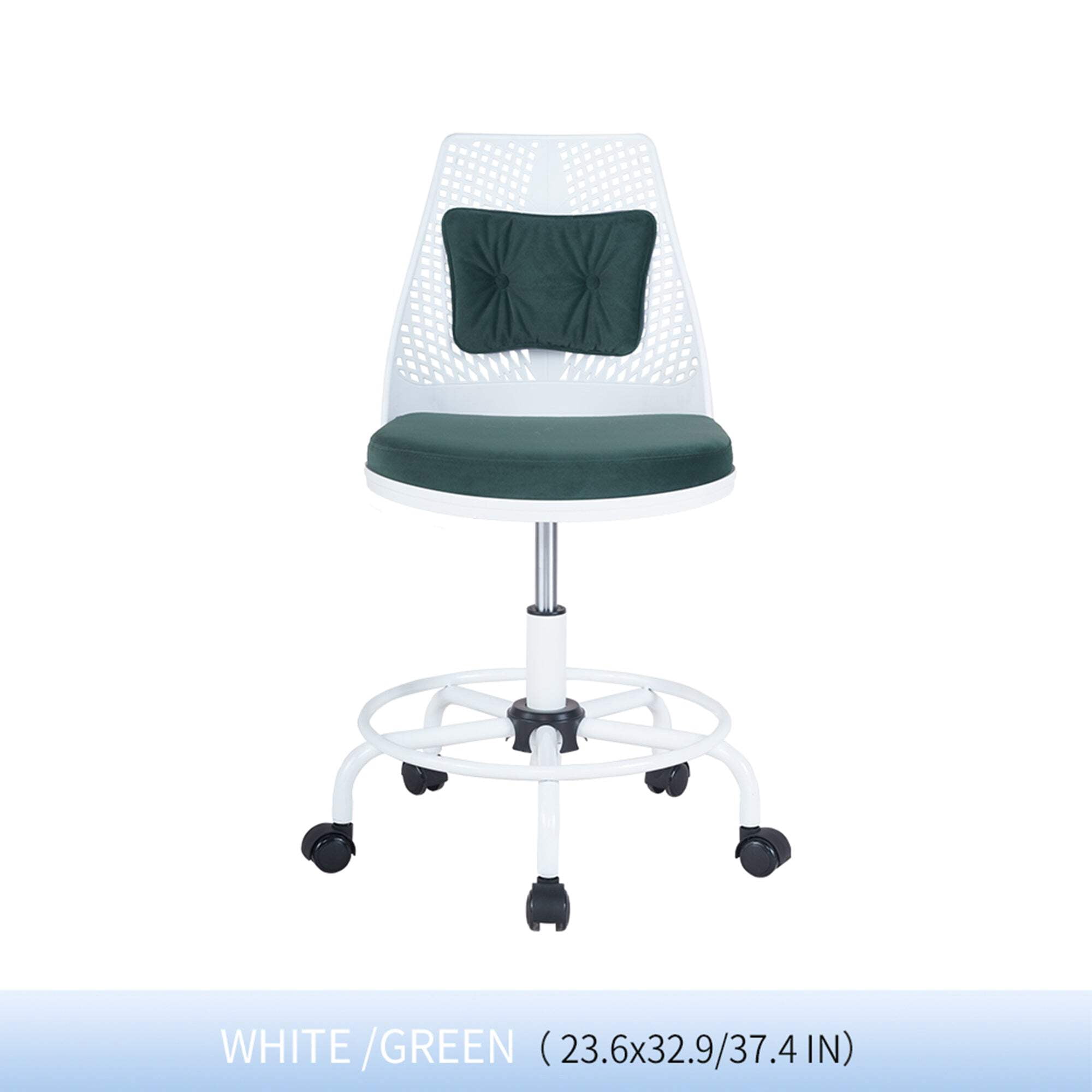
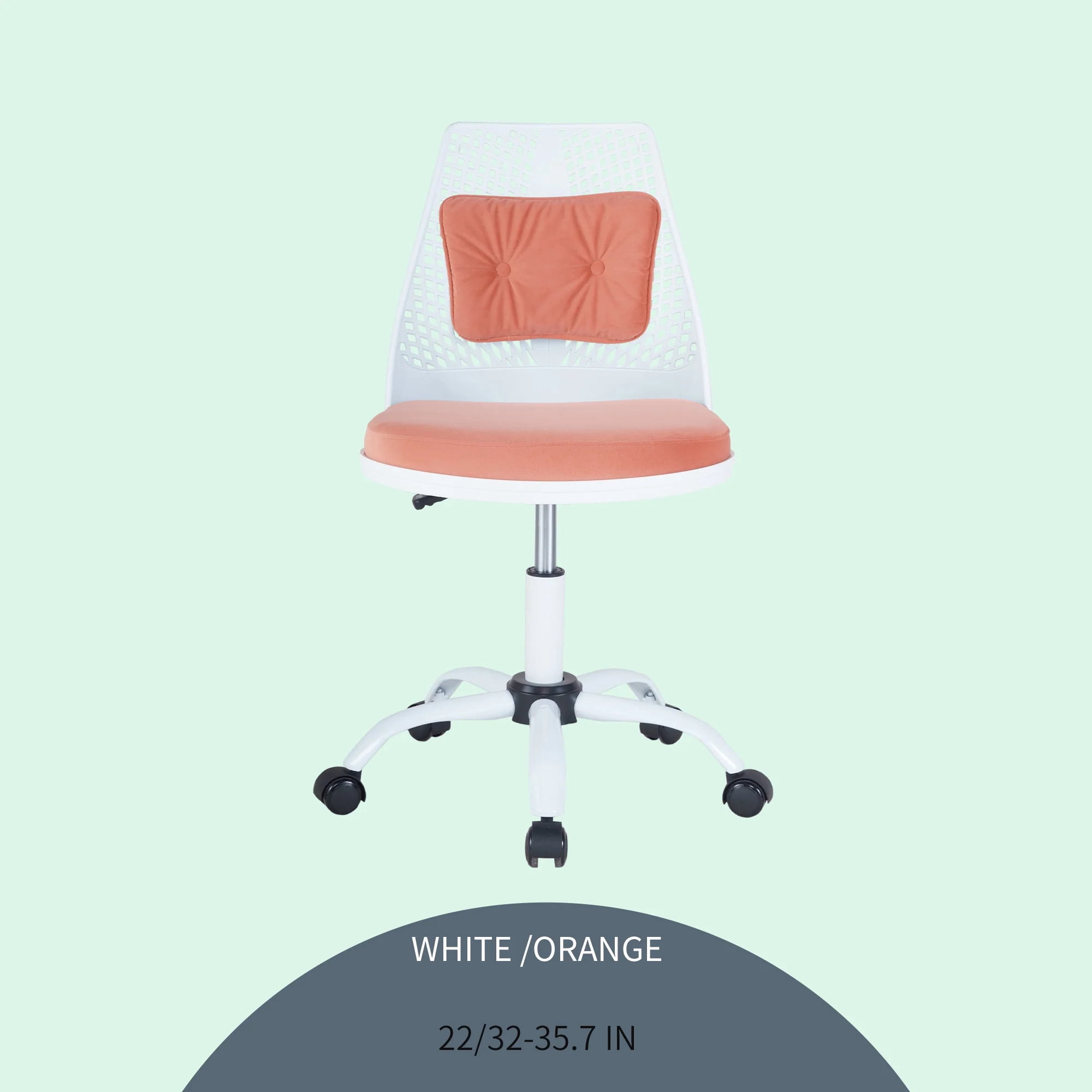
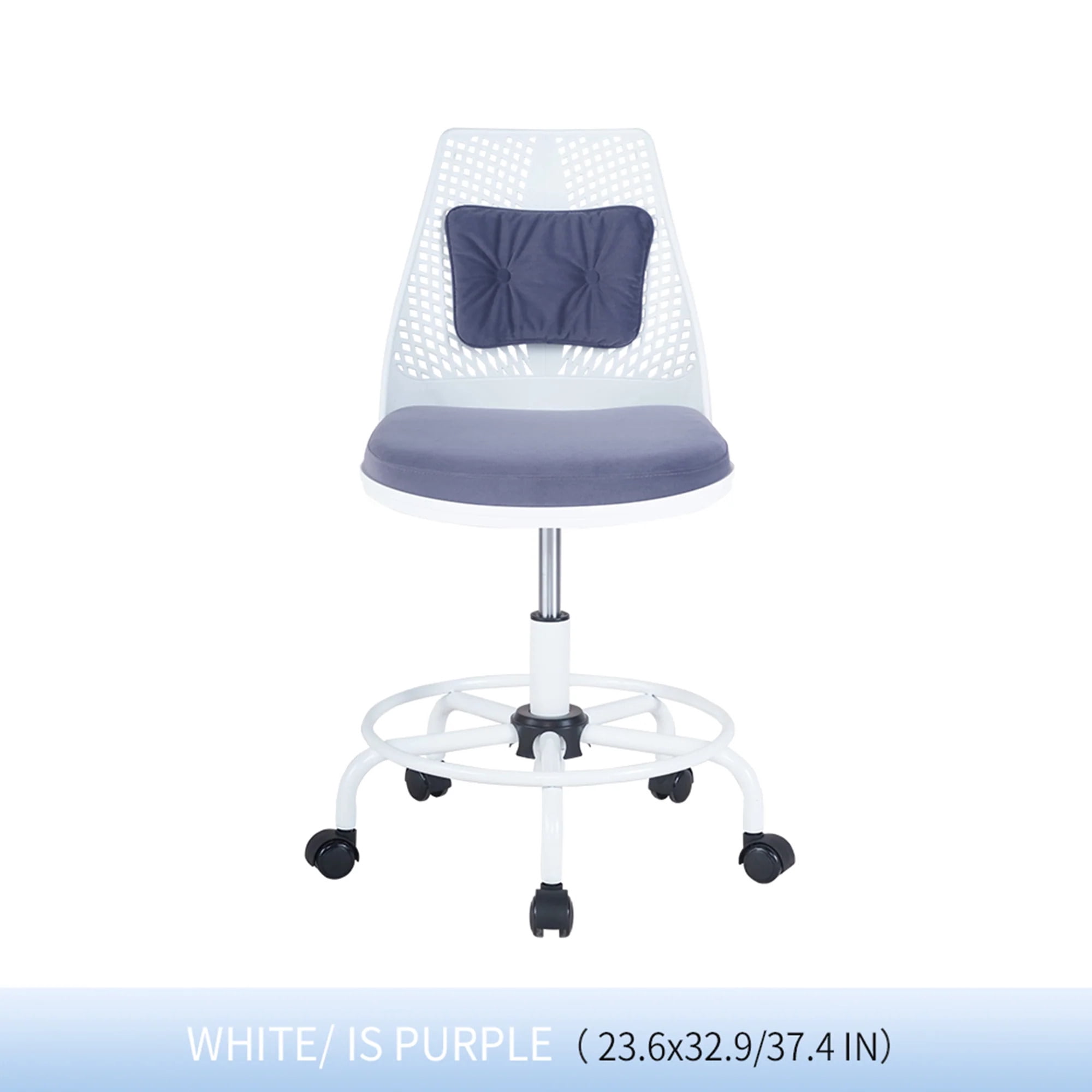
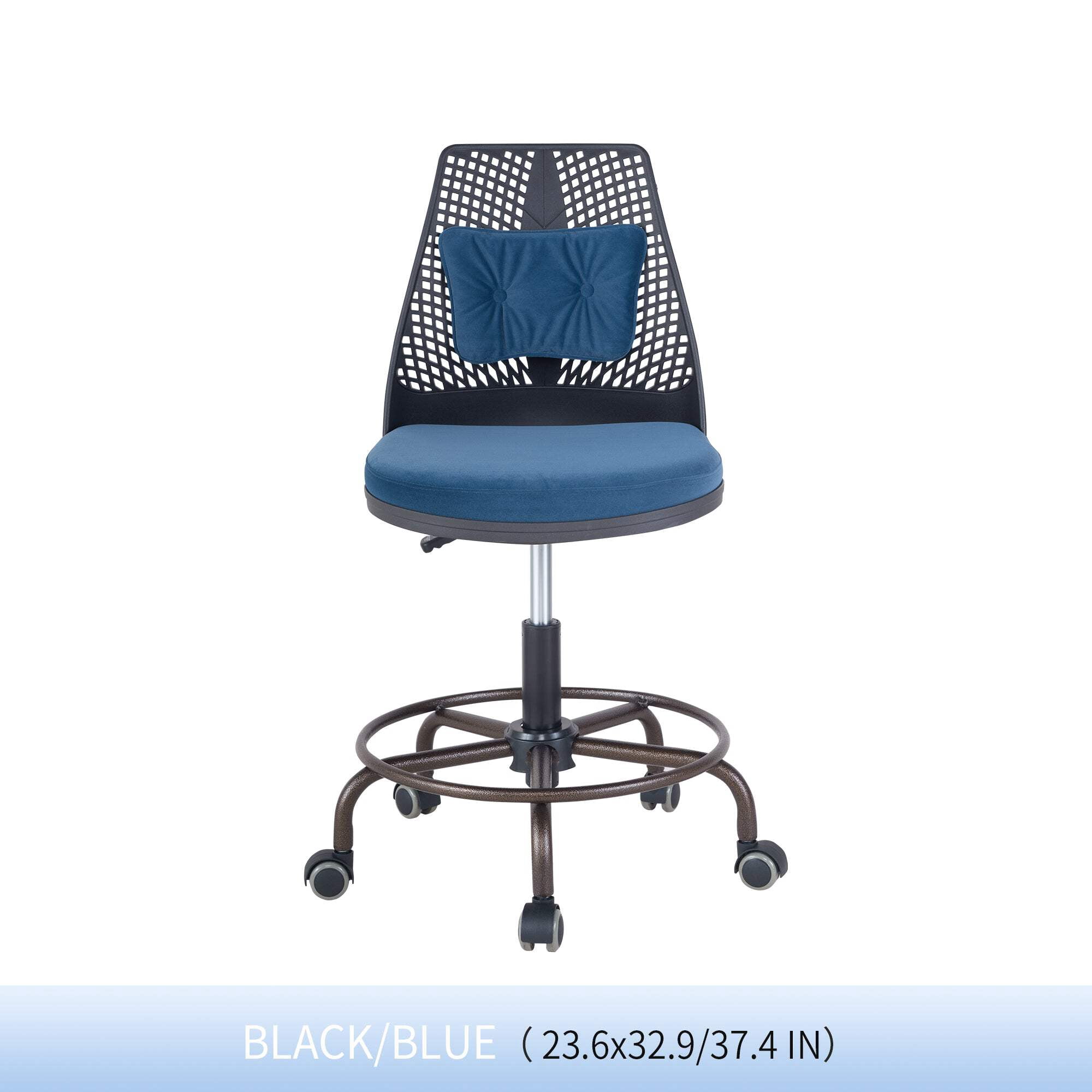
1. What Defines an Office Chair Task? More Than Just a Seat
Think of an office task chair as the "tool" version of a car—it's built for function, agility, and long-distance comfort. Unlike a plush executive throne, a task chair is designed for active work. It’s the chair that moves with you as you type, answer calls, or sketch ideas. Its primary mission: to keep your body aligned and comfortable so your mind can focus entirely on the task at hand.
According to ergonomic studies, workers who use a properly adjusted task chair report 25% less discomfort at the end of the day. The core difference lies in the philosophy: task chairs prioritize adjustability and support over aesthetics, making them the go-to choice for anyone spending 6+ hours at a desk.
2. Anatomy of a Great Task Chair: Features That Matter
Choosing the right office chair task model can feel overwhelming, but understanding its key components simplifies the process. Here’s what separates a basic seat from a true ergonomic partner.
2.1 Adjustable Lumbar Support: Your Spine’s Best Friend
Just as a good mattress supports your sleeping posture, lumbar support maintains the natural curve of your lower back while you sit. Look for chairs that offer both height and depth adjustment. This ensures the support fits precisely into the hollow of your back, preventing slouching and reducing strain on spinal discs.
2.2 Seat Depth Adjustment (Slider)
Have you ever felt pressure behind your knees after sitting for a while? That’s a sign the seat is too long. A seat slider allows you to shorten or lengthen the pan so there’s a 2-3 finger gap between the edge of the seat and the back of your knee. This simple feature improves circulation dramatically.
2.3 Armrest Dynamics: 4D is the Goal
Static armrests are a thing of the past. For a true task chair, aim for "4D" armrests: adjustable in height, width, depth, and pivot angle. This allows your arms to rest comfortably while your shoulders remain relaxed, preventing neck and upper back tension—a common complaint among desk workers.
Quick Stat: A study in the Journal of Physical Therapy Science found that adjustable armrests can reduce muscle activity in the upper trapezius by up to 20%, significantly lowering the risk of tension headaches.
3. Material World: Mesh vs. Fabric vs. Leather in Task Chairs
Unlike executive chairs where leather dominates, the task chair world is a battleground of materials, each offering distinct advantages.
Breathable Mesh
- Airflow: Prevents sweat and heat buildup, ideal for long hours or warmer climates.
- Modern Look: Clean, professional aesthetic that fits contemporary offices.
- Flexibility: Often provides passive ergonomic give, contouring to your back.
Durable Fabric
- Comfort: Softer feel, available in various colors and textures.
- Insulation: Warmer in winter, but can retain heat.
- Durability: High-quality woven fabrics can be incredibly tough and stain-resistant.
Leather in a task chair is less common but exists. It offers easy cleaning and a premium feel but lacks breathability. For pure task-focused work, mesh or high-quality fabric usually wins due to their comfort during active sitting.
4. The Productivity Connection: Why Your Chair Affects Your Output
Imagine trying to run a marathon in shoes that don’t fit. You’d be distracted, in pain, and forced to stop. The same logic applies to your workday. An ill-fitting office chair task model creates micro-discomforts that pull your attention away from your work. You shift, you fidget, you stand up to stretch—all breaking your flow state.
A 2021 report from the British Journal of Healthcare Management noted that ergonomic interventions, including task chair adjustments, led to a 17% increase in self-reported productivity. When your body is physically supported, your brain is free to solve problems, write reports, and innovate. It’s not just about comfort; it’s about performance.
4.1 Active Sitting: The Task Chair Superpower
Many task chairs feature a synchro-tilt mechanism that allows the seat and back to move together. This encourages "active sitting"—small, natural movements that engage core muscles and promote blood flow. It’s like the difference between being glued to a static seat and having a chair that moves with you like a well-oiled machine.
5. Step-by-Step: How to Choose Your Perfect Task Chair
Follow this practical guide to navigate the options and find your ideal match.
- Measure Your Space: Note your desk height. You need a chair that allows your feet to rest flat on the floor with thighs parallel to the ground (usually 16-21 inches seat height).
- Identify Your Pain Points: Do you have lower back aches? Neck stiffness? This will tell you which adjustments are non-negotiable (e.g., lumbar support for back pain, adjustable headrest for neck pain).
- Set a Feature Budget: In the $300-$700 range, you can find excellent task chairs with pneumatic height adjustment, lumbar support, and tilt functions. Above $700, you enter the realm of premium mechanisms and longer warranties.
- Read for Weight Capacity: Always check the manufacturer's weight rating. For durability, choose a chair rated at least 50 lbs above your weight.
- Consider the Base and Casters: A five-point aluminum or reinforced nylon base offers stability. Ensure the casters (wheels) are suited for your floor type—hard floor casters for wood/tile, or soft casters for carpet.
6. Task Chair Myths Debunked
Let’s clear up some common misconceptions about office chair task seating.
- Myth: "A more expensive chair is automatically more comfortable."
Fact: Comfort is subjective. A high-end chair with poor adjustability for your body type will be worse than a mid-range chair that fits you perfectly. - Myth: "Task chairs are only for IT and call center workers."
Fact: Anyone who performs focused, seated work—from writers to architects to managers—benefits from the ergonomic focus of a task chair. - Myth: "You don’t need to adjust a new chair; it’s fine out of the box."
Fact: This is like not adjusting your car seat. Taking 10 minutes to customize the chair’s settings is crucial for reaping the ergonomic benefits.
7. Maintenance: Keeping Your Task Chair in Top Shape
A quality task chair is an investment. Here’s how to protect it:
- Clean regularly: Vacuum fabric or mesh to remove dust. Wipe frames with a damp cloth.
- Tighten bolts: Every 6 months, check and tighten any loose bolts under the seat or on the armrests.
- Lubricate moving parts: If you hear squeaks, use a silicone-based lubricant on the gas lift and tilt mechanism.
- Protect casters: Remove hair and debris wrapped around the caster wheels to ensure smooth rolling.
Frequently Asked Questions About Office Chair Task Models
Conclusion: Your Task, Your Chair, Your Success
Selecting the right office chair task model is a decision that pays dividends in comfort, health, and productivity every single workday. It’s the silent partner in your daily achievements. By focusing on adjustability—particularly lumbar support, seat depth, and armrests—and choosing a material that suits your environment, you invest in your most valuable asset: yourself.
Remember the analogy of the marathon and the shoes: don’t let a poorly chosen chair be the reason you slow down. Explore the options above, read reviews, and if possible, test a few to feel the difference. Your back—and your focus—will thank you.