

Your Guide to Pain-Free Sitting: The Pursuit of the Perfect Ergonomic Chair
Imagine your office chair as the foundation of a house. If the foundation is shaky, everything built on top—your focus, your energy, your physical health—becomes unstable. For the millions of us who spend our workdays seated, an ergonomic office chair is that critical foundation. But with so many options claiming to be "the best," how do you separate marketing hype from genuine spinal support? This guide cuts through the noise. We'll explore the anatomy of true ergonomic design and introduce you to the types of chairs that consistently rise to the top.
According to the Occupational Safety and Health Administration (OSHA), work-related musculoskeletal disorders are among the most frequently reported causes of lost or restricted work time. Investing in a chair that adapts to you—rather than forcing you to adapt to it—isn't a luxury; it's a long-term health strategy. Think of it like buying a high-quality mattress. You don't just sleep on it; you live on it for a third of your day. Your office chair supports you for another third. It deserves that same level of consideration.
The "Goldilocks" Principle: The best ergonomic chair isn't the most expensive or the most feature-packed. It's the one that's just right for YOUR body. Our goal is to give you the knowledge to find that perfect fit.
Understanding the Ergonomic Spectrum: From Basic Support to Full Customization
Instead of a simple "top 10" list that might become outdated, let's look at the key categories of ergonomic chairs available today. This approach helps you understand the landscape and identify which category fits your needs and budget. Each category represents a different level of ergonomic sophistication.
1. The Essential Adjustables: Entry-Level Ergonomic Chairs
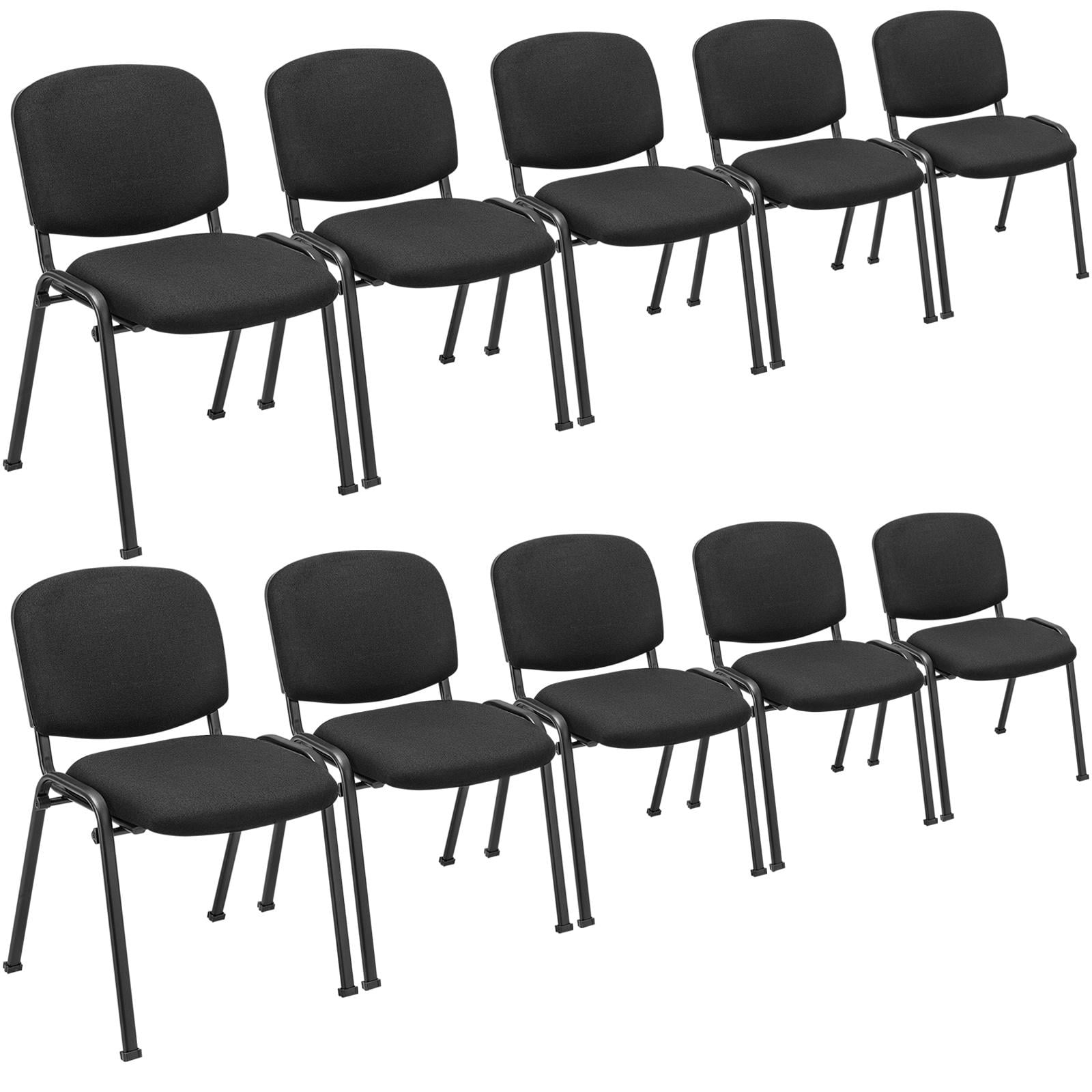
These chairs are the gateway to better posture. They focus on the core, non-negotiable adjustments that make a significant difference over a static office chair. They are perfect for home offices, guest workspaces, or budgets that are mindful but still prioritize health.
- Pneumatic Seat Height Adjustment: Allows your feet to rest flat on the floor, with thighs parallel to the ground. This is the starting point for any ergonomic setup.
- Basic Lumbar Support: Usually a built-in curve or a simple adjustable pad that promotes the natural inward curve of your lower back.
- Tilt Tension Control: Lets you adjust how much force is needed to recline, preventing the chair from feeling either too stiff or too loose.
- Fixed or Height-Adjustable Armrests: Even basic armrests that match the height of your desk can relieve shoulder tension.
Chairs in this category often use breathable mesh backrests and contoured foam seats. They are the equivalent of a reliable hatchback—they get the job done efficiently and comfortably without all the extra bells and whistles.
2. The Pro-Active Adjustables: Mid-Range Ergonomic Chairs
This is the "sweet spot" for many professionals. These chairs build on the essentials by adding layers of customization that allow for a more precise fit. They are designed for people who sit for 6+ hours a day and want to actively engage with their chair's features.
- Adjustable Seat Depth (Slider): This is a critical feature often overlooked. It allows you to shorten or lengthen the seat pan so there's a 2-3 finger gap between the back of your knee and the seat edge, promoting healthy circulation.
- 4D Armrests: Armrests that adjust up/down, left/right, forward/backward, and even pivot angle. This ensures your arms are supported whether you're typing, reading, or taking a call.
- Independent Lumbar Adjustment: The ability to move the lumbar support up and down, and sometimes in and out, to perfectly cradle your spine's unique curve.
- Multi-Lock Recline Mechanism: Allows you to recline and lock the chair in multiple positions, perfect for shifting postures throughout the day or for focused thinking sessions.
Think of these chairs as a well-appointed sedan. They offer a much more tailored and comfortable ride, with features designed to proactively support your body's needs.
3. The High-Performance Customizers: Premium Ergonomic Chairs
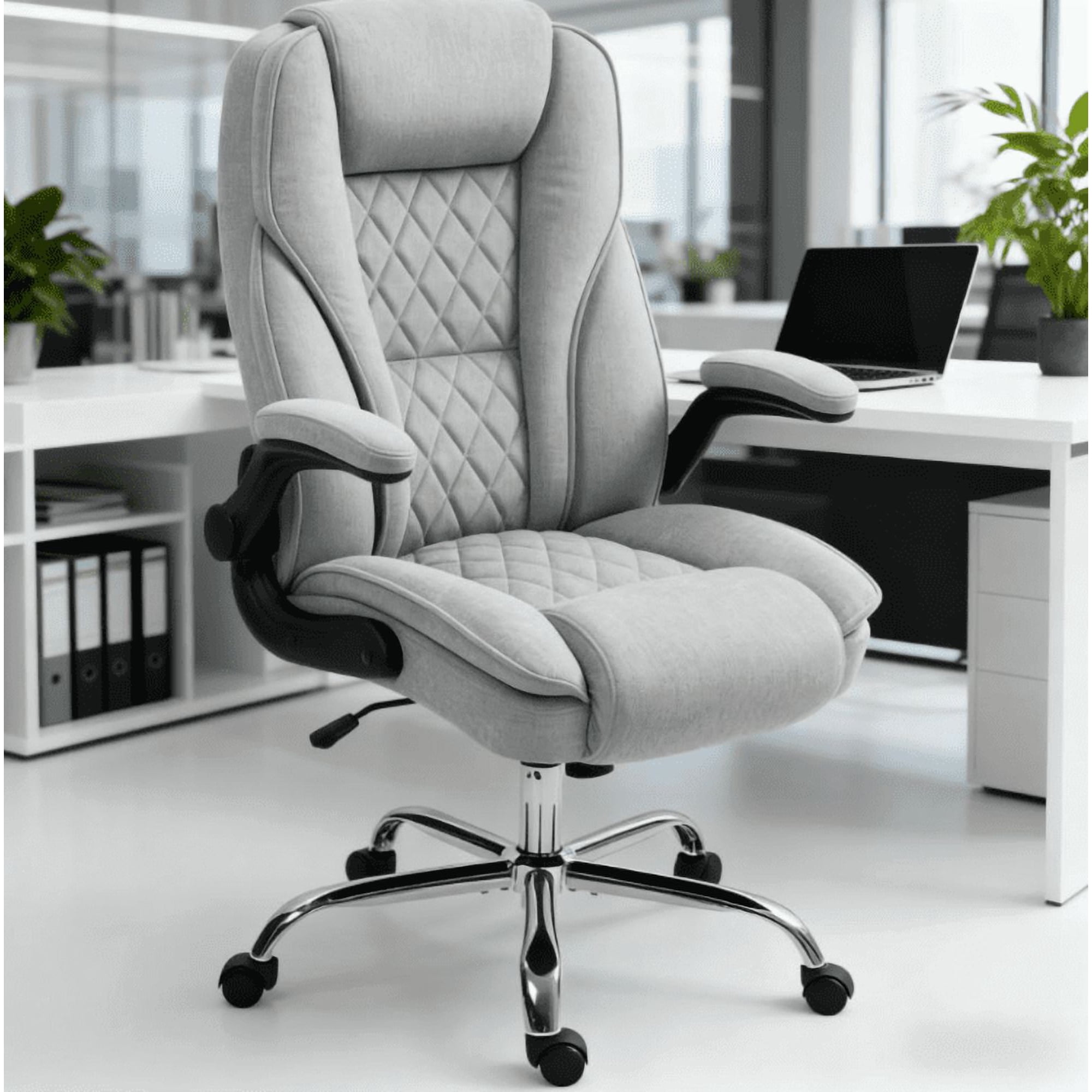
These represent the pinnacle of ergonomic design, often found in executive suites or used by individuals with specific back conditions or extremely long sitting hours. They feature advanced mechanisms and materials that dynamically adapt to your every movement. They are the "luxury SUVs" of the chair world—built to handle any terrain (or workday) with supreme comfort.
- Synchronized Tilt Mechanism: The backrest and seat tilt together at a pre-set ratio (often 2:1 or 3:1). This keeps you supported in a healthy posture whether you're sitting upright or reclined, preventing shirt ride-up and maintaining spinal alignment.
- Self-Adjusting Lumbar Support: Some high-end chairs use a tensioned mesh or a dynamic blade that automatically flexes to provide constant support as you shift position.
- Adjustable Backrest Height: Allows you to raise or lower the entire backrest to fit your torso length perfectly.
- Premium Materials: High-quality, breathable mesh that never sags, or plush, durable foam with replaceable components. Some offer upholstery in premium fabrics or leather.
- Advanced Seat Edge (Waterfall) Design: The front of the seat is not only curved but also made of flexible material to eliminate all pressure on the thighs.
Why "Dynamic Sitting" Matters
The human body is built for movement, not stasis. The best ergonomic chairs aren't designed to lock you into one perfect posture. Instead, they facilitate "dynamic sitting"—allowing and even encouraging you to move, shift, and change positions throughout the day. A chair with a good synchronized tilt mechanism or a flexible backrest promotes micro-movements that keep blood flowing and muscles engaged. As Dr. Alan Hedge, a professor of ergonomics at Cornell University, notes, "The best posture is your next posture."
Material Matters: The "Skin" of Your Ergonomic Chair
The material of your chair affects not just its look, but its feel, breathability, and longevity. Here's a quick breakdown using a simple analogy: clothing.
- Mesh (The Performance Athletic Wear): Incredibly breathable, keeping you cool. It conforms to your shape without creating pressure points. Excellent for those who run warm or live in hot climates. However, the support comes from the tension of the weave, so quality varies greatly.
- High-Density Foam (The Structured Denim): Provides a firm, supportive cradle. It offers a more traditional "chair" feel. High-quality foam retains its shape for years. Often used in combination with fabric or leather.
- Fabric (The Casual Cotton): Comfortable, breathable, and available in countless colors and textures. It's a great all-rounder but can be more susceptible to stains and wear over time.
- Leather (The Formal Blazer): Projects a professional, high-end image. It's durable and easy to wipe clean. However, it can be warm and may require conditioning to prevent cracking. Not typically the primary choice for high-heat mesh-backed ergonomic chairs, but common in premium executive models.
Key Adjustments: A Quick Reference Checklist
When evaluating any ergonomic chair, use this mental checklist. The more of these adjustments a chair has, the more likely it is to fit you perfectly.
| Adjustment | Why It's Important |
|---|---|
| Seat Height | Ensures feet are flat on floor, thighs horizontal. |
| Seat Depth | Prevents pressure behind knees; supports thighs fully. |
| Lumbar Support (Height & Depth) | Crucial for maintaining the spine's natural 'S' curve. |
| Backrest Angle/Tilt | Allows for posture change and reduces spinal disc pressure. |
| Armrests (4D) | Supports arms, relieving shoulders and neck during typing. |
| Headrest | Supports neck during reclined tasks or breaks. |
Frequently Asked Questions About Ergonomic Office Chairs
Final Thoughts: Your Seat at the Table
Finding the right ergonomic office chair is a personal journey. It's about understanding your own body, your work habits, and the level of support you need. Start by identifying which category on the "Ergonomic Spectrum" you fall into. Do you need the essential adjustables for a solid foundation, the pro-active adjustables for a tailored fit, or the high-performance customizers for maximum support?
Remember, the most advanced chair in the world won't work its magic if it's not adjusted correctly. Take the time to learn each lever and mechanism. Experiment with different settings. And above all, listen to your body. A slight ache or pressure point is a signal that something needs to be tweaked. Your chair is a tool for your health and productivity—invest wisely, set it up carefully, and it will serve you well for years to come.
Your Next Step: Use the product grid above to explore real-world examples of chairs in these categories. Look for the features we've discussed, and read user reviews to see how they've worked for others with similar needs. Happy (and healthy) sitting!