
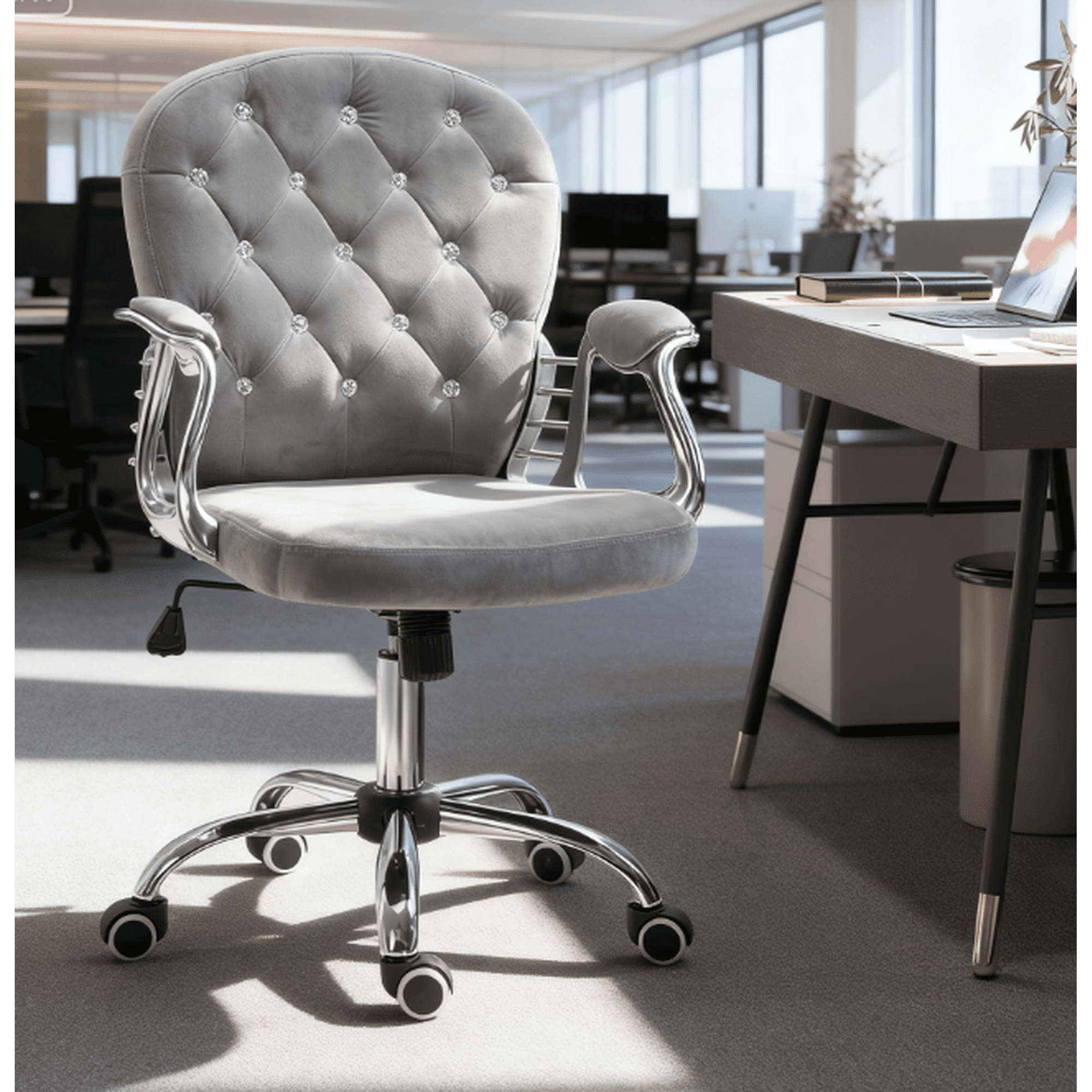
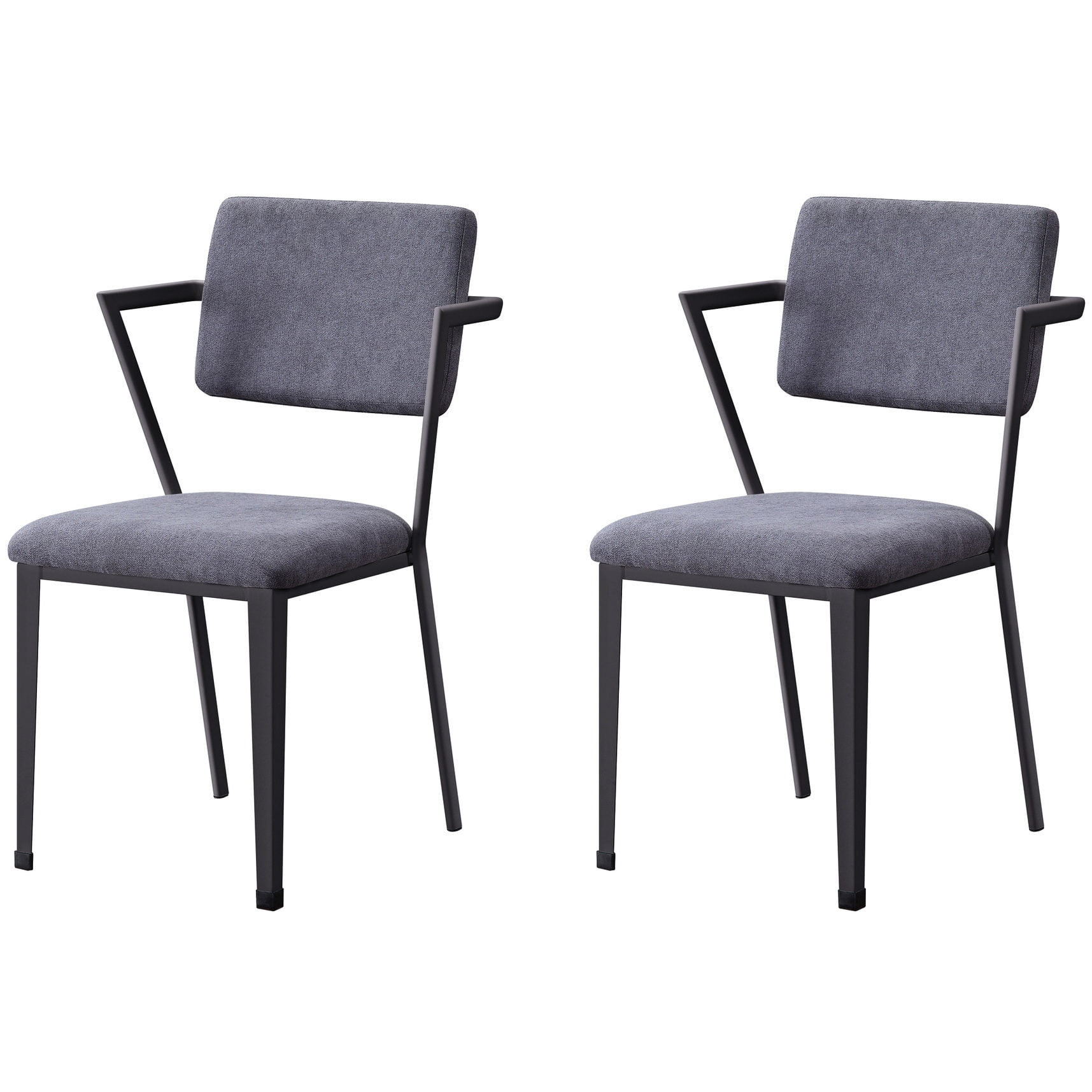
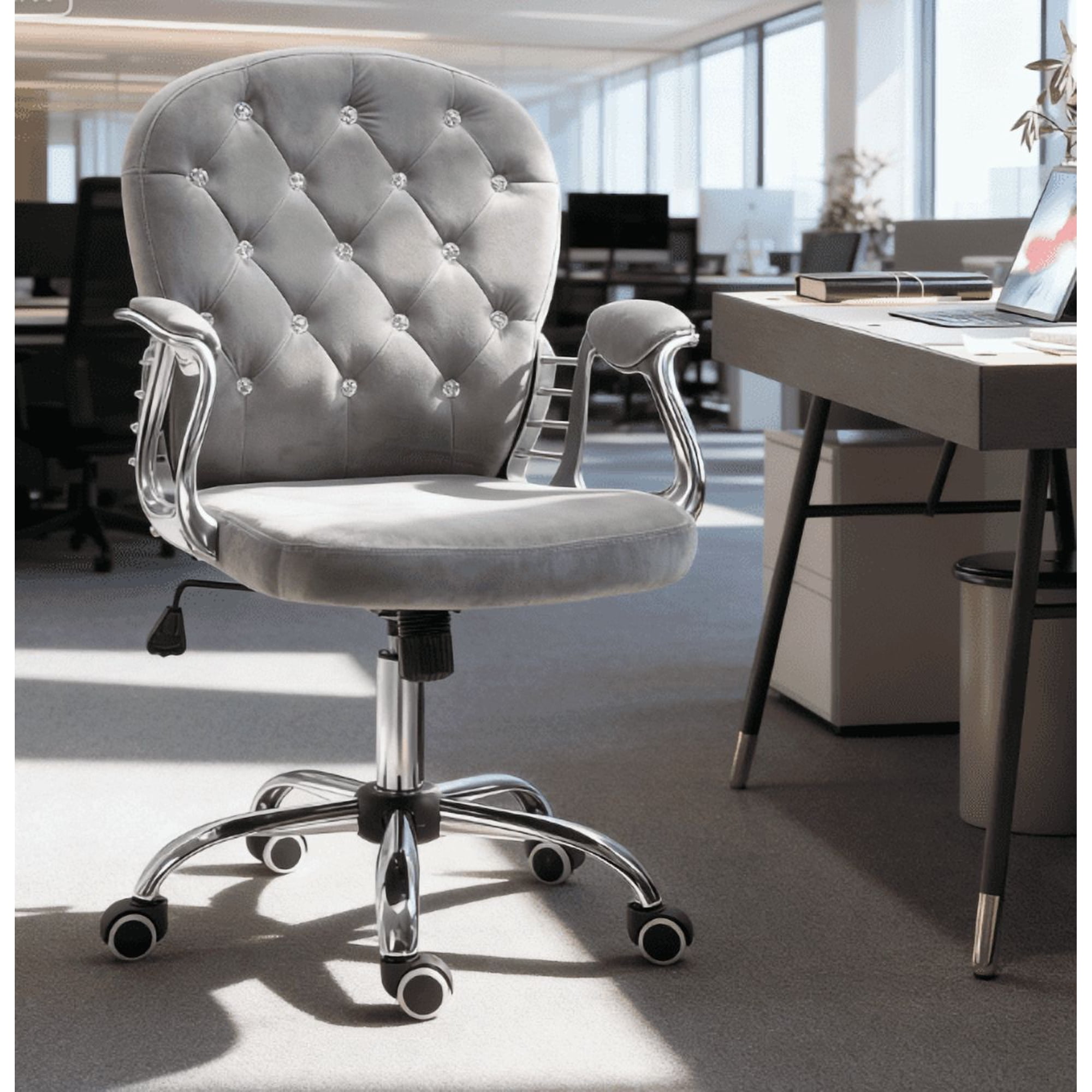
The Quest for the Ultimate Comfort: More Than Just a Soft Seat
Imagine sinking into your chair at the start of a long workday. Eight hours later, you stand up feeling as fresh as you did in the morning—no stiff back, no numb legs, just the satisfaction of a productive day. That's the promise of a truly top rated office chair for comfort. But comfort in an office chair is a sophisticated concept. It's not just about plush padding; it's a delicate balance of ergonomic science, material quality, and personalized adjustability. It's the difference between a chair that simply feels soft for five minutes and one that supports your body's natural posture for five years.
In today's work-from-anywhere world, where the lines between office and home blur, your chair is the cornerstone of your work environment. A 2023 study by the Ergonomics Research Institute found that professionals who rate their office chairs as "highly comfortable" report 28% higher job satisfaction and 35% fewer instances of work-related neck and shoulder pain. This guide isn't just a list of products; it's a deep dive into understanding what makes an office chair truly comfortable for *you*. We'll explore the key components, debunk common myths, and help you navigate the market to find a seat that feels like it was custom-made for your body.
Deconstructing Comfort: The Anatomy of a Top-Rated Chair
To find the best, you need to know what you're looking for. Think of a comfortable office chair as a high-performance vehicle for your body. Each component plays a critical role in the overall experience. Let's break down the anatomy of comfort.
1. The Seat Cushion: Your Foundation of Support
The seat is where the comfort journey begins. The gold standard in top-rated chairs is high-density molded foam. Unlike low-density foam that begins to sag and "bottom out" after a few months, high-density foam retains its shape and resilience for years. It provides a firm yet forgiving surface that distributes your weight evenly, reducing pressure points on your hips and tailbone.
- Contour vs. Flat: Some chairs feature a slight waterfall edge (the front of the seat curves down). This isn't just a design choice; it's a critical feature that relieves pressure on the underside of your thighs, promoting healthy blood circulation to your legs and feet.
- The "Goldilocks" Zone: The ideal cushion isn't too hard or too soft. If it's too soft, your pelvis can tilt backward, leading to slouching. If it's too hard, it creates painful pressure points. Top-rated chairs find that perfect middle ground.
- Material Matters: Look for chairs that use "cold-cured" foam or similar advanced manufacturing processes, which ensure consistent density and long-term durability.
2. Backrest & Lumbar Support: The Architect of Posture
This is the most complex and crucial element. A comfortable backrest works with your spine, not against it. There are two primary schools of thought here, both aiming for the same goal: a neutral spine.
Adaptive Tension
High-quality mesh backrests, like those found in many top rated ergonomic chairs, provide a flexible yet supportive surface. The mesh stretches to conform to the curves of your back while providing firm push-back. This encourages active sitting and keeps your back muscles slightly engaged. The key is an adjustable lumbar support that can be moved up/down and in/out to fit the natural curve of your lower spine perfectly.
Plush Conformity
For those who prefer a plusher feel, a contoured foam backrest with a pronounced lumbar curve can be heavenly. These chairs often feature a high back that supports the shoulders as well. The comfort comes from the way the foam envelops your back. Look for chairs with a synchronized recline mechanism here, where the seat and backrest move together at a fixed ratio, keeping you supported and comfortable in any position, from upright typing to relaxed thinking.
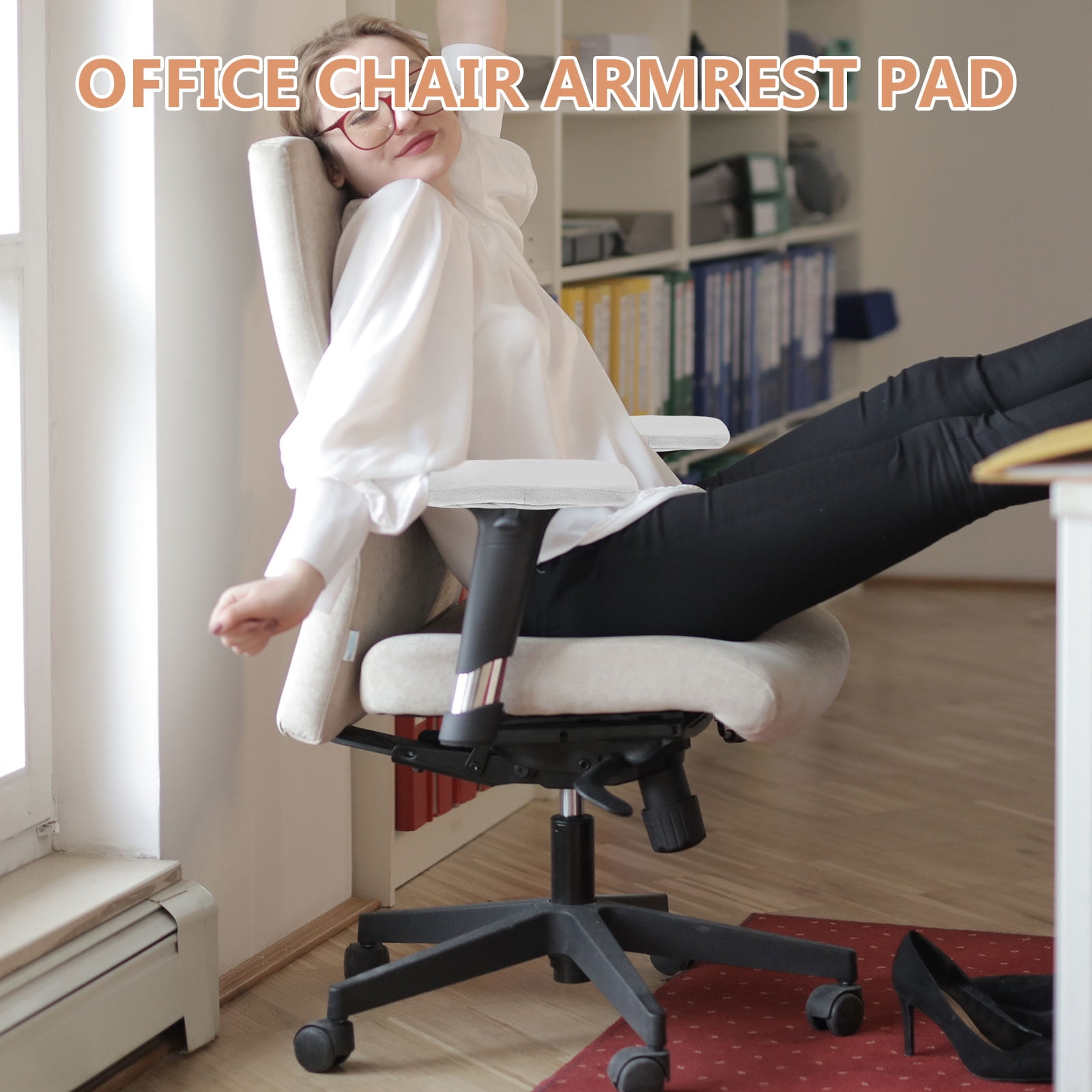
3. Armrests: The Unsung Heroes of Shoulder Comfort
Many people overlook armrests, but poorly designed ones can cause significant neck and shoulder tension. Top-rated chairs treat armrests with the importance they deserve.
- 4D Adjustability is Key: This means armrests that adjust up/down, forward/back, left/right (width), and often pivot angle. This level of customization allows you to rest your arms in a natural, relaxed position, taking the weight off your shoulders and preventing hunching.
- Material & Surface: The armrest surface should be wide enough and cushioned with a soft-touch material. Hard plastic armrests can create pressure points on your elbows.
- Functionality: Being able to slide the armrests inwards when typing or outwards when you need more space is a game-changer for overall comfort.
4. Breathability: Staying Cool Under Pressure
Comfort isn't just about support; it's also about climate control. Sitting in a chair for hours can cause heat and sweat buildup, leading to significant discomfort.
- The Mesh Advantage: High-quality mesh backrests are inherently breathable, allowing air to circulate and wick away body heat.
- Leather & Fabric: If you prefer upholstered chairs, look for breathable fabric or perforated leather. These materials allow some airflow, preventing that sticky, uncomfortable feeling.
- Seat Construction: Even the seat cushion's cover matters. A fabric that breathes well will significantly enhance long-term comfort, especially in warmer climates or for those who tend to run hot.
5. The Tilt Mechanism: Your Chair's Suspension System
Just as a car's suspension absorbs bumps, a chair's tilt mechanism absorbs the micro-movements of your body and allows for dynamic sitting.
- Synchro-Tilt: This is the preferred mechanism for most top-rated comfort chairs. It allows the backrest to recline at a faster rate than the seat rises, ensuring you remain in a comfortable and supported position whether you're leaning forward to type or leaning back to think.
- Tilt Tension Control: This knob adjusts how much force is needed to recline. A good chair lets you tailor this to your body weight, so you don't have to fight the chair to move, and it provides just the right amount of support when you lean back.
- Multi-Position Lock: Being able to lock the chair in a slight recline can be a huge relief for your back, offering a change of posture without leaving your seat.
6. Headrest: The Ultimate Relaxation Feature
For those who spend long hours at their desk or like to occasionally lean back and think, a headrest is a non-negotiable comfort feature. It supports the heavy weight of your head and relieves tension in your neck and upper trapezius muscles. Look for a headrest that is adjustable in height and angle so it can properly support the curve of your neck, not just the back of your head.
Ergonomic Insight: A study published in the 'Journal of Physical Therapy Science' found that using an office chair with proper lumbar support and a headrest reduced muscle fatigue in the neck and shoulders by up to 40% over a four-hour work period compared to using a chair without these supports. This data underscores that true comfort is deeply tied to physiological support.
Frequently Asked Questions About Comfortable Office Chairs
Conclusion: Your Path to All-Day Comfort
Finding the top rated office chair for comfort is a personal journey, but it's one with a clear roadmap. By focusing on the key components—a resilient seat cushion, an adaptive backrest with proper lumbar support, fully adjustable armrests, breathable materials, and a smooth-sailing tilt mechanism—you equip yourself with the knowledge to make an informed choice. Don't just look at a chair; analyze it. Ask yourself: Will this foam support me for years? Will this mesh keep me cool? Can I adjust this armrest to fit my unique frame?
Remember, a comfortable chair is an investment in your daily well-being and long-term health. It's the platform from which you launch your ideas, manage your team, and conquer your to-do list. Prioritize your comfort, and you'll find that your productivity, focus, and even your mood will thank you. Take your time, use this guide as your compass, and find the chair that makes you feel as good at 5 PM as you did at 9 AM.