
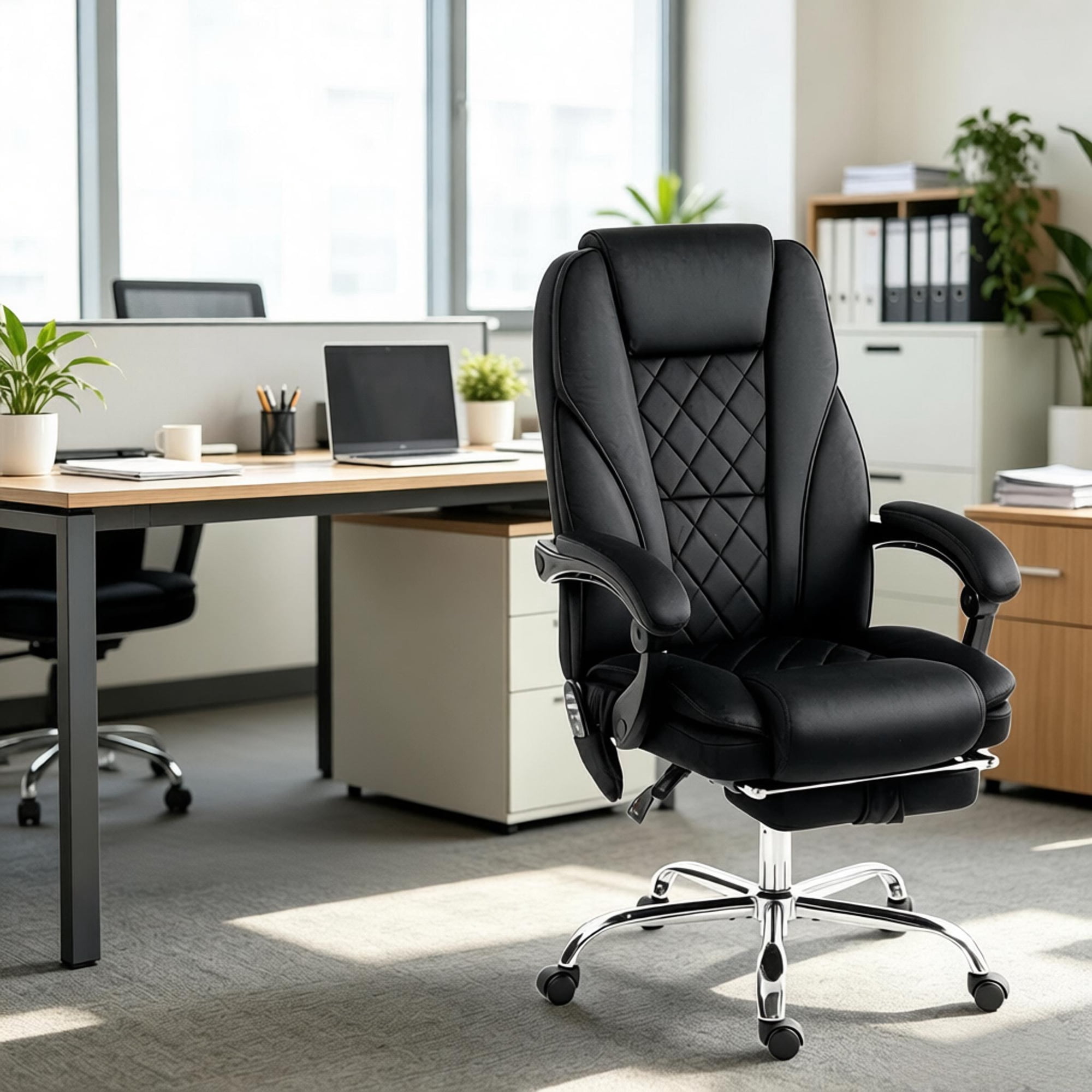
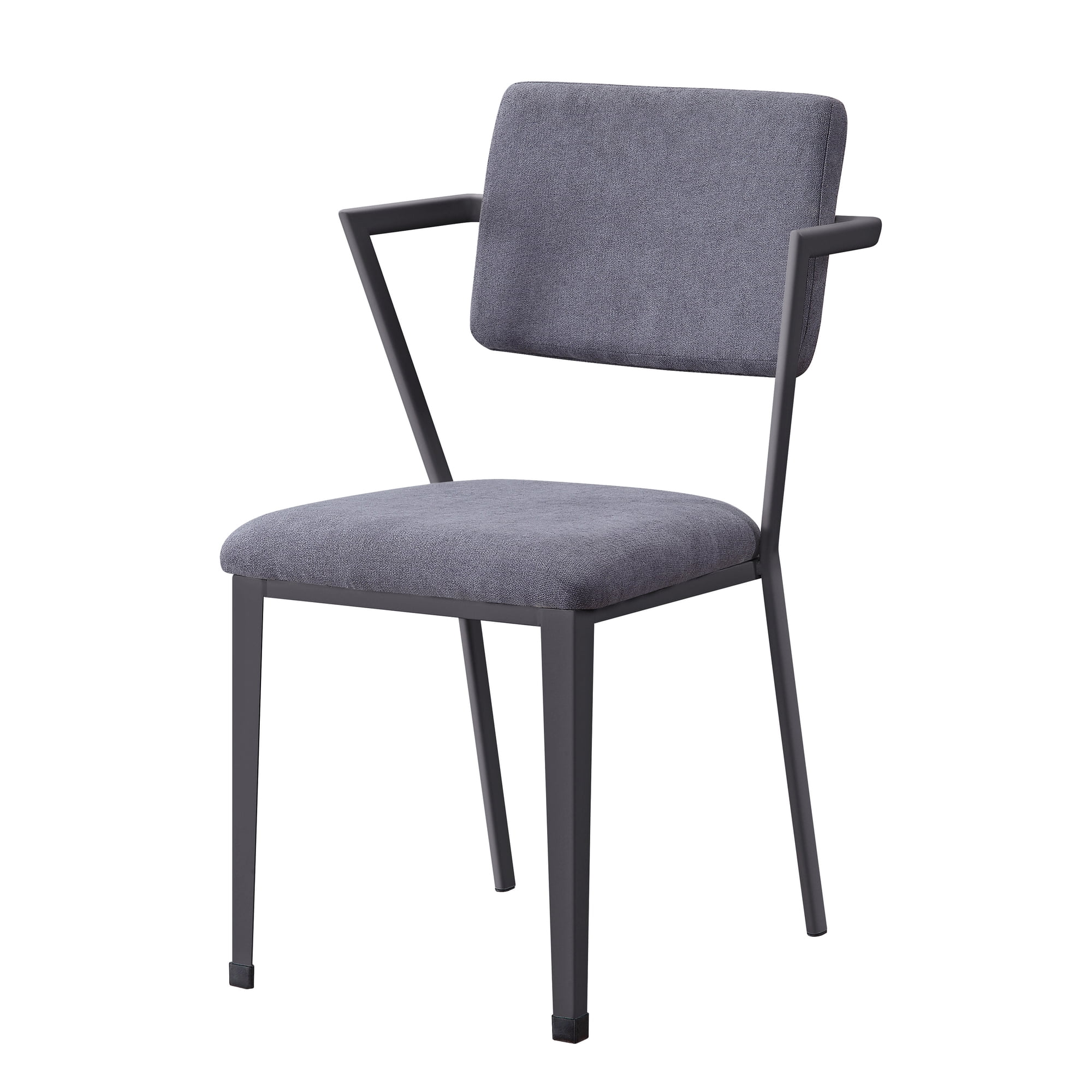
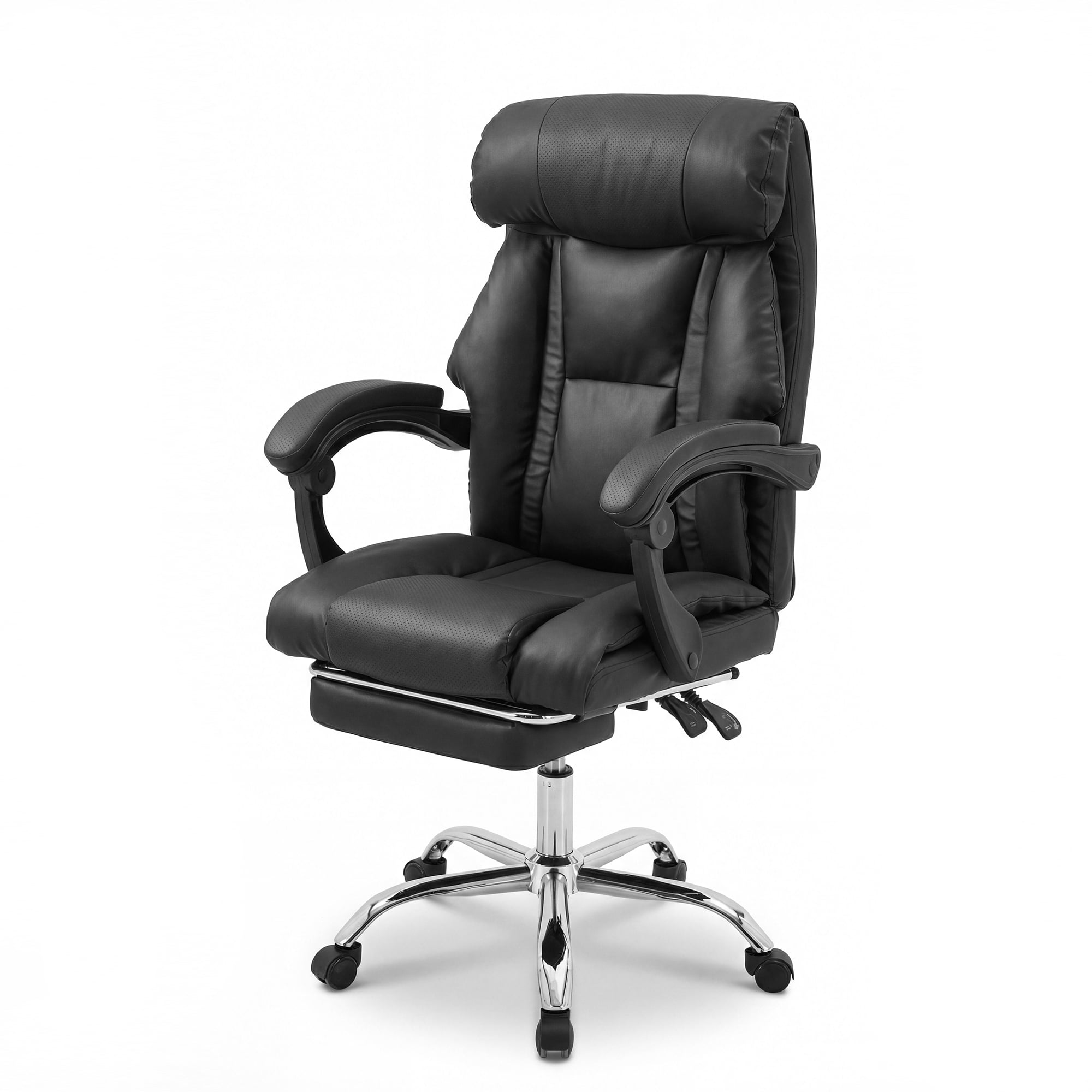
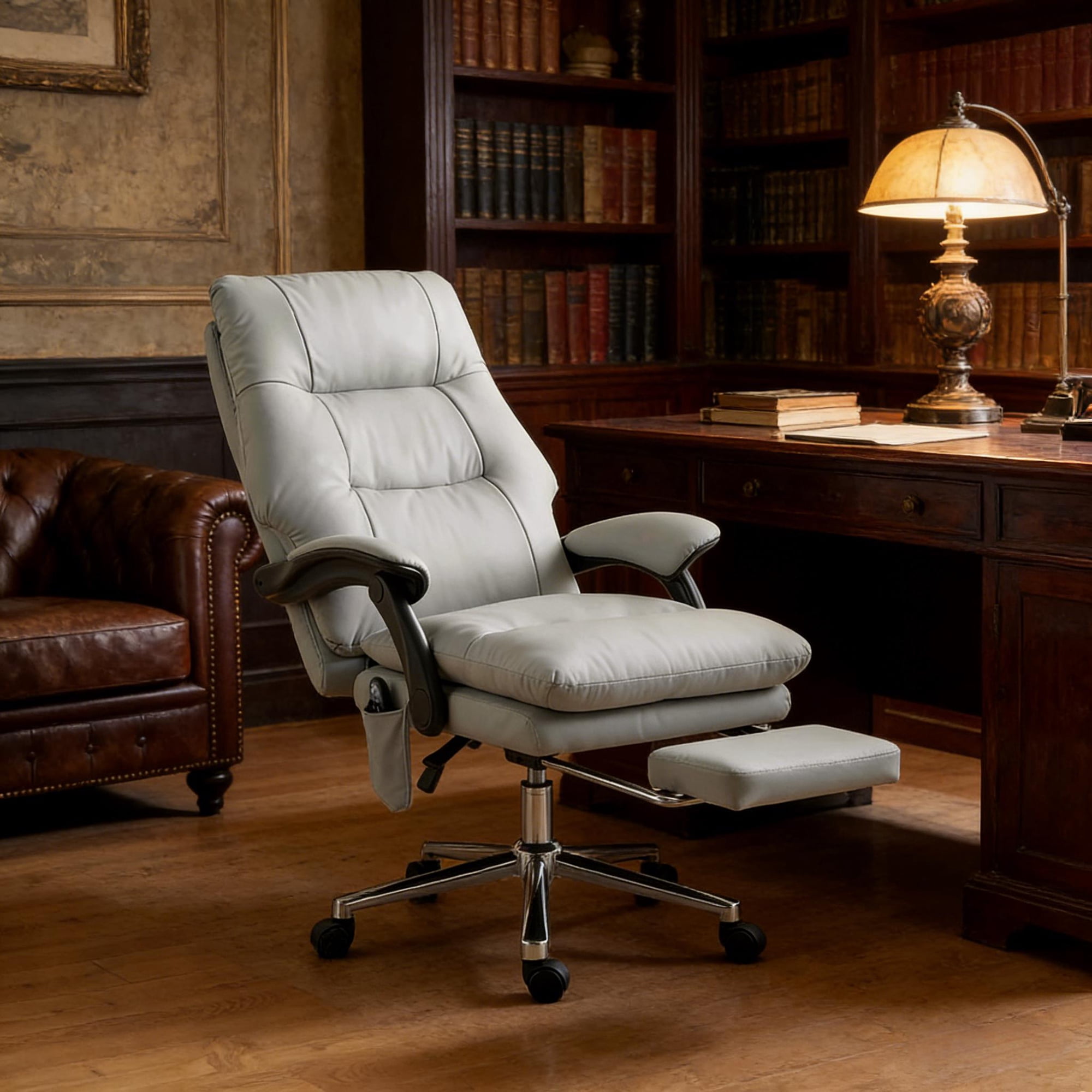
More Than a Seat: Why "The Office Chair" Defines Your Work Life
Think about your workday. Where do you spend most of your time? For millions of professionals, the answer is simple: in the office chair. It’s not just a piece of furniture; it’s the cockpit from which you manage projects, attend virtual meetings, and power through deadlines. Yet, it's often the most overlooked tool in the workplace.
We’ve moved beyond the era of one-size-fits-all wooden task chairs. Today, the office chair is a marvel of ergonomic science, designed to support your body’s natural movements and keep you healthy. According to the Occupational Safety and Health Administration (OSHA), musculoskeletal disorders (MSDs) account for nearly 30% of all workplace injuries, many linked to poor seating. Choosing the right chair isn't a luxury—it's a necessity for your well-being and productivity.
Did you know? A study by the Journal of Physical Therapy Science found that using an ergonomically adjusted chair for just four weeks significantly reduced lower back pain and improved work efficiency by over 17%.
The Evolution of the Office Chair: From Static to Dynamic
The first "office chairs" are thought to have belonged to Charles Darwin, who added wheels to his dining chair to move between specimens. Fast forward to the 21st century, and the office chair has become a sophisticated piece of equipment. Modern designs are based on the concept of "dynamic sitting"—encouraging movement and micro-adjustments throughout the day. This is a far cry from the static, posture-fixing chairs of the past. We now understand that the best posture is your next posture, and a quality chair facilitates that constant, subtle change.
Anatomy of The Office Chair: Key Components Decoded
To make an informed choice, you need to understand the parts that make up a great chair. Here’s a breakdown of the critical components and what they do for you:
| Component | Function | Why It Matters |
|---|---|---|
| Lumbar Support | Maintains the natural inward curve of your lower spine. | Prevents slouching and reduces disc pressure by up to 40%. |
| Seat Pan (Depth & Width) | Provides stable base for thighs and pelvis. | Adjustable depth ensures no pressure behind the knees, promoting circulation. |
| Backrest (Height & Recline) | Supports the entire spine, from pelvis to shoulders. | High-back chairs support the upper back; recline function reduces spinal loading. |
| Armrests (4D Adjustable) | Supports arms and shoulders, reducing neck tension. | Height, width, depth, and pivot adjustments allow a personalized fit for typing. |
| Base & Casters | Provides stability and mobility. | A 5-point base prevents tipping; soft casters protect floors; hard casters work on carpet. |
The Health & Productivity Connection
Investing in a superior office chair is investing in yourself. The link between seating and performance is stronger than most realize.
- Reduced Fatigue: Proper support means your muscles aren't working overtime to keep you upright. This translates to more energy at the end of the day.
- Sharper Focus: Discomfort is a major distraction. When you're not constantly shifting to find a comfortable position, your cognitive resources are freed up for work.
- Long-Term Health: Chronic back pain, sciatica, and poor circulation are often exacerbated by poor seating. A quality chair is a preventive measure against these issues.
- Professional Presence: In a home office or executive suite, the office chair makes a statement. It says you value quality and take your work—and your well-being—seriously.
Selecting Your Perfect Chair: A 5-Step Framework
With hundreds of models available, choosing can feel overwhelming. Use this step-by-step guide to filter your options:
1. Measure Your Space & Body
• Measure your desk height. Standard desks are 29" high; you'll need a chair that fits under it.
• Know your height and weight to check against chair specifications (seat width, back height, weight capacity).
• Tip: For users over 6'2", look for chairs with taller backrests and deeper seat pans.
2. Identify Your "Chair Personality"
• The Fidgeter: You need a chair with a flexible back and synchro-tilt mechanism.
• The Focused Sitter: You stay still for hours. Prioritize plush, high-density foam and premium upholstery.
• The Multi-Tasker: You constantly turn and reach. 4D armrests and a smooth-rolling base are essential.
3. Choose Your Material
• Mesh: Breathable, keeps you cool, easy to clean. Great for warm offices.
• Leather: Luxurious, durable, molds to your shape over time. Requires conditioning.
• Fabric: Soft, warm, available in many colors. Can stain more easily than other materials.
4. Test Adjustability Range
Don't just look at the features—test the range. Can the seat go low/high enough? Does the lumbar support hit the right spot on your back? Is the recline tension adjustable for your weight? A chair that doesn't adjust to fit you is just a decoration.
5. Read the Warranty
A long warranty (10+ years on the frame and mechanism) is a hallmark of quality. It shows the manufacturer stands behind their product. Avoid chairs with only 1-2 year warranties for daily, full-time use.
Office Chair Myths vs. Facts
Let's clear up some common misconceptions about the office chair:
- Myth: "A hard chair is better for your back."
Fact: While excessive softness is bad, a chair needs supportive padding (high-density foam) to distribute weight and reduce pressure points. - Myth: "I just need good lumbar support."
Fact: Lumbar support is crucial, but it's part of a system. Seat depth, armrests, and recline all work together to create a healthy sitting posture. - Myth: "All office chairs are basically the same."
Fact: The difference between a $150 big-box store chair and a $800+ ergonomic chair is night and day in terms of materials, adjustability, durability, and long-term comfort.
Real-World Data: The Cost of Poor Seating
Consider this: a typical office worker sits for about 70,000 hours over a lifetime. The American Chiropractic Association reports that back pain is one of the most common reasons for missed work and the leading cause of disability worldwide. Spending a little more upfront on a high-quality office chair is far less expensive than years of chiropractic visits, physical therapy, or lost productivity. It’s an investment that pays dividends in health and performance every single day.
The 90-90-90 Rule
A well-adjusted chair helps you achieve this: feet flat on floor (ankles at 90°), knees at 90°, and hips at 90°. This alignment minimizes stress on joints and maximizes circulation.
Movement Matters
The best chair encourages micro-movements. Look for a "waterfall" seat edge that doesn't cut off circulation, and a backrest that allows you to recline and stretch periodically.
Frequently Asked Questions About The Office Chair
Conclusion: Your Chair, Your Foundation
The office chair is the silent partner in your daily success. It either supports your ambitions or slowly undermines your health. By understanding the key features—lumbar support, adjustability, material, and build quality—you can make a choice that pays off for years. Don't settle for a chair that just "looks the part." Find the one that feels right, supports your unique body, and empowers you to work at your best.
Browse our curated selection of top-tier office chairs above. We’ve done the research so you can sit with confidence.