
Why Your Office Chair Keeps Sinking: The Hydraulic Cylinder Explained
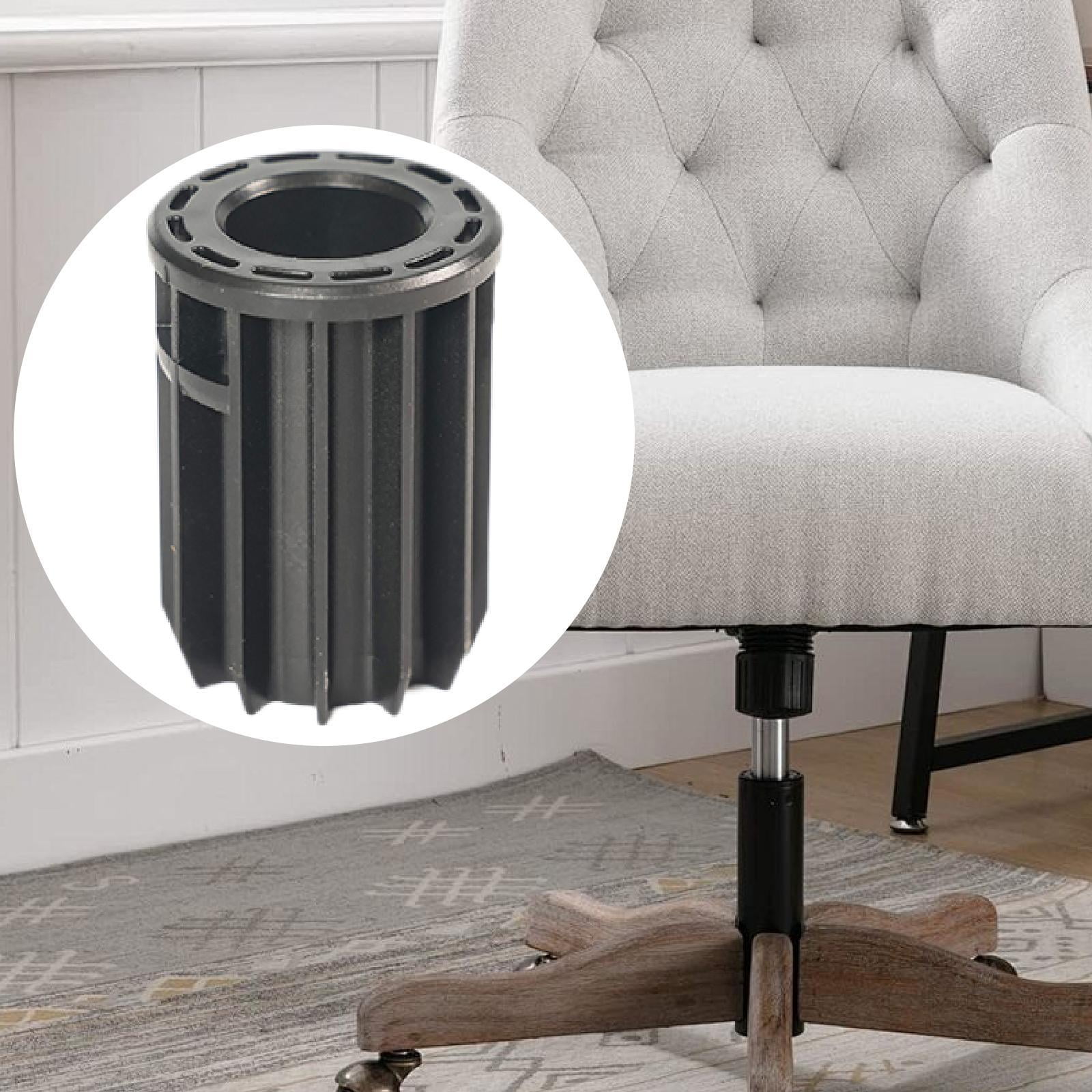
Imagine sitting down at your desk, and suddenly you're eye-level with your keyboard rather than your monitor. That sinking feeling—literally—is a classic sign of a failing hydraulic office chair. The culprit is almost always the gas lift cylinder, a piston filled with pressurized nitrogen that allows you to adjust height smoothly. Think of it like a shock absorber in a car, but instead of dampening bumps, it holds your weight at a set point.
According to a 2023 survey by the Office Furniture Rehabilitation Council, nearly 65% of office workers have experienced a sinking chair at some point. The good news? You don't always need to buy a new chair. In most cases, you can fix the hydraulic office chair yourself with basic tools and a little patience.
DIY Methods to Fix a Sinking Office Chair (Without Replacing the Cylinder)
Before you order a replacement part, try these temporary or even permanent quick-fixes. They work by physically blocking the cylinder from retracting.
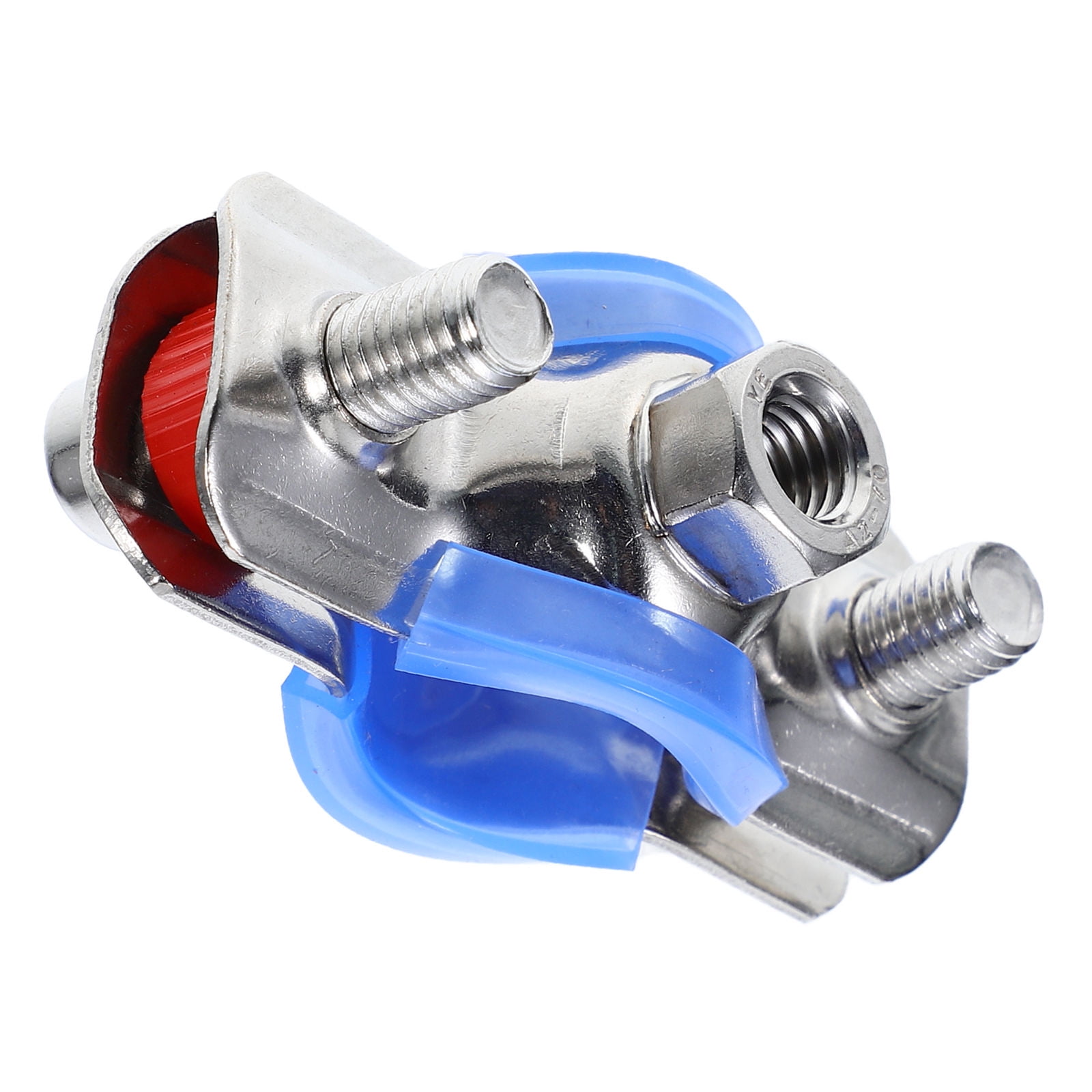
1. The Hose Clamp Trick
This is a popular method that uses a large-diameter hose clamp (available at any hardware store for under $5).
- Raise the chair to your desired height.
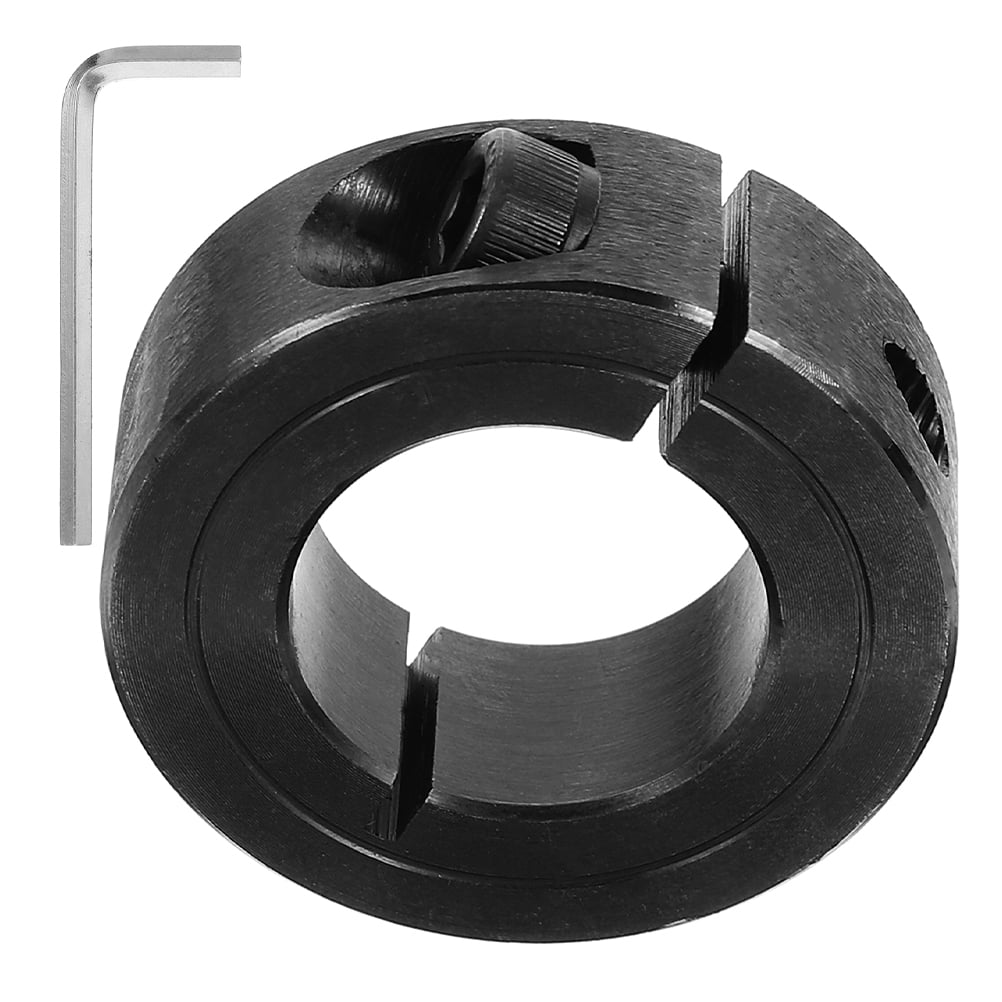
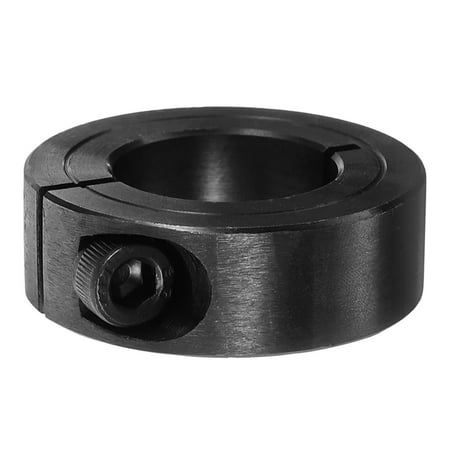
- Slide a 2.5 to 3-inch hose clamp around the metal shaft of the cylinder, just below the plastic shroud.
- Tighten the clamp with a screwdriver until it's snug against the shaft. Do not overtighten—you just want to create friction, not dent the metal.
- The clamp acts as a mechanical stop, preventing the inner cylinder from sliding back down.
2. PVC Pipe Spacer
If you prefer a non-invasive method, a length of PVC pipe can be a perfect collar.
- Measure the diameter of the exposed cylinder shaft (usually 1.5 to 2 inches).
- Buy a PVC pipe with an inner diameter slightly larger than the shaft.
- Cut a piece about 2-3 inches long. Slit it lengthwise so you can snap it around the shaft.
- Slide it down to the base. The pipe prevents the chair from lowering past that point.
These methods are great for a quick fix, but they don't address the root cause. For a permanent solution, read on.
Permanent Fix: Replacing the Hydraulic Gas Cylinder
Replacing the cylinder is more involved, but it's the only way to fully restore functionality. It's like changing a flat tire—you could patch it temporarily, but a new tube is best.
Tools & Parts You'll Need
- • Replacement gas lift cylinder (match diameter & length)
- • Rubber mallet or heavy hammer
- • Large pipe wrench or locking pliers (vice grips)
- • Flathead screwdriver
- • Penetrating oil (e.g., WD-40)
- • Gloves for grip
Step-by-Step Replacement Guide
Turn the chair upside down. Use a screwdriver to pry off any retaining clips or snap rings. You'll see where the cylinder attaches to the wheelbase and the seat mechanism. Often, a few sharp taps with a mallet on the base spokes will loosen it from the cylinder.
The top of the cylinder is friction-fitted into the seat mechanism. Use a pipe wrench to grip the cylinder body and twist while pulling down. If it's stuck, apply penetrating oil and let it sit for 15 minutes. You can also tap the mechanism gently with a mallet.
Old cylinder in hand, note its total length, extended length, and diameter. Standard sizes are Class 2, 3, or 4 (heavier duty). Buy a replacement that matches these specs—many online stores list dimensions clearly.
Insert the new cylinder into the wheelbase first—it should fit snugly. Then, with the chair right-side up, carefully lower the seat mechanism onto the top of the cylinder. You may need to sit on the chair or give it a firm push to lock it in place. Some cylinders have a tapered end that clicks into the mechanism.
Pump the lever and adjust height. If it holds steady, congratulations—you've successfully fixed your hydraulic office chair!
Cost Comparison: Repair vs. Replace
| Option | Estimated Cost | Time Required | Difficulty |
|---|---|---|---|
| Hose clamp / PVC fix | $5 – $10 | 10 minutes | Easy |
| DIY cylinder replacement | $20 – $50 (part only) | 30–60 minutes | Moderate |
| Professional repair service | $80 – $150 | Varies | Easy (for you) |
| Buying a new budget office chair | $100 – $250 | Immediate | Very easy |
Data point: A study by 'ChairRepairGuru' in 2024 indicated that 78% of sinking chairs can be revived with a simple cylinder swap, costing about 80% less than a new mid-range chair.
When NOT to Fix – Safety Considerations
While repairing is rewarding, there are times you should retire the chair:
- • The metal base or frame is cracked or bent.
- • The hydraulic cylinder is leaking oil (not just gas) – this indicates catastrophic failure.
- • The chair is over 10-15 years old and multiple components are worn.
- • You've replaced the cylinder before, and it failed again quickly – the chair mechanism might be damaged.
⚠️ Safety first: A chair that suddenly drops can cause back injury or falls. If you attempt repair, ensure all parts are securely fastened before full use.