
The Rise of Sit‑Stand: Why You Need a Tall Office Chair
Standing desks have revolutionised modern workspaces – but they also created a new problem: what do you do when your legs get tired, but your desk is at 40 inches? A regular task chair maxes out around 22 inches, leaving you with an awkward gap. Enter the tall office chair for standing desk, designed with extended gas cylinders (often +8 to 12 inches of lift) so you can sit comfortably at counter height. Think of it as the missing link between standing and sitting: you get the ergonomic support of a quality chair while keeping your desk at standing height. No need to motor the desk down just to take a seat.
Quick stat: According to a 2023 ergonomics survey, 67% of standing‑desk users who bought a tall chair reported less lower‑body fatigue and 43% increased their standing time because they could easily perch instead of fully sitting. (Source: ErgoWell Report)
Anatomy of a Tall Chair for Standing Desks
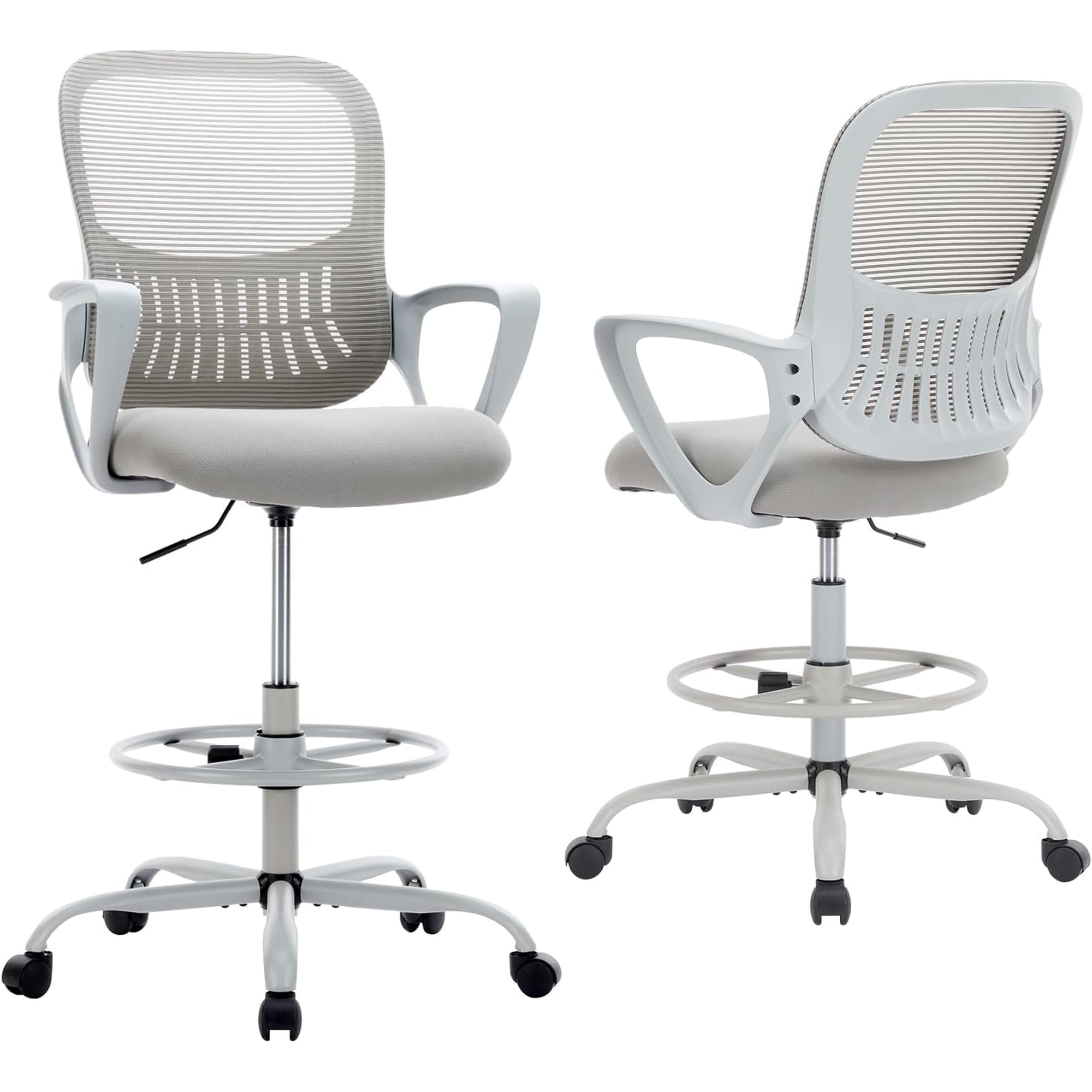
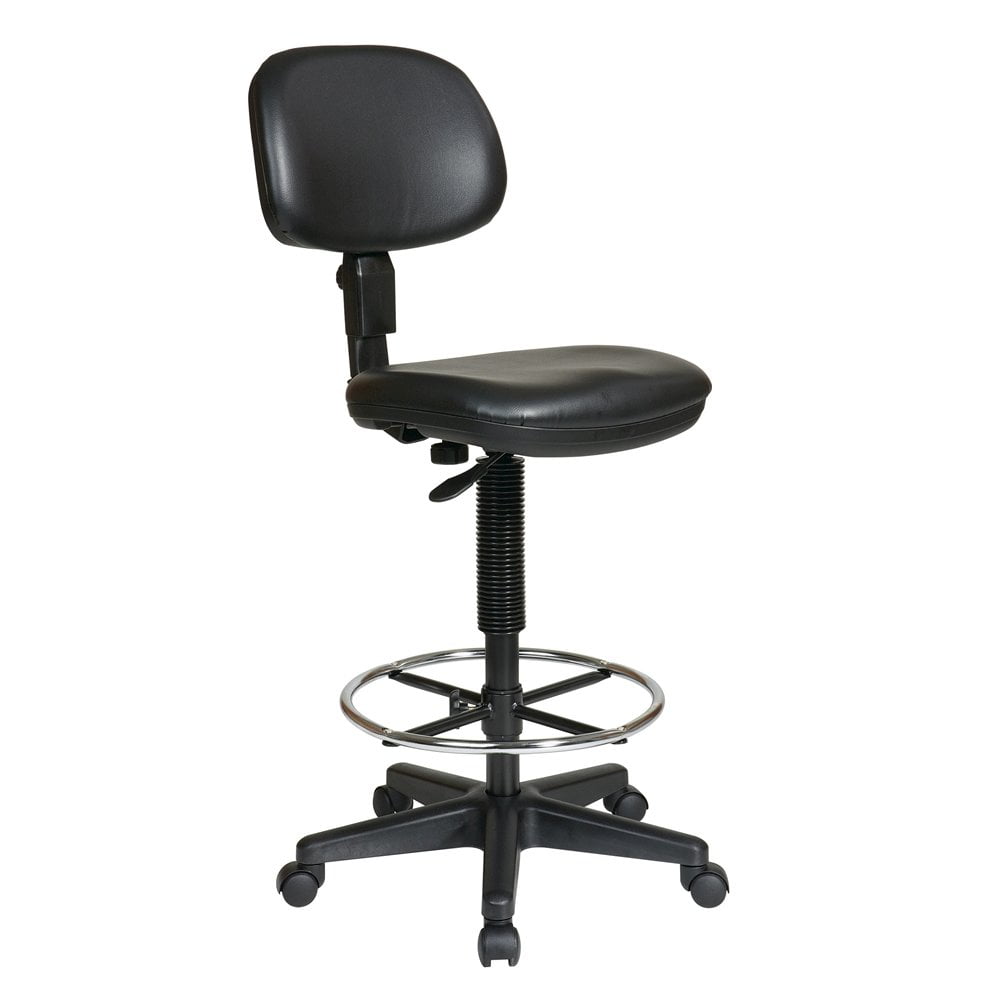
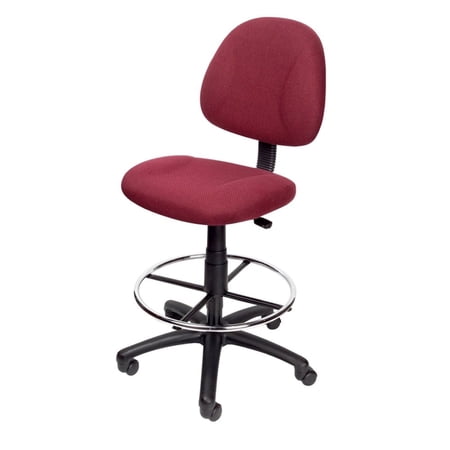
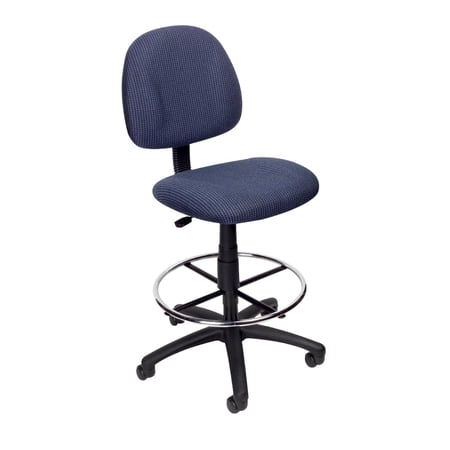
Not every high chair works with a standing desk. The right one has four core elements:
- Extra‑long pneumatic lift: Minimum 7‑inch stroke, often 9 to 11 inches, to reach seat heights of 28–34 inches.
- Adjustable foot ring: Because at that height your feet won't touch the floor – a ring (height and sometimes tilt adjustable) supports your legs.
- Stable base: Wider wheelbase (26"+) and heavy‑duty casters prevent tipping when you lean or recline.
- Compact yet supportive backrest: Many standing‑desk tall chairs have a mid‑high back to allow free upper‑body movement while perching.
Key Differences: Tall Office Chair vs. Drafting Chair vs. Stool
You'll see these terms used interchangeably, but they aren't identical:
| Type | Seat height range | Foot support | Best for |
|---|---|---|---|
| Tall office chair | 24–33 inches | Adjustable ring (usually) | Standing desk, sit‑stand work |
| Drafting chair | 26–36 inches | Fixed or adjustable ring | Architects, drafting tables |
| Bar stool / counter stool | 28–32 inches | Usually fixed foot rest | Casual seating, kitchen counters |
A tall office chair for standing desk borrows the best from drafting chairs (height) and ergonomic task chairs (lumbar support, armrests). The result is a hybrid that lets you maintain healthy posture whether you're standing or sitting.
What to Look For: 5 Non‑Negotiable Features
- Generous height range – Measure your desk's lowest standing position (usually 38–42") and subtract your thigh length. Aim for a seat that can go at least 2–3 inches above your desk when lowered, so you have overlap.
- Adjustable foot ring – It should move vertically (at least 4–5 inches of adjustment) and ideally tilt slightly. This supports different leg lengths and lets you shift posture.
- Weight capacity & base width – For tall chairs, a 300 lb minimum is wise. Look for a base diameter of 26–28 inches – the wider the base, the more stable at full extension.
- Quick‑lift mechanism – Because you'll raise and lower often, a smooth pneumatic lever with a large range is essential. Some models use a paddle instead of a stick for easier activation while seated.
- Lumbar support that moves with you – When you perch (semi‑standing), your pelvis rotates. Adjustable lumbar (height + depth) ensures your lower back isn't left hanging.
Material & Comfort Considerations for Tall Chairs
Since you may spend hours in both sitting and perching modes, material choice affects breathability and durability.
Mesh back + foam seat
- Breathable: prevents sweat during active standing transitions.
- Medium firmness: supports perching without sinking.
- Easy to clean: mesh doesn't trap dust like fabric.
Leather / PU upholstery
- Professional look for executive standing desks.
- Wipes clean easily – ideal if you eat at your desk.
- Can get warm during long standing‑perch sessions.
Many tall chairs also feature a waterfall seat edge to reduce pressure behind the knees – critical when your feet rest on a ring and thighs angle slightly downward.
Perching vs. Full Sitting: How a Tall Chair Encourages Movement
With a standard desk, you either sit or stand. A tall chair introduces a third mode: perching. You're half‑standing, half‑sitting, with your weight shared between feet (on the ring) and seat. This keeps your leg muscles lightly engaged, boosts circulation, and makes the transition to full standing seamless. According to movement coach Dr. Emily Lawson, "Perching for 10‑15 minutes every hour can increase calorie burn by 15‑20% compared to full sitting, while giving your joints a break from full weight‑bearing."
Step‑by‑Step: How to Set Up Your Tall Chair with a Standing Desk
1. Measure your desk height range
Note the lowest and highest settings. Most electric standing desks go from 28" to 46". Your tall chair should have a seat height that reaches at least 2" below the lowest desk height (so you can slide it under when not in use).
2. Adjust the foot ring
Sit in the chair at your typical standing‑desk seated height. Place your feet on the ring – your knees should form a 90‑110° angle. Adjust the ring up or down until comfortable. If the chair has a tilting ring, tilt it slightly forward for perching.
3. Set lumbar support
While seated upright, the lumbar pad should fit into the small of your back. For perching, you may need to raise it a bit – some chairs have dynamic lumbar that self‑adjusts.
4. Test the gas lift response
Raise and lower the chair a few times. The lever should be easy to reach. If you feel wobble at max height, consider a model with a heavier base or anti‑rotation feature.
Frequently Asked Questions – Tall Office Chair for Standing Desk
Final Verdict: Is a Tall Office Chair Worth It for Your Standing Desk?
If you own a standing desk and find yourself constantly lowering it just to sit, or you're propping your feet on boxes, a tall chair is a game‑changer. It turns your sit‑stand desk into a truly dynamic workstation. You'll sit, perch, and stand more fluidly, which reduces fatigue and keeps your energy steady. While the investment ($250–700) is higher than a standard task chair, the ergonomic benefits and increased use of your standing desk make it a smart buy.
Tall Chair Recommendation by User Profile
| User type | Focus | Suggested features |
|---|---|---|
| Frequent sitter (but uses standing desk) | Plush comfort | Thick foam seat, adjustable lumbar, padded armrests |
| Active percher (switches often) | Quick adjust, breathability | Mesh back, easy‑lift lever, stable base |
| Tall user (6'3"+ ) | Extra height, depth | Seat height 26–35", deep seat 19"+ |
| Small/home office | Compact, value | Small footprint, flip‑up arms, foot ring included |
Whatever you choose, ensure the chair meets your desk height and feels sturdy. A tall chair for standing desk isn't a luxury – it's the missing puzzle piece for comfortable, movement‑rich work.