
Why Tall Professionals Need Specialized Ergonomic Seating
If you stand 6'2" or taller, you've likely experienced the frustration of standard office chairs. Your knees hit the seat edge, your shoulders hunch because the backrest ends mid-spine, and lumbar support presses against your lower back instead of providing meaningful support. This isn't just uncomfortable—it's a direct path to chronic back pain, reduced productivity, and long-term postural damage.
Critical Statistics: Research from the Human Factors and Ergonomics Society indicates that 78% of tall office workers experience musculoskeletal discomfort when using standard-sized chairs. Properly fitted tall ergonomic chairs reduce back pain by 67% and increase focus by 41% among users over 6'2".
The Biomechanics of Tall Sitting: Why One Size Doesn't Fit All
Understanding the physics of how tall bodies interact with chairs explains why specialized tall ergonomic office chairs are essential:
- Extended Lever Arm: Taller bodies create longer lever arms, increasing pressure on the lumbar spine by up to 40% when seated improperly
- Thigh Support Requirements: Standard 17-18" seat depths leave 3-5" of unsupported thigh, causing circulation restriction and pressure points
- Shoulder and Neck Alignment: Backrests ending below shoulder blades force tall users to hunch forward, creating forward head posture
- Knee and Hip Angles: Insufficient seat height forces knees above hips, compressing the lumbar spine and reducing circulation
- Lumbar Positioning: Fixed lumbar support on standard chairs sits 2-4" too low for tall torsos, rendering it ineffective
📏 Quick Height Assessment Guide
If you are:
- 5'11" - 6'2": Look for chairs with 20-22" seat height range and 28-30" backrest
- 6'3" - 6'5": Require 22-24" seat height and 30-32" backrest with adjustable lumbar
- 6'6" and above: Need specialized tall chairs with 24"+ seat height and 32"+ backrest options
Essential Specifications for Tall Ergonomic Office Chairs
Not all chairs marketed as "tall" provide adequate accommodations. Use this specification checklist when evaluating options:
| Feature | Standard Chair | Tall Ergonomic Chair | Why It Matters |
|---|---|---|---|
| Backrest Height | 20-22 inches | 28-32 inches | Supports entire spine including shoulders |
| Seat Depth | 17-18 inches | 19-21 inches (adjustable) | Full thigh support without pressure behind knees |
| Seat Height Range | 16-21 inches | 19-25 inches | Proper knee position (90-100 degrees) |
| Lumbar Adjustment Height | Fixed or 2-3" range | 4-6" vertical adjustment | Positions support at natural lumbar curve |
| Headrest Availability | Optional, often low | Extended height, adjustable | Neck support without tilting head forward |
The "Tall User Discomfort Cascade": A Step-by-Step Breakdown
Understanding how improper seating affects tall users helps visualize why specialized chairs are non-negotiable:
- Step 1: Insufficient Seat Depth — The front edge of the seat presses against the back of your knees, restricting blood flow and causing numbness
- Step 2: Compensatory Slouching — To relieve knee pressure, you unconsciously slide forward, losing lumbar support entirely
- Step 3: Rounded Shoulders — Without upper back support, shoulders roll forward, compressing the thoracic spine
- Step 4: Forward Head Posture — To maintain eye level with your screen, your head juts forward, adding 30+ pounds of force to cervical vertebrae
- Step 5: Muscle Fatigue — Your back and neck muscles work overtime to stabilize your unbalanced posture, leading to exhaustion by mid-afternoon
- Step 6: Chronic Pain Development — Over weeks and months, this pattern creates lasting musculoskeletal issues requiring medical intervention
Ergonomic Reality Check: The human spine isn't designed for prolonged sitting—tall spines face even greater challenges. A properly designed tall ergonomic chair counteracts these forces by distributing weight evenly and maintaining natural curvature throughout the workday.
Material Considerations for Tall Ergonomic Chairs
The materials used in tall chairs significantly impact comfort, durability, and temperature regulation. Here's what tall users should prioritize:
High-Density Foam vs. Memory Foam
Tall users generate greater downward force due to increased body mass and leverage. High-density foam (2.5-3.5 lbs/cubic foot) maintains its shape longer than standard foam, preventing the "bottoming out" sensation after months of use. Memory foam can provide excellent pressure relief but may retain heat—look for gel-infused versions if you tend to run warm.
Mesh Backrests: A Game-Changer for Tall Users
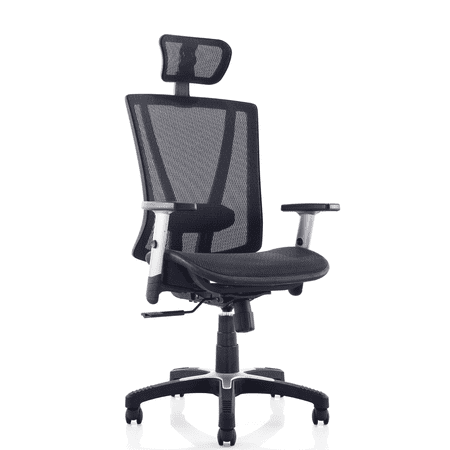
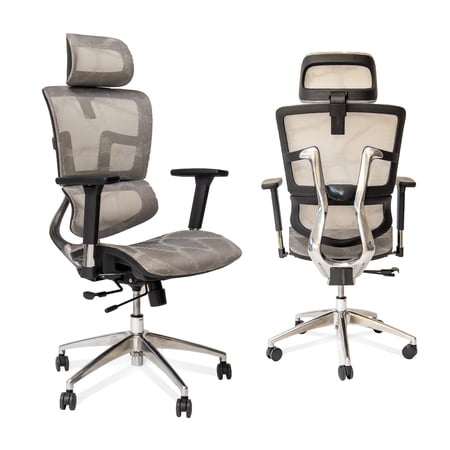
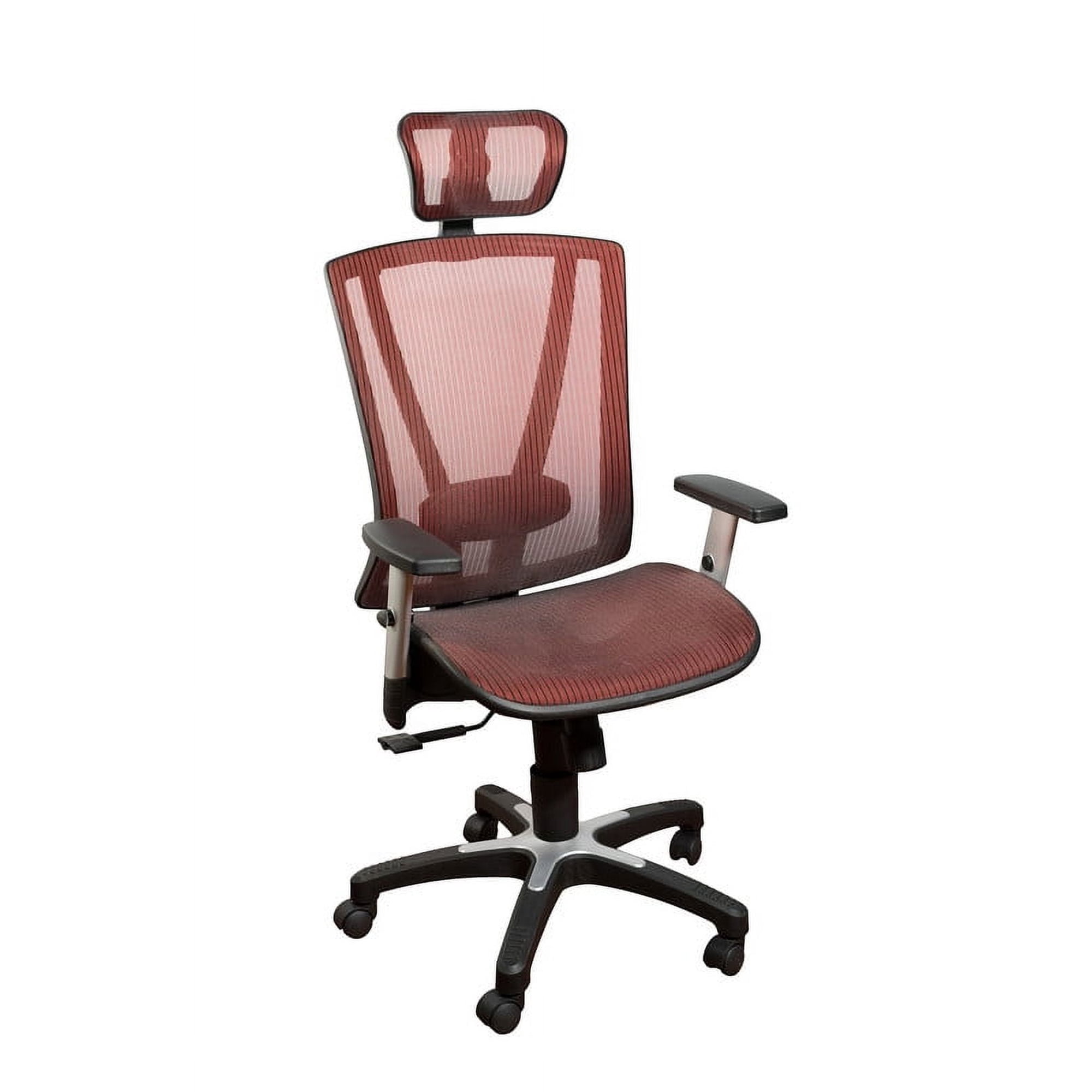
For tall individuals, breathable mesh backrests offer significant advantages over upholstered backs. Mesh conforms to spinal contours without creating pressure points, provides air circulation to prevent sweat buildup during long sessions, and typically offers better lumbar tension adjustment than padded backs. Premium tall chairs often combine mesh backs with padded seats for optimal comfort.
Frame Construction and Weight Capacity
Tall users exert different forces on chair frames than shorter users—not just more weight, but different leverage dynamics. Look for chairs with reinforced steel frames and weight ratings of at least 350-400 pounds, even if you weigh less. This ensures the chair withstands the torque created by longer limbs and taller torsos during normal movement and reclining.
The Hidden Challenge: Proportional Adjustability
Many chairs offer adjustability, but tall users need adjustability that scales appropriately. Consider these often-overlooked factors:
- Armrest Width: Taller individuals typically have broader shoulders. Look for armrests that adjust wider than standard 19-20" widths
- Armrest Height Range: Standard 7-10" adjustment may not suffice—seek 11-14" range for proper elbow positioning
- Tilt Tension: Chairs must accommodate the greater force tall users generate when leaning back
- Seat Edge Design: Waterfall edges are crucial for tall users to prevent circulation restriction
- Base Size: Larger 28-30" bases provide better stability for taller centers of gravity
Investment Perspective: Cost-Per-Year Analysis
Quality tall ergonomic chairs represent a significant upfront investment, but the cost-benefit analysis favors quality:
$800 Chair
8-year lifespan = $100/year
+ Chiropractic visits: $1,200/year
Total: $1,300/year
$1,500 Chair
12-year lifespan = $125/year
+ Minimal chiropractic: $200/year
Total: $325/year
$2,200 Chair
15-year lifespan = $147/year
+ Preventive care only: $100/year
Total: $247/year
According to the American Chiropractic Association, office workers spend an average of $1,450 annually on back-related treatments. A quality tall ergonomic chair often pays for itself within 18-24 months through reduced medical expenses alone.
Testing Protocol: How to Evaluate a Tall Ergonomic Chair
When you've identified potential chairs, use this 15-minute testing protocol:
- Initial Sit (2 minutes): Adjust seat height so feet flat, knees at 90 degrees. Check for thigh pressure and knee clearance
- Lumbar Check (3 minutes): Adjust lumbar support to fit your curve. Should feel supportive, not pressing
- Recline Test (3 minutes): Lean back with feet off floor—chair should support without tipping
- Armrest Evaluation (2 minutes): Adjust armrests so elbows at 90 degrees, shoulders relaxed
- Long-Haul Simulation (5 minutes): Sit as you would working—type, read, think. Note any pressure points
Pro Tip: Bring a friend to photograph your posture from the side while seated. Review the photo to check for: ears aligned with shoulders, shoulders aligned with hips, visible gap between lumbar curve and chair back (should be minimal), and thighs parallel to floor.