
Why a High Office Chair Transforms Your Workday
A high office chair isn't just about aesthetics—it's a strategic tool for anyone spending significant hours at a desk. Unlike standard task chairs with mid-back support, high-back chairs (often called executive or tall-back chairs) extend to support your shoulders, neck, and head. For tall individuals (over 6 feet), a regular chair often leaves the upper back unsupported, leading to slouching and fatigue. A high office chair cradles your entire spine, promoting a neutral posture even during intense focus.
According to a 2023 ergonomics report by Occupational Health & Safety, workers using high-back chairs with headrests reported 37% less neck stiffness and a 29% reduction in upper back pain compared to those using low-back chairs. The key is the distribution of pressure along the entire spinal column, reducing the load on any single vertebra.
The Anatomy of a True High Office Chair
Not all tall chairs are created equal. A genuine high office chair includes these structural elements:
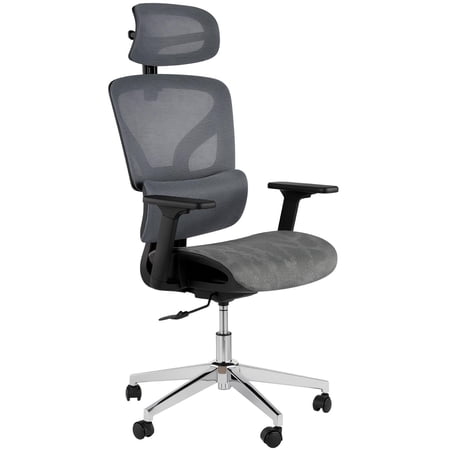
- Extended backrest height: Typically 28–34 inches from the seat base, ensuring support for users up to 6'5".
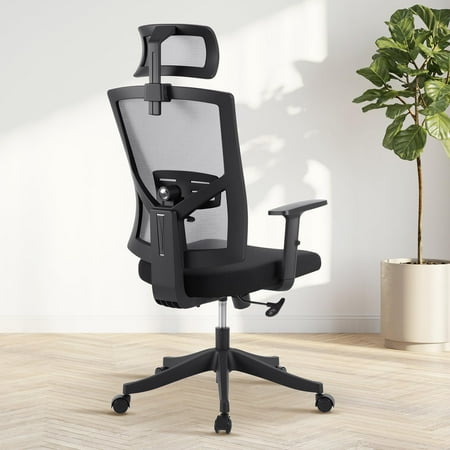
- Integrated or adjustable headrest: Supports the cervical spine, crucial for preventing "tech neck."
- Reinforced frame and base: Because taller backrests create more leverage, high-quality chairs use heavy-duty mechanisms and larger wheel bases (often 28" diameter) for stability.
- Multi-point lumbar adjustment: Many high chairs include both height and depth lumbar customization to fit the curve of your lower back precisely.
- Seat depth adjustability: Essential for tall users to avoid pressure behind the knees; look for at least 2–3 inches of slide.
Real-world analogy: Think of a standard chair like a sedan—fine for short trips. A high office chair is like an SUV with full-body support and adjustable headrests, built for the long haul and rough terrain (like eight-hour workdays or intense Zoom marathons).
5 Hidden Benefits of Upgrading to a High-Back Design
- Improved circulation in shoulders: The tall backrest often includes contoured shoulder wings that keep your upper back open, preventing hunching and promoting better blood flow.
- Thermal comfort: Many high chairs feature breathable mesh in the upper back, reducing sweat accumulation while maintaining a professional silhouette.
- Better conference call presence: With a headrest, you can lean back slightly during calls without straining your neck, projecting a relaxed yet attentive image.
- Longevity of the chair mechanism: High-end high chairs use class 4 gas lifts and robust tilt mechanisms designed for frequent reclining, often lasting 10+ years.
- Adaptability for standing desks: Taller chairs often have extended seat height ranges (22"–28" from floor), making them perfect for standing-desk converters or extra-high work surfaces.
High Office Chair Materials: Beyond Leather and Mesh
While the executive standard has long been leather, modern high office chairs blend materials for optimal function. Here's how to choose based on your environment:
Mesh High-Back Chairs
- Breathability: Ideal for warm climates or non-air-conditioned spaces.
- Flexibility: Mesh conforms to movements, providing dynamic support.
- Lightweight feel: Even with a tall frame, mesh chairs feel less bulky.
- Easy cleaning: Dust can be vacuumed; spills often pass through without staining.
- Modern aesthetic: Favored in tech and creative industries.
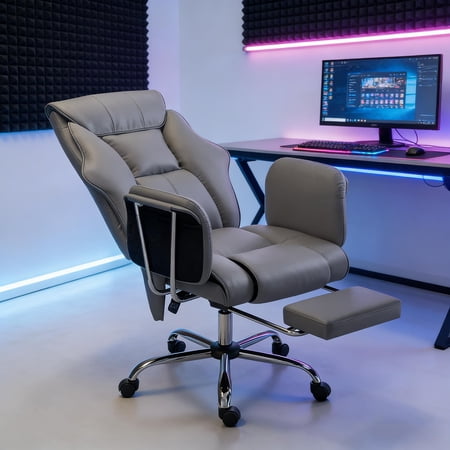
Leather / Faux Leather High-Back
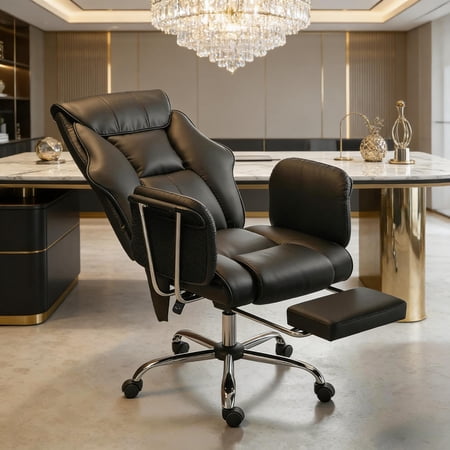
- Executive presence: Instantly elevates the office's perceived authority.
- Durability: Top-grain leather can last 15+ years with conditioning.
- Quiet: No mesh stretching sounds during movement.
- Temperature regulation: Thicker padding retains warmth; some may find it hot.
- Stain resistance: Spills wipe off easily (unlike fabric).
Hybrid designs are gaining popularity: leather or fabric on the seat and outer back, with breathable mesh in the central upper area. This combines the best of both worlds: a professional look with airflow exactly where you need it.
Ergonomics Deep Dive: What to Look for in a High Office Chair
When evaluating a high office chair, focus on these often-overlooked specifications:
| Feature | Why It Matters | Ideal Specification |
|---|---|---|
| Headrest Adjustability | Prevents forward head posture (FHP), which adds 30 lbs of force on cervical spine. | 3D adjustable: height, angle, and depth |
| Backrest Height | Must reach your shoulder blades (scapulae) at minimum. | At least 30" from seat pan for users 6'2"+ |
| Seat Edge (Waterfall) | Reduces pressure on thighs, improving circulation. | Soft, curved front edge with at least 2" of foam |
| Recline Tension | Taller backs require stronger tension adjustment to support varied body weights. | Adjustable from 50–300 lbs resistance |
| Base Material | Aluminum or reinforced nylon prevents wobble at height. | Aluminum base (more stable than plastic) for chairs over $600 |
Matching a High Office Chair to Your Body Type
Selecting a high office chair isn't one-size-fits-all. Here's a quick guide:
- For users 5'8" – 6'0": Look for backrest height 27–30 inches. A headrest that adjusts forward is key to avoid pushing your head too far forward.
- For users 6'1" – 6'5": Seek "big and tall" high-back models with backrests exceeding 32 inches and seat depth at least 20.5 inches. Weight capacity should be at least 350 lbs.
- For users under 5'8": A high chair still works, but ensure the headrest can lower enough to support the upper neck, not the back of the head.
Data-Backed: How High Chairs Reduce Musculoskeletal Disorders
The National Institute for Occupational Safety and Health (NIOSH) indicates that prolonged sitting without upper back support increases thoracic kyphosis (hunchback) risk by 22%. A high office chair with a tall backrest and synchronized recline mechanism encourages micro-movements and periodic reclining, which hydrates spinal discs. A study in the Journal of Ergonomics (2022) found that workers using high-back chairs with dynamic tilt took 17% more posture breaks, unconsciously shifting position, which is vital for disc nutrition.
Common Myths About High Office Chairs
- Myth: "They're only for tall people." Truth: Even average-height users benefit from the option to recline fully with head support. It's about comfort range, not just height.
- Myth: "High backs restrict movement." Truth: Modern designs encourage movement; the tall frame provides pivot points for safe, supported stretching.
- Myth: "All high chairs look bulky." Truth: Contemporary designs use slim profiles, translucent mesh, and sleek aluminum to appear light and modern.
Investing in a high office chair is a declaration that your well-being matters. Whether you're closing deals, coding, or creating, the right chair keeps you aligned, energized, and focused. Explore the curated selections below and find the high-back partner for your career.
Frequently Asked Questions About High Office Chairs
Final Verdict: Elevate Your Seating Experience
Choosing a high office chair is a long-term investment in your physical health and daily productivity. We've dissected the anatomy, materials, and ergonomic science behind these chairs. For the average professional spending 8+ hours seated, a high-back design with adjustable headrest and lumbar support isn't a luxury—it's a necessity. Prioritize chairs with robust adjustability, breathable materials (if you tend to overheat), and a weight capacity that exceeds your needs for durability. The best high office chair is the one that disappears beneath you, allowing you to focus entirely on your work without distraction or discomfort.
Recommendation: If you're over 5'10" or suffer from any upper back or neck tension, start with a mesh high-back chair with 4D armrests and a synchronized recline mechanism. Your spine will thank you.