

Why Your Workspace Needs a Bar Height Office Chair
The modern office is no longer one-size-fits-all. With the rise of standing desks, collaborative high-top tables, and multi-functional spaces, the humble office chair has evolved. Enter the bar height office chair—often called a drafting chair or tall office chair. It's not just a stool with a backrest; it's an ergonomic solution designed for surfaces between 36 and 42 inches high. Think of it as the bridge that lets you maintain proper posture whether you're standing, leaning, or sitting at an elevated station.
Ergonomic Insight: A study published in the Journal of Physical Therapy Science found that using properly adjusted height-appropriate seating can reduce lower back strain by up to 30% compared to hunching over a high counter on a standard stool. A bar height office chair with lumbar support brings the ergonomic benefits of a task chair to elevated work surfaces.
Key Differences: Bar Height vs. Standard Office Chairs
- Elevated Cylinder: The pneumatic lift is longer, providing seat heights typically from 24 to 32 inches.
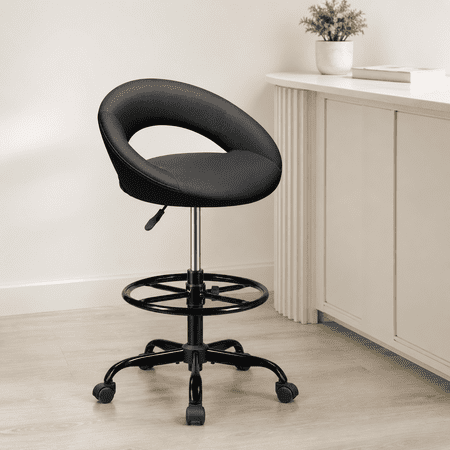
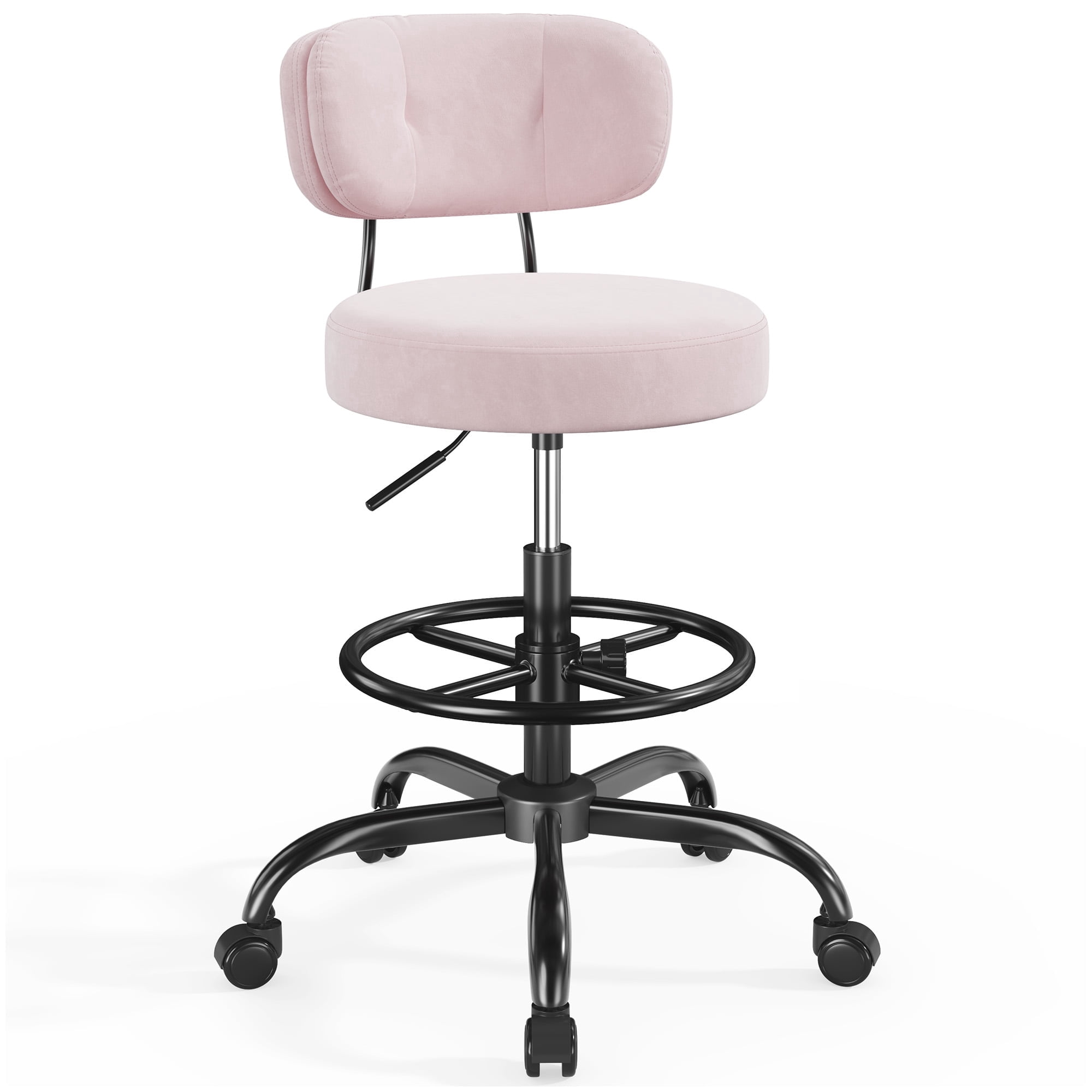
- Footring (or Footrest): An almost universal feature—a circular ring near the base to rest your feet, compensating for the lack of floor contact.
- Wider, Heavier Base: To maintain stability at height, manufacturers use a broader 5-star base, often with weighted construction.
- Compact Backrest: While some models have high backs, many are designed with mid-backs to allow free movement in collaborative settings.
- Adjustable Armrests: Crucial for supporting elbows at the correct angle when using a keyboard on a high surface.
5 Situations Where a Bar Height Chair is the MVP
- The Standing Desk Transition: You love your standing desk but need to sit occasionally. A bar height chair lets you switch postures without lowering the desk.
- Collaborative Breakout Spaces: High-top tables encourage quick meetings. These chairs provide proper seating without the formality of full-size office chairs.
- Laboratory or Studio Environments: Counters and workbenches are often high; drafting chairs are standard in labs, architect studios, and workshops.
- Kitchen Office or Breakfast Bar: Working from the kitchen island? A bar height office chair blends with home decor while supporting long laptop sessions.
- Reception & Hospitality: Create a modern, inviting reception area where guests can sit comfortably at high counters.
Anatomy of an Ergonomic Bar Height Chair
Don't be fooled by a simple tall stool. A true ergonomic bar height office chair should include these elements:
- Adjustable Lumbar Support: Many assume tall chairs sacrifice back support. Premium models include height-adjustable lumbar to match your spine's curve, even at elevation.
- Seat Depth Slider: A waterfall-edge seat with depth adjustment ensures proper thigh support without cutting off circulation.
- Multi-functional Armrests: 3D or 4D armrests (height, width, depth, pivot) are vital to keep shoulders relaxed while typing on a high surface.
- Tilt Mechanism with Lock: A slight recline (up to 15-20 degrees) reduces spinal disc pressure. Look for tilt lock and tension control.
- Sturdy Footring: Should be height-adjustable (or at least well-placed) so your knees form a 90-degree angle.
Material Matters: What to Look For
Mesh for Breathability
- • Ideal for long hours and warm environments.
- • Contours to your back without retaining heat.
- • Usually lighter and easier to adjust.
Leather/Fabric for Comfort
- • Leather offers a premium, professional look.
- • Fabric provides cushioning and warmth.
- • Ensure high-density foam to prevent sagging.
Quick Tip: For a chair that will be used by multiple people (e.g., in a collaborative space), choose durable, easy-to-clean upholstery like bonded leather or performance fabric.
How to Choose the Right Height: A Simple 3-Step Test
- Measure your surface: Floor to tabletop. Standard standing desks are 36-42".
- Check chair specs: Look for the minimum and maximum seat height. A good range for most is 24" to 32".
- Simulate the 90-degree rule: When seated, your thighs should be parallel to the floor, feet flat on the footring, and forearms parallel to the desk surface.
If you're between sizes, choose a chair with a slightly higher max height—you can always use a lower foot position, but you can't make a short chair taller.
Stability & Safety: What the Numbers Tell You
Because you're sitting higher, the base and gas lift must be robust. Look for these indicators:
- Base material: Nylon or polished aluminum? Aluminum is sturdier but pricier. Nylon is lighter and sufficient for most users if well-constructed.
- Casters: Soft rubber casters for hard floors, or standard for carpet. Locking casters can be useful on slightly uneven surfaces.
- Weight capacity: Aim for at least 300 lbs for a standard user. For extra stability, some bar height chairs are rated at 400-500 lbs, indicating a reinforced cylinder and wider wheelbase.
Pros & Cons: The Tall Chair Verdict
✅ Advantages
- Enables sit-stand flexibility
- Perfect for high counters & labs
- Promotes active posture
- Saves space in collaborative areas
❌ Considerations
- Not suitable for standard desks
- Footring may feel restrictive initially
- Slightly heavier to move
- Can be more expensive than stools