
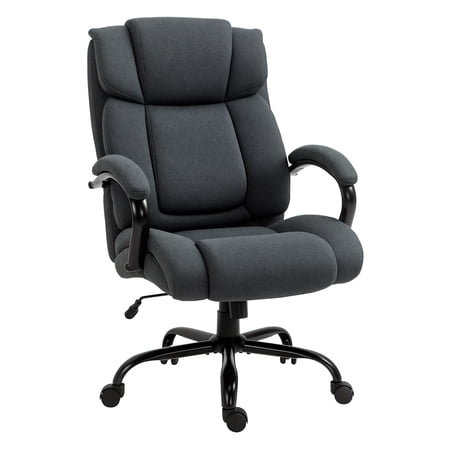
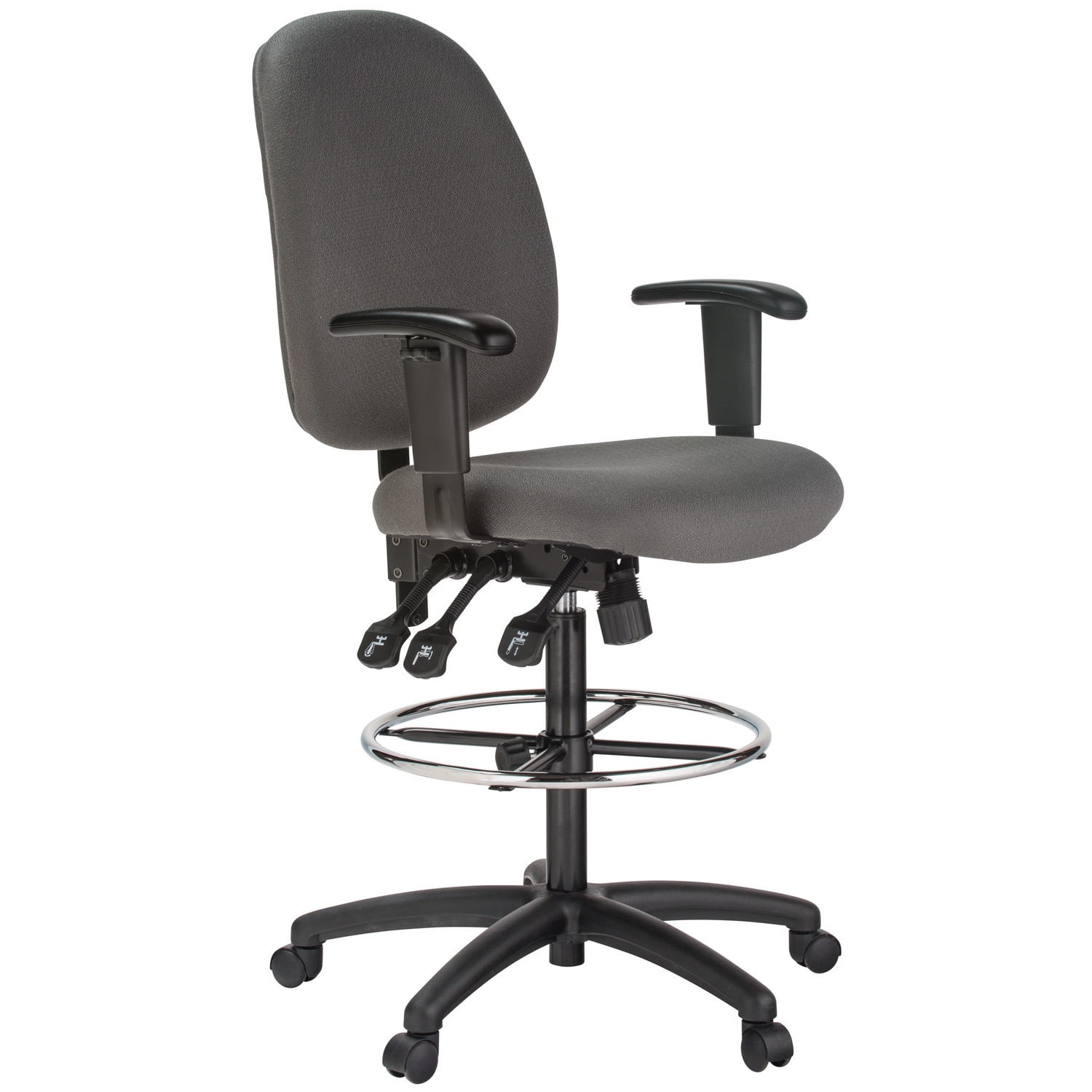
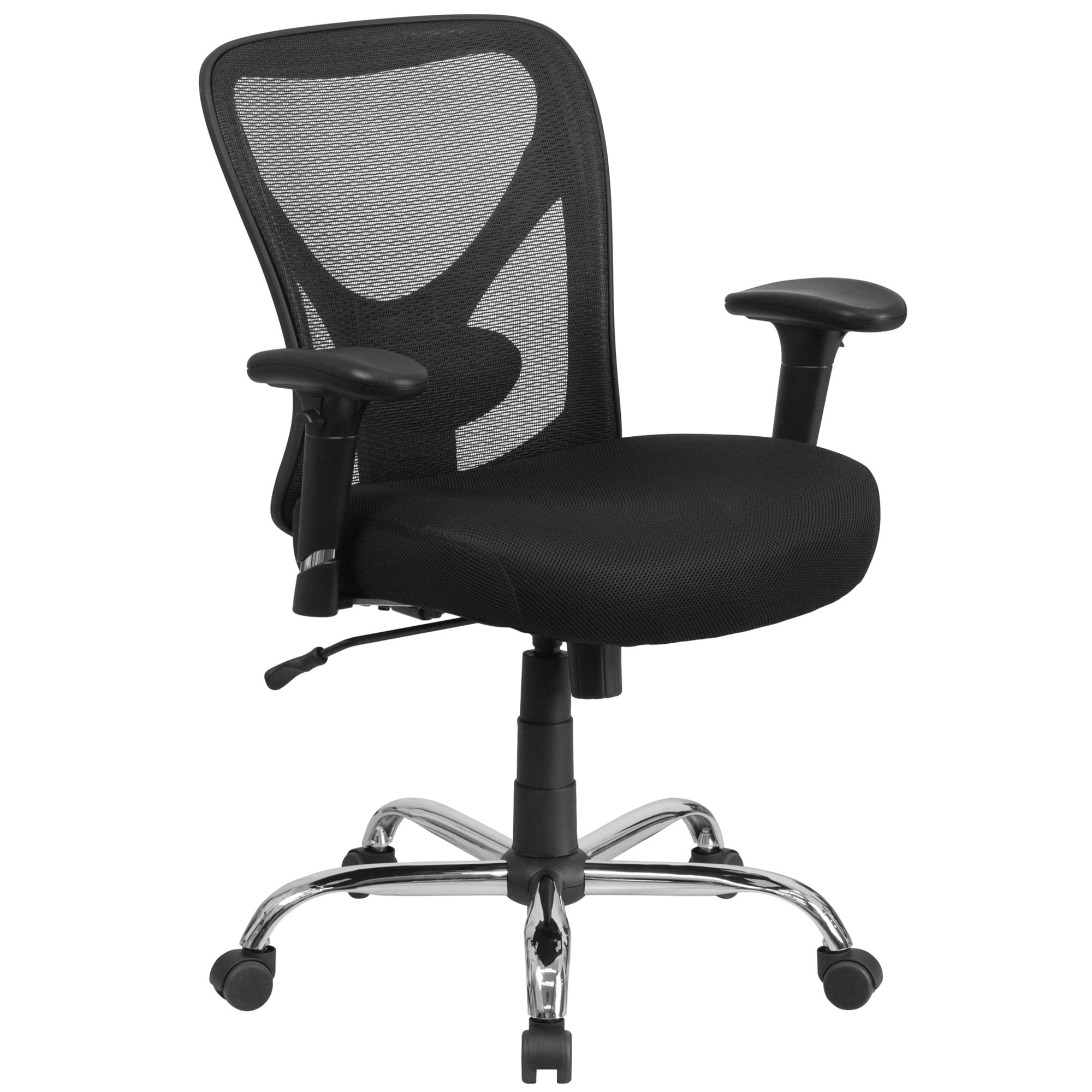
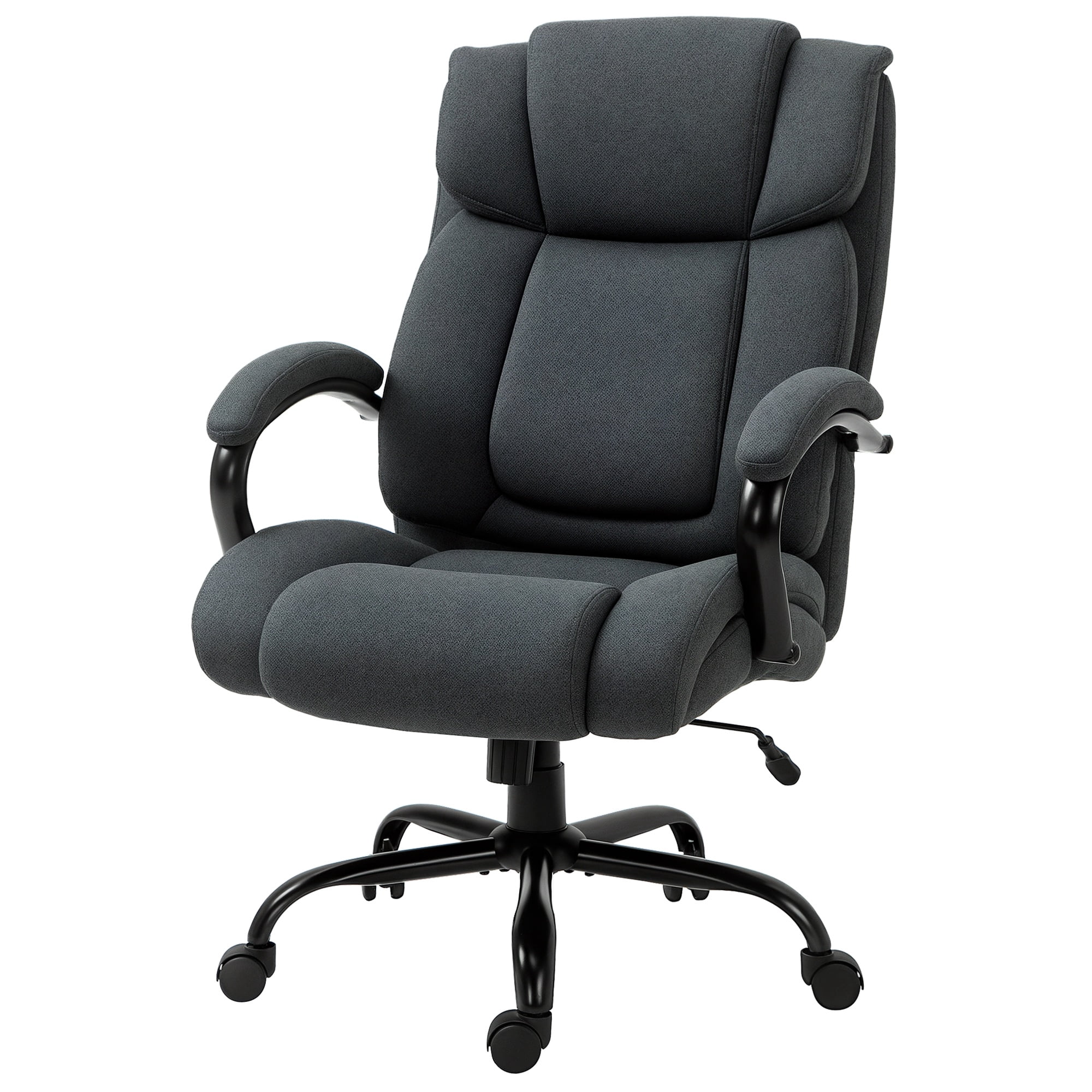
Why Tall Professionals Need Specialized Adjustable Office Chairs
If you're 6'2" or taller, you've likely experienced the frustration of standard office chairs: the headrest presses into your shoulders, lumbar support hits your mid-back, and the seat pan feels like it was designed for someone half your size. This isn't just uncomfortable—it's a recipe for chronic pain and long-term health issues.
Ergonomic Reality Check: According to occupational health studies, individuals over 6'2" who use standard-height chairs are 73% more likely to develop lower back pain and 68% more likely to experience neck strain compared to their average-height colleagues. The problem isn't you—it's the chair. A properly engineered tall adjustable office chair can reduce spinal compression by up to 45% and eliminate the "forward head posture" that plagues tall desk workers.
The Tall Person's Guide to Chair Measurements
Understanding the specific measurements that matter for tall individuals is the first step to finding your perfect chair. Think of your chair like a tailored suit—off-the-rack (standard) simply won't fit properly. Here's what to look for:
Seat Height Range
Standard Chairs: 16-20 inches
Tall Chairs: 18-25 inches
Your knees should be at 90 degrees with feet flat. If your thighs angle up, you need more height.
Backrest Height
Standard Chairs: 20-22 inches
Tall Chairs: 25-32 inches
Should support your entire back including shoulders. Measure from seat to top of shoulders.
Seat Depth
Standard Chairs: 16-18 inches
Tall Chairs: 18-22 inches
You need 2-3 finger gaps behind knees. Too short = no thigh support. Too long = cuts off circulation.
The 5 Critical Adjustments for Tall Users
A tall adjustable office chair isn't just about being bigger—it's about having a wider range of adjustments to accommodate longer limbs and torsos. Here's what to look for:
Extended Pneumatic Lift
Look for chairs with 5-7 inches of height adjustment range, reaching at least 24 inches at maximum. Standard lifts only go to 20-21 inches.
Adjustable Seat Depth
Must-have feature for tall users. Look for at least 3 inches of seat slider adjustment to properly support your thighs without pressure behind knees.
4D Armrests
Height, width, depth, and pivot adjustments. Tall users need armrests that move independently to support longer arms at proper angles.
Multi-Position Lumbar
Adjustable in both height AND depth. The lumbar curve needs to hit your natural spinal curve—not sit too high or too low.
Tilt Tension Adjustment
Taller individuals have different weight distribution. Adjustable tilt tension ensures the recline matches your body mechanics.
Adjustable Headrest
Look for headrests that adjust vertically (at least 4 inches) and pivot. The headrest should support your neck, not your upper back.
Seat Depth: The Most Overlooked Factor for Tall People
Imagine wearing shoes that are two sizes too small—that's what sitting in a shallow seat feels like for tall individuals. Seat depth (the distance from the back of the seat to the front edge) determines how much of your thighs are supported.
Why it matters: When the seat is too short, your thighs hang unsupported, forcing your lower back to bear the weight of your legs. This leads to:
- Increased pressure on the tailbone (up to 40% more pressure according to biomechanics research)
- Forward slouching posture as you try to find support
- Reduced circulation in legs from poor positioning
- Faster fatigue during long work sessions
The ideal seat depth leaves 2-3 finger widths (about 2-3 inches) between the back of your knees and the seat edge. For most tall individuals, this requires a seat depth of 19-22 inches.
Material Considerations Specifically for Tall Users
High-Density Foam
- Better weight distribution for longer frames
- Resists bottoming out even after hours of sitting
- Maintains shape under extended leg leverage
- Look for: 2.5-3.5 lb density foam minimum
Premium Mesh
- Breathability crucial for taller individuals who generate more body heat
- Conforms to longer back contours without pressure points
- Look for: 8-way stretch mesh with reinforced edges
Extended Leather
- Full-grain leather stretches slightly for comfort
- Extra-wide cuts to accommodate broader shoulders
- Look for: Chairs specifying "tall cut" or "extended back"
The Anatomy of a Proper Tall Adjustable Office Chair
Think of a tall adjustable office chair like a suspension bridge—every component must be engineered for longer spans and different stress points. Here's what's happening under the surface:
- Reinforced Gas Cylinder: Tall chairs use Class 4 or 5 gas lifts (vs. Class 3 in standard chairs) to handle extended height without wobble. The cylinder is often longer (allowing more extension) and thicker-walled.
- Wider Base Span: The five-point base should be at least 28 inches in diameter (vs. 25-26 inches standard). This wider stance prevents tipping when you lean back or shift weight.
- Larger Casters: 3-inch casters (vs. 2-inch standard) roll smoothly under longer legs and higher weight. Look for dual-wheel casters that distribute pressure.
- Reinforced Backrest Frame: The frame extends higher, requiring stronger materials (often aluminum or reinforced nylon) to prevent flex during recline.
Height-Specific Recommendations
| Your Height | Minimum Seat Height Range | Minimum Backrest Height | Minimum Seat Depth | Priority Features |
|---|---|---|---|---|
| 6'2" - 6'4" | 19" - 23" | 25" | 19" | Adjustable lumbar height, seat depth slider |
| 6'5" - 6'7" | 20" - 24" | 28" | 20" | Extended cylinder, 4D armrests, headrest |
| 6'8" and above | 21" - 25"+ | 30"+ | 21"+ | Custom/extra-tall models, reinforced frame, 400+ lb capacity |
Health Consequences of Wrong Chair Height
Sitting in a chair that's too small isn't just uncomfortable—it physically alters your posture over time. Understanding these consequences helps justify investing in the right tall adjustable office chair:
- Cervical Kyphosis: When the chair back is too short, you crane your neck forward to see your screen. Over time, this reverses the natural curve of your neck (military neck posture).
- Thoracic Hunch: Without proper upper back support, tall individuals round their shoulders forward, compressing the thoracic spine and reducing lung capacity by up to 30%.
- Lumbar Hyperlordosis: To compensate for low lumbar support, you may arch your back excessively, straining the lower back muscles and spinal discs.
- Popliteal Compression: Seats that are too short or too high compress the area behind your knees, restricting blood flow and increasing DVT risk during long sits.
The "Tall Person's Test" for Office Chairs
Use this 5-point checklist when evaluating any tall adjustable office chair:
- The Headrest Test: Sit upright. Does the headrest contact your neck, or your upper back? It should support the curve of your neck, not push your head forward.
- The Shoulder Test: Reach back and feel where the chair back ends. It should reach at least your shoulder blades, preferably your shoulders themselves.
- The Lumbar Test: Slide your hand behind your lower back. The lumbar curve should hit exactly at your belt line, not above it.
- The Thigh Test: Sit with your back against the chair. Slide your fingers behind your knee. You should have 2-3 fingers of space—no more, no less.
- The Armrest Test: Relax your arms at 90 degrees. Armrests should support your forearms without lifting or dropping your shoulders.
Standing Desks and Tall Adjustable Chairs: The Perfect Pairing
For tall individuals, the combination of a standing desk and a tall adjustable chair creates the ultimate ergonomic setup. Here's why this pairing matters:
- Height Synchronization: Your chair at maximum height should align with your desk at minimum sitting height. For tall users, this means your desk must adjust low enough (24-25 inches) to meet your chair's extended range.
- Active Sitting Benefits: Tall chairs with proper ergonomics encourage micro-movements and position changes, which tall individuals need more of due to longer lever arms (legs) that can stiffen faster.
- Transition Smoothness: Look for chairs with pneumatic adjustments that work quickly—you'll be changing positions more often throughout the day.
Investment Perspective: Cost vs. Value for Tall Chairs
Quality tall adjustable office chairs typically cost more than standard chairs—but viewing this as an investment rather than an expense changes the calculation:
- Medical Cost Prevention: A $1,200 chair that prevents back problems is cheaper than one chiropractic visit per month ($2,400+/year).
- Productivity Value: Comfortable tall workers are 31% more productive according to ergonomic studies—that's thousands of dollars in value annually.
- Longevity Factor: Properly engineered tall chairs use heavier components that last 10-15 years vs. 3-5 years for budget chairs.
- Health Span Impact: Good posture today prevents chronic pain tomorrow—priceless when considering quality of life.
Adapting Your Workspace for Tall Ergonomics
A tall adjustable office chair is just one piece of the puzzle. Here's how to complete your tall-friendly workspace:
- Monitor Height: Top of screen at eye level (for tall sitters, this often requires monitor arms that extend higher than standard).
- Desk Height: Minimum desk height should be 25-26 inches for sitting. Many standard desks only go to 28-29 inches—too high for tall sitters with feet flat.
- Foot Position: Feet should rest flat. If your chair height is correct but feet dangle, you need a footrest—but this indicates the chair isn't tall enough.
- Keyboard Tray: May be necessary if your desk is fixed-height and too high. Elbows should be at 90 degrees, wrists neutral.