
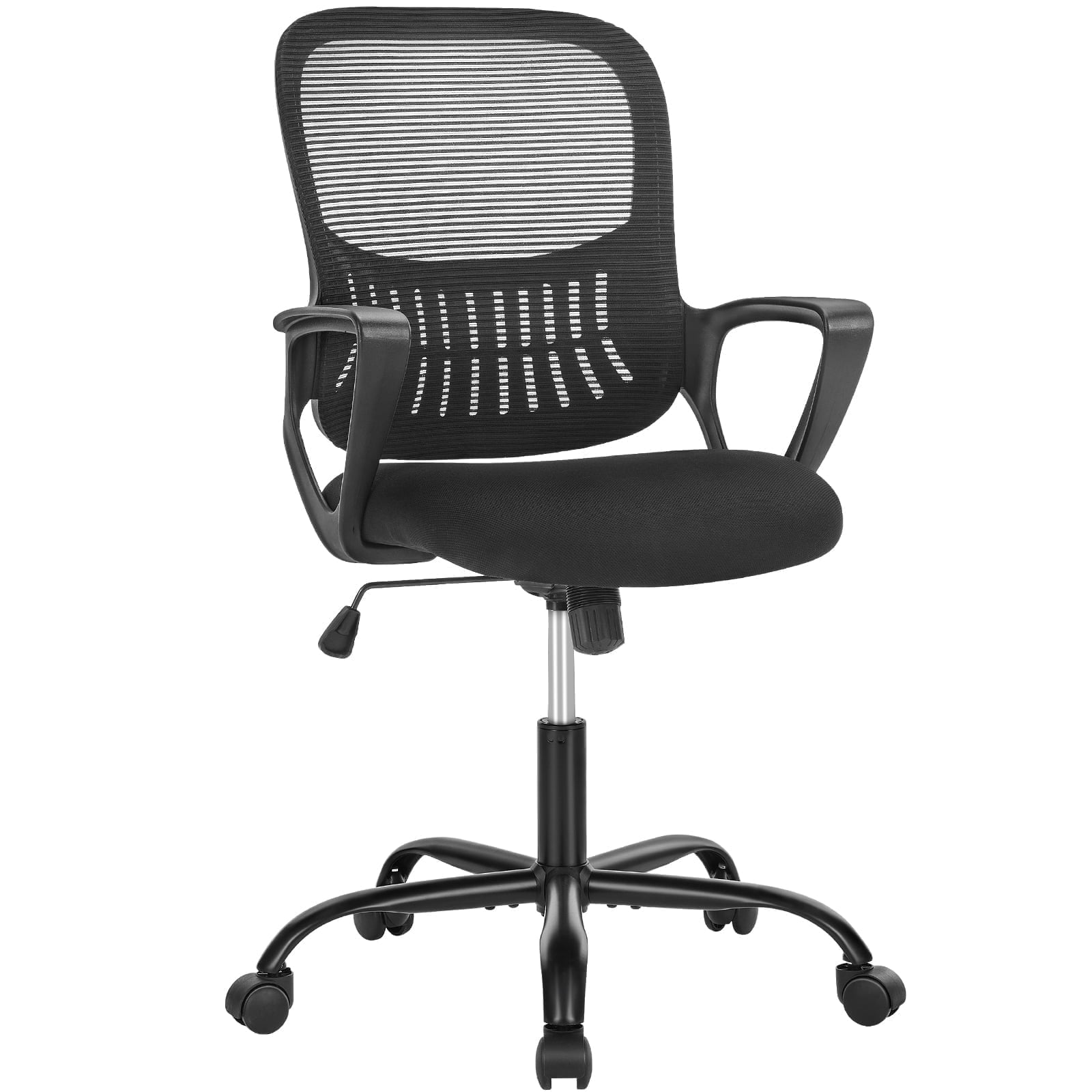
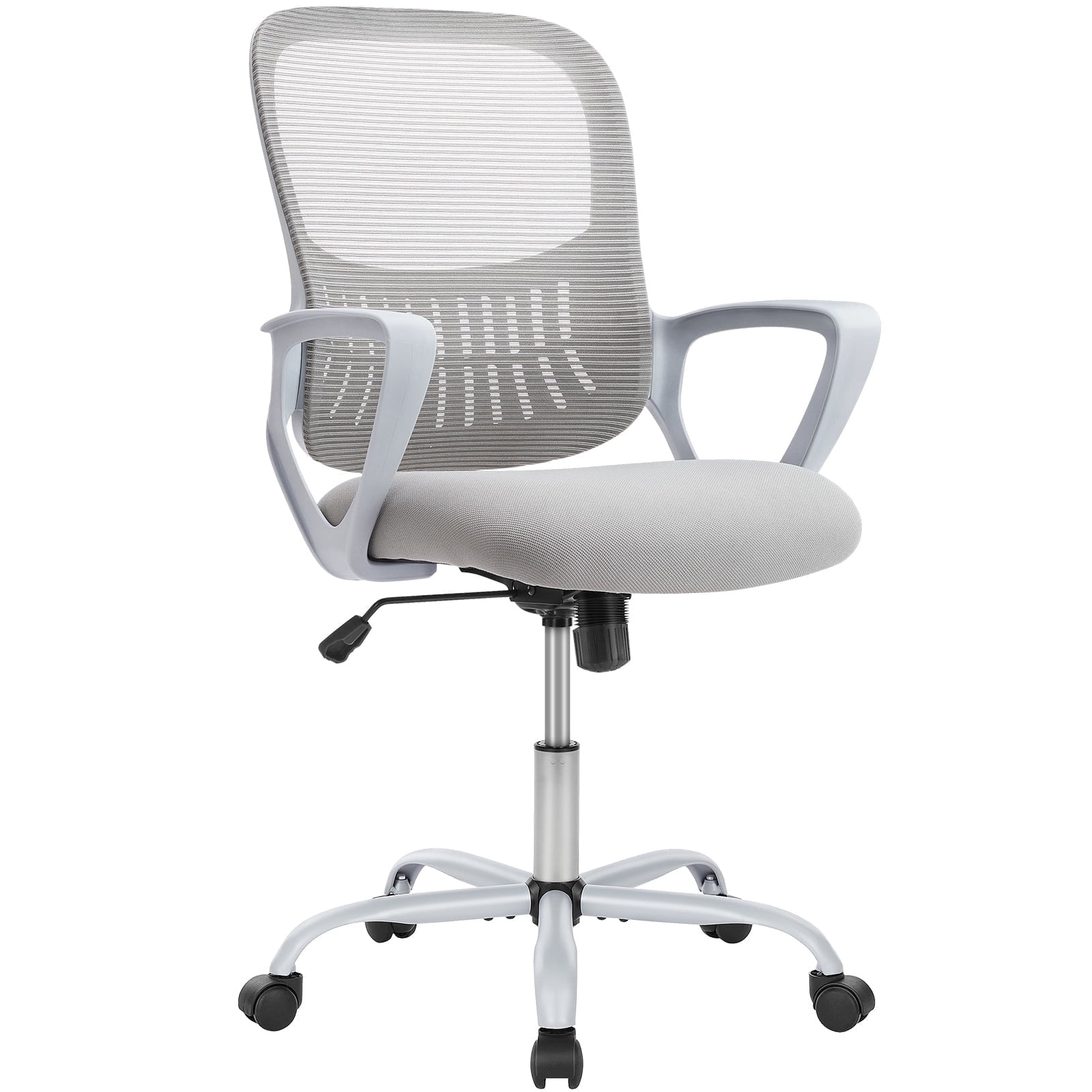
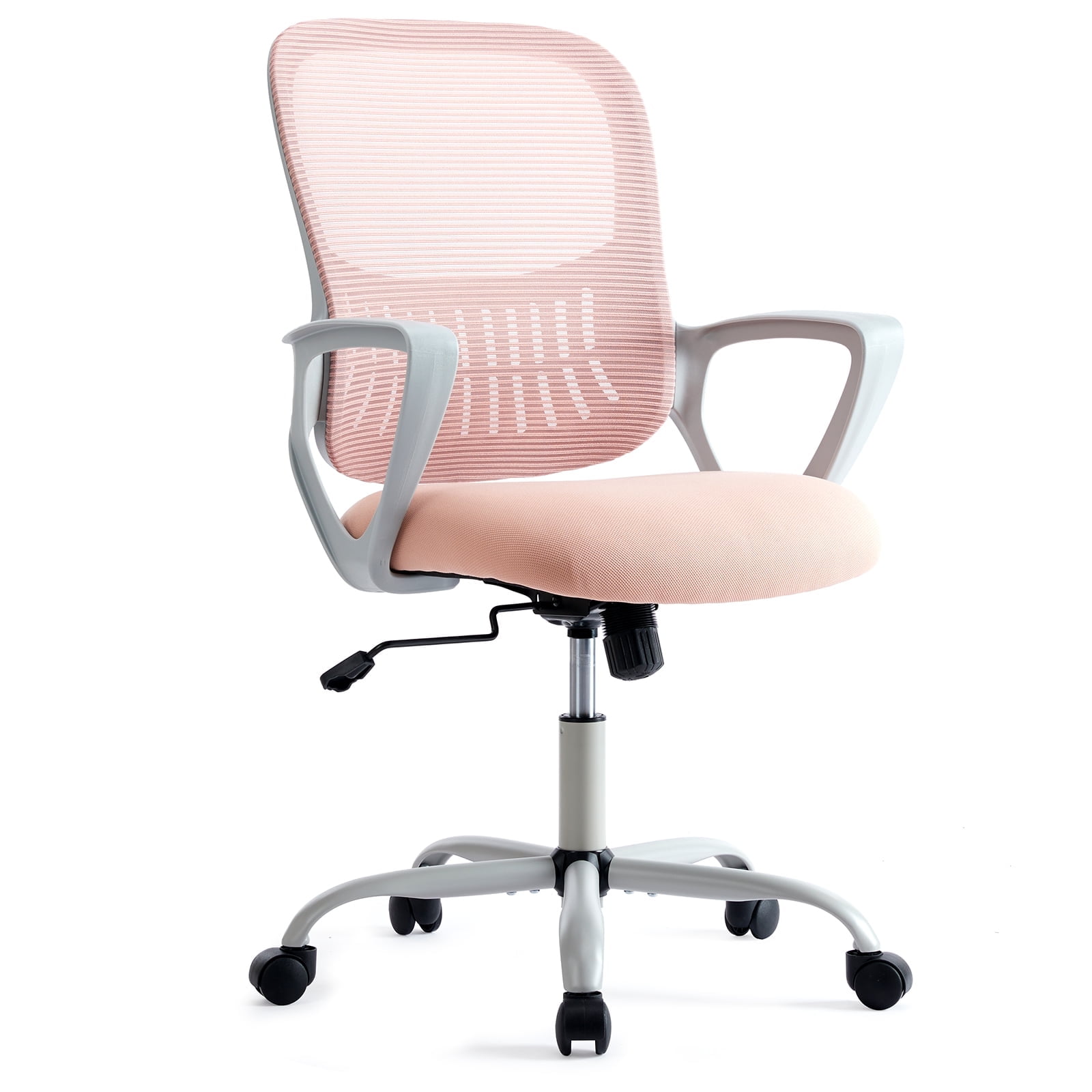
Why Your Standing Desk Deserves a Dedicated Chair
Imagine a tool that lets you harness the energy of standing while offering the relief of sitting—without breaking your workflow. That's the promise of the right office chair for a standing desk. Standard task chairs are simply too low, turning a quick sit-down into a clumsy act. A dedicated tall drafting chair or sit-stand stool bridges this gap perfectly, acting like a "gear shift" for your posture.
According to a study published in the International Journal of Environmental Research and Public Health, alternating between sitting and standing every 30-45 minutes significantly reduces musculoskeletal discomfort. The missing link? A comfortable, correctly elevated seat. This guide will walk you through everything from perch height to "active sitting" mechanics, ensuring you choose a seat that complements, not compromises, your dynamic workspace.
Mastering the "Perch Principle": Three Core Chair Types for Standing Desks
Unlike traditional office chairs, seating for standing desks falls into distinct categories. Choosing the right one depends on how you work: do you need a throne for lengthy seated tasks, or a lean stool for quick energy boosts?
1. The Full Drafting Chair
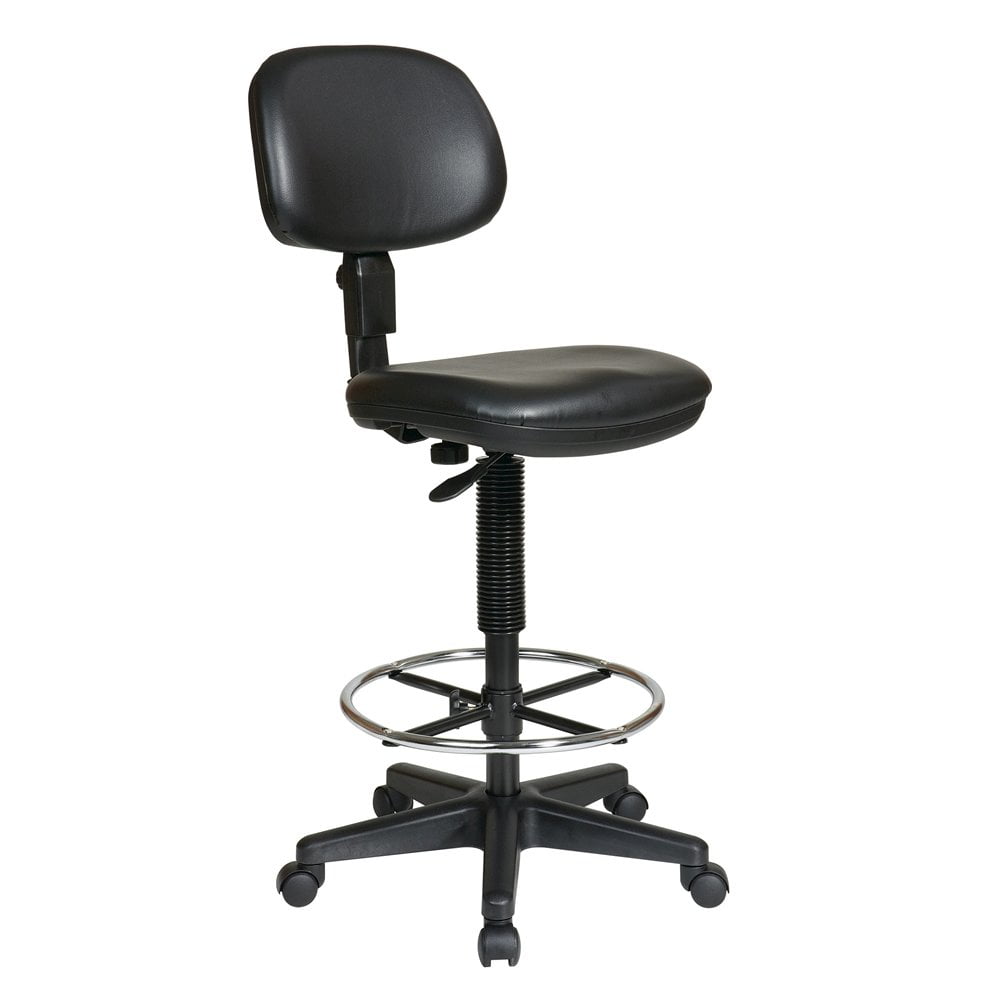
Think of this as a "skyscraper" version of your office chair. It features a tall pneumatic cylinder (reaching 24"-32" seat height), a sturdy footring, and full ergonomic adjustments (backrest, lumbar, armrests).
2. The Sit-Stand Stool (Active Perch)
Minimalist and backless, these stools encourage a slight forward tilt, engaging your core. You're not "sitting" but "perching"—like a cyclist pausing on a bike. They usually include a footring for stability.
3. The Saddle Stool
Mimicking a horse rider's position, a saddle stool opens your hip angle to 135 degrees, naturally curving your spine. This is excellent for lower back health and is often used by dentists or artists.
Critical Adjustments: The "Telescope" Rule
When selecting your chair, view it like a telescope: it must extend and retract smoothly. Here are the non-negotiable technical specs:
- Pneumatic Height Range: The seat pan must adjust from at least 20" (standard chair height) to 30"+ (standing desk perch height). A range of 10-12 inches is ideal. Pro tip: measure your desk height and subtract 10-11 inches for proper seated elbow height.
- Footring Adjustability: A static footring is useless. Look for height-adjustable footrings or split rings that can be positioned independently. This ensures your feet are supported whether you're perched high or low.
- Weight Capacity & Base: Drafting chairs have a higher center of gravity. A reinforced 5-star base (nylon or polished aluminum) with a wide footprint prevents tipping. For users over 250 lbs, seek chairs with a 350+ lb capacity and heavy-duty casters.
Why "Active Sitting" Matters in a Standing Desk Routine
Standing desks combat the "sitting disease," but static standing has its own drawbacks: varicose veins and joint stiffness. The ideal solution is a dynamic mix. A proper office chair for standing desk should promote micro-movements. A 2023 ergonomics report suggested that workers using active stools (like the Perch or HAG Capisco styles) shifted posture 34% more often than those using static chairs, leading to fewer reports of lower back fatigue.
- Tilt Mechanism: A chair with a "forward tilt" or "perch mode" allows you to lean into your work, keeping your spine aligned.
- Seat Edge: A "waterfall" front edge prevents circulation cutoff when you're perched at a higher angle.
- Material: Breathable mesh or lightly padded vinyl is preferable to thick leather, which can become slippery when you're in a semi-standing perch.
Transition Workflow: How to Pair Chair and Desk
Owning both a standing desk and a tall chair requires choreography. Use this simple 3-step rhythm:
- The Stand (45-60 min): Raise desk to standing height. Push the chair aside completely. Use an anti-fatigue mat.
- The Perch (5-15 min): Pull the stool close. Lower your body onto the seat, keeping your feet on the footring. Your hips should be slightly higher than your knees. Continue working.
- The Sit (20-30 min): Lower the desk to sitting height. If your drafting chair has a backrest, lean back. This is for focused, relaxed tasks.
This cycle leverages the chair's adjustability to create a "wave" of movement throughout your day.
Material & Build: Durability Meets Aesthetics
Since your standing desk chair is often more visible (due to its height), its design matters. Here’s a quick material guide for these specific chairs:
| Material | Why it works for Standing Desks | Consideration |
|---|---|---|
| 3D Mesh | Breathable for active sitting; prevents sweat when perched. | Usually found on higher-end drafting chairs. |
| Molded Foam + Vinyl | Easy to wipe clean; common on sit-stand stools. | Can be firm, which is good for short-term perching. |
| Leather (or Faux) | Adds a premium look; often on executive drafting chairs. | May require a footstool if the chair is very tall to avoid leg friction. |
Frequently Asked Questions: Office Chair for Standing Desk
Final Verdict: Your Dynamic Duo Awaits
Choosing an office chair for your standing desk isn't just about buying taller furniture; it's about investing in a kinetic workspace. The right chair—whether a fully-featured drafting chair or a minimalist active stool—acts as a release valve, allowing you to effortlessly shift between exertion and recovery. Remember the core pillars: adequate height range, a secure footring, and a design that invites movement. By pairing your adjustable desk with a complementary seat, you create an environment where your body isn't just static, but fluidly adapts throughout the workday.
Our Recommendation: For most users, a mid-back drafting chair with a height-adjustable footring offers the best of both worlds—support for longer tasks and the ability to perch actively. Pair it with the products listed above, and you'll never suffer from "standing desk fatigue" again.