
Why Choose a Steel Office Chair? The Foundation of Durability
In the world of office furniture, the frame is the unsung hero. While trends come and go in upholstery and design, the skeleton of your chair determines its longevity. This is where the steel office chair stands apart. Unlike its plastic or wood counterparts, a chair built on a steel frame is an investment in resilience. It’s the difference between a chair that wobbles after two years and one that remains a steadfast part of your workspace for a decade. For professionals seeking a blend of industrial aesthetics, uncompromising strength, and long-term value, steel is the definitive choice.
Industry Insight: According to the Business + Institutional Furniture Manufacturers Association (BIFMA), commercial-grade office chairs are tested to withstand over 100,000 cycles of use. Steel-framed chairs consistently exceed these standards, with many models engineered to last 15 years or more in a typical office environment.
The Architecture of Strength: Understanding Steel Chair Construction
A steel office chair is more than just a metal tube bent into shape. Its strength comes from intelligent design, high-quality materials, and precision engineering. Understanding the "anatomy" of these chairs helps you appreciate their value and make a smarter purchase. Let's break down the key components that make a steel chair a powerhouse of durability.
1. The Frame: Backbone of the Chair
The frame is the primary load-bearing component. In a quality steel chair, this isn't just any steel. Manufacturers typically use:
- Cold-Rolled Steel: This process involves shaping steel at room temperature, resulting in a stronger, harder metal with a smoother finish. It's more durable than hot-rolled steel and is the gold standard for premium chairs.
- Powder-Coated Finish: The frame is coated with a dry powder that is then baked on, creating a hard, protective layer. This finish is far more durable than wet paint. It resists chipping, scratching, and corrosion, ensuring the chair looks great for years. Think of it as a suit of armor for the steel.
- Reinforced Joints: The points where the frame connects—like the junction of the backrest and seat—are critical. High-end chairs use reinforced welding or heavy-duty brackets to ensure these stress points never fail.
2. The Gas Lift: The Engine of Adjustability
Connecting the seat to the base, the gas lift mechanism allows you to adjust the chair's height. In a steel office chair, this component must be equally robust. A standard Class 3 gas lift is common, but for heavy-duty applications, a Class 4 or even Class 5 lift is used. These are built with thicker steel housings and higher-grade internal components to handle more weight and more frequent adjustments without failing.
3. The Base: The Foundation of Stability
The five-point base is what keeps you from tipping over. For steel chairs, you have two main options:
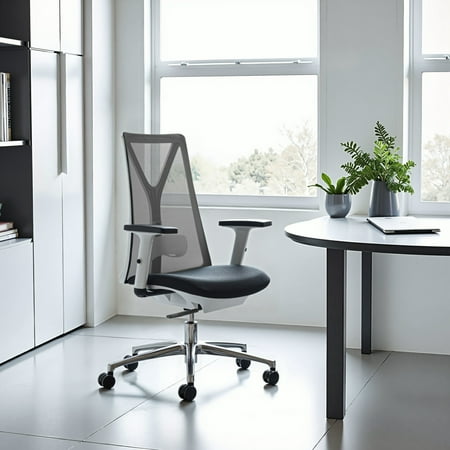
- Polished or Brushed Steel Base: This offers a sleek, modern look. It's incredibly strong and often found on designer or high-end industrial chairs. It does require occasional polishing to maintain its shine.
- Nylon or Plastic Base with Steel Reinforcement: Many chairs use a nylon base for its lightweight and cost-effective properties. However, for true durability, look for bases that are either made entirely of steel or have a steel core insert within the nylon arms. This provides the best of both worlds: the look of nylon and the hidden strength of steel.
4. The Casters: Bringing It All Together
Even the strongest chair is useless if it won't roll smoothly. Casters for steel chairs are often designed for commercial use. For a truly durable setup, consider:
- Dual-Wheel Casters: These distribute weight more evenly, reducing strain on each individual wheel and allowing for smoother movement, especially on carpets.
- Polyurethane Wheels: These are the ideal choice. They are hard enough to roll easily but soft enough to protect hardwood floors from scratches. They are far more durable than hard plastic casters, which can crack or flatten over time.
By understanding these components, you move beyond just looking at a chair's appearance and start evaluating its true engineering merit. A steel office chair that excels in all these areas is a piece of equipment, not just a piece of furniture.
Beyond the Factory Floor: The Aesthetic Versatility of Steel
One common misconception is that steel office chairs are only suitable for industrial lofts or utilitarian workshops. In reality, the versatility of steel as a design material is remarkable. It can be shaped, finished, and combined with other materials to fit virtually any office aesthetic. Here’s how steel transcends the "industrial" label:
• The Industrial Modern Look
This is the classic application. An exposed steel frame with a matte black or gunmetal powder-coat, paired with a leather or canvas seat. It evokes the feel of a vintage factory, bringing authenticity and rugged charm to creative agencies and modern startups. It’s a look that says "we build things here."
• Scandinavian Simplicity
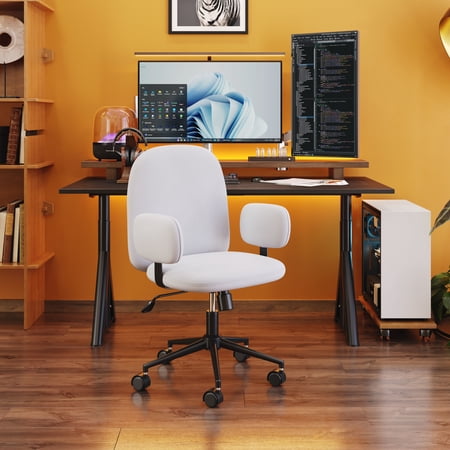
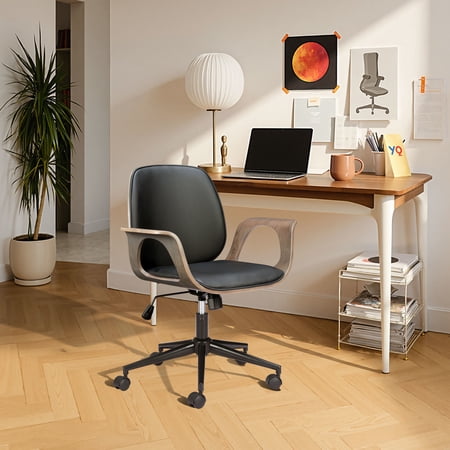
Scandinavian design is built on clean lines and functionalism. A slim-profile steel frame, often in a bright white or pastel powder-coat, paired with a light wood or molded plywood seat and backrest, creates a chair that is light, airy, and sophisticated. The steel provides the strength, while the wood provides the warmth.
• Executive Polished Elegance
A chrome or mirror-polished steel base can be the foundation for a luxurious executive chair. When combined with high-back leather upholstery and plush cushioning, the polished steel adds a touch of refined, contemporary sophistication. It reflects light and gives the chair a sense of presence without being overly bulky.
• Minimalist & Mesh
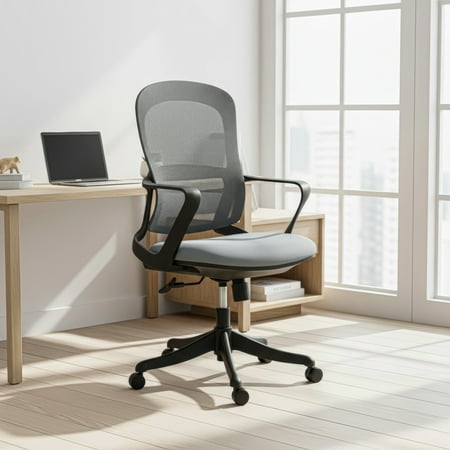
For a high-tech, ergonomic look, a thin, sculpted steel frame can support a breathable mesh back. The contrast between the organic flow of the mesh and the precise geometry of the steel frame is visually striking. This style is perfect for tech companies and forward-thinking professional environments.
As these examples show, a steel frame is not a limitation but a canvas. It provides the structural integrity that allows designers to experiment with form, material, and color, resulting in chairs that are both incredibly strong and perfectly suited to your office's unique personality.
Steel vs. Other Frame Materials: A Quick Comparison
| Frame Material | Durability | Weight Capacity | Aesthetic | Long-Term Value |
|---|---|---|---|---|
| Steel | Excellent (15+ years) | High (300-500+ lbs) | Industrial, Modern, Versatile | High - Built to last forever |
| Aluminum | Very Good (10+ years) | Medium-High (250-350 lbs) | Sleek, Lightweight, Modern | Good - Lightweight but strong |
| Hardwood | Good (5-10 years) | Medium (250-300 lbs) | Classic, Warm, Traditional | Medium - Can warp or crack |
| Reinforced Nylon/Plastic | Fair to Good (3-8 years) | Low-Medium (Up to 275 lbs) | Basic, Colorful, Simple | Lower - Most prone to failure |
Who Needs a Steel Office Chair? Matching the Tool to the Task
The decision to invest in a steel office chair often comes down to specific needs and work styles. While anyone can appreciate the durability, certain users will find it to be an absolutely essential feature. Here’s a look at the perfect candidate for a steel-framed chair:
- The 24/7 User: If you're at your desk for 8+ hours a day, every day, your chair endures constant stress. A steel frame is the only material that can guarantee it won't fatigue and fail over years of relentless use.
- Big & Tall Executives: For individuals over 6' tall or weighing more than 250 lbs, standard chairs can feel unstable. Steel chairs are engineered with higher weight capacities and wider bases, providing the confidence and support needed for safe, comfortable seating.
- Shared Workspaces & Hot Desking: In environments where chairs are adjusted and used by multiple people daily, durability is paramount. Steel frames can withstand the constant changes and varied treatment they receive in collaborative spaces.
- Home Office Warriors: If your home office is your primary workplace, a steel chair is a one-time investment. It saves you from the cycle of replacing cheaper chairs every few years, making it a financially savvy choice in the long run.
- Design Enthusiasts: As we've seen, steel is a design powerhouse. If you're curating a specific look—whether it's mid-century modern, industrial chic, or sleek contemporary—a steel-framed chair offers the authentic structural element you need.
Identifying your user profile helps clarify whether the premium for a steel frame is a justifiable expense or an essential investment.