

Why Commercial Grade Matters: Beyond the Basic Office Chair
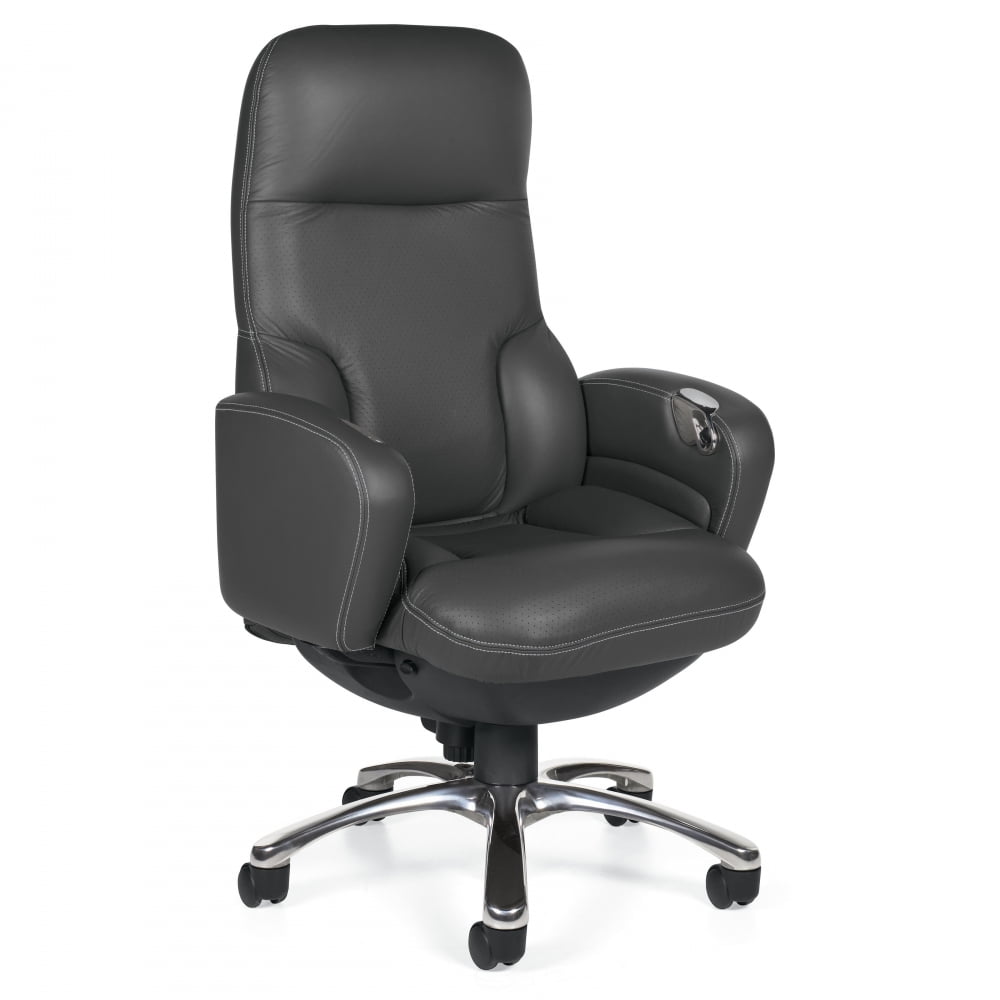
Think of commercial office chairs as the workhorses of the seating world. While a standard home office chair is like a sedan for daily commuting, a commercial office chair is the heavy-duty pickup truck built for hauling, long shifts, and rough terrain. It’s engineered for environments where chairs are used constantly—sometimes 24 hours a day—by different people with different body types. Choosing the right commercial seating is an investment in employee health, productivity, and your facility’s bottom line.
Industry Insight: According to the Business + Institutional Furniture Manufacturers Association (BIFMA), commercial-grade chairs must pass rigorous tests, including 100,000 cycles of a 225-pound load dropping onto the seat and 50,000 cycles of tilting. This ensures they last 5-10 years in a 40-hour-a-week office, compared to residential chairs which may fail in under a year under the same stress.
The Critical Components of a Commercial Chair
Commercial chairs aren't just tougher; they are systematically reinforced. Here’s what sets them apart under the hood:
- Heavy-Duty Gas Lift: Rated for tens of thousands of raises and lowers. Commercial lifts (Class 4 or 5) are thicker and less likely to fail under frequent adjustments by multiple users.
- Reinforced Base: Typically made from virgin nylon or polished aluminum, not plastic blends. This ensures the base won't crack under constant load and movement.
- Commercial-Grade Casters: Larger, often dual-wheeled casters made of hard polyurethane. They roll smoothly on carpet and hard floors without leaving marks, even after being rolled across the floor thousands of times daily.
- High-Density Foam: Commercial cushions use foam with a higher density rating (e.g., 2.5 lbs/ft³ or more). This foam resists flattening and maintains its shape and support for years, unlike softer foams that break down quickly.
- Abrasion-Resistant Upholstery: Fabrics are tested with a Wyzenbeek abrasion test. Commercial-grade fabrics often have a rating of 100,000 double rubs or more, meaning they can withstand significant friction from getting in and out of the chair without wearing thin.
Key Scenarios for Commercial Office Chairs
Understanding where these chairs excel helps you make the right choice. The primary use cases fall into a few distinct categories:
Call Centers & Customer Service
Chairs here are used 8-10 hours a day, often by multiple shifts. 24-hour duty-rated chairs with breathable mesh backs and easy pneumatic height adjustments are essential to keep agents comfortable and focused.
Waiting Rooms & Lobbies
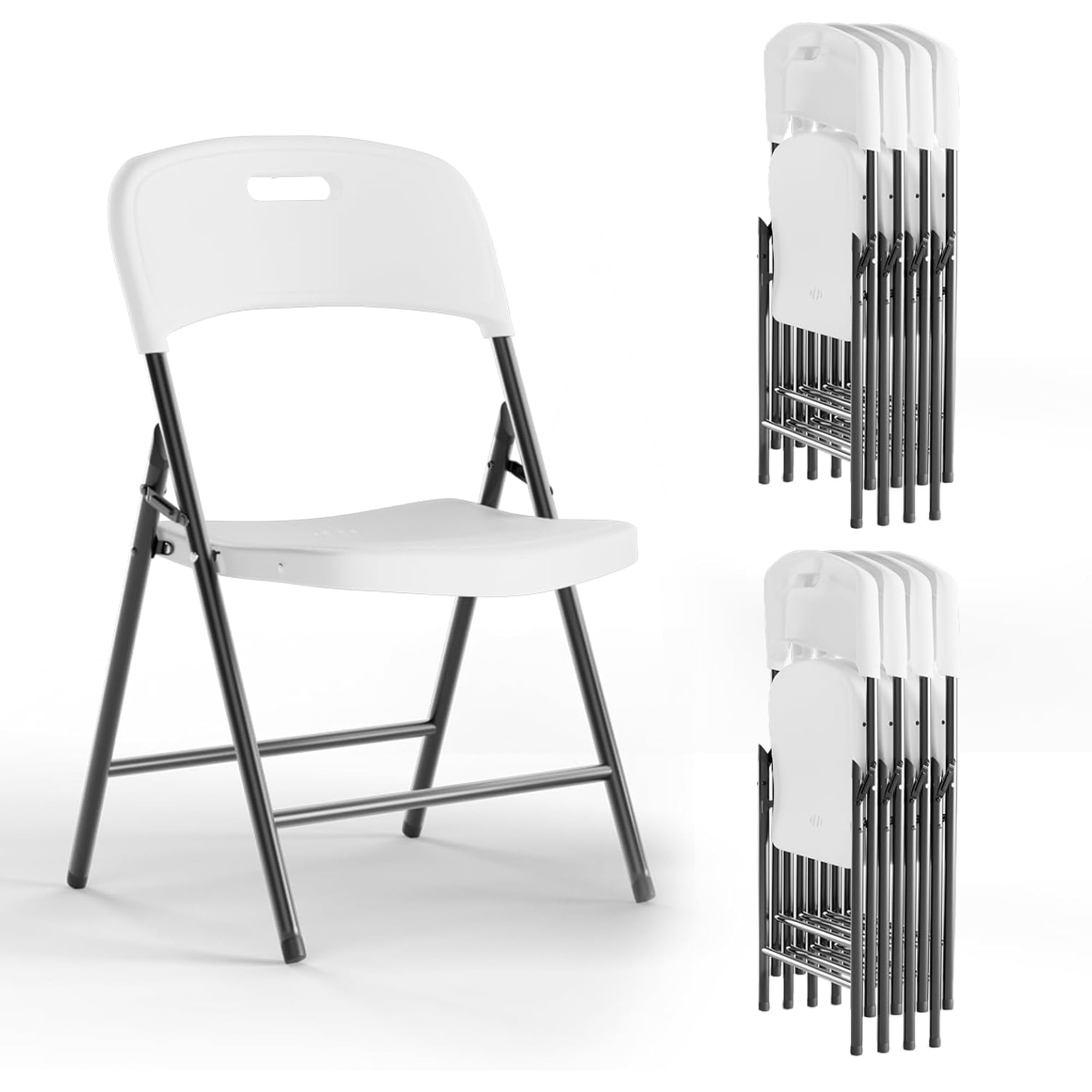
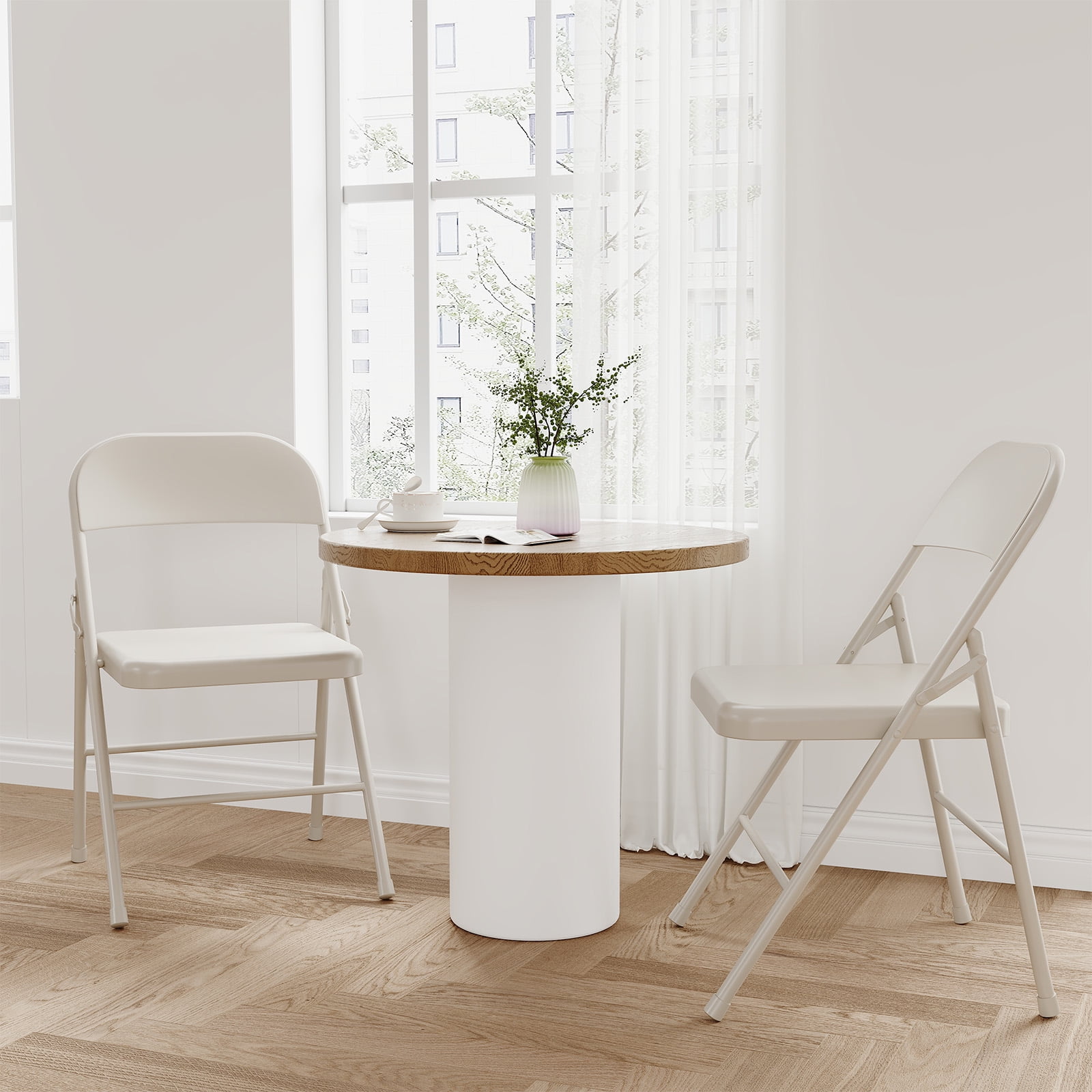
These areas see the highest traffic with the lowest adjustment needs. Stackable guest chairs or durable office reception chairs with vinyl upholstery (easy to wipe clean) and reinforced steel frames are the top choice.
Open-Plan Offices & Cubicles
For general staff, you need a balance of ergonomics and durability. Task chairs with adjustable lumbar support and commercial-grade mesh or fabric that can be used by employees of varying heights and weights without wear and tear.
Conference & Meeting Rooms
Chairs in these rooms are moved frequently and used for 1-2 hours at a time. Aesthetics matter, but so does stackability and mobility. Look for stackable office chairs with wheels or sleek office side chairs with reinforced glides.
Commercial vs. Residential: A Side-by-Side Comparison
To make it clear, let's compare the two categories across critical performance indicators:
| Feature | Commercial Office Chair | Residential/Home Office Chair |
|---|---|---|
| Daily Usage Rating | 8-24 hours (often rated for multi-shift) | 4-8 hours (intermittent use) |
| Frame Material | Steel-reinforced, heavy-gauge metal | Lighter gauge metal, wood, or plastic |
| Gas Lift Class | Class 4 or 5 (heavy-duty, tested to 50,000+ cycles) | Class 2 or 3 (tested to ~10,000 cycles) |
| Fabric Durability | 100,000+ double rubs (Wyzenbeek test) | 30,000 - 50,000 double rubs |
| Warranty | 5-12 years on parts and mechanism | 1-5 years, often limited |
| Typical Weight Capacity | 300 lbs - 500+ lbs | 250 lbs - 300 lbs |
Selecting the Right Commercial Chair for Your Business
Choosing the perfect commercial chair requires a methodical approach. Don't just look at the price tag; consider the total cost of ownership and the needs of your team. Follow this step-by-step guide to ensure you get the best value.
Step 1: Audit Your Environment
- Traffic Level: Is the area 24/7 (call center), high-traffic (lobby), or moderate (private offices)?
- User Diversity: Will the chair be used by one person or many? Shared chairs need more adjustability (height, armrests).
- Floor Type: Carpet requires softer, larger casters; hard floors need non-marking polyurethane casters.
- Aesthetic Needs: Does the chair need to match a modern, traditional, or minimalist office design?
Step 2: Prioritize Ergonomics for Health & Safety
For employees who sit for long hours, ergonomics isn't a luxury—it's a necessity to prevent injuries. Look for these specific adjustments:
- Seat Depth Adjustment: Allows users of different heights to have proper thigh support (2-4 finger gap behind the knee).
- Lumbar Support: Preferably adjustable in height and depth to support the lower back's natural curve.
- 4D Armrests: Armrests that adjust up/down, forward/back, left/right, and pivot to support arms during various tasks.
- Tilt Tension & Lock: Allows the user to recline comfortably and lock in a preferred position.
Step 3: Material Selection Based on Use Case
Just like in the example article, materials dictate longevity. Here’s a tailored view for commercial use:
Commercial Mesh
- Excellent breathability for long shifts.
- Durable and resistant to tearing.
- Easy to clean with a damp cloth.
- Modern aesthetic for tech-forward offices.
Vinyl / Leatherette
- Super easy to sanitize (ideal for medical/lobbies).
- Very durable and stain-resistant.
- Can be less breathable; may feel sticky.
- Often used in high-abuse areas.
Step 4: Check Certifications & Warranties
Always look for BIFMA certification—it’s the gold standard for safety and durability. A strong warranty (5+ years on pneumatics and mechanisms) is a sign the manufacturer trusts their product for commercial use.
Frequently Asked Questions About Commercial Office Chairs
Conclusion: Making a Smart Investment in Your Workspace
Selecting commercial office chairs is a strategic decision that impacts employee well-being, operational efficiency, and your company's image. By understanding the rigorous standards, material options, and specific use-case requirements, you can avoid the false economy of buying cheap, residential-grade chairs that wear out quickly.
Final Recommendations
Prioritize 24-hour duty-rated mesh chairs with advanced lumbar support and adjustable arms to accommodate multiple shifts and reduce fatigue.
Choose vinyl or commercial fabric on reinforced steel frames. Stackable guest chairs offer flexibility, while lounge-style seating provides a welcoming feel.
Opt for BIFMA-certified task chairs with a balance of ergonomic features (seat depth, lumbar) and durable fabric or mesh to suit diverse employee needs.