
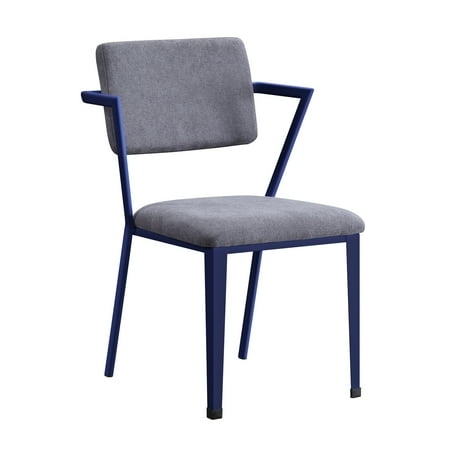
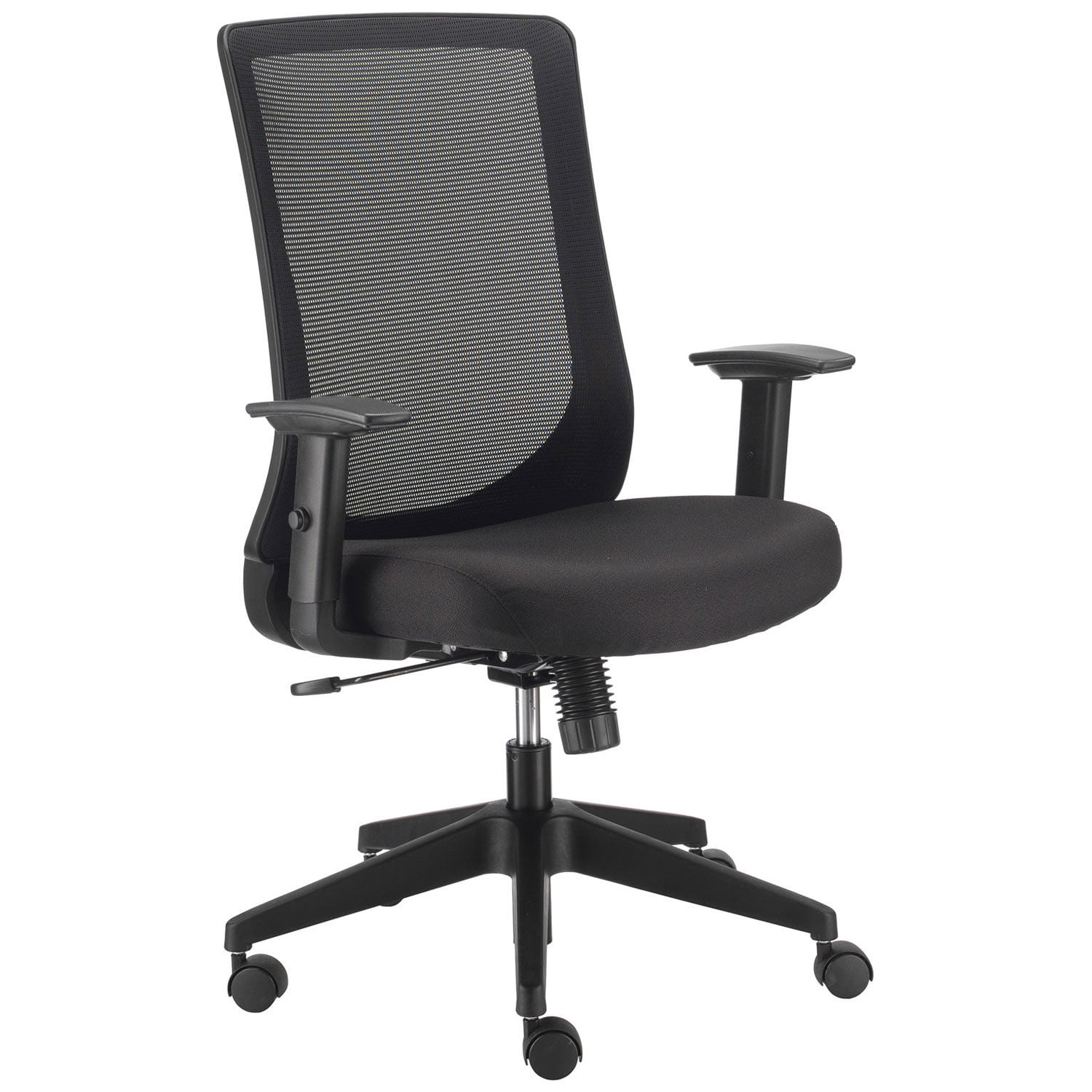
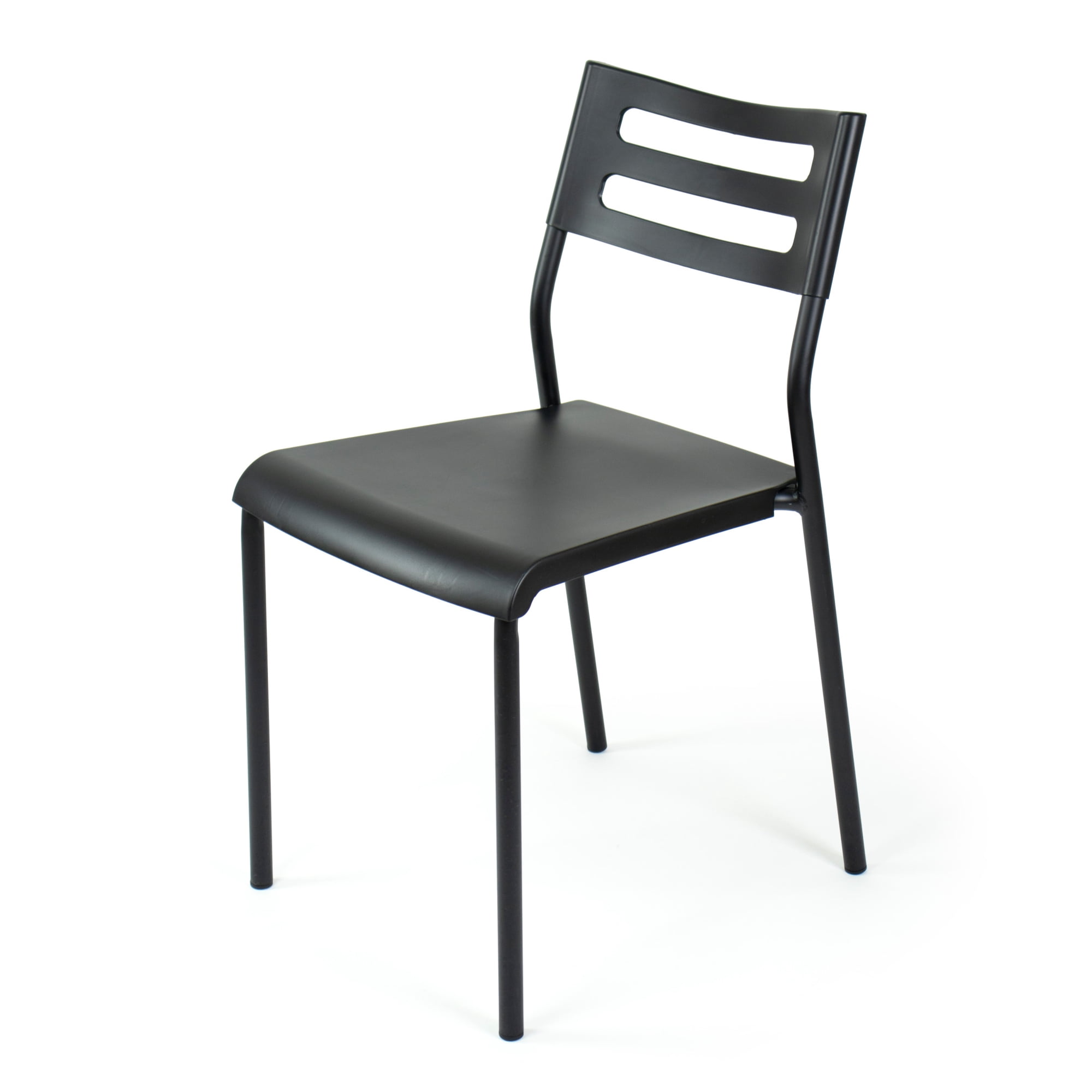
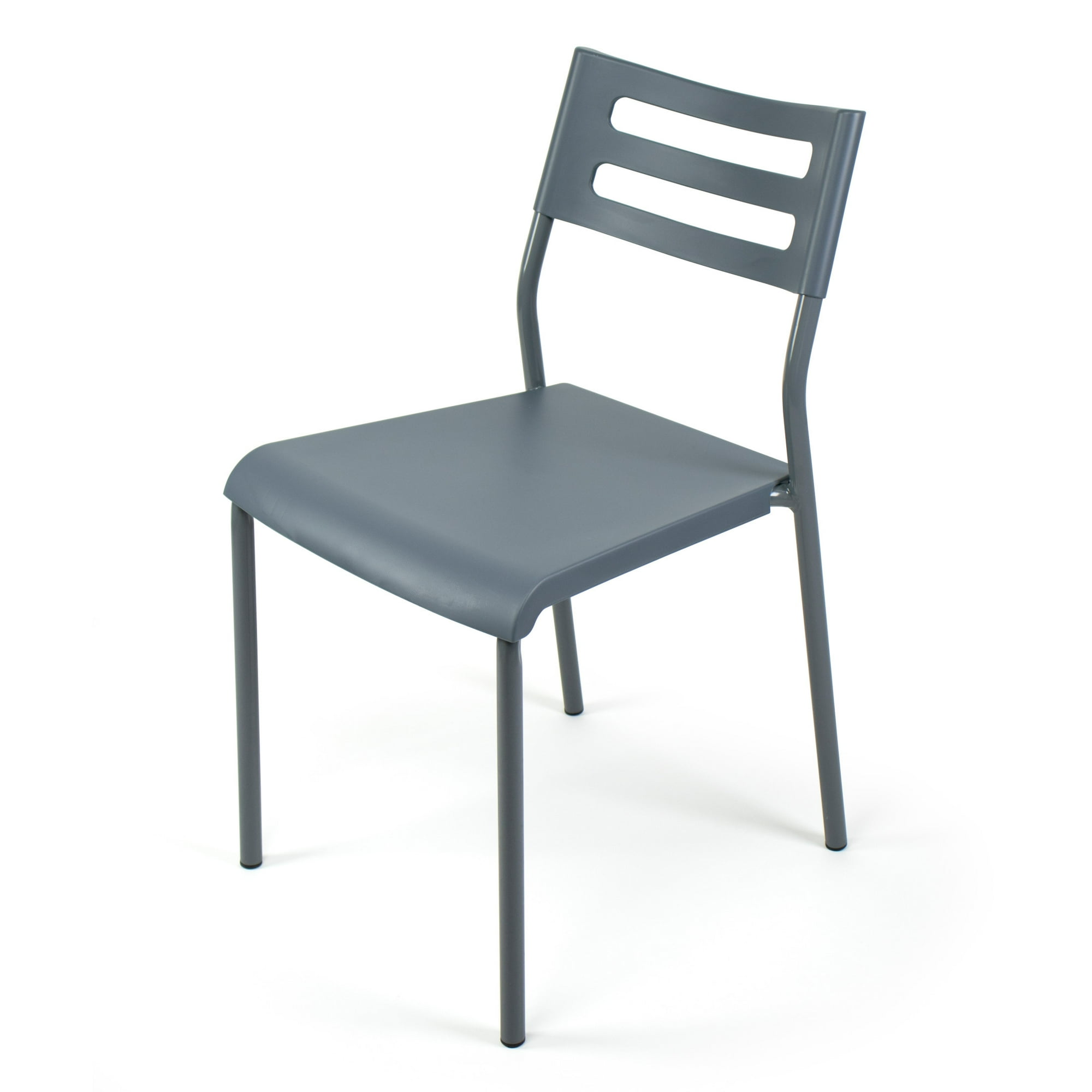
Why an Industrial Office Chair is Different by Design
Picture a standard office chair in a bustling workshop: within weeks, casters jam with debris, fabric stains permanently, and the frame wobbles. An industrial office chair is the antidote. It’s engineered like a piece of machinery—think reinforced steel skeletons, upholstery that shrugs off grease, and pneumatic lifts tested for thousands of cycles. Whether you're manning a warehouse station, soldering circuit boards, or running a CNC machine, the right industrial chair keeps you comfortable and safe, shift after shift.
Data point: According to the Bureau of Labor Statistics, manufacturing and warehousing roles often require 6+ hours of seated work per day. Using task-specific seating can reduce lower back strain by up to 35% compared to makeshift stools or worn-out chairs.
Anatomy of an Industrial Office Chair: Core Components
Unlike generic task chairs, industrial models are built from the ground up with specific features. Here’s what sets them apart:
1. Frame & Base: The Skeleton
- Steel-reinforced frames: Powder-coated steel or thick-gauge aluminum withstands bumps and heavy loads.
- Wider nylon or metal base: A 27-inch or larger footprint prevents tipping on uneven floors.
- Industrial-grade gas lift: Class 4 or 5 lifts rated for 400+ lbs, tested for 50,000+ cycles.
2. Upholstery & Cushioning: The Armor
- Vinyl or polyurethane (PU) covers: Wipe-clean, resistant to oil, water, and abrasion.
- Heavy-duty stitching: Double-stitched seams prevent tearing under stress.
- High-density foam: Retains shape even after years of constant use.
3. Casters: The Feet
- Hard floor casters (polyurethane): Roll smoothly over concrete, wood, or metal chips without flat-spotting.
- Optional locking casters: For stability when working on machinery.
- Reinforced caster housings: Metal forks instead of plastic to handle debris.
4. Ergonomic Adjustments (Yes, They Exist!)
Industrial doesn't mean primitive. Modern industrial chairs often include:
- Adjustable lumbar support: Often via a tension knob or mechanical slide.
- Seat depth adjustment: Critical for proper thigh support during long shifts.
- Height-adjustable arms (or armless options): To slide under workbenches.
- Backrest recline with lock: Allows leaning back during planning or breaks.
Industrial vs. Heavy-Duty vs. Workshop Stool: A Quick Comparison
| Type | Primary Use | Typical Frame | Caster Type | Backrest |
|---|---|---|---|---|
| Industrial Chair | Warehouse, factory line, lab | Steel / reinforced nylon | Polyurethane (hard floor) | Medium to high back, ergonomic |
| Heavy-Duty Task Chair | Office, home, big & tall users | Steel / aluminum | Carpet or combo | High back, plush |
| Workshop Stool | Mechanic, workbench, drafting | All-steel frame | Small casters, often locking | Backless or low back |
| Cleanroom Chair | Electronics, pharmaceutical | Stainless steel, sealed | Anti-static, non-shedding | Minimal, easy to sterilize |
5. Environmental Resistance: Beyond the Factory Floor
Industrial chairs often face specific challenges:
- Static control: Some models feature conductive casters and grounding straps for ESD-safe areas.
- Chemical resistance: Vinyl upholstery can withstand mild solvents and cleaning agents.
- Temperature tolerance: Gas lifts and foam that function in non-climate-controlled shops.
Choosing the Right Upholstery for Your Workspace
Vinyl / PU
- Best for: Garages, auto shops, food prep areas
- Pros: Wipes clean, resists oil/water, affordable
- Cons: Can be less breathable, may crack over decades
Heavy-Duty Mesh
- Best for: Warehouses, assembly lines (warm environments)
- Pros: Breathable, durable, supportive
- Cons: Can trap fine dust; harder to deep clean
Fabric (reinforced)
- Best for: Supervisory offices within industrial settings
- Pros: Comfortable, professional look
- Cons: Stains easily, not for wet/greasy areas
Frequently Asked Questions About Industrial Office Chairs
Final Verdict: Invest in the Right Tool for the Job
An industrial office chair is not just a seat—it's a piece of equipment that pays for itself through longevity and injury prevention. Whether you're kitting out a factory floor, a hobbyist garage, or a creative workshop, choose a chair that matches your environment's demands. Prioritize a steel frame, appropriate casters for your floor, and easy-clean upholstery. Pair that with ergonomic adjustability, and you’ll have a workstation that supports both your body and your workflow for years to come.
Remember: the cheapest chair often fails fastest in tough conditions. Spend a little more upfront for industrial-grade construction—it’s an investment in safety, comfort, and uninterrupted work.