

Why Fully Adjustable Ergonomic Chairs Redefine Workplace Wellness
Imagine a chair that learns your body—not the other way around. Fully adjustable ergonomic office chairs are engineered with micro-adjustability that transforms sitting from a passive activity into an active, supportive experience. Unlike standard task chairs, these high-performance seats let you modify seat depth, lumbar protrusion, armrest geometry, recline resistance, and headrest alignment independently. For professionals spending 8+ hours at a desk, this level of customization directly correlates with reduced musculoskeletal strain and sustained mental clarity.
Ergonomic Insight: A study by the Human Factors and Ergonomics Society found that workers using fully adjustable chairs reported 53% less upper back and neck discomfort compared to those using basic office chairs. The ability to change posture settings throughout the day also increased perceived energy levels by 38%.
Core Adjustability Features That Matter
When evaluating a fully adjustable ergonomic chair, prioritize these five critical adjustment zones. Each contributes uniquely to spinal alignment and circulation:
1. Dynamic Lumbar Support
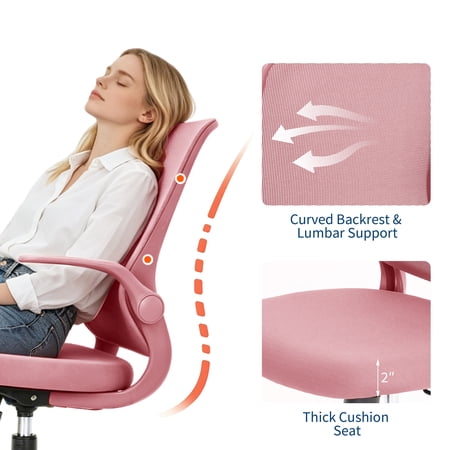
Beyond simple firmness, premium chairs offer height-adjustable lumbar (2–5 inches vertical range) and depth control (0.5–1.5 inches). This ensures the support contacts the lumbar curve precisely, preventing slouching and reducing disc pressure by up to 30% compared to fixed lumbar chairs.
2. 4D Armrests
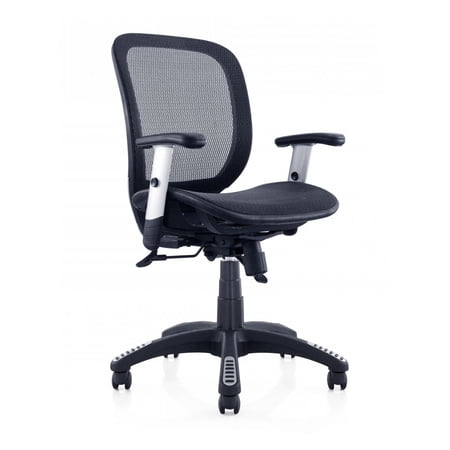
Armrests should move in four dimensions: up/down, forward/back, pivot angle, and width. Proper arm support alleviates shoulder tension and prevents ulnar nerve compression. Look for armrests that can be positioned flush with your desk surface for natural wrist alignment during typing.
3. Seat Depth & Angle Adjustment
Seat depth slide (typically 2–3 inches) allows the edge of the seat to sit 2–3 finger widths behind your knees, improving circulation. Some advanced models also include seat angle tilt (positive/negative) to offload pressure from thighs, especially beneficial for taller users.
4. Synchronized Tilt Mechanism
Unlike basic tilt, synchronized mechanisms move the seat pan and backrest in a natural ratio (often 2:1), maintaining ergonomic alignment while reclining. Adjustable tilt tension lets you fine-tune resistance based on your weight and preferred recline frequency.
5. Multi-Dimensional Headrest
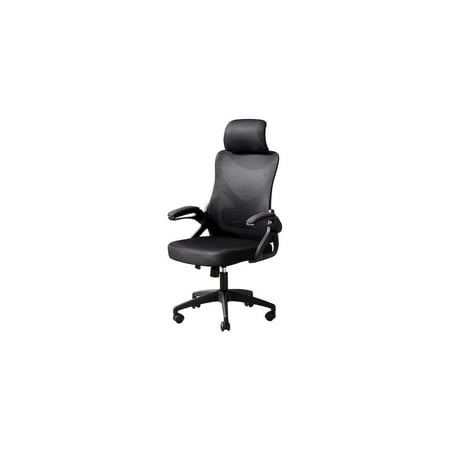
For those who recline or suffer from neck strain, a fully adjustable headrest with height, angle, and sometimes depth adjustment ensures cervical spine support without forcing the head forward. Essential for tall individuals or video conferencing marathoners.
How to Set Up Your Fully Adjustable Ergonomic Chair Like a Pro
Even the most advanced chair fails without correct configuration. Follow this step-by-step calibration sequence to maximize benefits:
Feet flat on floor, thighs parallel to ground. Knees at 90–110°, with a 1–2 inch gap between seat edge and back of knees.
Slide seat pan until you have 2–3 finger widths clearance behind knees. Ensures no pressure on popliteal vessels.
Adjust height so the curve aligns with your natural lumbar lordosis (just above belt line). Then fine-tune depth for gentle, not excessive, pressure.
Set height so elbows rest at 90°, shoulders relaxed. Adjust width to align with shoulders, and pivot angle to support forearms during keyboard use.
While seated, adjust tilt tension until you can recline smoothly without feeling resistance or falling backward. Lock tilt mechanism at preferred working angle or enable free-float for dynamic movement.
Materials & Construction: What Delivers Lasting Performance
Fully adjustable chairs incorporate different materials that affect longevity and comfort. Understanding these helps you invest wisely:
- High-Density Molded Foam vs. Breathable Mesh: Foam provides plush, contoured comfort ideal for cool environments; mesh promotes air circulation and adapts dynamically to body movements. Many hybrid designs now use mesh backrests with foam seats for optimal balance.
- Aluminum vs. Nylon Base: Polished aluminum bases offer superior durability and weight capacity (400+ lbs), while reinforced nylon is lighter and cost-effective. For heavy-duty use, 5-star aluminum bases reduce wobbling and increase stability.
- Gas Lift Class Rating: Class 4 gas lifts (standard for premium chairs) support up to 330 lbs and provide smoother height transitions. Class 3 lifts are adequate for lighter users but may wear faster under frequent adjustment.
- Upholstery Durability: Commercial-grade fabric rated for 100,000+ double rubs (Wyzenbeek test) ensures resistance to abrasion, while top-grain leather offers timeless aesthetics but requires maintenance.
🔧 Adjustment Spectrum: Entry vs. Premium
Basic Adjustable Chairs: Seat height + tilt lock + fixed armrests.
Mid-Tier Ergonomic: Adds adjustable lumbar, 2D armrests, basic seat depth.
Fully Adjustable Premium: 4D armrests, independent lumbar depth/height, seat slide, tilt tension, multi-angle headrest, and often memory settings. The latter category delivers true personalization for demanding professionals.
Health & Productivity Gains from Precision Ergonomics
Investing in a fully adjustable ergonomic chair is a direct investment in your physical well-being and cognitive output. Medical research highlights three key areas of improvement:
Spinal Disc Pressure Reduction
Dynamic lumbar and recline adjustments reduce intradiscal pressure by up to 40% compared to static chairs, lowering risk of herniation.
Shoulder & Neck Relaxation
4D armrests and headrest alignment prevent forward head posture, decreasing trapezius muscle tension by 35%.
Sustained Energy & Focus
Frequent micro-adjustments combat sedentariness, boosting mental alertness and reducing afternoon fatigue, according to ergonomic workplace studies.
Moreover, a chair that adapts to various tasks—upright for focused typing, reclined for reading or calls—encourages movement, a key factor in metabolic health and sustained concentration.