
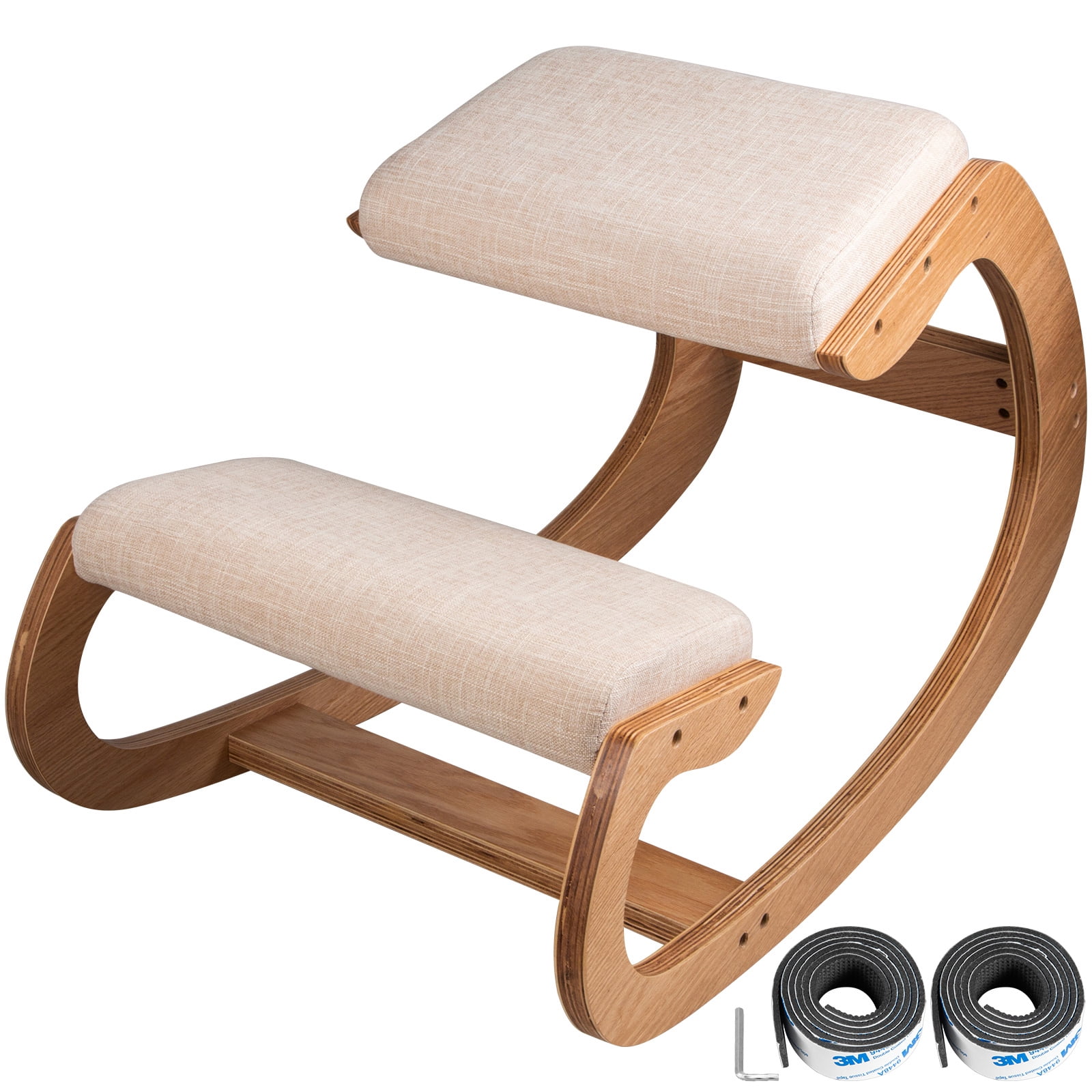
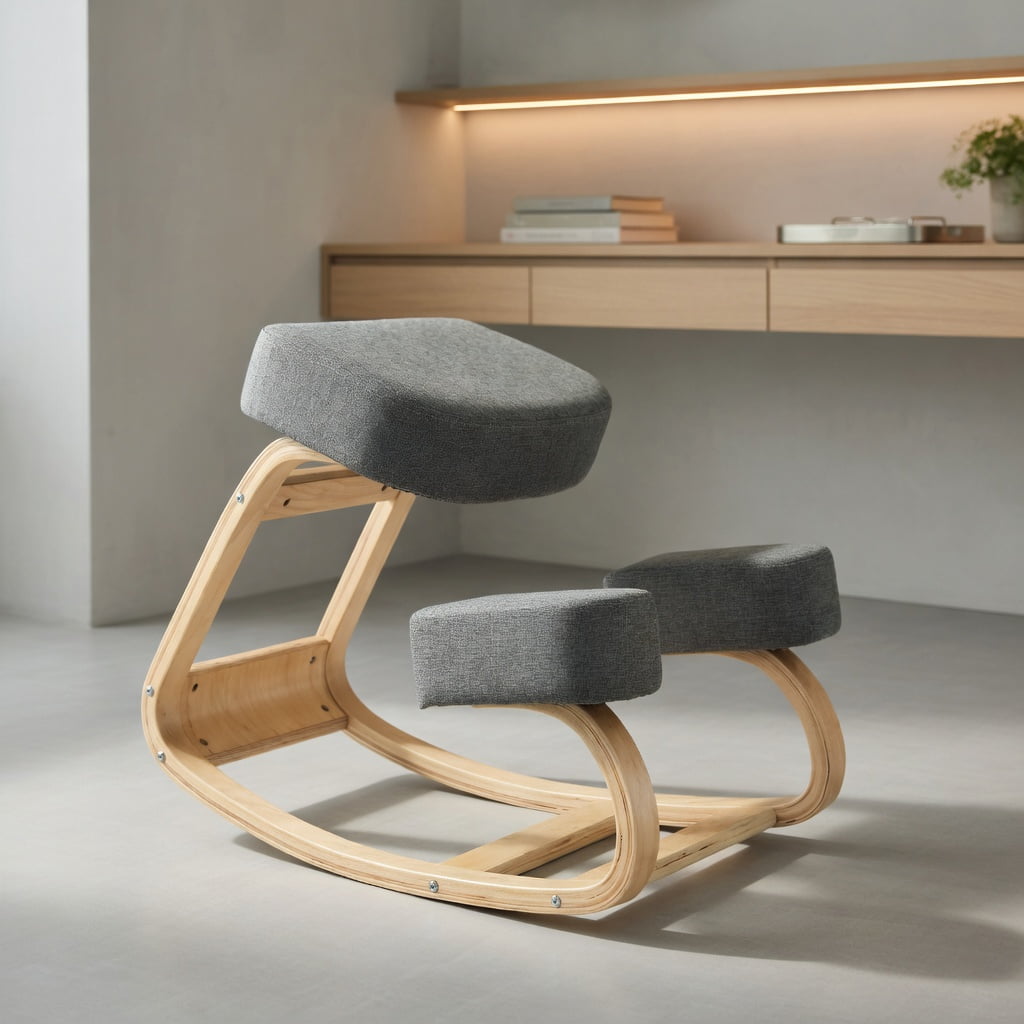
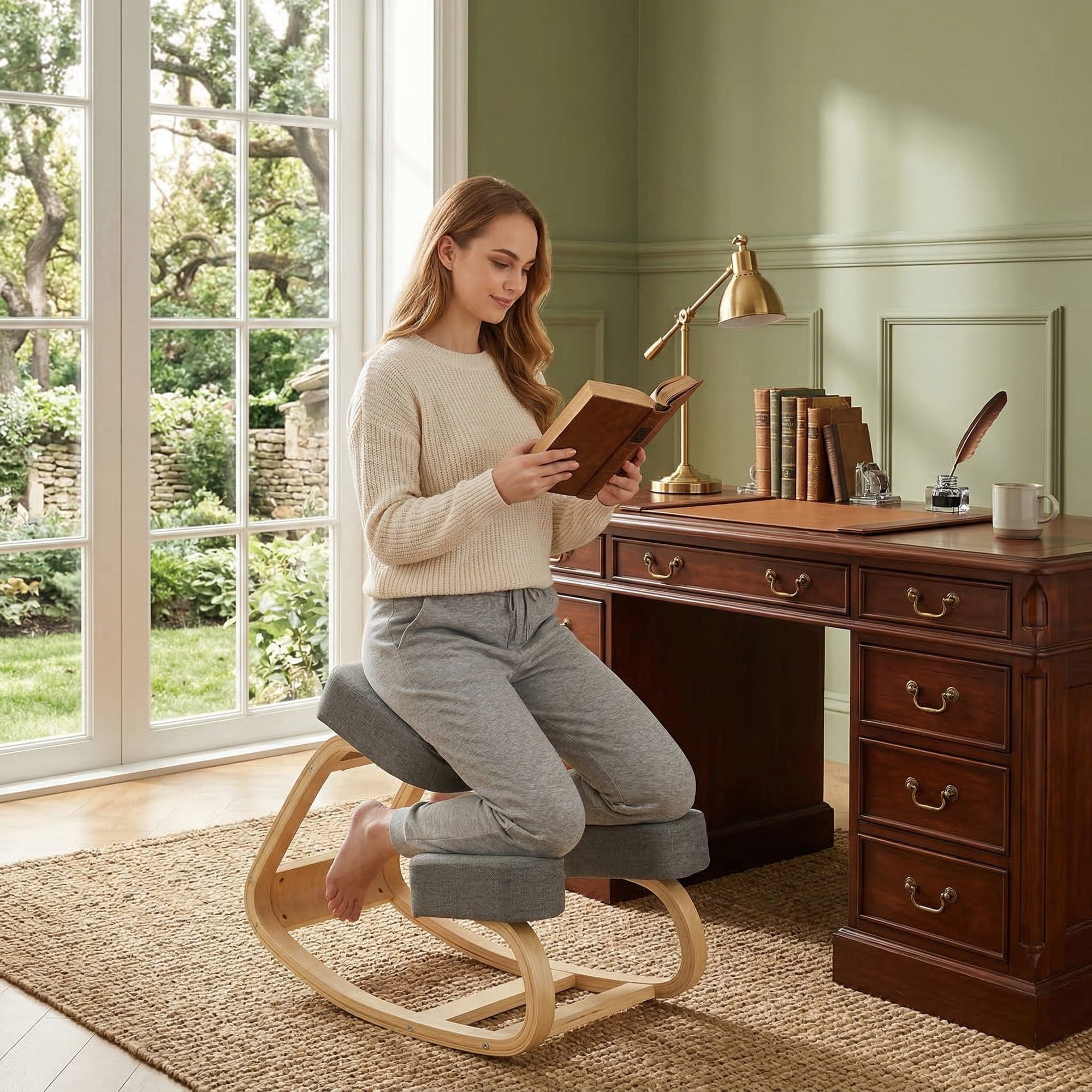
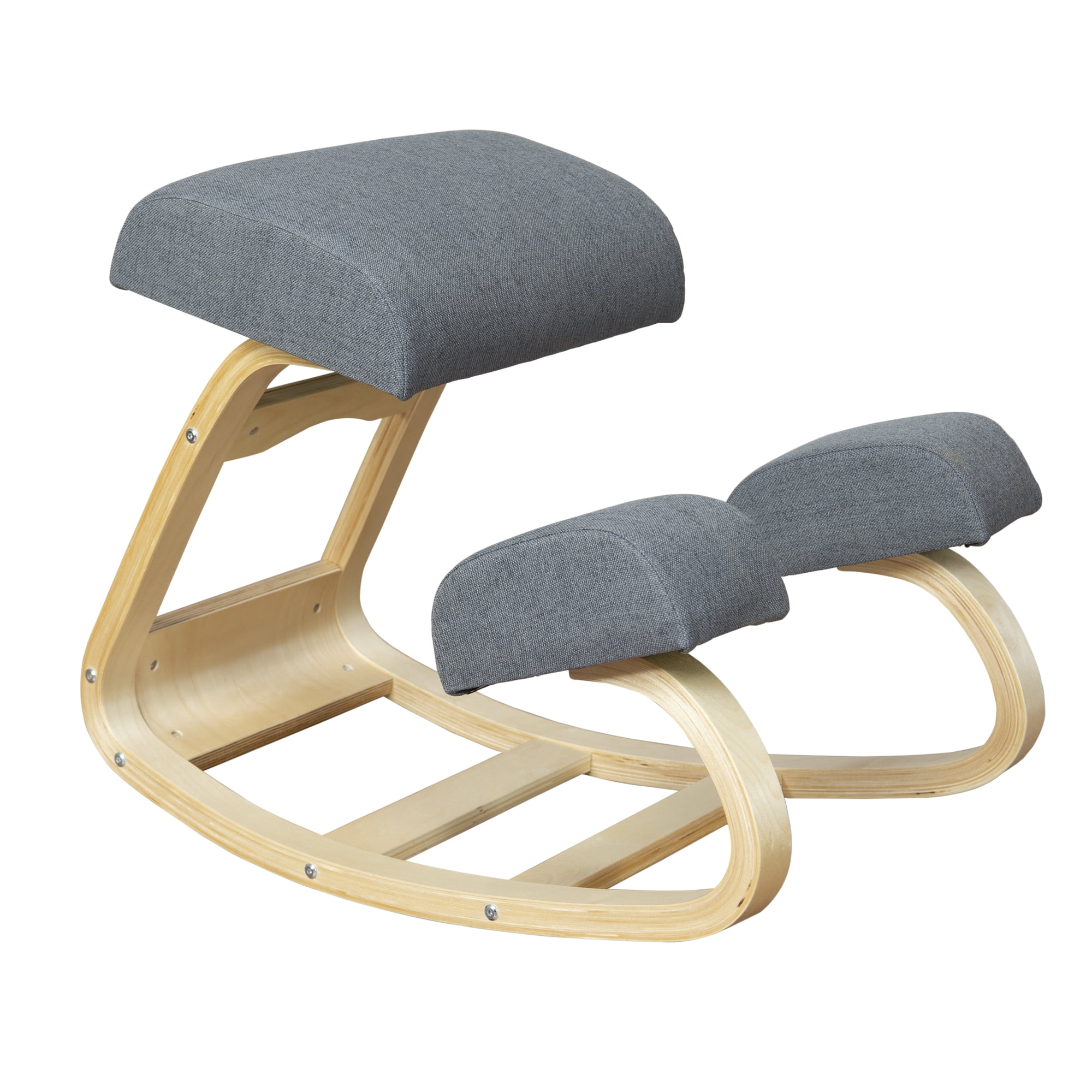
Why Switch to an Ergonomic Office Chair Stool?
The traditional office chair, while comfortable for short periods, often encourages a static posture that can lead to back pain, reduced circulation, and decreased energy levels over time. An ergonomic office chair stool offers a revolutionary alternative by promoting what experts call "active sitting." This concept involves subtle, continuous movements that engage your core muscles, improve spinal alignment, and boost metabolic rate. It's like giving your body a low-intensity workout while you work.
Ergonomic Insight: Studies suggest that active sitting can increase energy expenditure by up to 20% compared to static sitting. By using an ergonomic stool, you're not just sitting; you're activating your body's natural support system, leading to improved focus and reduced fatigue.
Key Features of Premium Ergonomic Stools
Unlike standard office chairs, ergonomic stools are engineered with specific features that cater to dynamic work environments, especially for those using sit-stand desks. Here’s what to look for:
- Pneumatic Height Adjustment: A wide range (typically 20-30 inches) to transition seamlessly between sitting and perching.
- Contoured or Saddle Seat: Designed to promote a neutral hip position and encourage an open, 130-degree body angle, reducing pressure on the lower back.
- 360-Degree Swivel: Essential for accessing different parts of your workspace without straining.
- Rocking or Tilting Mechanism: Allows for dynamic movement, keeping your core engaged and preventing stiffness.
- Sturdy Base with Quality Casters: A wide, heavy-duty base ensures stability at taller heights, often with locking casters for safety.
Choosing the Perfect Ergonomic Stool for Your Workspace
Selecting the right stool is crucial for reaping its benefits. Consider these factors to find your ideal match:
| Feature | Why It Matters | What to Look For |
|---|---|---|
| Height Range | Must match your desk height, especially for standing desks. | Gas lift with 6-10 inch range; minimum 22-32 inches for standing desks. |
| Seat Design | Encourages proper posture and active movement. | Waterfall edge to reduce thigh pressure; saddle or angled seat for hip alignment. |
| Back Support | Provides lower lumbar support without restricting movement. | Adjustable pelvic or lumbar pad; optional high-back models for full support. |
| Base & Casters | Critical for stability and safety at higher seating positions. | Heavy-duty aluminum or steel base; dual-wheel casters; optional locking mechanism. |
| Weight Capacity | Ensures long-term durability and safety. | Minimum 300 lbs; higher for heavy-duty models. |
Health and Productivity Benefits of Active Sitting
Improved Posture
Encourages a neutral spine by naturally positioning the pelvis correctly, reducing the tendency to slouch.
Enhanced Core Strength
Subtle balancing movements engage your abdominal and back muscles, strengthening your core over time.
Increased Focus
Better blood flow and reduced physical discomfort lead to sharper concentration and higher productivity.
Reduced Back Pain
The open hip angle significantly lowers pressure on the lumbar discs compared to traditional 90-degree sitting.
Perfect For:
Material and Construction: What to Expect
Just like executive chairs, the build quality of your ergonomic stool is paramount. Here's a quick guide to materials commonly used in high-quality models:
- Seat Materials: High-density molded foam offers the best support. Mesh seats provide excellent breathability. Upholstery options range from durable, easy-to-clean vinyl to premium, long-lasting fabric.
- Frame and Base: A heavy-gauge steel or aluminum base is non-negotiable for stability, especially at taller heights. Avoid plastic bases for ergonomic stools.
- Gas Lift Cylinder: Look for Class 4 gas lifts, which are rated for high frequency use and higher weight capacities, ensuring the stool maintains its height reliably over years of use.