
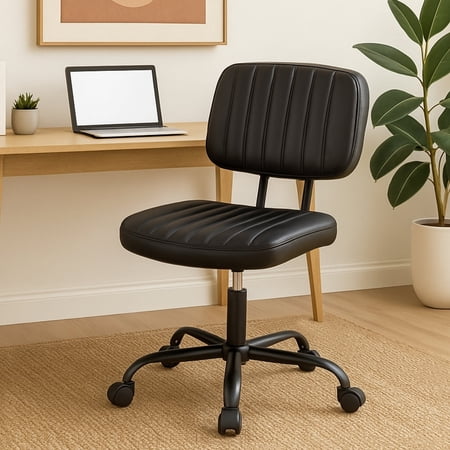
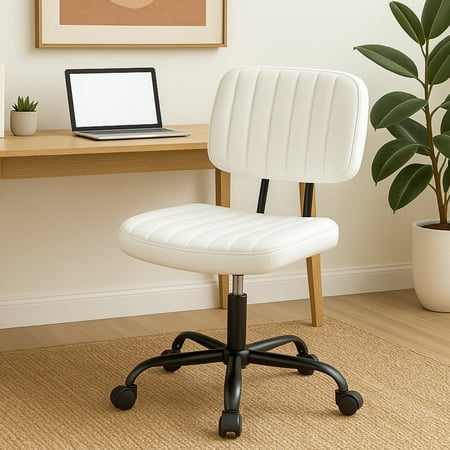
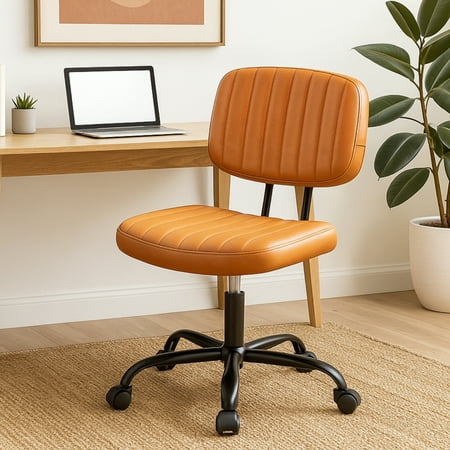
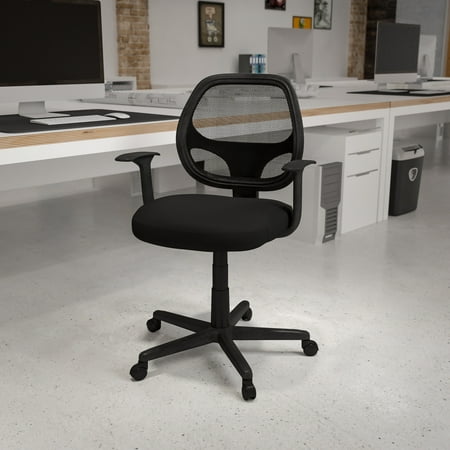
The Rise of Compact Ergonomics: Why a Small Footprint Office Chair Makes Sense
Urban living, minimalist design trends, and the explosion of remote work have transformed how we think about home office furniture. The days of bulky executive thrones occupying half a room are fading. Today’s professionals demand small footprint office chairs that combine intelligent engineering, sleek aesthetics, and a respectful use of space. A compact chair doesn’t mean compromised comfort—it means smart optimization.
According to a 2024 home office survey by Workspace Futures, over 62% of remote workers operate from spaces smaller than 100 square feet. In these environments, every square inch matters. A chair that leaves ample room for movement, fits beneath a desk when not in use, and still provides full lumbar support becomes a game-changer. This guide explores the critical features, selection criteria, and best practices for choosing the perfect compact seating solution.
Design Insight: A well-designed small footprint office chair reduces the base diameter by up to 20% compared to standard task chairs, while still offering adjustable seat height, tilt tension, and breathable back support. The key is proportional engineering—preserving ergonomics in a leaner form factor.
Anatomy of a Space-Saving Office Chair
Not all compact chairs are created equal. The best models incorporate specific design elements that maximize utility in tight quarters:
- Narrow Seat Width: Typically between 17.5 and 19.5 inches, providing adequate hip support without excess width.
- Streamlined Base: A five-star base with a smaller radius (under 25 inches) allows easy maneuvering in confined areas.
- Armless or Flip-Up Arms: Enables the chair to slide fully under the desk and accommodates various desk heights.
- Low-Profile Backrest: Mid-back or contoured high-back designs that don’t visually overwhelm the space.
- Dual-Wheel Casters: Smooth rolling even on hardwood or low-pile carpet, preventing unnecessary friction.
5 Key Benefits of Choosing a Small Footprint Chair
1. Liberated Floor Space
By reducing the chair’s footprint, you gain extra room for yoga breaks, storage bins, or simply a less cluttered environment. It creates an airy, open feel even in compact home offices.
2. Improved Workflow Flexibility
A smaller chair rotates and glides with less resistance, making it easier to transition between multiple monitors, paperwork, and collaborative video calls.
3. Aesthetic Harmony
Minimalist and modern, these chairs blend with Scandinavian, industrial, or contemporary decor—no more bulky eyesores disrupting your design flow.
4. Ergonomic Adaptability
Despite the compact frame, top-tier models include adjustable lumbar support, seat depth control, and multi-directional armrests (when included) to tailor fit to your body.
5. Cost-Efficiency
Often, compact chairs are priced more affordably than oversized executive models, delivering high-end features without the luxury markup—ideal for startups and home offices on a budget.
Choosing the Right Compact Chair: A Step-by-Step Selection Guide
Selecting a small footprint office chair involves more than just picking the narrowest option. Use this structured approach to match your needs:
- Measure Your Workspace: Record the width and depth under your desk. Also note the distance between desk legs or panels. Ensure at least 2 inches clearance on each side of the chair base.
- Assess Your Body Dimensions: For taller individuals, prioritize chairs with sufficient seat depth (at least 17 inches) and adjustable height range. Petite users benefit from chairs with lower seat height minimums.
- Decide on Armrests: If you need arm support, look for slim-profile adjustable arms or models with flip-up arms. For pure space savings, an armless chair is unbeatable.
- Material Matters: Mesh backs promote airflow and reduce visual weight; fabric seats offer cozy comfort; faux leather wipes clean easily. Choose based on your climate and cleaning habits.
- Test Adjustability: A compact chair should still have pneumatic seat height adjustment, tilt lock, and tension control to prevent slouching. These features are essential for all-day comfort.
Material & Construction Comparison for Compact Chairs
Even with a smaller frame, the build quality dictates longevity. Below is a quick reference to help you weigh options:
| Material | Durability | Space-Saving Advantage | Best For |
|---|---|---|---|
| Breathable Mesh Back + Fabric Seat | Good (5–8 years) | Low visual bulk, often paired with slim backrest | Warm climates, home offices, long work hours |
| Faux Leather / PU Leather | Fair to Good (3–6 years) | Sleek, easy to clean, sometimes available in armless versions | Modern aesthetics, spill-prone areas |
| Full Fabric Upholstery | Moderate (4–7 years) | Cozy feel, wide color variety to match decor | Casual home offices, creative spaces |
| High-End Mesh (Full mesh) | Excellent (7–10 years) | Minimalist frame, maximum airflow, lightweight | Tech professionals, minimalist setups |
Common Myths About Small Footprint Office Chairs
- Myth: "Compact chairs are only for kids or small-framed people."
Reality: Many brands now offer compact chairs with weight capacities up to 300 lbs and generous seat dimensions, simply with a narrower overall footprint. - Myth: "They lack proper lumbar support."
Reality: Leading compact chairs incorporate adjustable lumbar mechanisms or built-in ergonomic curves to maintain the natural S-curve of the spine. - Myth: "They tip over easily because of a smaller base."
Reality: Quality compact chairs undergo rigorous stability testing. A smaller base is engineered with reinforced materials and wide-set casters for safe everyday use.
Real-World Applications: Who Needs a Small Footprint Office Chair?
Ideal for apartments or shared living spaces where the desk doubles as a dining or craft table. Armless models blend seamlessly.
Compact dimensions allow placement in tight dorm corners; easy to roll aside when not studying.
Streamlined chairs fit into smaller cubicles and allow more people to navigate shared spaces without obstruction.
Low-profile chairs keep the background clean and uncluttered while offering comfort during long editing sessions.
Maintenance Tips for Longevity
To ensure your small footprint chair remains functional and fresh:
- Vacuum mesh or fabric backs monthly to prevent dust buildup.
- Wipe faux leather with a damp microfiber cloth; condition genuine leather twice a year.
- Tighten screws and bolts every 3–6 months, especially on armrests and base.
- Use a floor mat if you have hardwood to prevent caster wear and protect flooring.
- Avoid exceeding the weight limit, as compact mechanisms are precisely calibrated.
Industry Insight: The global compact office furniture market is projected to grow at 8.4% CAGR through 2030, driven by urban micro-apartments and the continued hybrid work model. Investing in a quality small footprint office chair now means future-proofing your workspace.
Frequently Asked Questions About Small Footprint Office Chairs
Conclusion: Small Footprint, Big Impact
A small footprint office chair proves that you don’t need a massive throne to achieve peak comfort and professional style. By focusing on proportional design, robust adjustability, and quality materials, you can transform even the tiniest nook into a productive workstation. Whether you’re a remote worker, a startup founder, or a design-savvy professional, the right compact chair elevates both your health and your environment.
Take the time to measure your space, identify your ergonomic priorities, and explore chairs that balance aesthetics with functionality. Your back—and your available floor space—will thank you.
Final Checklist Before Purchase:
- Measure under-desk clearance and room width
- Verify weight capacity meets your needs
- Ensure seat height range matches your desk
- Test lumbar support (if possible) or read reviews
- Pick materials that suit your maintenance style