
Why Every Modern Workspace Needs an Ergonomic Task Office Chair
If you spend more than five hours a day at a desk, your chair is arguably your most important workstation tool. An ergonomic task office chair goes beyond basic seating—it acts as a personalized support system that moves with you, encourages active posture, and helps sustain mental clarity throughout demanding workdays. Unlike conventional office chairs that force you into rigid positions, a task-oriented ergonomic chair adapts to your unique body mechanics, whether you're typing, on conference calls, or brainstorming.
📊 Research-backed impact: According to a 2023 workplace ergonomics study, employees using fully adjustable ergonomic task chairs reported 42% less musculoskeletal discomfort and a 27% increase in self-reported productivity. The ability to fine-tune armrest height, lumbar curve, and seat tilt directly correlates with fewer work interruptions due to pain.
Core Anatomy of an Ergonomic Task Chair
To maximize the benefits, it's crucial to understand the key components that define a genuine ergonomic task chair. These elements work in harmony to reduce fatigue and promote natural spinal alignment:
- Dynamic Lumbar Mechanism: Unlike static backrests, modern task chairs offer adjustable lumbar depth and height, ensuring the curve fits your lower spine perfectly.
- Seat Depth Adjustment: A sliding seat pan allows users to optimize thigh support without pressure behind the knees—critical for those with longer femurs.
- 4D Armrests: Height, width, depth, and pivot adjustments let you rest elbows comfortably while keeping shoulders relaxed, preventing neck strain.
- Synchronized Tilt / Tension Control: This feature lets the chair recline while maintaining a balanced relationship between seat and back angle, ideal for changing postures during deep focus or meetings.
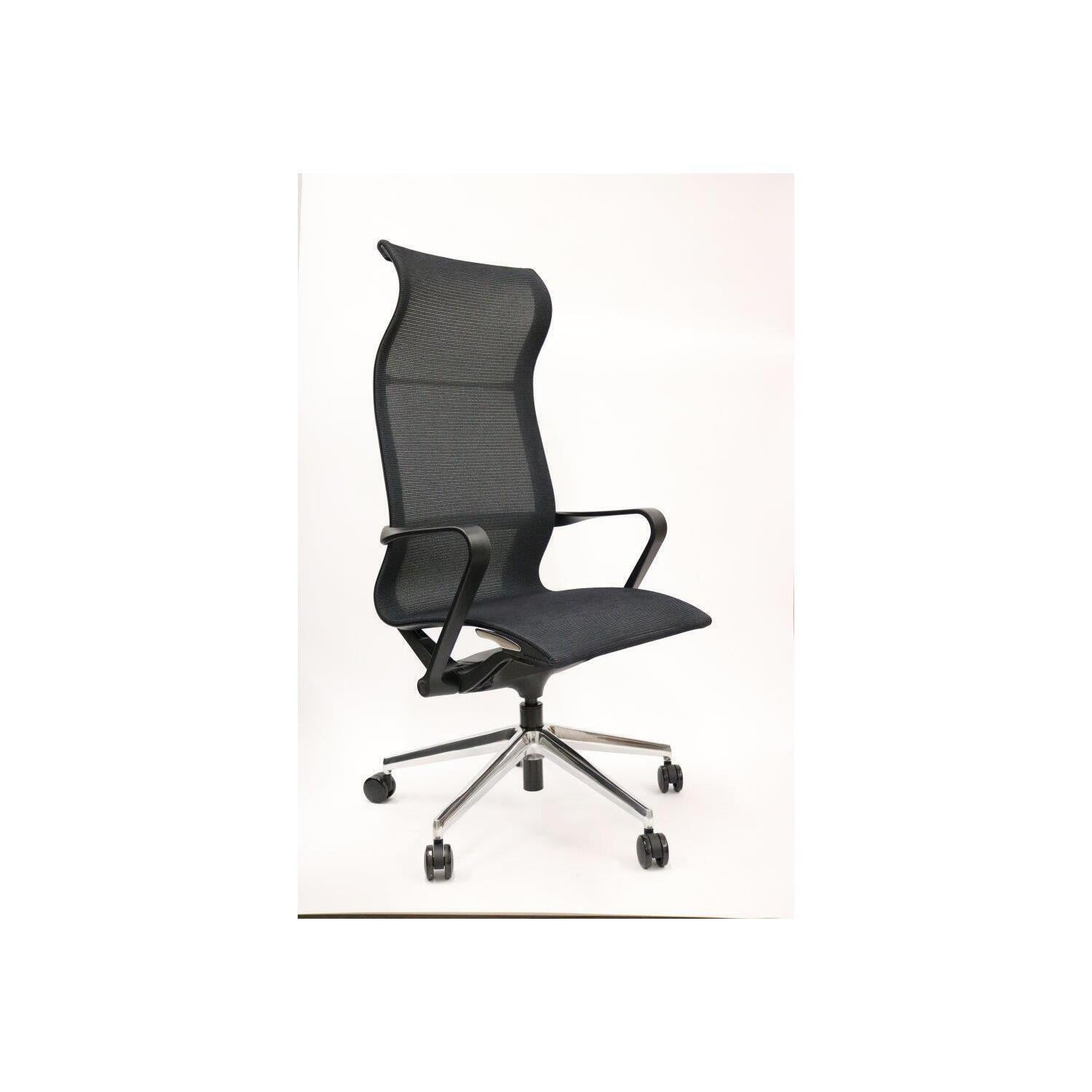
- Breathable Material Options: High-end mesh or perforated fabric keeps the microclimate cool, while high-density foam ensures long-lasting resilience.
Ergonomic Task Chairs vs. Executive Chairs: Key Differences
Many buyers confuse task chairs with executive models. While executive chairs focus on luxury padding and high backs, task chairs are performance-driven. Below is a quick comparison to clarify which suits your work style:
| Aspect | Ergonomic Task Chair | Traditional Executive Chair |
|---|---|---|
| Primary Function | Active sitting & adjustability | Aesthetics & formal presence |
| Adjustability | Extensive (seat depth, armrests 4D, lumbar) | Basic (height, tilt) |
| Back Support | Integrated dynamic lumbar | Fixed or minimal padding |
| Best Suited For | Long hours of computer work, hybrid professionals | Occasional seating, client-facing roles |
5 Key Benefits of Choosing the Right Ergonomic Task Office Chair
1. Improved Posture Awareness
Adjustable backrests with natural curvature encourage you to sit upright without forcing rigidity. Over time, this trains your core and reduces slouching habits.
2. Reduced Fatigue & Pain
By distributing weight evenly and allowing micro-adjustments, ergonomic chairs minimize pressure points that cause afternoon discomfort.
3. Enhanced Circulation
Waterfall seat edges and proper seat depth prevent compression on the popliteal area, ensuring consistent blood flow to lower limbs.
4. Adaptability for Multiple Users
If you share a workspace or have fluctuating needs, a task chair’s broad adjustability range makes it a versatile solution for different body types.
5. Long-Term Durability
Most premium ergonomic task chairs undergo rigorous BIFMA testing, ensuring they withstand intensive daily use for years without losing structural integrity.
Materials and Construction: What to Look For
The longevity and comfort of an ergonomic task chair heavily depend on materials. Here’s a quick breakdown of popular options:
✅ Mesh Back & Seat
- Excellent airflow (ideal for warm offices)
- Conforms to spine shape without permanent deformation
- Lightweight and modern aesthetic
⚠️ Considerations for Mesh
- May lack plush cushioning for tailbone sensitivity
- Requires sturdy frame to prevent sagging over years
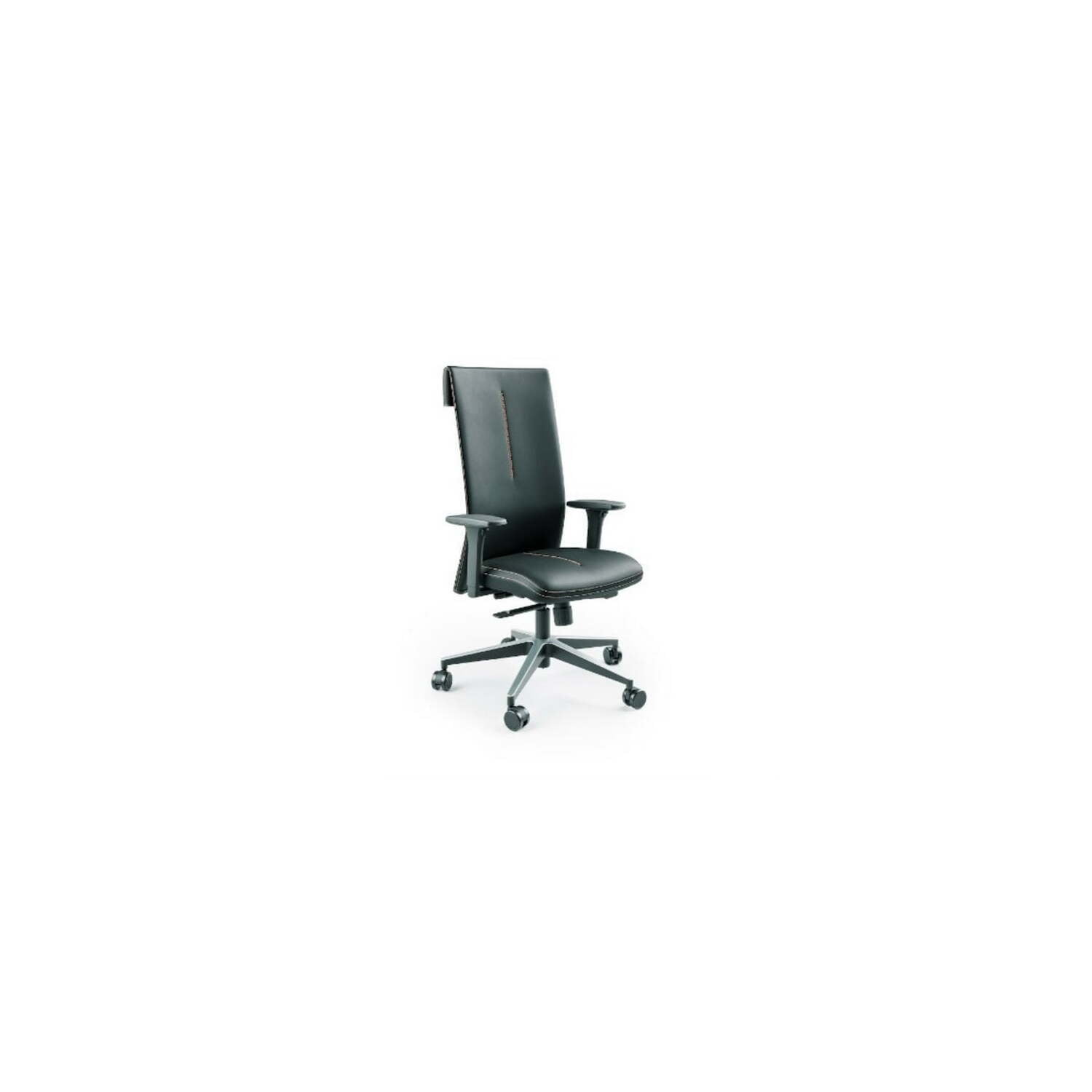
✅ High-Density Foam + Fabric/Leather
- Contoured comfort for users preferring soft seating
- Wider range of color/style options
- Often quieter than mesh (no squeaking)
⚠️ Considerations for Foam
- May retain heat in warmer climates
- Long-term compression requires high-quality foam density
Step-by-Step: How to Choose Your Perfect Ergonomic Task Office Chair
Step 1: Measure Your Workspace & Body
Start by measuring your desk height (standard 28–30 inches) and the space underneath. Your ideal chair should allow feet to rest flat while thighs are parallel to floor. Note your height and weight: look for chairs with weight capacity ≥ 275 lbs for robustness.
Step 2: Prioritize Non-Negotiable Adjustments
At a minimum, ensure the chair has: seat height adjustment (pneumatic), adjustable lumbar support, and 3D armrests. For maximum ergonomics, seek seat depth slider and tilt tension control.
Step 3: Test the Recline Mechanism
A quality ergonomic task chair offers a synchronized or knee-tilt mechanism that maintains eye-to-monitor alignment while leaning back. Avoid chairs with limited tilt lock unless you rarely recline.
Step 4: Verify Warranty & Certifications
Reputable brands offer at least 5 years on mechanical parts and 10 years on frame. Look for BIFMA or ANSI/BIFMA X5.1 certification — these ensure the chair passed rigorous safety and durability tests.
Frequently Asked Questions About Ergonomic Task Office Chairs
Conclusion: Invest in Your Body with the Right Ergonomic Task Chair
Selecting a ergonomic task office chair is not merely a purchase—it's a commitment to your well-being and professional endurance. The perfect model provides a seamless blend of adjustability, durability, and personalized support that keeps you productive without nagging discomfort. As hybrid work and extended screen hours become standard, equipping your office with an ergonomic task chair is a strategic move that pays dividends in health and output.
Final tip: Don't rely solely on online photos—read user reviews focusing on long-term comfort, and whenever possible, test the chair's adjustment mechanisms. Prioritize models with a strong return policy and comprehensive warranty. Your spine will thank you for years to come.