
Why a Small Adjustable Office Chair is a Game-Changer for Your Home Office
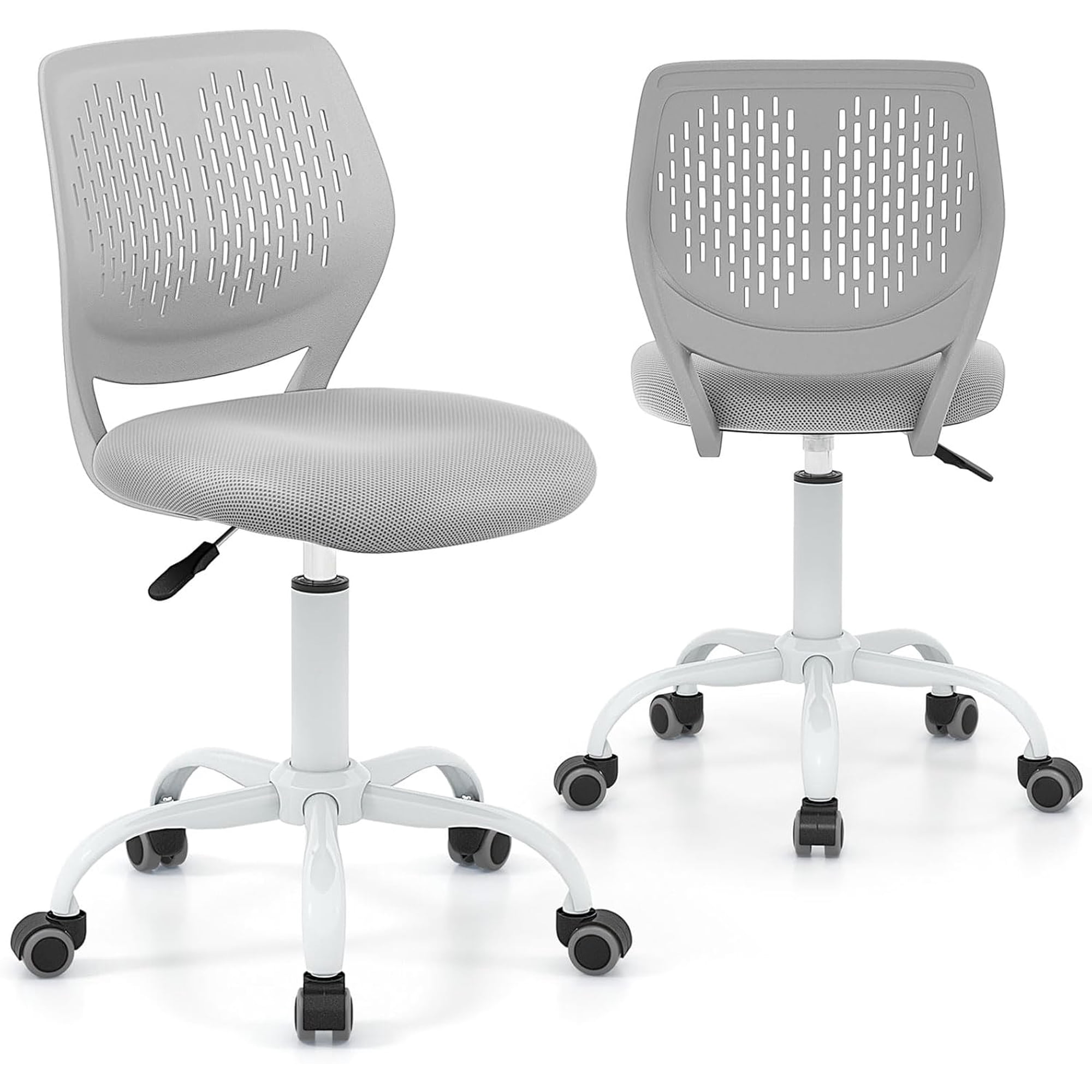
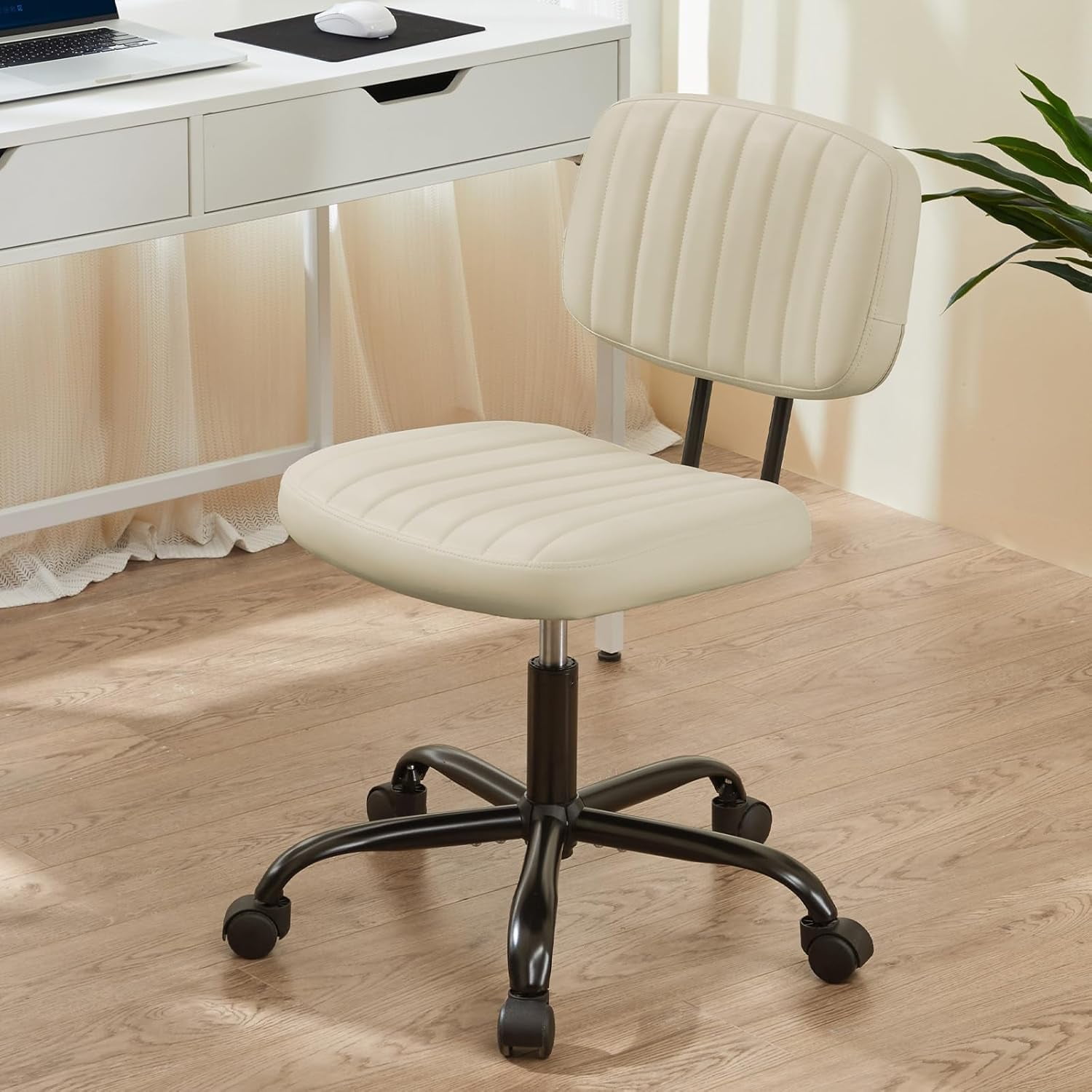
In today's flexible work environment, space is often a premium. Whether you're setting up a corner workstation, a compact home office, or simply need a chair that doesn't overwhelm your room, a small adjustable office chair offers the perfect blend of functionality and footprint. These chairs are meticulously engineered to provide full ergonomic support while occupying minimal floor space, making them ideal for apartments, dorm rooms, and minimalist setups.
Did you know? According to a 2023 home office study, 68% of remote workers in urban areas cited "limited space" as their primary challenge. A compact, fully adjustable chair solves this by combining a small base with crucial ergonomic adjustments, boosting productivity by up to 35% without sacrificing floor area.
Key Features of the Best Small Adjustable Chairs
Not all compact chairs are created equal. The best models incorporate specific engineering to ensure that "small" doesn't mean "uncomfortable." Here's what to prioritize:
- Narrow Seat Width (18-20 inches): Designed to fit under smaller desks and into tight corners without restricting movement.
- Multi-Dimensional Adjustability: Height adjustment, tilt tension, and seat depth slider to accommodate different body types (especially for petite users).
- Space-Saving Armrests: Flip-up or 3D adjustable arms that can be pushed back to slide the chair fully under the desk when not in use.
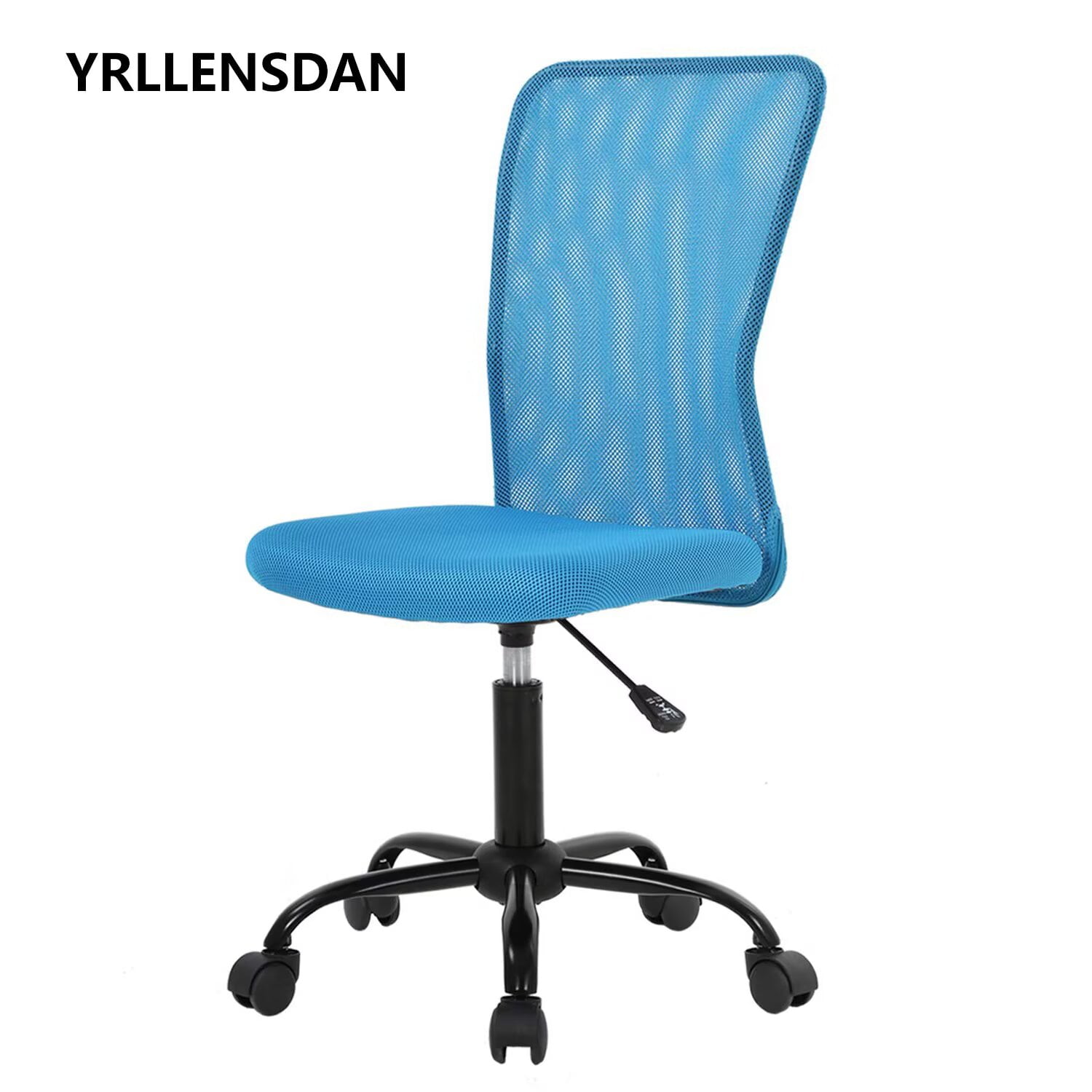
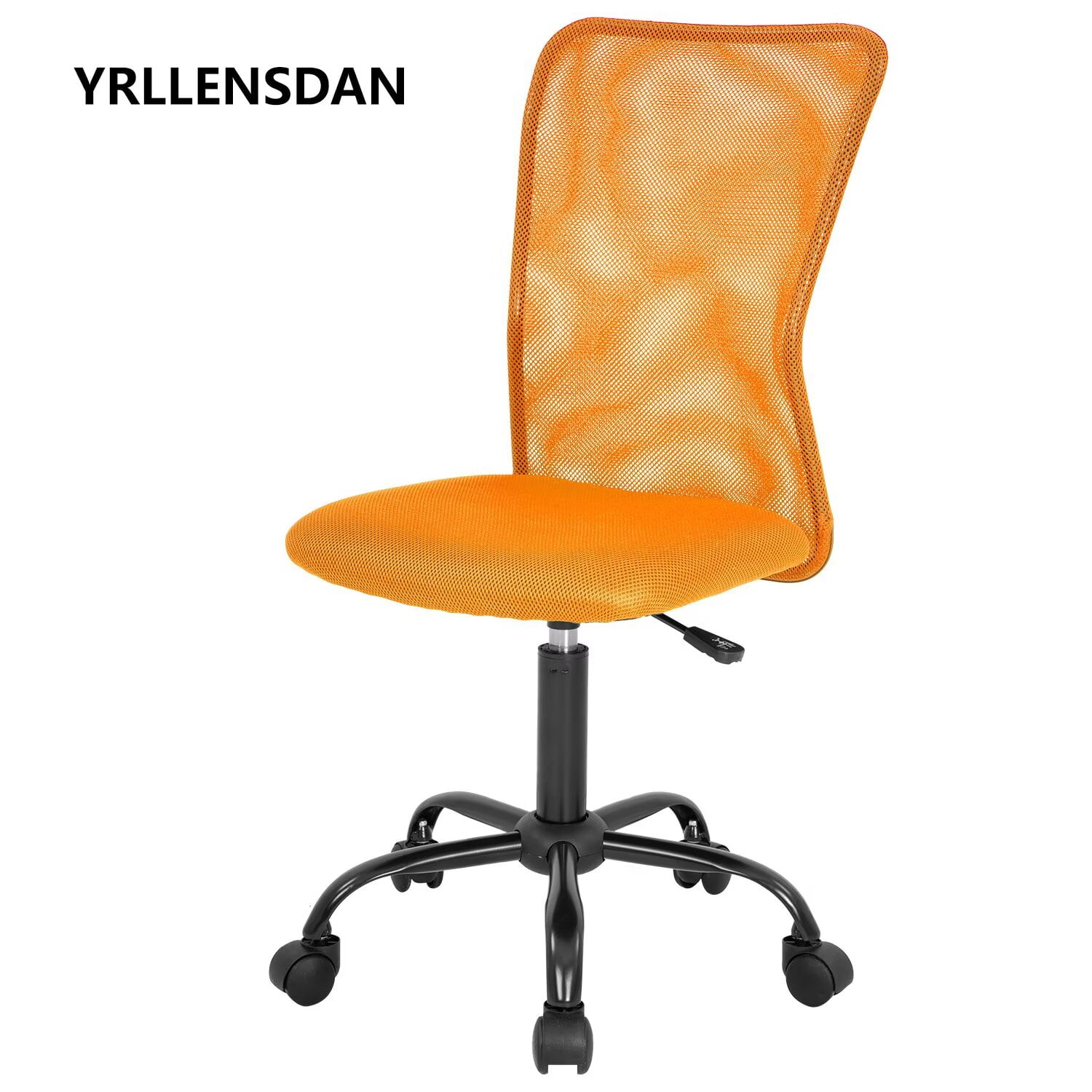
- Breathable Mesh Back: Keeps you cool in compact spaces where air circulation might be limited.
- Sturdy 5-Star Base with Smooth Casters: Even in small areas, smooth-rolling wheels prevent damage to floors and allow easy movement.
How to Choose the Right Small Adjustable Office Chair
Selecting the ideal compact chair involves measuring your space and understanding your body's needs. Follow this decision matrix:
| Consideration | Why It Matters | Ideal Specification |
|---|---|---|
| Seat Height Range | Ensures feet rest flat and thighs are parallel to the floor | 16" to 21" (lowest setting for petite users 14-15") |
| Seat Depth | Prevents pressure behind knees; critical for shorter individuals | Adjustable between 15" to 18" or fixed at 16" with waterfall edge |
| Backrest Height | Provides lumbar support without overwhelming the space | Mid-back (16-20") with integrated lumbar curve or adjustable pad |
| Armrest Type | Allows desk proximity and space efficiency | Flip-up, height-adjustable, or 3D arms that pivot inward |
| Base Diameter | Directly impacts the chair's footprint | 23" to 25" star base (standard is 27") for tighter spaces |
Ergonomic Benefits of Compact Adjustable Chairs
Tailored Lumbar Alignment
Just because the chair is small doesn't mean support is compromised. Many compact chairs include height-adjustable lumbar pillows or built-in curves that target the lower spine, reducing strain during long work hours.
Improved Circulation
Shorter seat pans (when adjusted correctly) prevent compression of the popliteal arteries behind the knees. This is especially beneficial for those with a petite frame or those who sit for prolonged periods.
Dynamic Movement
Compact chairs often feature synchro-tilt mechanisms that allow the seat and back to move in a natural ratio, encouraging micro-movements that keep the spine nourished and active even while seated.
Clutter-Free Aesthetics
A smaller, sleek chair contributes to a visually organized space, reducing mental clutter. This minimalist approach has been linked to increased focus and lower stress levels in home offices.
Installation & Setup: Making the Most of Your Small Adjustable Chair
To maximize the benefits, proper setup is key. Use this quick-start checklist:
Frequently Asked Questions About Small Adjustable Office Chairs
Conclusion: Invest in Smart Ergonomics, Even in Small Spaces
Selecting a small adjustable office chair doesn't mean compromising on health, comfort, or style. The modern market offers brilliant solutions that combine a compact footprint with the adjustability needed to maintain perfect posture throughout the workday. Whether you are a petite professional, a home office enthusiast, or simply value a clean, uncluttered workspace, the right small chair will enhance both your productivity and physical well-being.
Final Recommendations by User Profile
Prioritize chairs with seat depth adjustment (shorter pans) and a low minimum seat height (below 16"). 3D armrests that can be moved inward are also helpful to avoid arm fatigue.
Choose a chair with a sleek mesh back and flip-up arms. This allows the chair to slide fully under the desk, maximizing floor space when not in use. A neutral color palette also helps maintain a cohesive aesthetic.
Look for a model with built-in lumbar support and a seat cushion made of high-resilience foam. A synchro-tilt mechanism is a bonus, as it allows you to recline without losing proper leg positioning.