
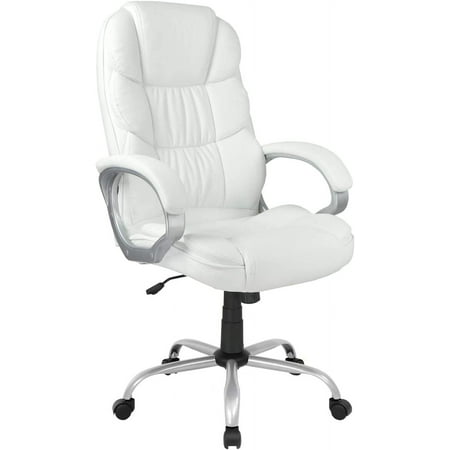
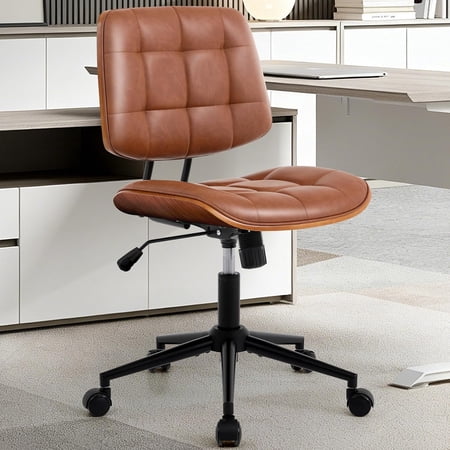
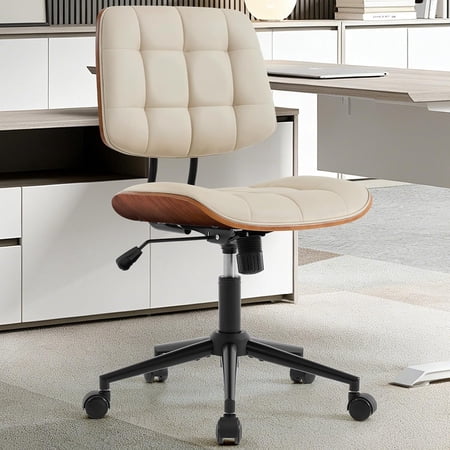
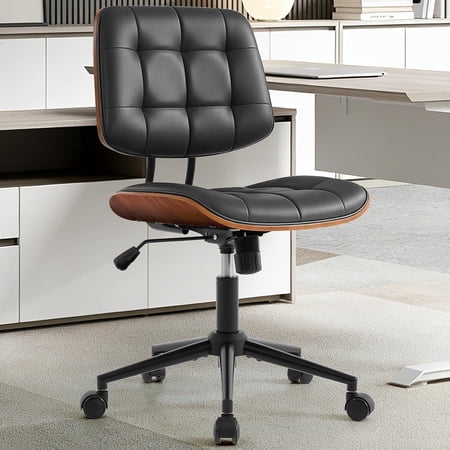
Your Guide to Affordable Seating: The Cheap Office Chair With Arms
In today's dynamic work environment, whether you're managing a remote team, running a small business, or simply setting up a home office, the need for a reliable, comfortable, and affordable office chair is universal. A cheap office chair with arms is often the perfect solution, providing the essential support your body needs without the premium price tag of high-end executive models. But finding the right one can feel like navigating a maze of confusing features and flashy marketing.
Did You Know? A study by the American Chiropractic Association found that maintaining proper posture while seated can reduce the risk of back pain by over 50%. Armrests play a crucial role in this by supporting your forearms, which in turn alleviates tension in your neck and shoulders. Even a budget chair with well-designed armrests can be a powerful tool for your health.
This guide is dedicated to helping you cut through the noise. We will explore the essential features of a great budget chair, decode what "ergonomic" really means in the context of affordable seating, and provide you with a clear roadmap to make a smart, informed purchase. We believe that everyone deserves a comfortable place to work, regardless of their budget.
Why Armrests Are Non-Negotiable for Comfort and Health
When you're on a budget, it's tempting to consider an armless chair to save a few dollars. However, for anyone spending more than a few hours a day at a desk, armrests are a critical ergonomic feature. Here’s why they matter:
- Reduce Shoulder & Neck Tension: Without armrests, your arms hang unsupported, forcing your shoulders and upper back muscles to work constantly. Armrests provide a place for your arms to rest, shifting the load away from your neck and shoulders.
- Promote Better Posture: By supporting your elbows at a 90-degree angle, armrests help keep your shoulders relaxed and your spine in a neutral position. This prevents the forward hunch that leads to slouching and back pain.
- Provide Micro-Breaks for Muscles: Even with a great keyboard setup, your arms are engaged. Armrests allow you to take quick, micro-breaks, letting your arm muscles relax for a moment, which can reduce fatigue.
- Ease of Entry and Exit: This is a practical benefit, especially for those with mobility concerns. Armrests provide a stable point of leverage when getting in and out of your chair.
Key Features to Look For in a Budget-Friendly Chair With Arms
When your budget is limited, you need to be strategic. Instead of looking for every possible adjustment, focus on the features that offer the most "bang for your buck" in terms of comfort and durability.
The "Big Three" Features for Your Budget Chair
- Adjustable Seat Height: This is the most fundamental feature. A pneumatic gas lift allows you to adjust the chair so your feet are flat on the floor, your knees are at a 90-degree angle, and your arms are level with your desk. Without this, ergonomic alignment is nearly impossible.
- Padded or Contoured Armrests: The armrests should have some form of padding. Hard, plastic armrests can cause discomfort over time. Look for "flip-up" or "pivoting" arms, which are common on budget chairs and offer a surprising amount of flexibility to accommodate different body types or tasks.
- Lumbar Support (or a Good Backrest): While a dedicated, adjustable lumbar knob is rare at this price point, a backrest that has a natural, outward curve in the lower region is essential. Some budget chairs offer a small, adjustable lumbar pillow, which can be a fantastic value-added feature.
Materials Matter: Mesh vs. Fabric vs. Bonded Leather
On a budget, the material choice will significantly impact your long-term satisfaction. Here’s a quick comparison to help you choose wisely:
| Material | Pros for Budget Models | Cons for Budget Models | Best For... |
|---|---|---|---|
| Mesh | Highly breathable, prevents overheating. Durable and easy to clean. Often found in ergonomic-focused budget models. | Can feel less "plush" than fabric. The mesh back is great, but the seat is often foam, which can wear out. | Warm climates, long work hours, anyone who tends to run hot. |
| Fabric | Often the most comfortable and "cushy" feeling. Wide variety of colors. Good for cooler environments. | Can stain and trap dust and allergens. May show wear and flatten faster than mesh. | Home offices, cooler environments, users who prioritize a soft, welcoming feel. |
| Bonded Leather | Looks professional and is easy to wipe clean. Can be a good choice for a guest chair. | Pecks and cracks over time, especially with daily use. Not breathable, can become hot and sticky. Least durable of the three. | Light-duty use, occasional guest seating, or a short-term solution. |
Understanding the "Cheap" Price Spectrum: What to Expect at Each Tier
The term "cheap" can mean different things to different people. To help you set realistic expectations, let's break down what you can typically find in various price ranges.
Under $80
Expect: Basic construction, thin padding, and fixed plastic armrests. This is often suitable for a student or for light, occasional use (2-4 hours a day). Durability and long-term comfort will be limited.
$80 - $150
Expect: The "sweet spot" for most home office users. You'll find chairs with padded armrests (sometimes flip-up), contoured backrests, decent seat foam, and a reliable gas lift. Ideal for full-time work (8 hours a day).
$150 - $250
Expect: Enhanced features like adjustable lumbar support, headrests, 3D armrests (that move up/down, pivot), and higher-quality materials like durable mesh or thicker fabric. These chairs often rival premium models in functionality.
Common Misconceptions About Cheap Office Chairs
Let's bust a few myths that might be holding you back from finding a great budget-friendly chair.
- Myth: "Cheap chairs are all uncomfortable and will fall apart."
Fact: While many low-quality options exist, a well-researched purchase in the $100-$200 range can yield a comfortable, durable chair that lasts for years. The key is to focus on construction quality and user reviews. - Myth: "You need to spend $500+ for a good ergonomic chair."
Fact: Premium chairs offer more nuanced adjustments, but the core ergonomic principles—proper height, lumbar support, and arm support—can absolutely be achieved with a well-designed budget model. - Myth: "Mesh is only for expensive chairs."
Fact: Mesh has become very accessible. You can find excellent chairs with breathable mesh backs and a comfortable foam seat for under $150, making it a great option for any budget.
Step-by-Step: How to Choose Your Ideal Cheap Office Chair With Arms
Follow this simple guide to ensure you make the right choice for your body, your workspace, and your budget.
Step 1: Measure Your Workspace
- Desk Height: Ensure the chair's maximum height allows your elbows to rest at a 90-degree angle.
- Underside Clearance: Measure the height from the floor to the bottom of your desk. You need at least 3-4 inches of clearance for the armrests to slide under.
- Width Availability: Measure the space where the chair will go. A wider seat may be more comfortable but can be cumbersome in a tight space.
Step 2: Define Your Daily Usage
- Full-Time (8+ hours): Invest in the $150-$250 range. Prioritize a contoured seat, breathable mesh back, and padded, adjustable armrests.
- Part-Time (4-6 hours): The $80-$150 range is perfect. Look for a comfortable seat cushion and flip-up arms for flexibility.
- Occasional Use: The under-$80 category can suffice. Focus on basic comfort and a reliable gas cylinder.
Step 3: Prioritize Your Top 3 Features
Write down the three most important things to you. For example:
- 1. Breathable back (Mesh)
- 2. Flip-up armrests to get close to my desk
- 3. A thick, padded seat cushion
Use this list to filter your options. This will prevent you from being overwhelmed by features you don't need.
Step 4: Read the Reviews (But Look for Patterns)
Don't just look at the star rating. Read the 3 and 4-star reviews. They often provide the most balanced insights. Look for comments about:
- Long-term comfort (after weeks or months of use).
- The durability of the gas lift and casters.
- Ease of assembly.
- Accuracy of the product dimensions.
Tips for Extending the Life of Your Budget Office Chair
Protect your investment with a little care and maintenance. A few simple habits can add years to your chair's lifespan.
- Tighten Screws Regularly: Every few months, check and tighten the screws on the base, armrests, and backrest. They can loosen with daily movement.
- Clean Properly: For mesh and fabric, use a soft brush or a vacuum with an upholstery attachment. For bonded leather, use a mild soap and water solution, and avoid harsh chemicals that can cause cracking.
- Use a Mat on Carpets: If your office has thick carpet, a plastic chair mat will protect the carpet and allow the casters to roll smoothly, reducing stress on the chair's base.
- Avoid Over-Reclining: While a little recline is fine, constantly leaning back with your full weight puts significant stress on the tilt mechanism, which is often a weaker point on budget models.