
Why a Lightweight Ergonomic Office Chair Is a Game‑Changer
Picture this: you’re shifting from your desk to a collaborative corner, then back to your private workspace—without wrestling a heavy throne of foam and steel. A lightweight ergonomic office chair acts like a personal assistant that adapts to your rhythm. Modern professionals no longer stay glued to a single spot; we pivot, brainstorm, and work across multiple zones. Lightweight ergonomic seating bridges the gap between robust support and effortless agility.
Did you know? A study by the American Chiropractic Association indicates that using a properly adjusted ergonomic chair reduces back strain by up to 34%. Combine that with a lighter frame, and you get a chair that moves with you, encouraging micro-movements that enhance circulation and focus.
Core Characteristics of Lightweight Ergonomic Chairs
Not all lightweight chairs are created equal. True ergonomic lightweight models blend minimal weight with structural intelligence. Here’s what sets them apart:
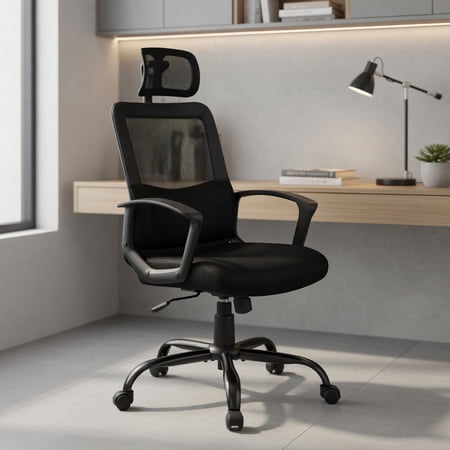
- Breathable mesh backrests that reduce weight while maximizing airflow, keeping you cool during extended work sessions.
- High‑density nylon or aluminum bases that slash pounds but retain stability and durability.
- Integrated lumbar curves or adjustable lumbar pads that don't add bulk but deliver targeted spinal support.
- Simplified yet effective adjustment mechanisms — height adjustment, tilt lock, and seat depth control — all engineered with lightweight components.
- Easy‑glide casters on hardwood or carpet that let you transition seamlessly between tasks.
⚡ Analogy: A lightweight ergonomic chair is to traditional office seating what a carbon fiber bicycle is to a vintage cruiser. Both get you there, but one does it with remarkable efficiency, responsiveness, and ease of handling.
Material & Design Innovation: Where Weight Meets Resilience
Engineers now use advanced polymers, hybrid mesh, and thin‑profile foam that rival heavier chairs in longevity. The table below highlights how materials contribute to the lightweight revolution without compromising support.
🌬️ Breathable Mesh
Weight advantage: 40% lighter than traditional foam+leather combos.
Ergonomic benefit: Conforms to spine curvature, distributes pressure evenly, never retains heat.
🔩 Nylon / Fiberglass Base
Weight advantage: Up to 50% lighter than steel bases, yet passes BIFMA durability tests.
Ergonomic benefit: Provides 5‑point stability and smooth swivel action.
🪑 Thin Profile Seat Foam
Weight advantage: High‑resilience foam with slimmer design reduces total chair weight.
Ergonomic benefit: Maintains cushioning while ensuring proper thigh support.
Who Benefits Most from Lightweight Ergonomic Seating?
- Remote & hybrid workers: frequently switch between home office, kitchen table, or co‑working spaces.
- Multipurpose room owners: need a chair that can be tucked away when hosting guests.
- Students & creatives: value flexibility and the ability to rearrange their workspace on a whim.
- Executives with secondary offices: want a high‑performance chair that’s easy to move during meetings or floor plan changes.
- Anyone with physical constraints: lighter chairs are easier to adjust, lift, or reposition for caregivers or individuals with limited mobility.
How to Choose the Perfect Lightweight Ergonomic Office Chair
Follow this step‑by‑step selection guide to match your needs with the ideal model:
Step 1: Assess Your Mobility Needs
- Do you move between rooms daily? Prioritize chairs under 28 lbs with integrated handles or smooth‑rolling casters.
- Will the chair be shared? Look for tool‑free height adjustment and simple levers for quick customization.
- Is floor type a concern? Choose soft polyurethane casters for hardwood, or dual‑wheel casters for carpets.
Step 2: Validate Ergonomic Adjustability
- Seat height: pneumatic lever should allow feet flat on floor (16–21 inch range).
- Lumbar support: ideally adjustable in height, or built‑in active lumbar mechanism.
- Tilt tension & lock: enables rocking motion or locked upright position.
- Armrests: 2D or 3D adjustable arms add versatility without excessive weight.
Step 3: Set a Realistic Weight & Durability Balance
Pro tip: A high‑quality lightweight chair should have a weight capacity of at least 250 lbs, even if it weighs only 22 lbs. Look for BIFMA certification and at least a 3‑year warranty on moving parts.
Step 4: Test the Movement Experience
If possible, try the chair’s swivel, roll, and tilt actions. Lightweight chairs should feel responsive but not flimsy. The base must not wobble when leaning back.
Health & Productivity Advantages Beyond Weight
📈 Enhanced Focus
Lighter chairs reduce the mental barrier to reposition, keeping you engaged and less fatigued during dynamic tasks.
🦵 Improved Postural Awareness
Mesh backs and responsive seats promote natural micro‑movements, reducing static muscle tension.
🧘♂️ Adaptability for Active Sitting
Many lightweight models have flexible backrests that encourage subtle core engagement, supporting spinal health.
🏠 Space‑Saving Versatility
Easily slide under desks or store in corners, making them perfect for minimalist home offices and small apartments.
Frequently Asked Questions About Lightweight Ergonomic Office Chairs
Conclusion: Lightweight Doesn’t Mean Light on Support
The evolution of office seating proves that you don’t need a 60‑pound beast to get first‑class ergonomics. Today’s lightweight ergonomic office chairs combine smart material science, precision adjustability, and sleek aesthetics. Whether you're redesigning your home office, equipping a dynamic workspace, or simply wanting a chair that moves as you move, the lightweight category offers a liberating solution.
Focus on models that prioritize adjustable lumbar support, breathable materials, and robust construction despite their lower weight. When you invest in a lightweight ergonomic chair, you’re investing in freedom of movement, better posture, and a clutter‑free environment. Take your time, explore the product grid above, and select the chair that aligns with your daily workflow and style.