

Why Choose a Vintage Style Office Chair?
A vintage style office chair is more than just a seat—it’s a design statement that reflects personality and taste. Unlike generic modern task chairs, these pieces bring soul and craftsmanship into your daily routine. They are the perfect fusion of nostalgia and functionality, allowing you to work in an environment that inspires creativity and focus.
Did you know? According to interior design psychology, incorporating vintage or retro elements into a workspace can boost mood and reduce stress by up to 35% due to the sense of familiarity and timeless aesthetic. A well-chosen vintage chair creates a calming yet sophisticated atmosphere.
Defining Characteristics of Vintage Office Seating
What makes a chair truly "vintage style"? It’s a blend of form, material, and silhouette that evokes eras like mid-century modern, industrial retro, or even art deco. Here are the hallmarks:
- Clean, sculptural lines that emphasize organic curves or geometric shapes.
- Tapered wooden legs (often walnut or oak) that elevate the design.
- Button-tufted backrests or diamond stitching for a classic executive feel.
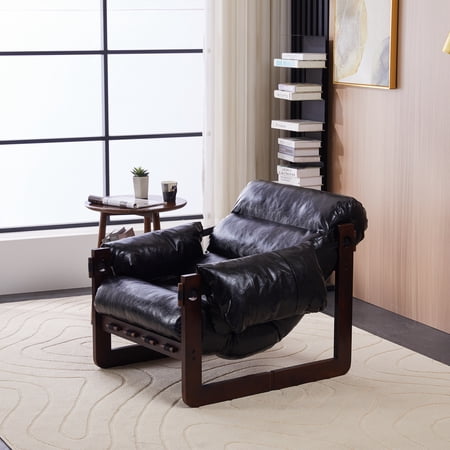
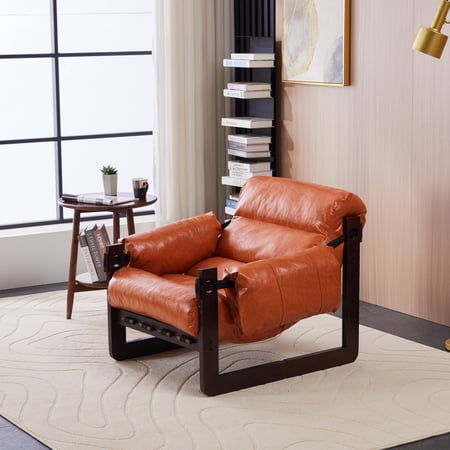
- Rich material palette: genuine leather, bouclé fabric, tweed, or velvet.
- Minimalist hardware with brass or brushed nickel accents.
- Ergonomic updates hidden inside – modern foam, adjustable height mechanisms, and swivel capabilities.
Choosing the Right Vintage Style Chair for Your Needs
Selecting the ideal vintage office chair involves balancing aesthetics with ergonomic necessities. Use this guide to match your priorities:
| Aspect | Why It Matters for Vintage Style | What to Look For |
|---|---|---|
| Frame Material | Defines durability and authentic retro vibe | Solid wood frames (oak, walnut) or powder-coated steel for industrial styles |
| Upholstery Type | Impacts comfort, maintenance, and era-accuracy | Full-grain leather for 50s executive look; woven tweed for academic/artsy feel |
| Seat Cushioning | Long-hour comfort requires high-density foam | High-resilience foam (HR foam) with at least 2.5 inches thickness |
| Ergonomic Adjustability | Retro styles can still have modern adjustments | Pneumatic seat height lift, tilt tension knob, optional swivel base |
| Base & Casters | Ensures stability and floor protection | Five-star wood or metal base with smooth-rolling, non-marking casters |
Health & Productivity Benefits of Retro-Inspired Seating
A properly constructed vintage style office chair offers surprising wellness advantages that go beyond visual charm. Here’s how:
Encourages Active Sitting
Slightly angled seats and responsive tilt mechanisms promote subtle movement, reducing stiffness.
Natural Posture Alignment
Many vintage designs feature curved backrests that cradle the spine, encouraging better posture.
Psychological Comfort
Being surrounded by beautiful, classic furniture lowers cortisol levels and increases job satisfaction.
Long-Term Durability
High-quality vintage chairs are built to last 10–20 years, reducing waste and providing consistent support.
How to Blend Vintage Chairs with Modern Office Setups
One of the biggest concerns is whether a vintage-style chair will look out of place next to sleek tech or minimalist desks. In reality, these chairs act as focal points. Here’s how to integrate them seamlessly:
- Pair with a glass or light-wood desk to let the chair’s silhouette stand out without clashing.
- Use neutral walls and modern lighting to create a balanced contrast.
- Add contemporary accessories like a metal desk lamp or abstract art to bridge eras.
- Choose a chair with muted tones (olive, cognac, charcoal) for subtle elegance.
Pro Styling Tip: For an eclectic look, combine a mid-century modern chair with a rustic farmhouse desk, or a tufted leather executive chair with a minimalist glass table. The key is maintaining a cohesive color palette—warm woods and neutral textiles usually work best.
Materials That Define Authentic Vintage Style
To make an informed purchase, understand the materials used in vintage-style chairs. Each offers unique texture, durability, and care requirements.
Leather: The Executive Classic
Full-grain and top-grain leather are the gold standards for vintage executive chairs. They develop a beautiful patina over time, adding character. Bonded leather is a budget alternative but lacks longevity. Regular conditioning every 6 months keeps leather supple and crack-free.
Velvet & Bouclé: Soft Sophistication
These fabrics are making a comeback in retro-inspired chairs. Velvet offers a luxurious sheen, while bouclé provides a cozy, textured look. Both are ideal for home offices or creative studios, though they require gentle cleaning (spot clean only).
Wood Accents: The Foundation of Mid-Century Style
Look for solid wood frames and legs. Walnut and teak are historically accurate for mid-century pieces. Rubberwood is a sustainable alternative. Avoid chairs with plastic "faux wood" if you want genuine vintage appeal.
Metal Bases: Industrial Retro
Some vintage styles incorporate brushed steel or cast aluminum bases with a matte finish. These are extremely durable and pair well with leather or mesh upholstery for a loft-style look.
Ultimate Vintage Office Chair Selection Guide
Follow these curated steps to find a vintage style chair that complements your space and supports your workday.
Step 1: Define Your Era Preference
- Mid-Century Modern (1950s-60s): Clean lines, tapered legs, minimal ornamentation.
- Art Deco (1920s-30s): Geometric patterns, luxurious materials, chrome accents.
- Industrial Retro (1940s-50s): Metal frames, distressed leather, utilitarian vibe.
- Traditional Executive: High back, deep button tufting, mahogany wood.
Step 2: Measure Your Workspace
Vintage chairs often have wider profiles or higher backs. Ensure at least 3 feet of clearance behind the chair for tilt functions. Measure desk height to confirm armrests fit comfortably underneath (usually 26–28 inches from floor).
Step 3: Prioritize Modern Ergonomics
Don’t sacrifice health for style. Seek chairs with adjustable seat height, built-in lumbar support, and seat depth adjustment if available. Many modern vintage-style chairs incorporate these features discreetly.
Step 4: Test the Cushion Firmness
High-density foam with a density rating above 2.5 lbs/ft³ provides all-day resilience. Avoid chairs with thin foam that bottoms out after a few months.
Step 5: Evaluate Longevity & Warranty
Reputable brands offer at least 5-year warranties on frames and 3-year on mechanisms. This ensures your investment is protected.
Frequently Asked Questions About Vintage Style Office Chairs
Conclusion: Elevate Your Workspace with Timeless Design
Selecting a vintage style office chair is an investment in both your professional image and daily comfort. By choosing a piece that balances authentic retro charm with modern ergonomic technology, you create a workspace that inspires confidence and creativity.
Final Recommendations by Use Case
Opt for a mid-century modern chair with a breathable fabric seat and wood base. It adds warmth and pairs well with both traditional and contemporary decor.
A high-back leather vintage chair with button tufting and solid wood arms projects authority while offering lumbar support for long meetings.
Choose a velvet or bouclé upholstered swivel chair in a bold color like emerald or mustard. It sparks inspiration and makes a memorable statement.
Look for a vintage-style chair with a narrower profile (around 24 inches width) and casters for mobility. A light-colored fabric can make the space feel larger.
Remember, the best vintage style office chair is one that fits your body, complements your workflow, and brings you joy every time you sit down. Explore our curated selection above to find your perfect match.