
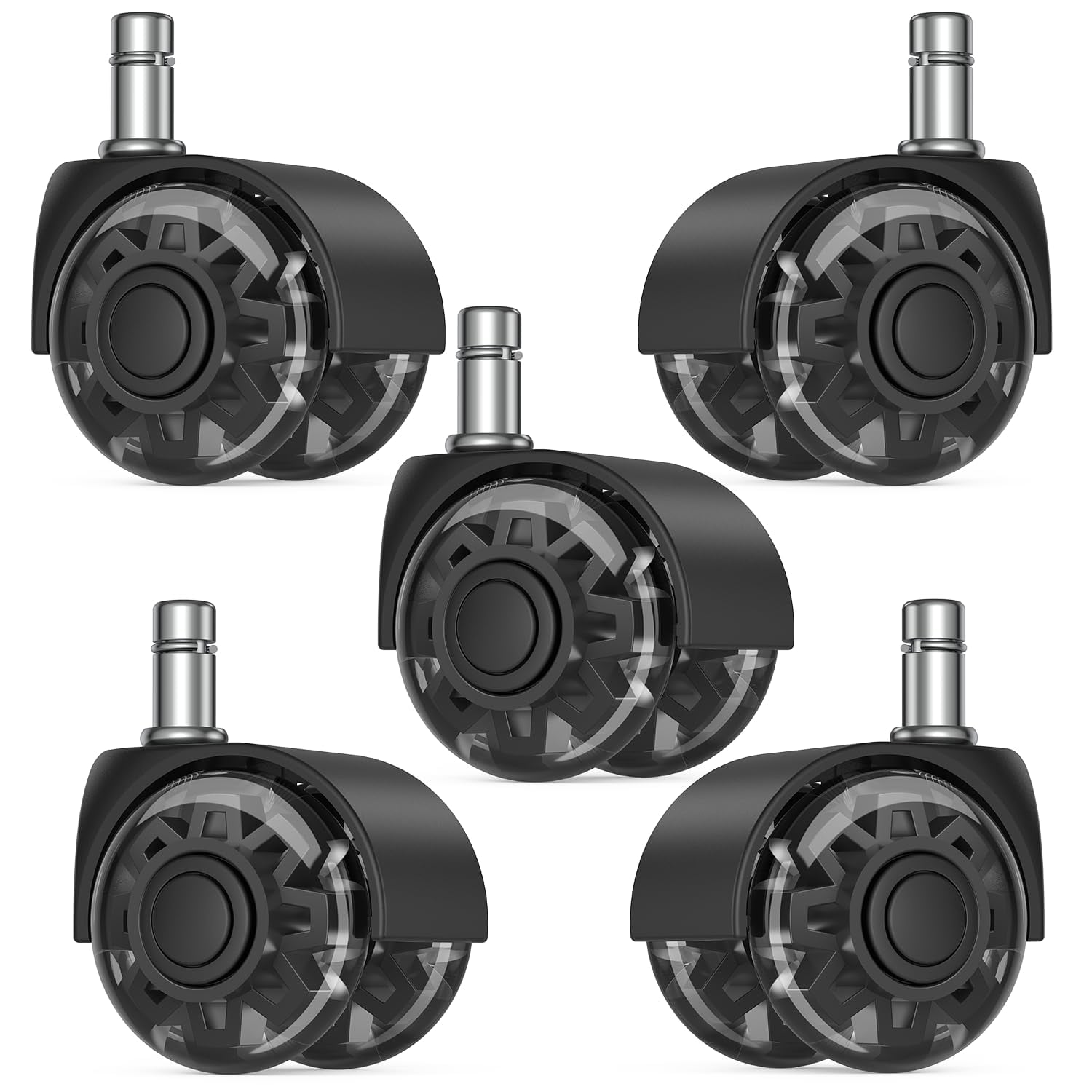
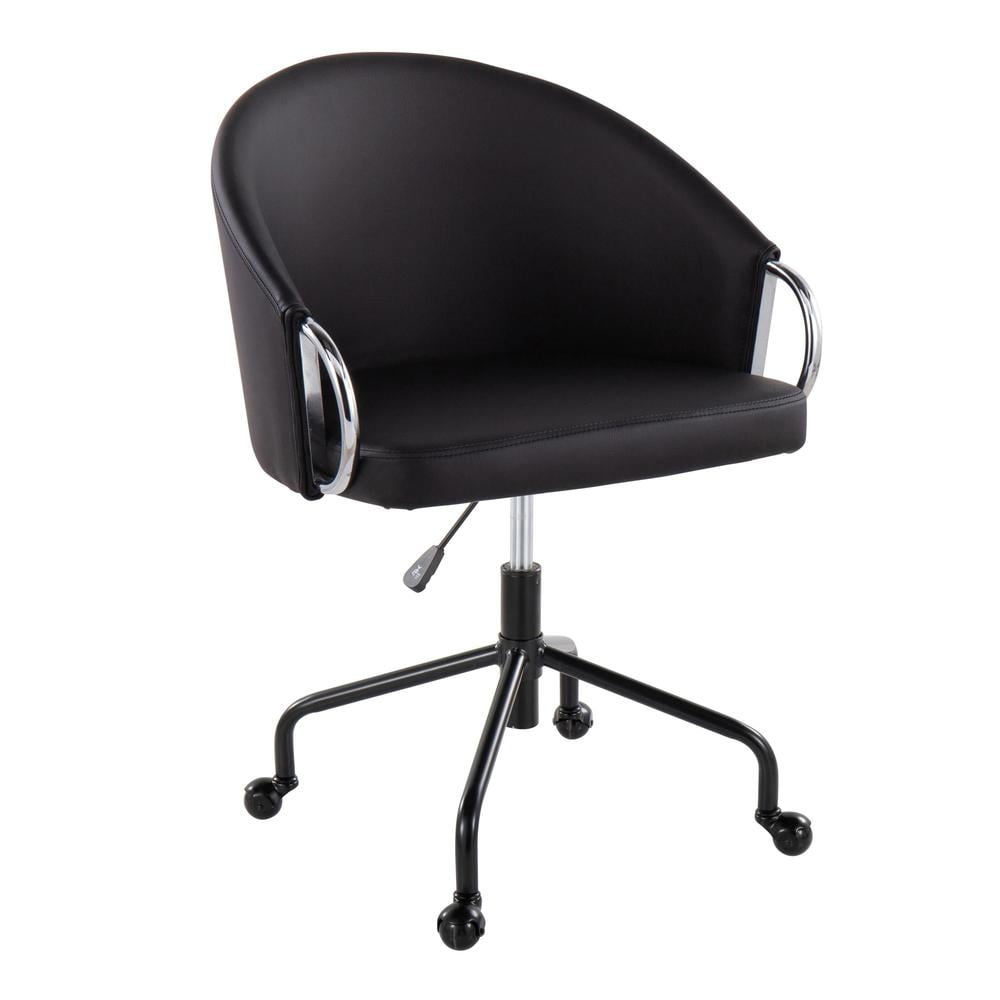
Why Upgrade to Roller Blade Office Chair Wheels?
Imagine gliding across your office floor as smoothly as an ice skater on fresh ice. That's the experience promised by roller blade office chair wheels. If you're tired of the jarring jerk of standard plastic casters, the annoying rattle on hardwood, or the struggle of rolling over thick carpet, these innovative wheels are the solution you've been looking for. They are one of the most impactful and affordable ergonomic upgrades you can make to your home or professional office.
Ergonomic Insight: A study on workplace efficiency found that constant micro-adjustments and the physical effort required to move a stuck chair can subtly break focus and contribute to muscle fatigue. Smooth-rolling wheels eliminate this friction, allowing you to move freely and maintain your workflow without distraction.
Unlike the hard, brittle plastic found on most stock chair casters, roller blade-style wheels are made from soft, durable polyurethane—the same material used in high-performance inline skates. This material offers superior grip, absorbs shock, and rolls effortlessly, protecting your flooring and your sanity.
The Science of the Glide: Understanding Roller Blade Wheel Technology
To truly appreciate the upgrade, it helps to understand *why* these wheels perform so differently. It's not just about looks; it's about material science and intelligent design.
The Polyurethane Advantage: Hardness vs. Grip
The key differentiator is the durometer, or hardness, of the wheel material. Standard plastic casters (often made of nylon) are extremely hard. On a microscopic level, they don't conform to the floor; they bounce and skid. This causes the "chatter" on hardwood and the digging into carpet.
Roller blade wheels use soft polyurethane, typically rated at 50A to 65A on the Shore durometer scale. This softness allows the wheel to:
- Conform to the surface: The wheel slightly flattens under weight, creating a larger contact patch for better grip and stability.
- Absorb vibration: It dampens the tiny bumps and imperfections in your floor, resulting in a silent, vibration-free ride.
- Roll, not slide: The higher friction coefficient means the wheel grips the floor to roll, rather than sliding and scraping. This is what protects your floors from scratches.
Bearing Quality: The Engine of the Wheel
Just like in a skate, the bearings inside the wheel determine how freely it spins. Most quality roller blade casters use precision bearings (often rated ABEC-5 or ABEC-7). A higher ABEC rating indicates tighter tolerances and the ability to spin faster with less friction. For an office chair, a good-quality, sealed bearing ensures a smooth, long-lasting roll free from dust and hair buildup.
Quick Comparison: Standard Plastic vs. Roller Blade Wheels
| Feature | Standard Plastic Casters | Roller Blade Style Wheels |
|---|---|---|
| Material | Hard Nylon or Polypropylene | Soft, High-Traction Polyurethane |
| Floor Impact | High risk of scratches, dents, and scuffs | Non-marking, floor-safe, protects hardwood/tile |
| Noise Level | Loud rattling and clacking | Whisper-quiet, virtually silent movement |
| Carpet Performance | Tend to dig in and get stuck | Roll smoothly over the top, less effort |
| Maintenance | Hair and debris get stuck in the stem | Sealed bearings prevent debris buildup |
How to Choose the Right Set: A 3-Step Guide
Selecting the perfect wheels for your chair is straightforward if you follow these steps:
- Identify Your Stem Size: This is the metal pin that inserts into your chair base. Look at your current casters. The most common sizes are 7/16" (11mm) and 3/8" (10mm). Many premium sets include both sizes or adapters. If you're unsure, measure the stem's diameter with a ruler or calipers.
- Consider Your Floor Type:
- Hardwood, Tile, Laminate: Prioritize soft polyurethane wheels (55A-60A) with a smooth tread for maximum floor protection.
- Low-Pile Carpet: Standard soft roller wheels work great.
- High-Pile/Thick Carpet: Look for wheels with a slightly wider tread to distribute weight and prevent "sinking."
- Check Wheel Diameter: Most roller blade wheels are larger (2.5 to 3 inches) than standard casters. This helps them roll over obstacles and carpet fibers. Just be aware they may raise your chair height by an inch or so.
Real-World Performance: A Scenario Breakdown
Sarah was tired of the scratches on her beautiful oak floor. Switching to soft polyurethane wheels was like a miracle. The scratching stopped, and the room became library-quiet.
Mark dreaded how much effort it took to move from his desk to his filing cabinet. After installing roller blade wheels, he glides with a single push, saving energy throughout the day.
Lisa works on a tile floor but has a thick rug under her desk. She needed wheels that could handle both. The universal design of roller blade casters transitions seamlessly from tile to rug without getting stuck.
Frequently Asked Questions About Roller Blade Office Chair Wheels
Conclusion: A Small Change with a Big Impact
Upgrading to roller blade office chair wheels is one of the simplest yet most effective investments you can make for your office ergonomics and comfort. It transforms the feel of your workspace from jerky and noisy to fluid and serene. Whether you're looking to protect expensive hardwood floors, silence a noisy chair, or simply enjoy a more effortless glide, the technology behind these wheels delivers.
Don't settle for the subpar casters that came with your chair. Browse the selection of top-rated roller blade wheels above, find the perfect set for your floor type and stem size, and experience the difference for yourself. Your floors, your ears, and your back will thank you.