
Why the Best Ergonomic Office Chair is a Game-Changer for Your Health
In today's digital era, the average professional spends over 8 hours a day seated. A poorly designed chair doesn't just cause discomfort—it can lead to chronic back pain, reduced focus, and even long-term musculoskeletal issues. The solution? A top rated ergonomic office chair designed to adapt to your unique body mechanics.
Ergonomics Insight: Studies show that using a properly adjusted ergonomic chair can reduce lower back pain by up to 68% and increase productivity by nearly 20% by minimizing distracting discomfort. It’s not just furniture—it’s a tool for peak performance.
What Defines a "Top Rated" Ergonomic Chair?
Ergonomic chairs that earn top ratings share a core DNA of adjustability and support. Unlike basic task chairs, these models are engineered to be an extension of your body, allowing micro-adjustments that keep your spine aligned and muscles relaxed.
- Dynamic Lumbar Support: Adjustable in both height and depth to fit the natural curve of your spine.
- Multi-Dimensional Armrests (4D): Move up/down, pivot, slide forward/back to support your shoulders and wrists.
- Seat Depth Adjustment: Prevents pressure behind the knees and ensures thigh support.
- Synchronous Tilt Mechanism: Allows the seat and backrest to move together, encouraging healthy movement.
- Breathable Mesh or High-Density Foam: Keeps you cool and comfortable during extended sessions.
Key Ergonomic Features to Prioritize
When searching for the best ergonomic office chair top rated by experts, focus on these essential components to ensure you're investing in true quality:
| Feature | Why It Matters | What to Look For |
|---|---|---|
| Lumbar Adjustment | Prevents slouching and maintains natural S-curve of spine | Both height and depth adjustable, preferably independent controls |
| Seat Pan Tilt/Slide | Distributes weight evenly and supports thighs without pressure | At least 2 inches of depth adjustment; front edge waterfall design |
| Recline Tension & Lock | Allows dynamic sitting; reduces static muscle fatigue | Adjustable tilt tension; multi-angle lock for preferred positions |
| Headrest (Optional but Valuable) | Supports neck and upper spine, crucial for tall users | Height and angle adjustable; curved for cervical support |
| Base & Casters | Stability and floor protection, smooth movement | 5-point aluminum or reinforced nylon base; soft PU casters for hard floors |
Health Benefits Beyond Just Comfort
Investing in a top-tier ergonomic office chair pays dividends in your overall well-being. Here’s how a superior chair transforms your work life:
Spinal Alignment
Reduces the risk of herniated discs and chronic back pain by maintaining natural posture.
Enhanced Circulation
Proper seat depth and waterfall edge prevent leg numbness and improve blood flow.
Energy & Focus
Less physical strain means your brain can stay sharp and focused on tasks longer.
Long-Term ROI
Quality ergonomic chairs last over a decade, saving you from future medical costs and replacements.
Choosing the Right Material for Your Ergonomic Chair
While ergonomics are about mechanics, the material defines the experience. Top-rated ergonomic chairs often use specialized materials that enhance comfort and durability:
Premium Breathable Mesh
- Ideal for: All-day sitting, warm climates.
- Advantages: Superior airflow, no heat buildup, contours to back, easy to clean.
- Top picks: High-end mesh chairs often come with flexible frames that move with you.
High-Density Foam + Fabric/Leather
- Ideal for: Plush comfort, cooler office environments.
- Advantages: Cushioned feel, luxurious texture, excellent support over long periods.
- Consideration: May retain heat; requires occasional maintenance for leather.
Many top rated ergonomic office chairs combine a mesh back for breathability with a cushioned seat for pressure relief—giving you the best of both worlds.
Your Step-by-Step Guide to Choosing the Perfect Ergonomic Chair
Selecting the right ergonomic chair can feel overwhelming. Follow this practical guide to find the model that fits your body, workspace, and budget.
Step 1: Analyze Your Body & Workspace
- Measure up: Note your height, weight, and torso length. A chair should accommodate your dimensions (look for user height ranges).
- Desk height: Standard desks are 29 inches; your chair should allow arms to rest at 90-degree angles.
- Work style: Do you lean forward intensely, recline for thinking, or switch tasks frequently?
Step 2: Define Your "Must-Have" Adjustability
Not all adjustments are created equal. Prioritize based on your needs:
- For back pain: Lumbar support (independent) and seat depth adjustment are non-negotiable.
- For varied tasks: 4D armrests and synchronous tilt mechanism offer versatility.
- For tall users (>6'2"): Look for extended seat height range, taller backrest, and adjustable headrest.
Step 3: Set a Realistic Budget (Think Long-Term)
A quality ergonomic chair is a 7–12 year investment. Consider these tiers:
Essential Ergonomic
Basic adjustability, good for part-time use.
Performance Grade
Full adjustments, high durability, warranty 5+ years.
Premium / Top-Rated
Advanced ergonomics, premium materials, 10+ year warranty.
Step 4: Test & Validate
Pro Tip: If possible, sit in the chair for at least 20 minutes. Pay attention to pressure points, ease of adjusting while seated, and whether the lumbar support sits exactly in your curve. Reputable brands often offer free returns—use that to ensure it's the right fit.
Frequently Asked Questions About Top Rated Ergonomic Office Chairs
Conclusion: Elevate Your Workspace with the Right Ergonomic Chair
Selecting a top rated ergonomic office chair is one of the most impactful investments you can make in your professional life. Beyond aesthetics, it’s a commitment to your physical health, sustained energy, and daily productivity. The right chair adapts to you—not the other way around.
Final Recommendations Based on Usage Profile
Choose a chair with breathable mesh back and adjustable lumbar support. Look for quiet casters and a sleek design that blends with your décor. Prioritize seat depth adjustment for versatility.
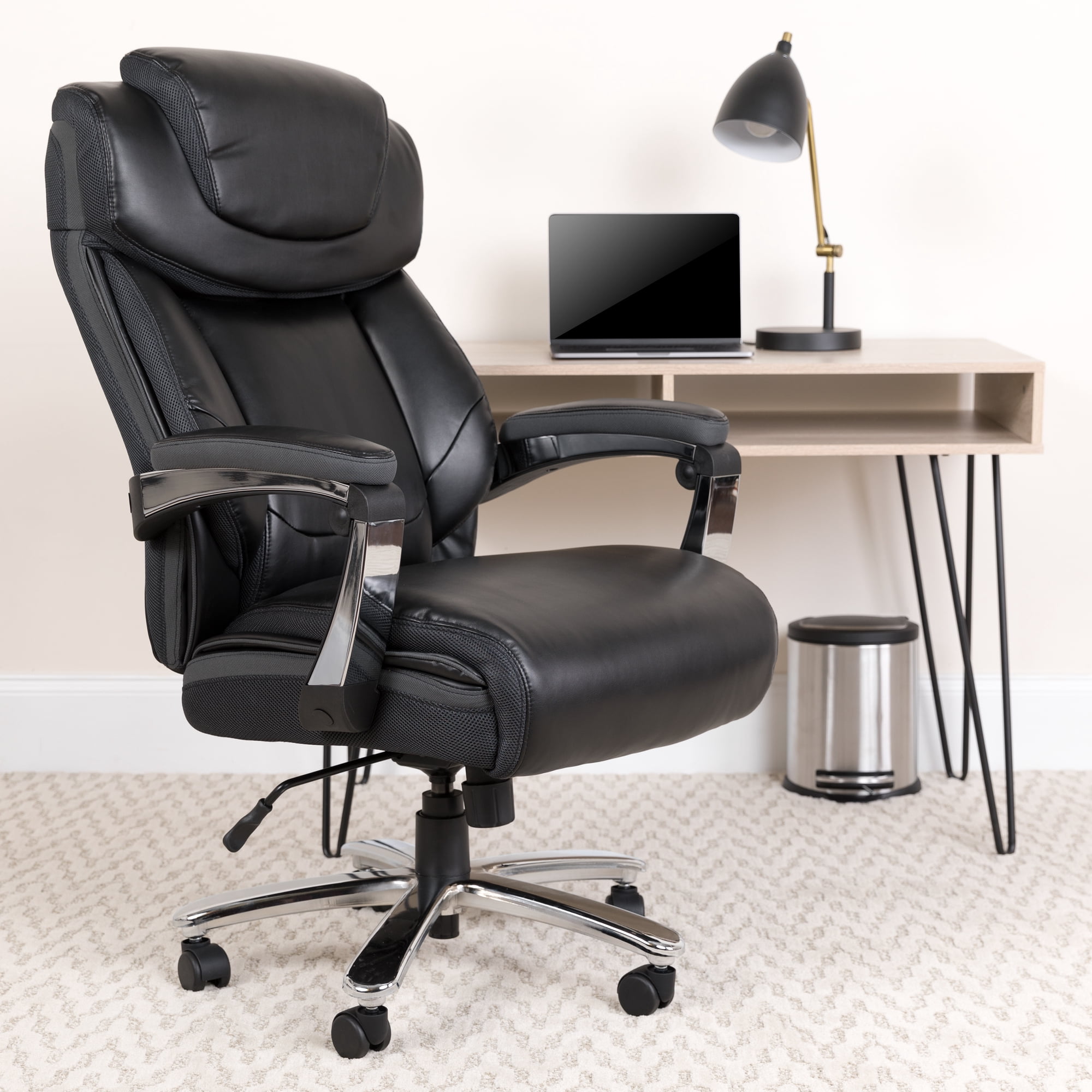
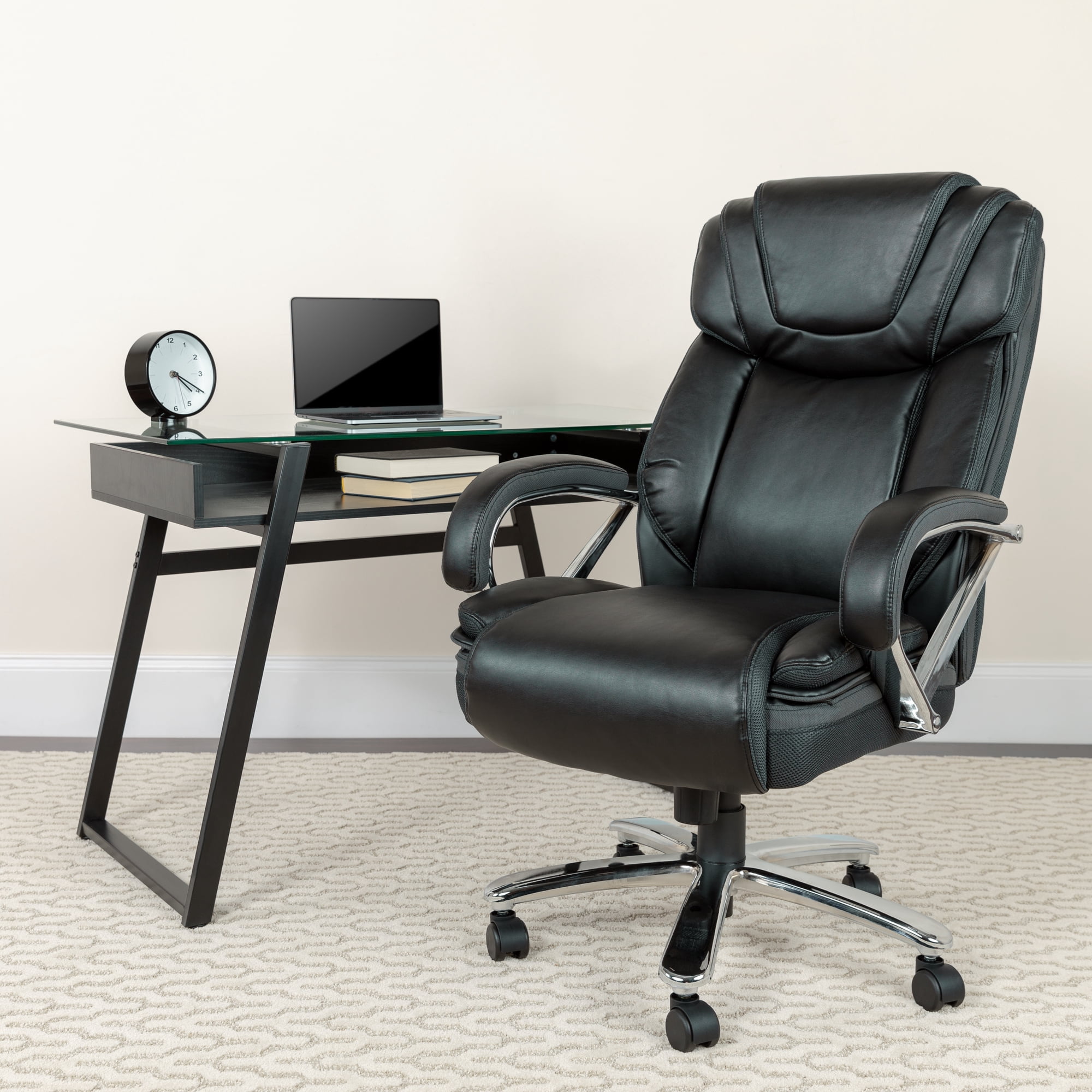
Opt for a high-back ergonomic chair with premium fabric or leather, 4D armrests, and robust warranty. It projects professionalism while keeping you comfortable during back-to-back meetings.
Focus on chairs with independent lumbar support, tilt tension control, and seat angle adjustment. A headrest can also reduce neck strain.
Remember: the best ergonomic chair is the one that fits your unique body and work style. Use the buying guide above, explore the top-rated options below, and take the first step toward a healthier, more productive workday.