
Why a Comfortable Office Chair Recliner is a Game-Changer
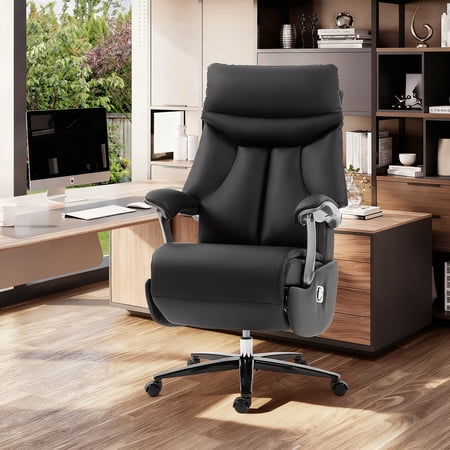
In today's dynamic work environment, static sitting is no longer viable. A comfortable office chair recliner bridges the gap between high-performance ergonomics and the restorative benefits of reclining. Unlike traditional task chairs, these models empower you to shift positions effortlessly, reducing spinal pressure and enhancing mental clarity. Whether you're in deep focus, on a long video call, or taking a brief mental reset, the ability to recline transforms how you experience your workday.
Ergonomic Insight: Research indicates that alternating between upright and reclined postures can reduce lower back strain by up to 35%. A quality office chair recliner encourages micro-movements that nourish spinal discs and maintain muscle engagement throughout extended sitting periods.
Key Features That Define a Superior Reclining Office Chair
Not all recliners are created equal. To truly benefit from a comfortable office chair recliner, look for these engineered features:
- Multi-Angle Recline Lock: Allows you to lock the backrest at any angle between 90° and 140°, supporting both active work and passive relaxation.
- Integrated Lumbar Support: Dynamic lumbar that moves with your recline angle, ensuring continuous lower back support.
- High-Density Foam Seat: Prevents bottoming out and provides lasting comfort even after 10+ hours of use.
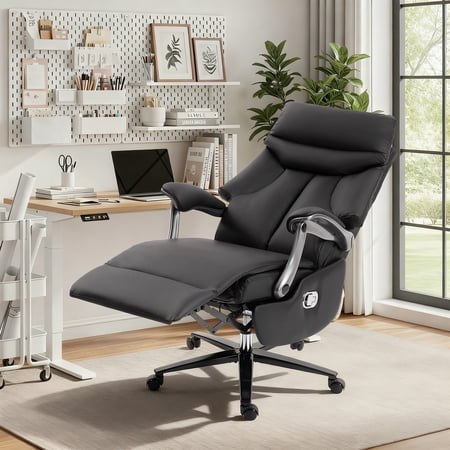
- Extendable Footrest: A built-in, padded footrest elevates the comfort level, turning your workspace into a stress-free zone.
- 4D Adjustable Armrests: Height, width, depth, and pivot adjustments ensure your arms are properly supported whether typing or reclining.
Choosing the Right Reclining Office Chair for Your Needs
To select the perfect comfortable office chair recliner, evaluate these critical dimensions:
| Feature | Why It Matters for Recline Comfort | Recommended Specs |
|---|---|---|
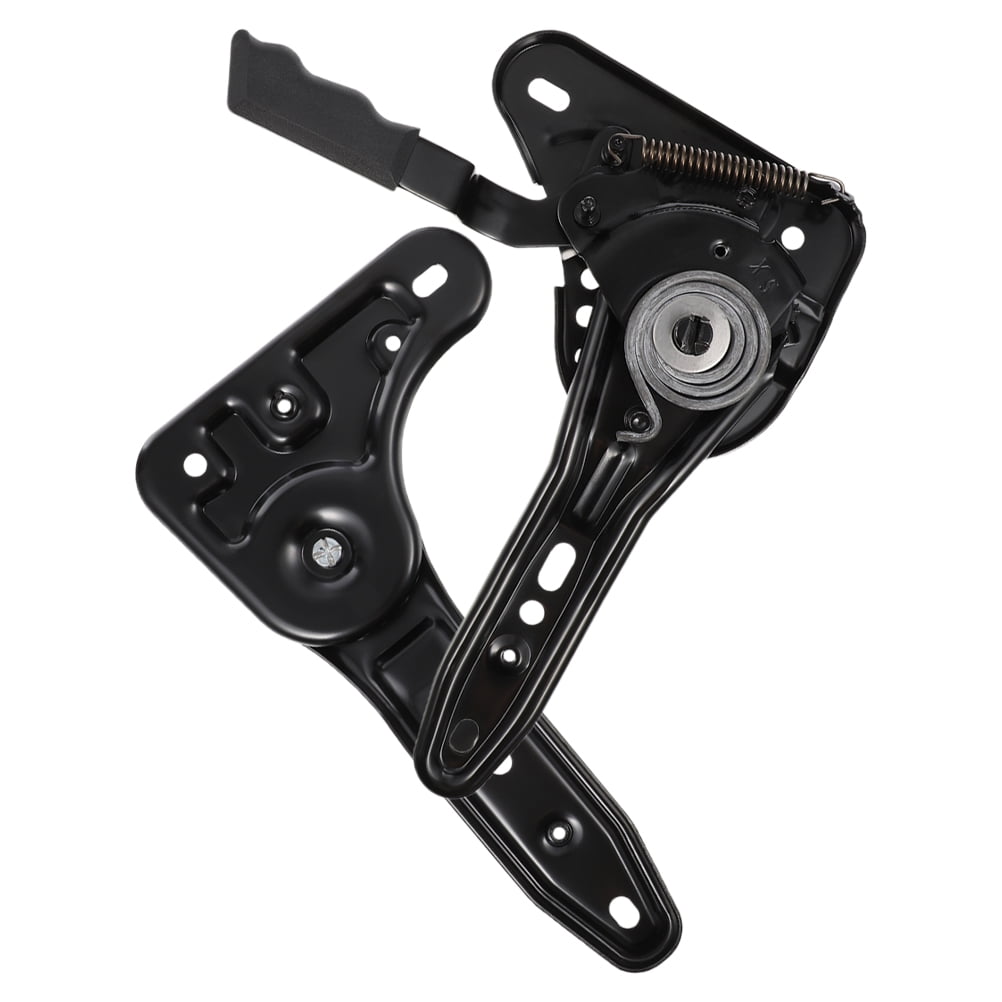
| Recline Mechanism | Determines smoothness and durability; a poor mechanism causes jerky motion or premature wear. | Single-lever pneumatic with infinite lock positions, steel core construction |
| Seat Depth & Width | Ensures proper thigh support when reclined; too short a seat reduces stability. | Depth adjustable 18-21 inches, width 20+ inches for spacious comfort |
| Backrest Height | High-back design supports head and neck during recline, reducing cervical strain. | At least 30 inches tall with integrated headrest option |
| Base & Casters | Stability is crucial when reclining; heavy-duty base prevents tipping. | 5-star aluminum base, dual-wheel casters rated for 300+ lbs |
| Upholstery Type | Affects breathability and ease of cleaning, especially if you often relax in the chair. | Breathable mesh back + cushioned fabric/leather seat, or premium bonded leather |
Health & Wellness Benefits of Using a Reclining Office Chair
Reduces Spinal Compression
Reclining at 110-120° redistributes weight, lowering pressure on intervertebral discs by up to 30% compared to upright sitting.
Enhances Respiratory Function
Open-angle recline allows diaphragm expansion, improving oxygen flow and mental alertness.
Decreases Muscle Fatigue
Alternating postures prevents static muscle loading, reducing shoulder and neck tension.
Promotes Active Recovery
A short recline session during breaks mimics micro-restorative intervals, boosting afternoon productivity.
Understanding Recline Ergonomics: Active vs. Passive Reclining
A comfortable office chair recliner should offer two distinct modes: active reclining for task-oriented leaning (100°-115°) and passive reclining for relaxation or thinking sessions (120°-140°). The best models use a synchronized tilt mechanism where the seat and backrest move in a natural ratio (typically 2:1) to maintain proper eye-to-screen alignment and prevent shirt pulling. This dynamic functionality ensures that your body remains in a neutral posture regardless of the recline angle, making the chair suitable for everything from intensive spreadsheet work to creative brainstorming.
🎯 Active Recline (100°-115°)
- Ideal for typing, reading, and video conferences
- Maintains core engagement
- Promotes alertness and focus
- Often used with adjustable tilt tension
🛋️ Passive Recline (120°-140°)
- Perfect for phone calls, deep thinking, or short breaks
- Allows full back and neck support
- Often paired with extendable footrest
- Reduces eye strain during relaxed screen viewing
Materials That Maximize Comfort in Reclining Chairs
The material composition of a comfortable office chair recliner directly influences both durability and comfort. Here's a breakdown of common options and their suitability for reclining use:
Mesh-Back + Cushioned Seat
Best for all-day breathability: Mesh backrest allows airflow while the foam seat provides plushness. Ideal for warmer climates or users who run hot.
Premium Bonded / Top-Grain Leather
Luxury feel and easy cleaning: Leather upholstery adds a sophisticated touch and is durable enough to withstand frequent recline adjustments.
High-Quality Fabric (e.g., Olefin, Polyester Blend)
Softness with resilience: Fabric offers a cozy feel and is available in various colors, often with stain-resistant treatments for longevity.
Hybrid Construction
Strategic zoning: Mesh on the back for breathability, and memory foam with fabric/leather on the seat for maximum pressure distribution.
Step-by-Step Guide to Choosing Your Ideal Reclining Office Chair
Step 1: Evaluate Your Daily Workflow
Identify how often you switch between tasks. If you frequently take calls or need moments of reflection, prioritize a comfortable office chair recliner with a seamless recline lever and lockable angles. For open-plan offices, look for quiet mechanisms.
Step 2: Test the Recline Tension & Range
Sit in the chair and adjust the tilt tension. The recline should feel supportive, not flimsy. Ensure the backrest supports your shoulders fully when fully reclined. A good rule: the headrest (if present) should align with the base of your skull.
Step 3: Verify Seat Comfort & Edge Design
A waterfall seat edge prevents circulation restriction, essential when you occasionally recline with legs extended. The seat foam should be high-resilience (HR foam) that doesn't flatten after months of use.
Step 4: Consider the Footrest (if needed)
For those who love full relaxation during breaks, a retractable footrest adds an extra dimension of comfort. Ensure it's padded and folds away neatly so it doesn't interfere with your desk space when not in use.
Pro Tip: When testing a comfortable office chair recliner, simulate your longest work session. Recline to your preferred angle, check that your monitor remains at eye level (or consider a monitor arm), and ensure armrests support your elbows at 90 degrees. This holistic fit guarantees the chair enhances both productivity and relaxation.
Frequently Asked Questions About Comfortable Office Chair Recliners
Conclusion: Elevate Your Workspace with the Perfect Reclining Chair
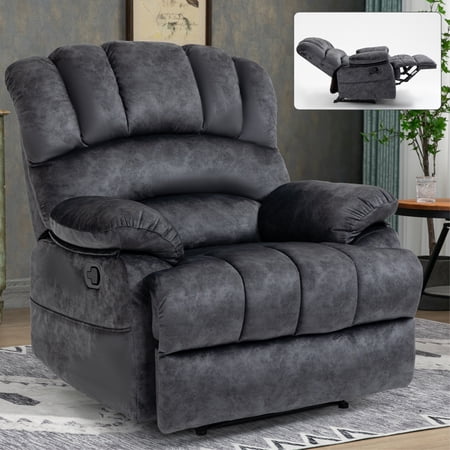
Investing in a comfortable office chair recliner is an investment in your well-being and professional longevity. By combining ergonomic precision with the freedom to recline, these chairs cater to the modern professional who demands both productivity and restorative comfort. Whether you prioritize breathable mesh, plush leather, or a built-in footrest, the right recliner transforms your desk into a versatile command center.
Final Recommendations by Usage
Choose a recliner with infinite lock angles and 4D armrests. Look for mesh back + cushioned seat to stay cool during busy days.
Opt for models with padded headrest, extendable footrest, and plush upholstery. Leather or high-end fabric enhances the luxury feel.
Select a space-efficient recliner with a wall-saver recline mechanism and adjustable seat depth to maximize limited room.
Top Picks by Recline Type
| User Profile | Chair Style Recommendation | Must-Have Features |
|---|---|---|
| Executive / Long-Hour Worker | High-back leather recliner with syncro-tilt | Lumbar depth adjustment, 135° max recline, memory foam seat |
| Remote Worker / Gamer Hybrid | Ergonomic mesh recliner with footrest | Breathable back, adjustable headrest, recline tension control |
| Creative / Consultant | Mid-back fabric recliner with wide seat | Fl exible armrests, smooth recline transition, stylish finish |