
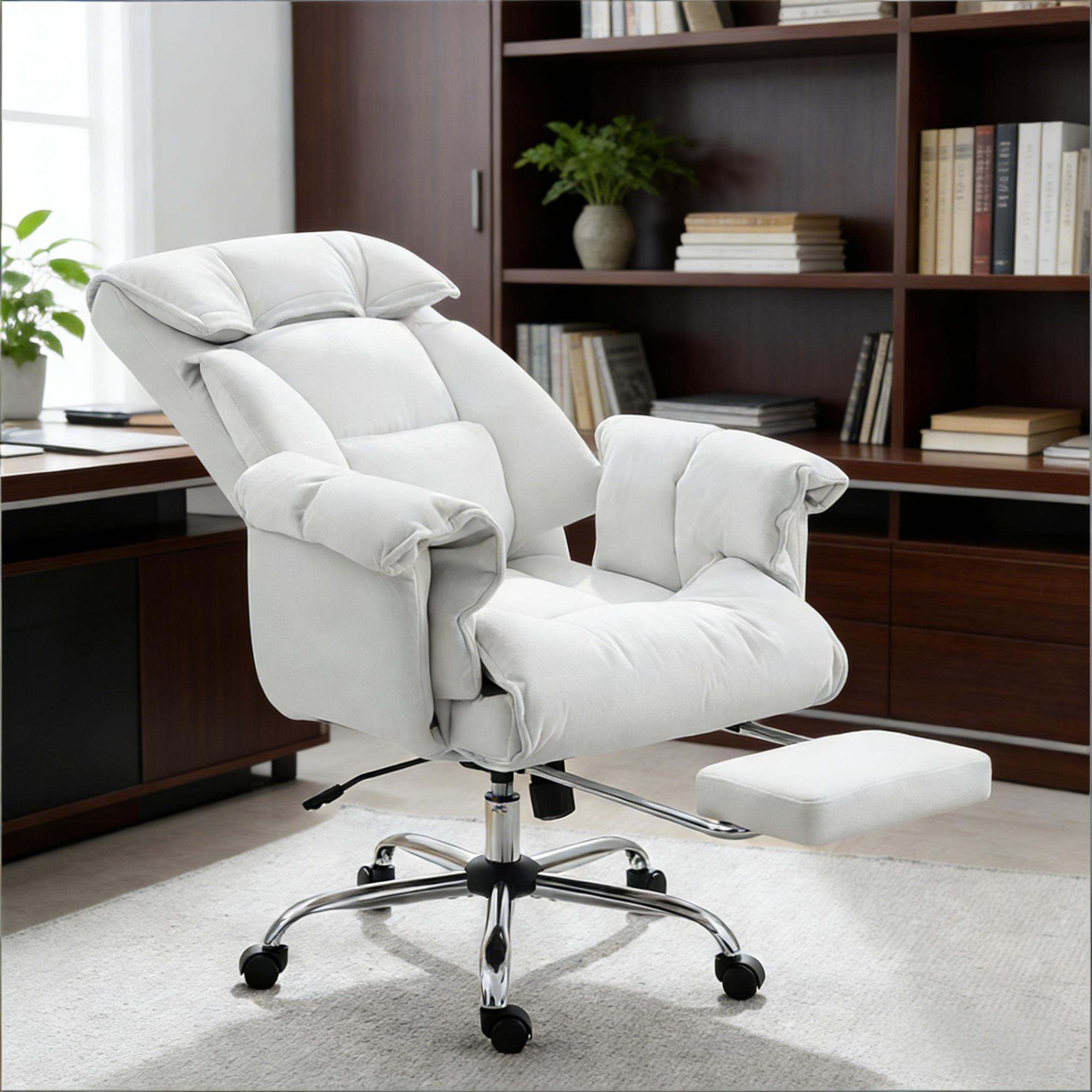
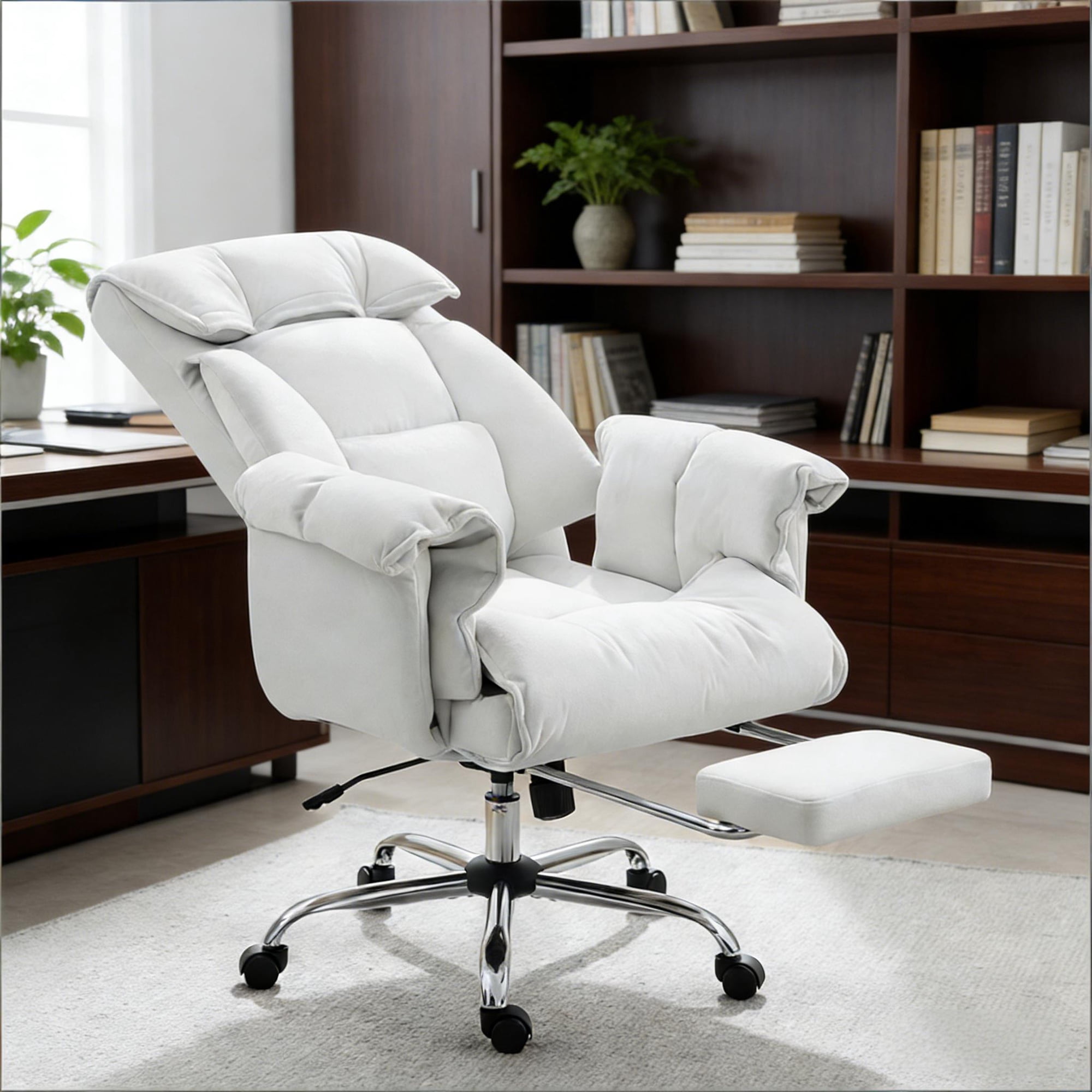
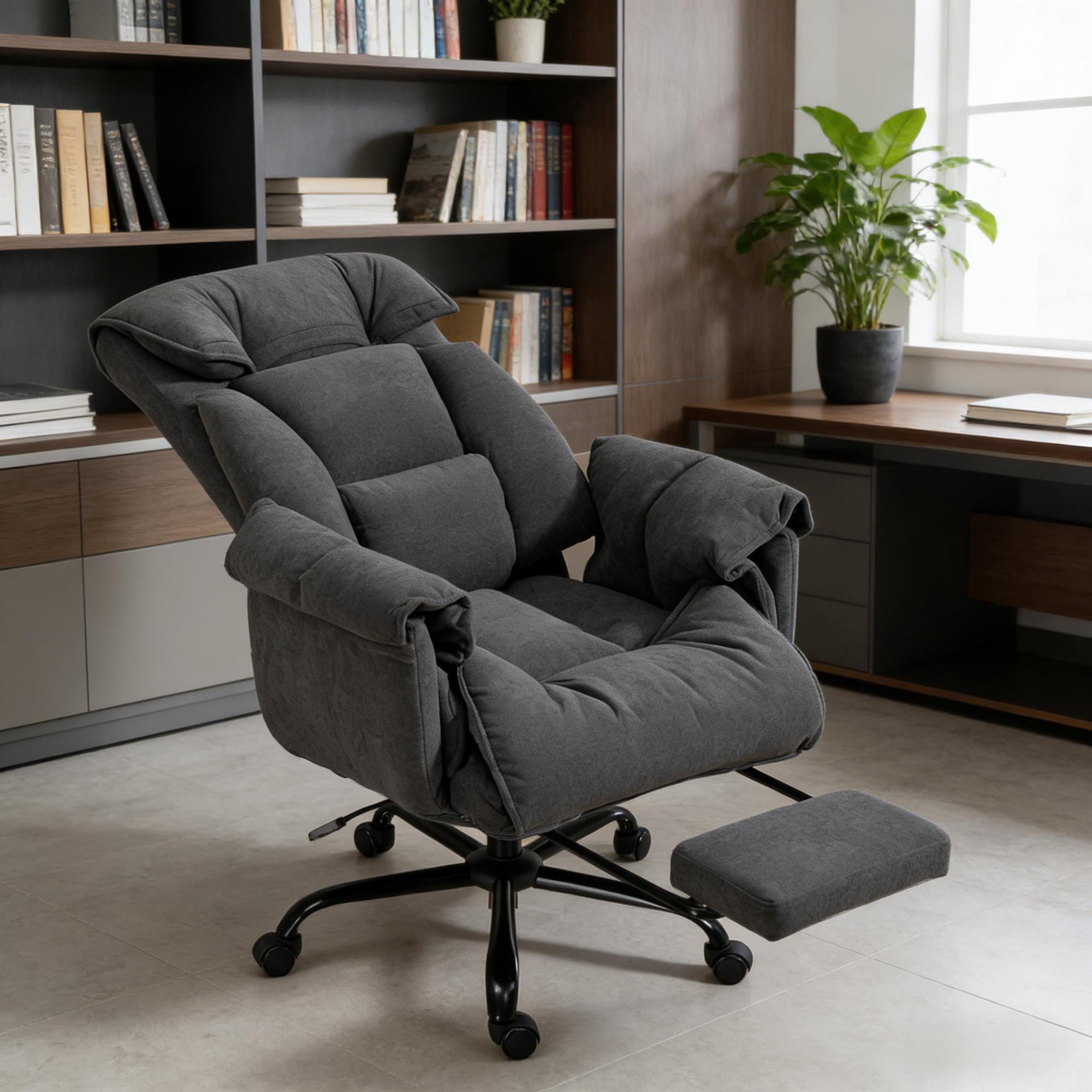
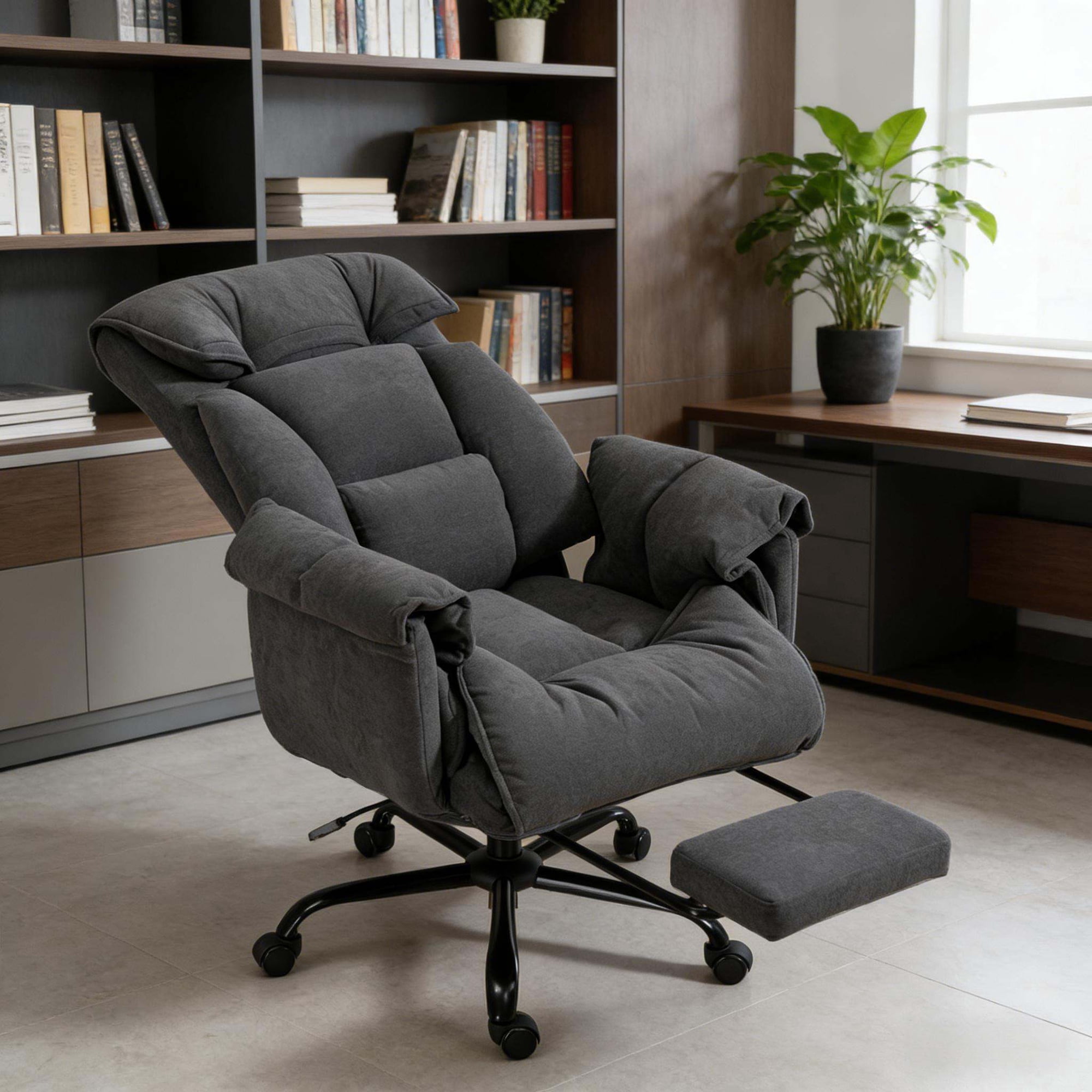
Why a Reclining Back Office Chair is a Game-Changer for Your Workday
If you’ve ever experienced mid-afternoon fatigue or nagging back pain after hours at your desk, you’re not alone. Traditional static chairs lock your spine into one position, causing muscle tension and reduced circulation. A office chair with reclining back solves this by encouraging natural movement. Much like how a car’s suspension absorbs road bumps, a high-quality reclining mechanism absorbs the stresses of prolonged sitting, letting your body shift, breathe, and recharge.
Ergonomic Insight: Research from the Department of Physical Therapy indicates that alternating between sitting upright and reclining at 110-130 degrees reduces intradiscal pressure by up to 30%, significantly lowering the risk of lower back disorders among desk workers.
Key Benefits of a Reclining Mechanism in Office Chairs
- Dynamic Posture Support: Reclining lets your pelvis tilt naturally, maintaining the spine’s natural S-curve and reducing shear forces on the lumbar region.
- Enhanced Blood Flow & Energy: Shifting your angle intermittently boosts circulation, preventing the sluggishness that comes with static sitting.
- Stress Relief & Focus: A slight recline during calls or deep thinking sessions lowers cortisol levels and promotes a relaxed, yet alert, state of mind.
- Multi-Functional Utility: Many modern reclining chairs lock at various angles, making them perfect for tasks ranging from intensive typing to relaxed reading or even power naps.
✅ Advantages of Reclining Office Chairs
- Reduces pressure on spinal discs
- Encourages active sitting and micro-movements
- Versatile for multiple work modes (focused work, calls, breaks)
- Often integrated with premium lumbar support systems
- Adds a luxurious, executive feel to any office
⚠️ Considerations Before Buying
- Quality mechanisms add cost; budget models may lack durability
- Requires adequate space behind the desk to recline fully
- Some cheaper chairs may have limited lockable positions
- Heavier frames can be less portable
Understanding Recline Mechanisms: Tilt vs. Synchronized Recline
Not all reclining chairs are created equal. To make an informed purchase, it helps to distinguish between basic tilt and advanced synchronized recline:
| Mechanism Type | How It Works | Best For |
|---|---|---|
| Standard Tilt / Rocker | The entire chair (seat + back) rocks back as a single unit. | Casual seating, short breaks, budget-friendly options. |
| Knee-Tilt Mechanism | The chair pivots from a point near the front edge, allowing the back to recline while the seat angle changes slightly. | Ergonomic flexibility for moderate reclining; common in mid-range ergonomic chairs. |
| Synchronized Recline | Seat and back move in a coordinated ratio (e.g., 2:1), keeping the user’s feet grounded and maintaining optimal visual alignment with the screen. | Premium executive chairs, all-day comfort, and maximum ergonomic benefits. |
Materials & Build: What to Look for in a Reclining Chair
The durability of your reclining mechanism depends heavily on the chair's overall construction. High-grade steel or aluminum bases, Class 4 gas lifts, and reinforced backrest frames are essential for longevity. Here’s how material choices impact your experience:
- Leather Upholstery: Delivers a premium feel and is easy to clean. Top-grain leather chairs with reclining functions exude sophistication and often come with robust mechanisms designed for executive use.
- Breathable Mesh: Ideal for warm environments, mesh backs allow air circulation while supporting the reclining structure. Many high-end mesh chairs incorporate synchronized recline for maximum ergonomics.
- Fabric & Textile: Offers a softer touch and a wider color palette. Look for high-density foam in the seat and a sturdy recline lock mechanism to ensure longevity.
- Hybrid Designs: Combining mesh backs with cushioned seats gives you the best of both worlds—breathability and plush comfort, with reliable recline functionality.
Who Benefits Most from a Reclining Office Chair?
Setting Up Your Reclining Chair for Optimal Ergonomics
Even the best chair won't perform miracles if not adjusted properly. Follow these steps to create a healthy workstation:
- Adjust Seat Height: Your feet should rest flat on the floor with thighs parallel to the ground. Elbows should form a 90-degree angle at the desk surface.
- Set Recline Tension: Most chairs have a knob under the seat. Adjust so that reclining feels fluid but still offers support when upright.
- Engage the Lumbar Support: Before reclining, set the built-in lumbar pad or adjust the backrest curve to fill the gap in your lower back.
- Use Recline Lock Features: For typing or focused tasks, lock the chair at a slight recline (100-110 degrees). For reading or phone calls, unlock and lean back to a wider angle.
- Armrest Alignment: 4D armrests should support your forearms without raising your shoulders. They should move with you when you recline.
Remember, the human body is designed for movement. A reclining back office chair isn't about lounging; it's about enabling dynamic posture shifts that keep your muscles active and your mind sharp throughout the day.
Frequently Asked Questions About Reclining Office Chairs
Conclusion: Invest in Movement, Reclaim Your Comfort
Choosing an office chair with reclining back is more than a style upgrade—it's a strategic investment in your long-term health and professional performance. By allowing your body to shift naturally throughout the day, you reduce fatigue, maintain focus, and project an image of thoughtful leadership. Whether you prefer the timeless elegance of leather or the breathable modernity of mesh, prioritize chairs with robust synchronized recline mechanisms, adjustable lumbar support, and high weight capacities. Your chair should work as hard as you do, adapting to your tasks and supporting you through every business triumph. Explore the top-rated selections above and take the first step toward a more dynamic, comfortable, and productive work environment.