
Why Your Next Office Chair Needs a Footrest
Think about your typical workday. How many hours do you spend with your feet dangling, flat on the floor, or wrapped around your chair's base? For most people, the answer is "too many." This seemingly small detail has a massive impact on your overall comfort and long-term health. An ergonomic office chair with a footrest isn't just a luxury; it's a tool for proactive wellness.
By integrating a footrest, these chairs solve a fundamental ergonomic problem: supporting your body from the ground up. When your feet are properly supported, it aligns your knees, hips, and spine, reducing pressure on your lower back and improving blood circulation. It's like giving your entire body a stable foundation, allowing you to focus on your work rather than fidgeting in your seat.
The Hidden Health Benefits of Leg Support
The average office worker sits for about 6.5 to 7 hours a day. For executives and professionals, this number can climb to 9 or 10 hours. During this time, blood can pool in your lower legs and feet, leading to fatigue, achiness, and even swelling, a condition known as dependent edema. A footrest elevates your legs, working with gravity to help your circulatory system pump blood back toward your heart.
Consider these often-overlooked advantages:
- Reduced Venous Pressure: Elevating your feet lowers the pressure in your leg veins, preventing that heavy, tired feeling.
- Improved Lymphatic Drainage: The lymphatic system, which removes waste from cells, relies on movement and gravity. Leg support aids this process, reducing inflammation.
- Decreased Sciatic Nerve Tension: Dangling legs can pull on the sciatic nerve. A footrest supports the legs, relieving this tension and potentially easing sciatica symptoms.
- Encourages Micro-Movements: A good footrest isn't static. It allows you to shift your feet, point your toes, and change positions, which keeps muscles active and joints lubricated.
Beyond the Footrest: Critical Ergonomic Features to Consider
While the integrated footrest is the star of the show, it's part of a larger ergonomic system. A chair is only as good as its ability to adapt to your unique body. Here are the key features to look for when shopping for an ergonomic office chair with a footrest:
1. The Recline Mechanism: Your Gateway to Relaxation
The footrest is most useful when you recline. Look for a chair with a smooth, lockable recline mechanism. A synchro-tilt or multi-function mechanism, where the backrest and seat tilt in a coordinated ratio (often 2:1 or 3:1), is ideal. This keeps you supported and prevents you from sliding forward when you lean back. Imagine the difference between sitting upright in a kitchen chair and lounging in a first-class airplane seat—that's the level of support we're aiming for.
2. Lumbar Support: The Cornerstone of Spinal Health
A footrest helps align your pelvis, but you still need targeted support for the natural inward curve of your lower spine. Prioritize chairs with adjustable lumbar support. The best systems allow you to adjust both the height and the depth (how much it pushes into your back) to fit the unique shape of your spine perfectly. This prevents the slouching that leads to back pain and fatigue.
3. Seat Depth and Comfort
When evaluating seat comfort, think about the "waterfall edge." This is where the front of the seat curves gently downward. This design prevents pressure on the back of your thighs, which can restrict blood flow to your legs. Also, look for adjustable seat depth. You should be able to sit with your back against the lumbar support and have 2-4 fingers' width of space between the back of your knee and the seat edge.
Built-in vs. Attached: Understanding Footrest Types
Not all footrests are created equal. You'll generally encounter two main types on ergonomic chairs, and understanding the difference is key to a satisfying purchase.
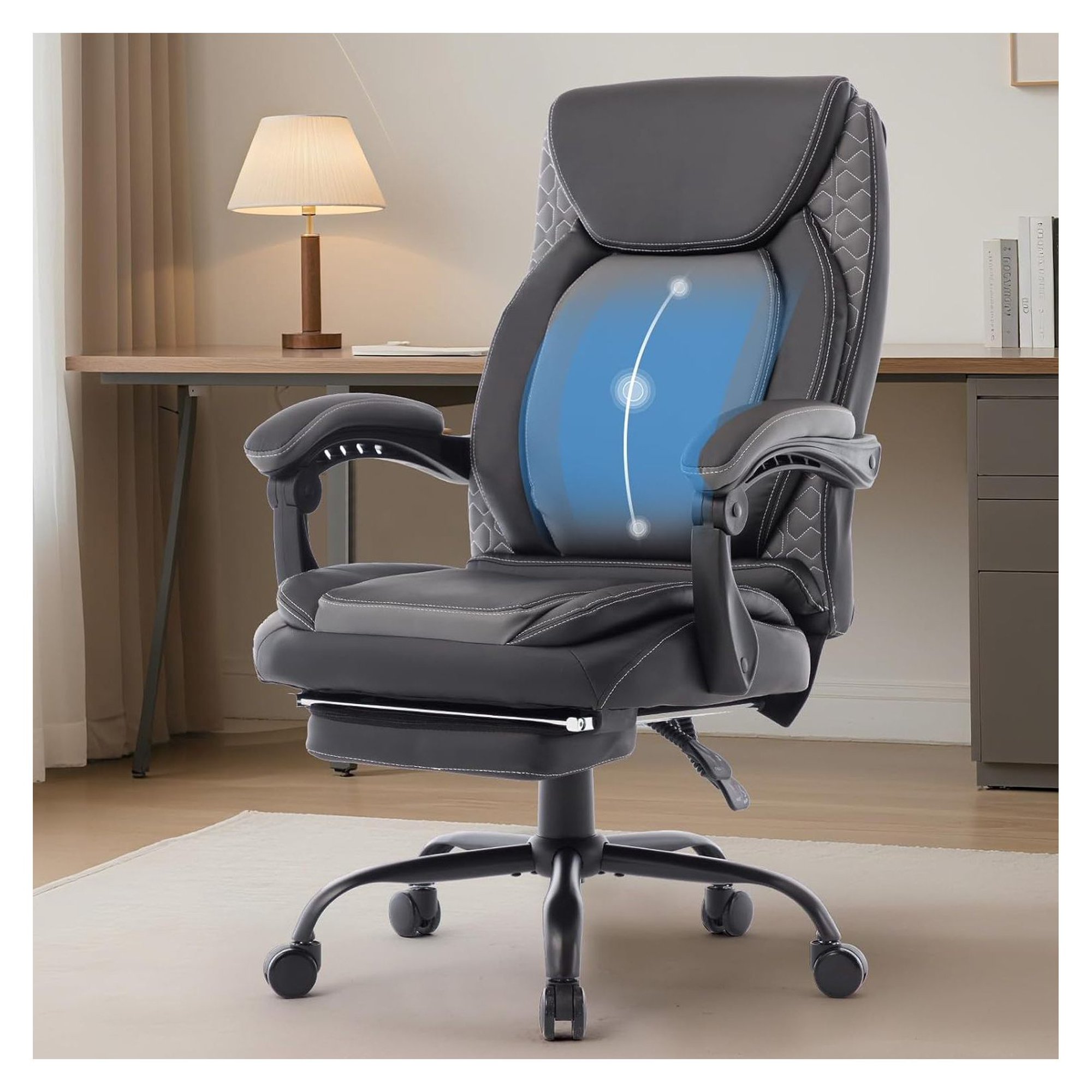
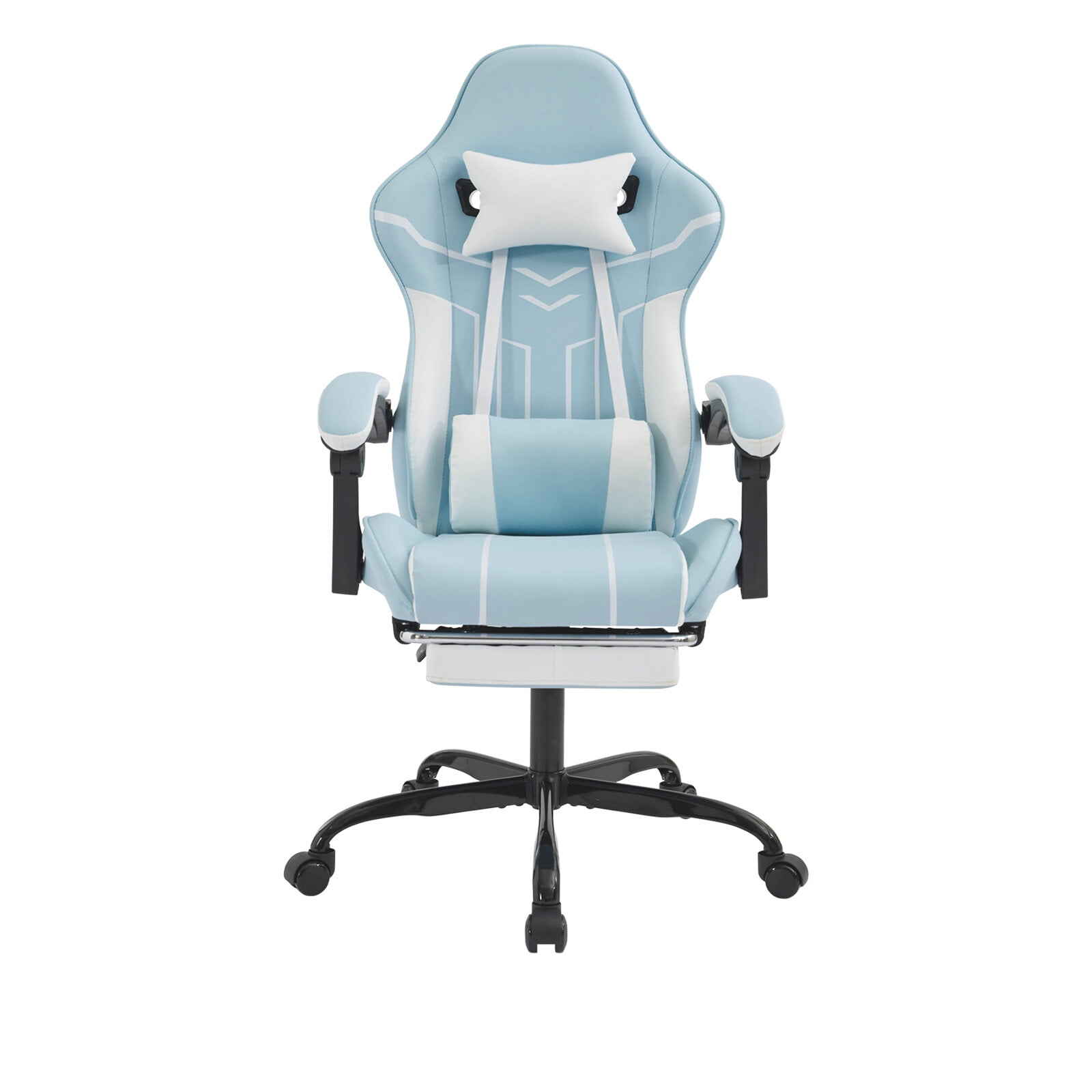
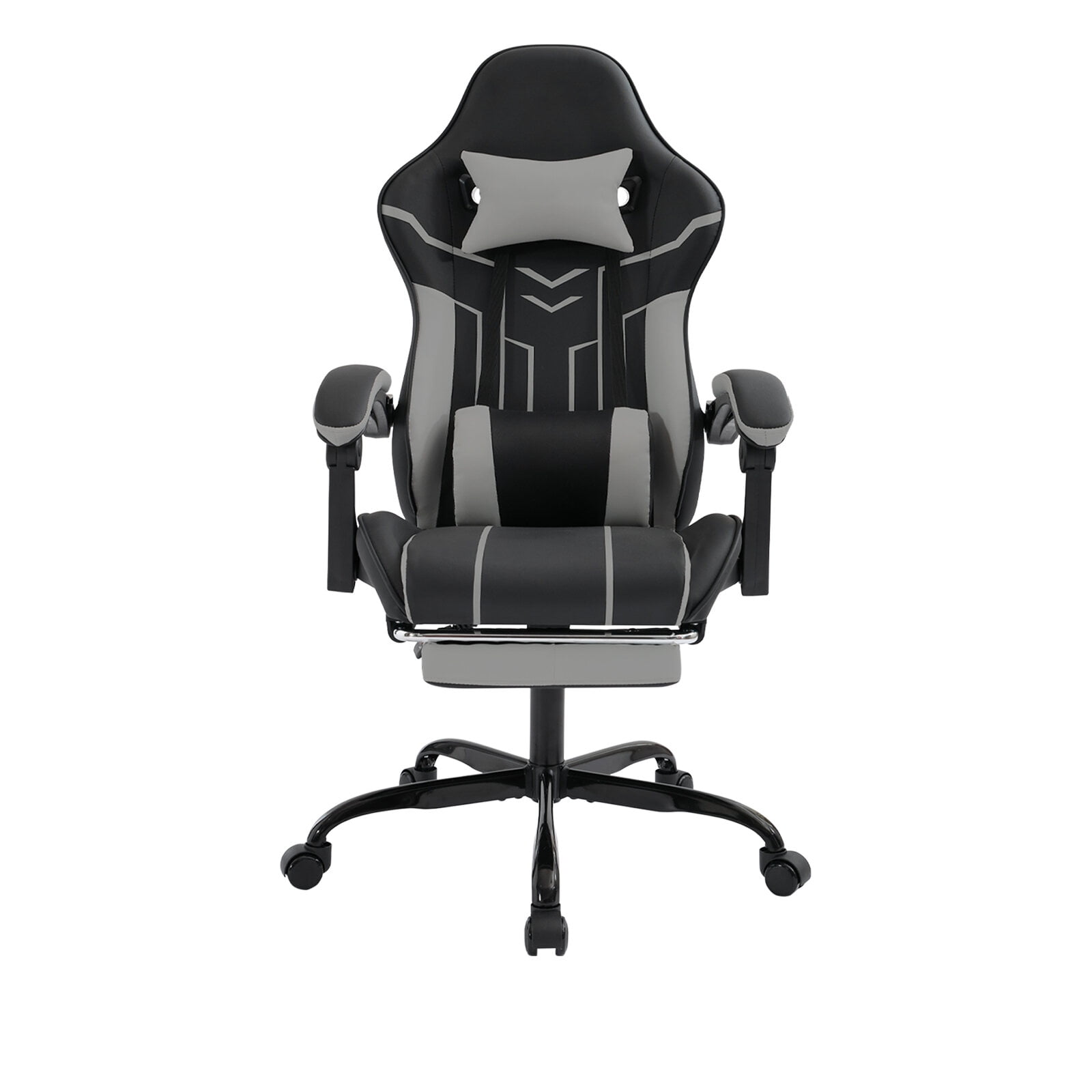
- The Fold-Away Footrest: This is the most common type. It's tucked neatly under the seat and swings out when you need it. It's perfect for people who want a clean, professional look most of the time but value the option to kick back during a break or after lunch. Best for: Versatility and maintaining a traditional office aesthetic.
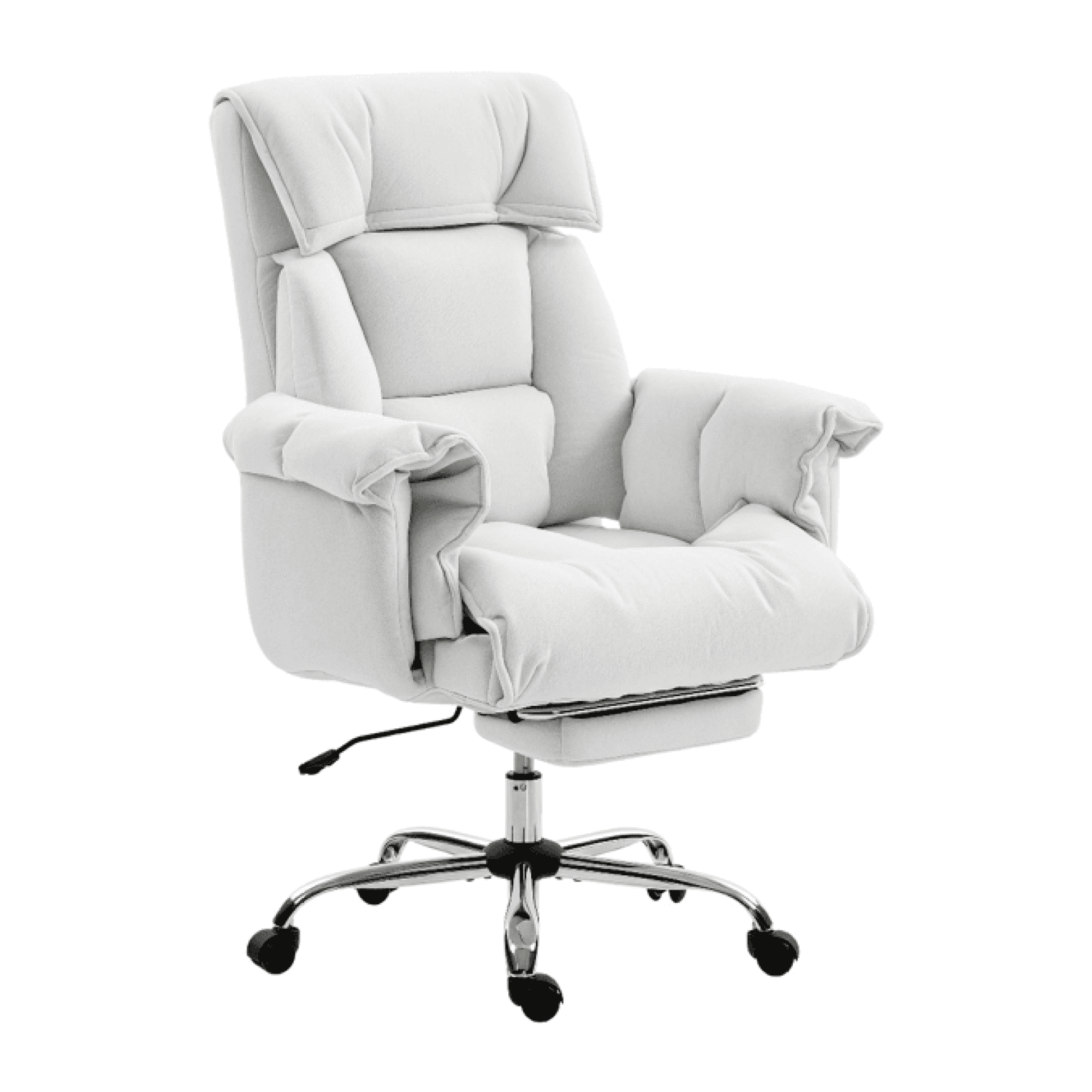
- The Fixed/Integrated Ottoman: These chairs often have a more lounge-like appearance, with the footrest as a permanent part of the design, usually extending from the seat. They are often found on more heavily padded, "executive" style chairs and provide a very stable, comfortable leg rest. Best for: Maximum comfort and those who know they will use the footrest frequently throughout the day.
Whichever type you choose, ensure the extension mechanism is robust and the pad itself is generously padded. A flimsy, hard footrest is almost worse than none at all.
Material Matters: Finding the Right Fit for You
The material of your chair dictates its comfort, durability, and overall feel, especially when combined with a footrest feature. Here’s a quick guide:
| Material | Pros for a Footrest Chair | Cons to Consider |
|---|---|---|
| High-Quality Mesh | Breathable and cool, perfect for long hours and warmer climates. The footrest mechanism is often metal and very durable. Great for a modern, airy feel. | The footrest pad is usually fabric-covered mesh, which may not be as plush as leather. Can feel less "luxurious." |
| Premium Leather/Faux Leather | Exudes professionalism and luxury. The footrest pad is often thickly padded and very comfortable. Easy to wipe clean. | Can get hot and sticky in summer. Faux leather may crack or peel over time, especially on the footrest which sees a lot of friction. |
| Fabric/Upholstery | Offers a soft, warm feel and comes in a wide variety of colors. Good breathability compared to leather. | Can stain more easily. The footrest pad may be more susceptible to wear and dirt from shoes. |
How to Use Your Footrest Chair for Maximum Benefit
Simply owning the chair isn't enough. Integrating it into your workflow is where the real magic happens. Think of your chair as a tool with different modes.
- The "Focus Mode" (Upright): Keep the footrest tucked away. Adjust your chair so your feet are flat on the floor or on a small footrest, with knees at a 90-degree angle. This is for active work like typing, writing, or video calls.
- The "Active Recovery" Mode (Slight Recline): Recline your chair slightly (100-110 degrees) and extend the footrest. This position takes some pressure off your spine and is excellent for reading, brainstorming, or taking a phone call. It's a great way to give your back a break without stopping work.
- The "Reset" Mode (Deep Recline): During a lunch break or a 5-minute mental reset, recline fully and put your feet up. This position mimics zero gravity, taking the most pressure off your spine and allowing your muscles to fully relax. It's a powerful way to return to your desk feeling refreshed.
Conclusion: Invest in Your Daily Well-being
An ergonomic office chair with a footrest represents a shift from passive sitting to active wellness. It acknowledges that a workday isn't a static event but a dynamic period requiring your body to be supported in multiple positions. By providing a stable foundation for your feet and the freedom to recline, these chairs help combat fatigue, improve circulation, and support a healthier spine.
Don't view it as an indulgence. View it as a strategic investment in your daily comfort, focus, and long-term physical health. Your body—from your feet to your neck—will thank you for the support.