
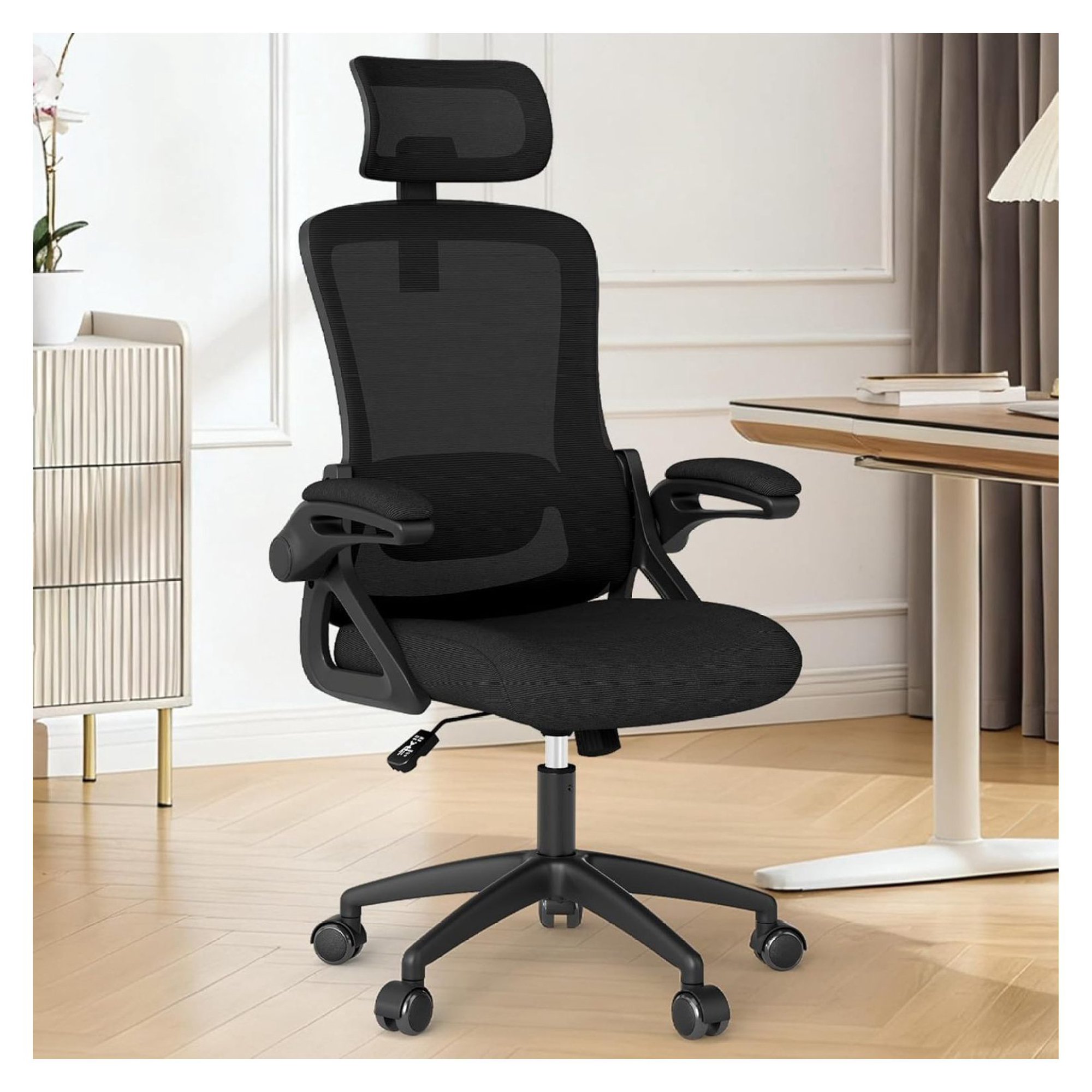
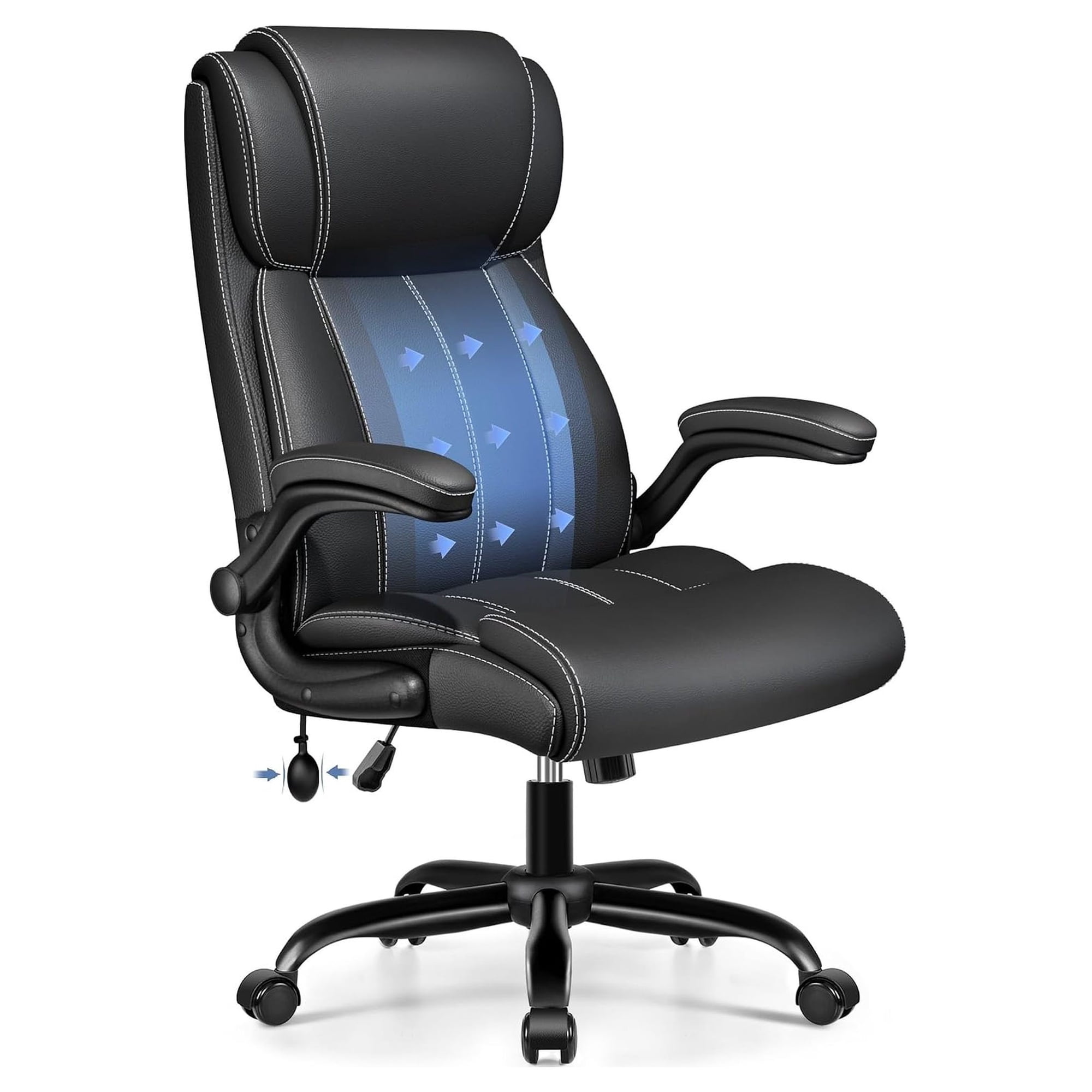
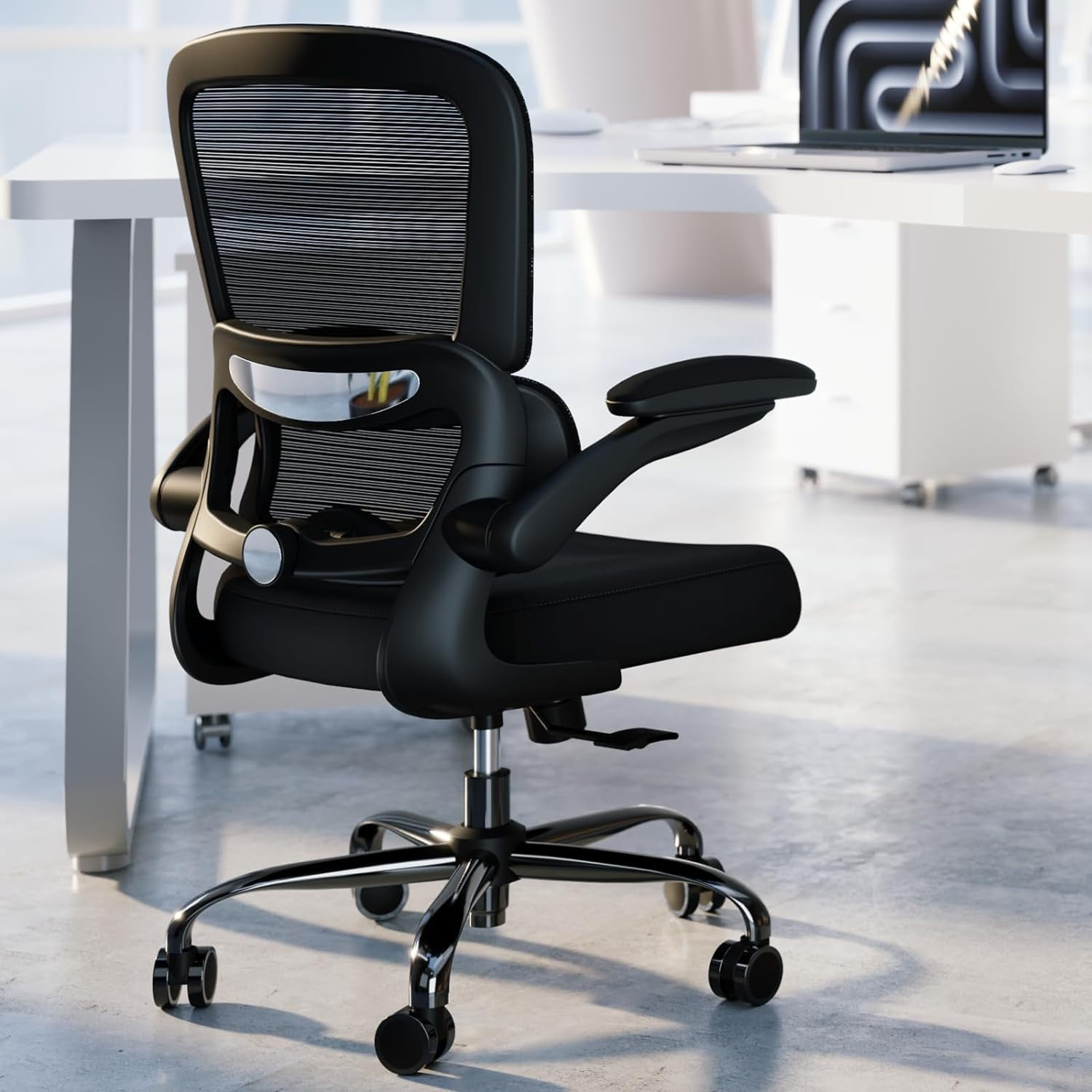
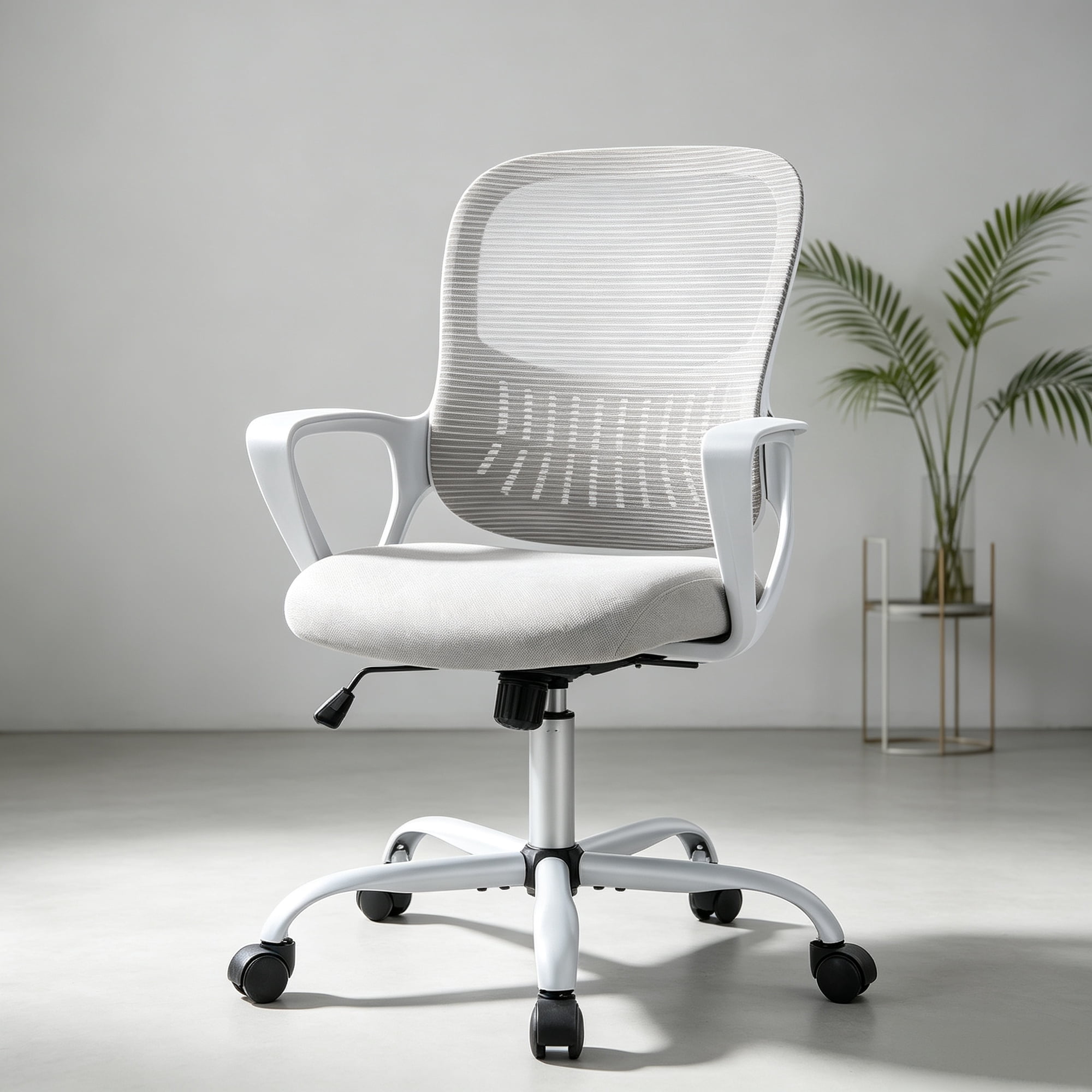
Finding the Perfect Fit: Petite Office Chairs with Lumbar Support
If you're under 5'4" or have a smaller frame, you know the struggle of finding an office chair that truly fits. Standard chairs often feel oversized—the seat is too deep, the backrest too high, and the lumbar support hits the wrong spot. This mismatch can lead to slouching, lower back pain, and decreased productivity. A petite office chair with lumbar support is the solution, designed to cradle your frame while keeping your spine aligned.
Ergonomic Insight: Studies show that when a chair fits properly, users experience 58% less lower back discomfort and report a 34% increase in concentration. For petite individuals, the right chair isn't a luxury—it's a necessity for long-term health and performance.
Key Features of a Quality Petite Office Chair with Lumbar Support
What transforms a standard chair into a petite-friendly ergonomic powerhouse? These features make all the difference:
- Shallow Seat Depth (15–17 inches): Allows petite users to sit with their back fully supported while keeping feet flat on the floor and knees at a comfortable 90-degree angle.
- Adjustable Lumbar Support: Look for height and depth adjustability so the support can be positioned precisely where your natural lumbar curve sits—lower than on standard chairs.
- Lower Backrest Height: A backrest that's proportional to your torso ensures the shoulder blades aren't pushed forward, preventing upper back strain.
- Low Seat Height Range: A chair that can lower to 16–18 inches ensures your feet rest comfortably on the floor, promoting better circulation.
- Narrower Seat Width: A seat width of 17–19 inches prevents you from feeling lost in the chair, providing better lateral support and stability.
Why Lumbar Support is Non-Negotiable for Petite Users
Imagine wearing a backpack that's too big—it throws off your center of gravity, causing you to lean forward to compensate. That's exactly what happens when your chair's lumbar support is misplaced. For petite users, the spine's lumbar curve is positioned lower. A standard chair's support often hits the mid-back, forcing the pelvis to tilt backward. Over time, this leads to muscle fatigue, disc compression, and chronic pain.
A dedicated petite office chair with lumbar support addresses this by placing the support where it's needed most. The result: your spine retains its natural 'S' shape, reducing pressure on intervertebral discs and allowing your core muscles to relax. This not only prevents pain but also enhances focus and energy levels throughout the day.
| Feature | Why It Matters for Petite Users | What to Look For |
|---|---|---|
| Lumbar Support Adjustability | Ensures the support aligns with your shorter torso's natural curve | Height adjustment (2–4 inches range) and depth tension control |
| Seat Depth | Prevents the seat edge from cutting into the back of your knees | Adjustable depth (15–17 inches) or fixed shallow seat |
| Seat Height Range | Allows feet to rest flat, avoiding dangling legs and circulation issues | Min seat height 16–18 inches with pneumatic adjustment |
| Backrest Height | Ensures shoulder blades aren't pushed forward, avoiding hunching | Backrest height below 20 inches or adjustable backrest |
| Armrest Adjustability | Supports elbows at desk height, reducing neck and shoulder tension | Height and width adjustable arms, or flip-up arms for desk clearance |
Health Benefits Beyond Back Pain Relief
Investing in a petite office chair with proper lumbar support offers a cascade of health and productivity benefits:
Better Breathing & Focus
Proper posture opens the chest cavity, allowing deeper breaths and improved oxygen flow, which enhances cognitive function and alertness.
Reduced Fatigue
When your spine is aligned, your muscles don't have to work overtime to keep you upright, leading to less physical exhaustion by the end of the day.
Enhanced Confidence
Sitting at eye level with colleagues during meetings (thanks to proper chair height) improves your presence and professional communication.
Long-Term Spinal Health
Preventing poor posture patterns in your 20s–40s reduces the risk of degenerative disc disease and chronic back conditions later in life.
How to Choose the Best Petite Office Chair with Lumbar Support
Selecting the right chair can feel overwhelming, but by focusing on a few key areas, you can find the perfect match for your body and work style. Use this step-by-step guide to make an informed decision.
Step 1: Measure Yourself
- Height & Inseam: Measure your total height and your leg inseam. This helps determine the ideal seat height and depth.
- Torso Length: Measure from your hip bone to the top of your shoulder to gauge the necessary backrest height.
- Weight & Build: Consider your weight and hip width to ensure the chair's seat and frame can comfortably support you.
Step 2: Understand Your Work Habits
Work Style Matrix
Prioritize seat depth adjustment, height-adjustable lumbar support, and breathable fabric to reduce heat buildup.
Look for chairs with 3D armrests (height, angle, width) and a smooth swivel for easy movement between screens.
Consider a chair with recline lock and tilt tension for brainstorming sessions, and an ergonomic headrest if you often lean back.
Opt for easy-to-adjust mechanisms, durable mesh or vinyl, and a weight capacity that accommodates various users.
Step 3: Set Your Budget and Expectations
Petite office chairs with lumbar support are available across price points. Here's what to expect at each tier:
Value (Under $300)
Basic adjustability (seat height, tilt), fixed lumbar support, and durable fabric. Good for occasional or part-time use.
Mid-Range ($300–$600)
Adjustable seat depth, height-adjustable lumbar, and better materials like mesh or bonded leather. Ideal for daily full-time use.
Premium ($600–$900)
4D armrests, advanced lumbar support, high-quality mesh or leather, and extensive adjustability. Built for executives and professionals.
Boutique/Luxury ($900+)
Customizable fit, premium materials, and long warranties. Designed for maximum comfort and durability.
Step 4: Test Before You Buy (or Read Reviews)
Pro Tip: If you can't test the chair in person, read reviews from other petite users. Look for mentions of “seat depth,” “lumbar alignment,” and “fit for short people.” Pay attention to how the chair feels after 2+ hours of sitting.
Frequently Asked Questions About Petite Office Chairs with Lumbar Support
Conclusion & Final Recommendations
Choosing a petite office chair with lumbar support is one of the most impactful investments you can make for your health and productivity. For petite individuals, a properly fitted chair isn't about luxury—it's about preventing long-term pain, enhancing daily comfort, and working at your full potential.
Your Perfect Fit Awaits
Prioritize a chair with adjustable seat depth, height-adjustable lumbar, and good breathability (mesh or fabric). Mid-range to premium options offer the best long-term value.
A value-tier chair with a shallow seat and fixed lumbar can still provide significant relief, especially if you add a small lumbar cushion for extra support.
Look for chairs with highly adjustable lumbar and seat features to accommodate different users while still offering petite-friendly dimensions.
Top Recommendations by User Profile
| User Profile | Recommended Chair Type | Key Features to Prioritize | Budget Range |
|---|---|---|---|
| Petite Professional | Mid-Range Ergonomic Mesh Chair | Adjustable lumbar, 16–18 inch seat depth, breathable backrest | $350–$550 |
| Petite Executive | Leather or High-End Fabric Chair | 4D armrests, lumbar depth control, premium materials | $650–$950 |
| Petite + Heavy-Duty | Reinforced Frame with Shallow Seat | 300+ lb capacity, steel base, fixed deep lumbar | $400–$700 |
| Student / Light User | Value Mesh or Fabric Chair | Basic lumbar support, low seat height, budget-friendly | $180–$250 |