
Why Adjustable Arms In and Out Are a Game-Changer for Your Workspace
When searching for the perfect office chair, we often focus on seat height, back support, and lumbar adjustment. However, one of the most underrated features is the ability to adjust the armrests in and out. This lateral adjustment is a key component of a truly ergonomic seating experience, allowing you to bring your workspace to you, rather than forcing your body to fit a one-size-fits-all design. For professionals who type for hours, this feature is not just a luxury; it's a necessity for long-term health.
Think of the armrests on a typical office chair like a pair of shoes: a standard size might fit okay, but a custom-fit pair provides a world of difference in comfort and performance. Similarly, an office chair with adjustable arms in and out lets you fine-tune the distance between the armrests, ensuring your arms are supported directly under your shoulders, preventing the hunching or winging that leads to discomfort.
According to ergonomic guidelines, your arms should rest at a 90-degree angle with your shoulders relaxed. The "in and out" adjustment, also known as width adjustment, is critical for achieving this posture. It ensures that the armrests are neither too wide, which forces your shoulders outward, nor too narrow, which crowds your body. This balance reduces strain on the rotator cuff and the neck, allowing you to maintain a more centered and focused position throughout the workday.
Ergonomic Insight: A study published in the Journal of Physical Therapy Science found that adjustable armrests, particularly the width adjustment, significantly decreased the muscle activity of the upper trapezius during computer use, reducing fatigue and the likelihood of developing chronic neck and shoulder pain.
Key Benefits of a Chair with Width-Adjustable Arms
Investing in a chair with arms that move in and out offers several distinct advantages that enhance your work life and health:
- Tailored Support for Any Body Type: Whether you have a broader build or a slimmer frame, the ability to adjust the width ensures the armrests are perfectly positioned to support your frame without forcing your shoulders into an unnatural position.
- Reduced Shoulder and Neck Strain: By keeping your elbows close to your torso and your shoulders relaxed, you minimize the tension in the neck muscles. This is crucial for those who experience migraines or stress headaches related to desk work.
- Enhanced Typing Comfort: When your forearms are supported at the correct width, your wrists remain in a neutral, straight position. This reduces the risk of developing repetitive strain injuries (RSIs) like carpal tunnel syndrome.
- Versatile for Different Activities: As you shift from typing to reading or leaning back to think, adjusting the armrests in or out can accommodate your changing posture, providing support where you need it most at any given moment.
- Better Overall Posture: Width adjustment works in tandem with height and depth adjustments to create a holistic ergonomic setup. It's a foundational component that helps you sit straighter and with more ease.
How to Choose the Right Chair with Adjustable Arms
Not all adjustable arms are created equal. When shopping for an office chair with this feature, consider these critical factors to ensure you're getting the best value and functionality.
| Feature | Why It Matters | What to Look For |
|---|---|---|
| Adjustment Range | A wider range accommodates more body types and ensures you can find the sweet spot. | Look for a range of at least 1.5 inches of lateral movement on each side. The mechanism should be easy to engage. |
| Mechanism Durability | Armrests are used constantly, so the adjustment mechanism must be built to last. | High-quality metal components and smooth, gear-based or slide-based systems are preferable over cheap plastic friction mechanisms. |
| Armrest Padding | Comfort during use is paramount. Firm yet soft padding prevents pressure points on the elbows. | Choose chairs with high-density foam or gel-infused padding. The surface should be wide and flat to distribute weight evenly. |
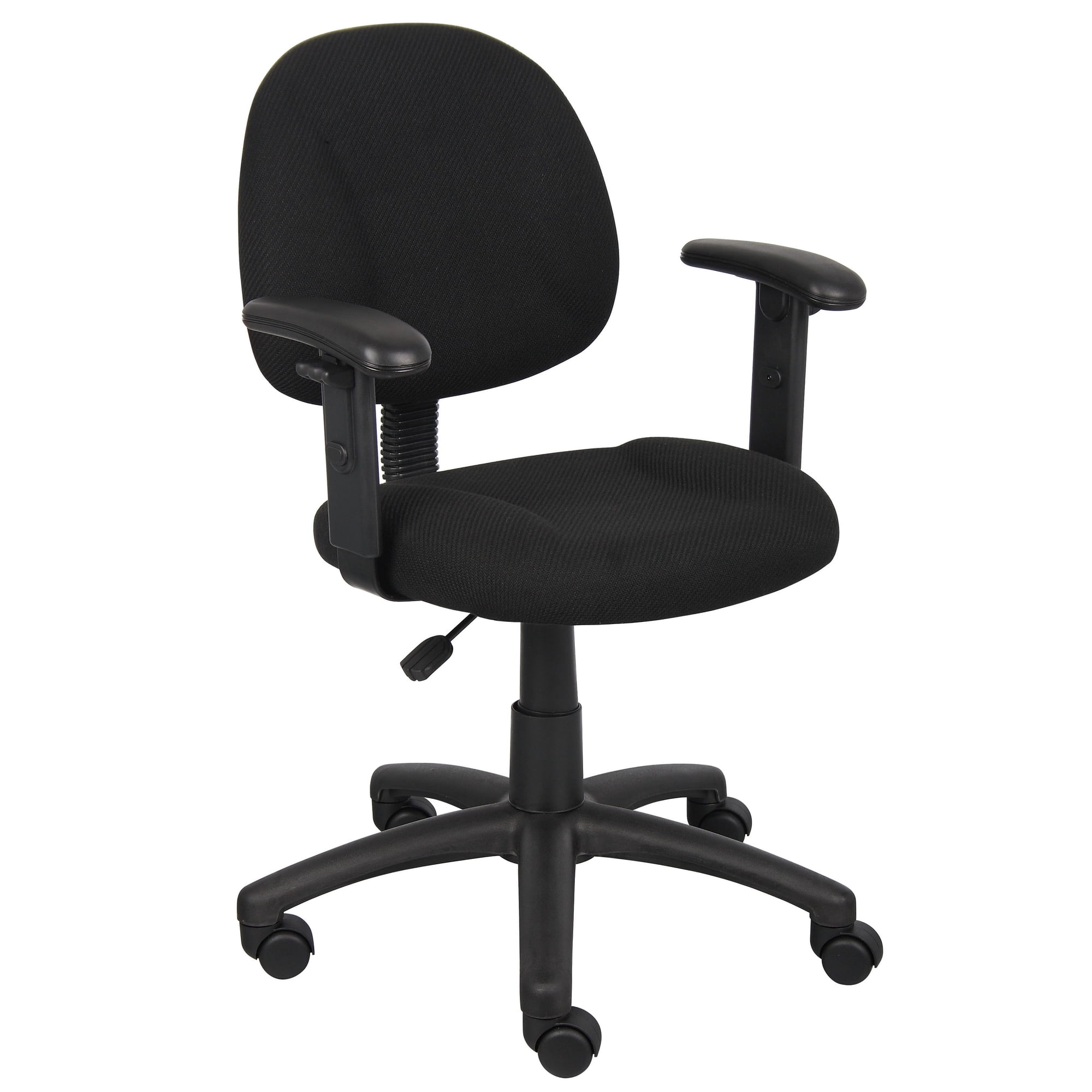
| Height & Depth Linkage | For a truly ergonomic experience, the armrest should also move up and down and forward and backward. | Look for models that offer both independent height adjustment and depth (fore-aft) adjustment in addition to the "in and out" function—often called 4D or 3D armrests. |
| Frame Material & Build | Ensures the arms can handle the weight and pressure exerted on them daily without bending or breaking. | Seek chairs with a solid steel or aluminum frame under the padded cushion. |
Understanding 3D and 4D Armrests
When looking for a chair with arms that adjust in and out, you may also encounter terms like "3D" or "4D" armrests. Understanding these labels can help you choose the perfect chair.
- 2D (or 2-Dimensional) Armrests: Typically adjust up and down (height) only.
- 3D (or 3-Dimensional) Armrests: Adjust in height, in and out (width), and may pivot or angle (rotation). This gives you a much more customized feel.
- 4D (or 4-Dimensional) Armrests: The most advanced option, adjusting in height, width, depth (forward and backward), and sometimes pivot or sliding.
For those who prioritize office chair with adjustable arms in and out as a top feature, a 3D or 4D model will provide the best experience. The additional depth adjustment allows you to position the armrest closer or further from the desk, ensuring your wrists stay straight while you work.