
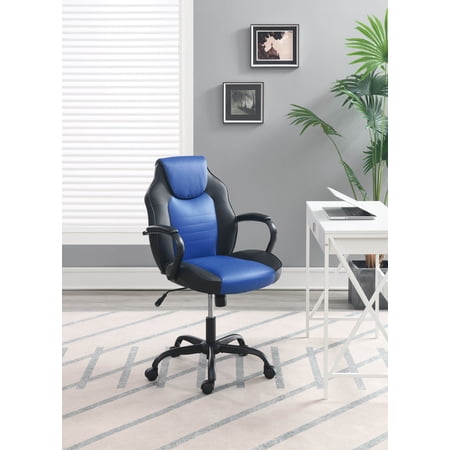
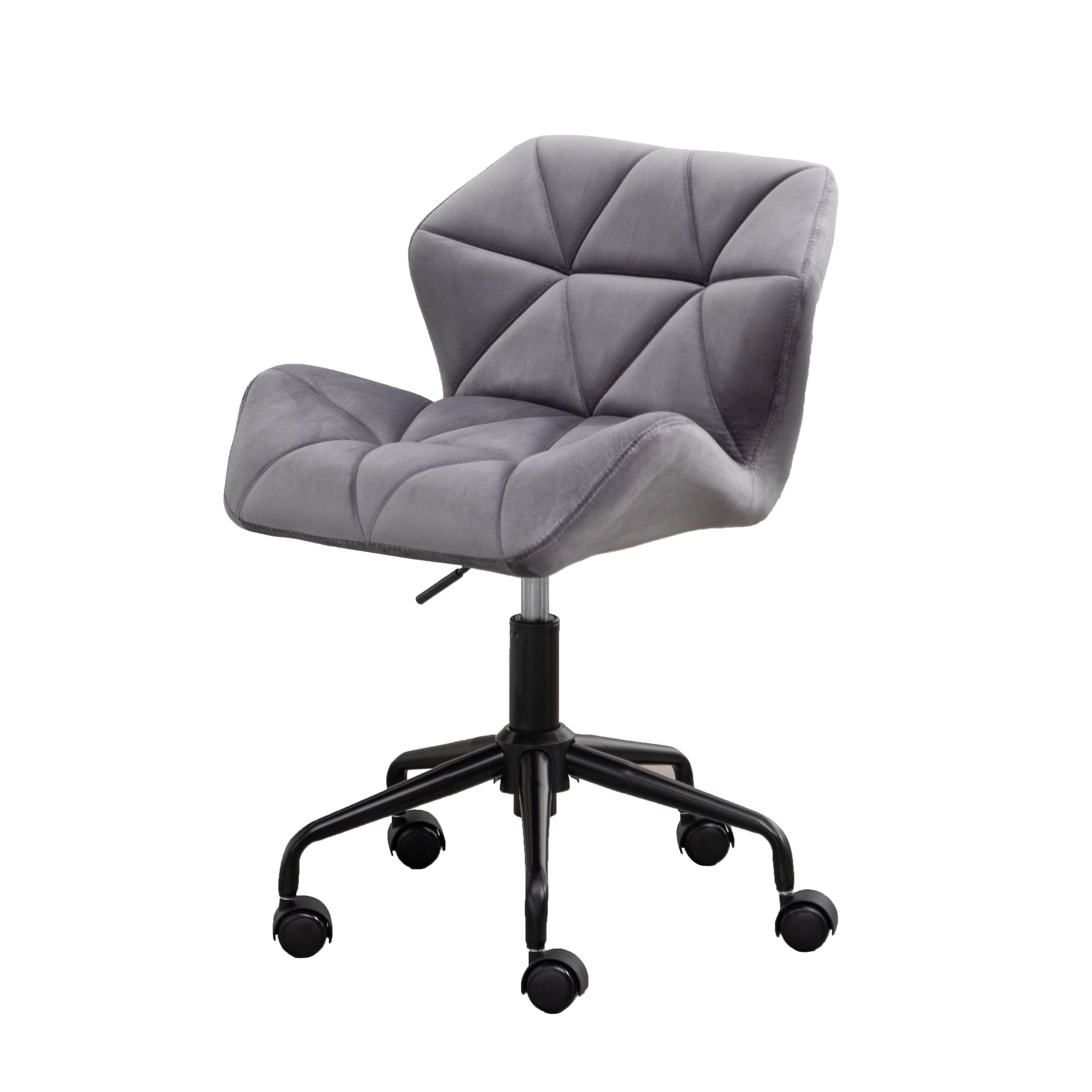

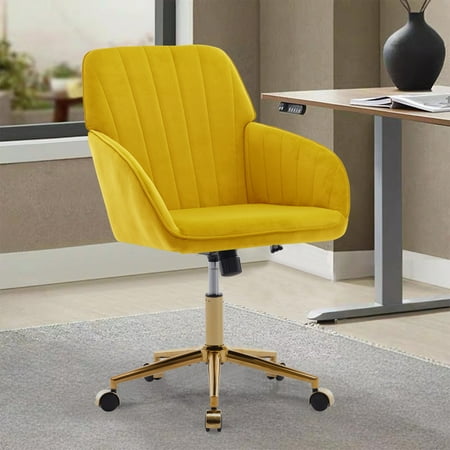
The Essential Guide to Office Secretary Chairs
In the modern workplace, the role of an administrative professional or executive assistant is more dynamic than ever. Your office chair is your command center. A well-chosen office secretary chair is not just a piece of furniture; it's an investment in your daily comfort, productivity, and overall health. Whether you're managing schedules, fielding calls, or organizing documents, having the right seating can make a significant difference.
Secretary chairs are specifically designed for tasks that require focus and efficiency. They often feature a blend of professional aesthetics and ergonomic support tailored for desk work. Unlike bulky executive chairs, many secretary chairs offer a more streamlined silhouette, perfect for modern offices, while still providing excellent support for long sitting hours.
Did You Know? Administrative professionals spend an average of 6-8 hours a day seated. An ergonomic office chair can help reduce the risk of musculoskeletal disorders by up to 60%, directly impacting your energy levels and concentration.
Why a Dedicated Secretary Chair Matters
You might wonder if any office chair will do. Here's why a chair tailored for secretarial or administrative work is a smart choice:
- Designed for Dexterity: These chairs often support a more upright posture, which is ideal for tasks like typing, writing, and answering phones. This helps you stay alert and reduces neck and shoulder strain.
- Professional Appearance: A stylish secretary chair enhances your office's professional image and creates a welcoming atmosphere for clients and visitors, especially in reception areas.
- Versatile Functionality: From adjustable seat heights to tilt mechanisms, these chairs are built for dynamic work environments, allowing you to move seamlessly from your desk to the filing cabinet.
- Compact Footprint: Many secretary chairs are designed to be space-saving, making them perfect for smaller cubicles or workspaces without sacrificing comfort.
Key Ergonomic Features for Every Executive Assistant
When choosing your ideal secretary chair, paying close attention to ergonomics is paramount. Here are the features that should be at the top of your list:
| Feature | Why It Matters for Secretary Work | What to Look For |
|---|---|---|
| Adjustable Lumbar Support | Promotes healthy spinal alignment, reducing the risk of lower back pain that comes from long periods of sitting. | Adjustable height and depth for a custom fit to your lower back curve. |
| Seat Depth & Height Adjustment | Ensures proper leg support and allows your feet to rest flat on the floor, improving circulation. | Pneumatic height adjustment (gas lift) and a seat slider that allows you to adjust the depth for your leg length. |
| Comfortable Armrests | Helps relieve pressure on your shoulders and neck by supporting your elbows and forearms while typing. | 2D or 3D adjustable armrests that can be moved up/down, in/out, and swiveled for optimal positioning. |
| Quality Caster Wheels | Allows for smooth, quiet movement around your workspace without disturbing colleagues. | Dual-wheel casters, suitable for your floor type (hardwood, carpet, or tile). |
| Breathable Material | Keeps you cool and comfortable throughout the day, preventing discomfort and sweating. | High-quality mesh, breathable fabric, or perforated leather for better air circulation. |
How to Choose the Right Material
The upholstery of your chair affects not just its look, but also its comfort and durability. Here's a quick breakdown:
Mesh Secretary Chairs
- Breathability: The biggest advantage. Keeps you cool.
- Modern Look: Sleek and contemporary.
- Low Maintenance: Easy to clean.
Fabric Secretary Chairs
- Soft & Warm: Provides a cozy, plush feel.
- Variety: Available in many colors.
- Comfort: Often features more padding.
Leather / Faux Leather
- High-End Aesthetics: Looks premium and professional.
- Easy to Wipe: Resists spills and stains.
- Durable: Long-lasting material.
Ergonomic Adjustments
- Look for: Tilt lock, tilt tension, height adjustable, armrest adjustments.
- Tip: More adjustments equal a better, more personalized fit.
A Step-by-Step Guide to Choosing Your Perfect Secretary Chair
Finding the right chair can seem overwhelming. Follow this simple guide to narrow down your options and make the best choice.
Step 1: Assess Your Daily Work Routine
- Work Style: Do you spend most of your day typing, on the phone, or moving between different areas?
- Duration: How many hours do you sit continuously?
- Environment: Is your workspace in a busy office, a quiet reception area, or a home office?
Step 2: Define Your Must-Have Features
- Ergonomics: Lumbar support, adjustable seat depth, and height are non-negotiable.
- Material: Choose a material that suits your climate, comfort preferences, and office decor.
- Mobility: Ensure the casters are suitable for your floor type for smooth movement.
Step 3: Set a Realistic Budget
- Entry Level ($150-$250): Good for guest seating or part-time use.
- Mid-Range ($250-$500): Offers the best blend of ergonomics, durability, and style for daily professional use.
- Premium ($500+): Top-tier ergonomic chairs with superior materials and advanced adjustments for maximum comfort.
Step 4: Test and Evaluate
Pro Tip: If possible, try before you buy. Sit in the chair for at least 15-20 minutes. Pay attention to how your back, neck, and legs feel. Simulate typing or other tasks to test the comfort of the armrests.