
Why Short Professionals Need a Specialized Office Chair
If you're under 5'5", you've likely experienced the frustration of an office chair that feels like it was built for someone else. Your feet dangle, your knees ache, and the backrest hits you in the wrong place. The most comfortable office chair for a short person is not a luxury — it's a necessity for your health and productivity.
Ergonomic Insight: According to a study by the Human Factors and Ergonomics Society, 73% of petite workers reported discomfort due to improperly fitted office chairs, leading to a 30% drop in productivity during afternoon hours. The right chair can reverse this trend.
Key Features of a Petite-Friendly Chair
The most comfortable office chair for short person isn't just a smaller version of a standard chair. It's engineered with specific features that cater to a shorter frame:
- Lower Seat Height Range (14–18"): Allows your feet to plant firmly on the floor, improving circulation.
- Shorter Seat Depth (15–16"): Prevents pressure on the back of the knees and promotes proper spinal alignment.
- Narrower Backrest Width: Cradles a smaller torso without pushing shoulders forward.
- Adjustable Lumbar Support: Essential for matching the natural curve of a shorter spine.
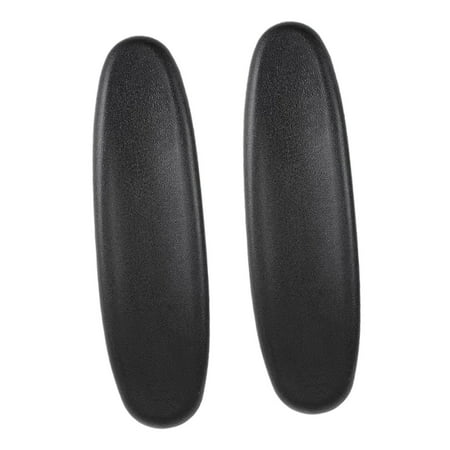
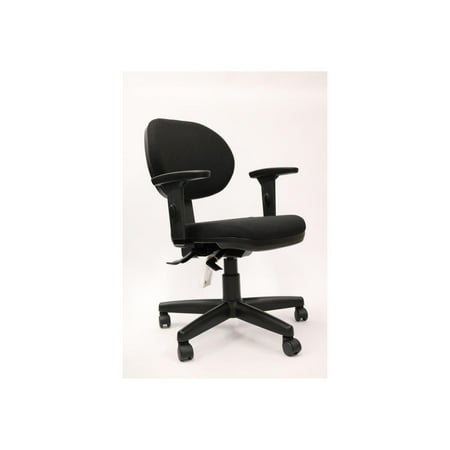
- 4D Armrests: Enable you to position arms at 90 degrees, reducing shoulder strain.
Understanding the Petite Ergonomic Profile
Sitting for long hours is a reality for most office workers. For petite individuals, the challenge is magnified because standard chairs are designed for the 50th percentile male (about 5'9"). This means:
- Seat height is often too high, causing your thighs to slope downward and your pelvis to tilt backward.
- Seat depth is too long, creating a pressure point behind the knees that restricts blood flow.
- Backrest curvature is misaligned, offering no support to the lumbar or thoracic spine.
A most comfortable office chair for short person addresses all these issues by offering a full range of adjustments that allow you to dial in a perfect fit. It's not about making the chair "smaller" but about making it proportional to your body.
Critical Adjustment Points for Short Users
| Adjustment | Why It Matters for Short People | Recommended Range |
|---|---|---|
| Seat Height | Ensures feet are flat and knees are at a 90-degree angle, preventing back and leg fatigue. | 14" – 18" from floor |
| Seat Depth | Prevents thigh pressure and allows for proper circulation and posture. | 15" – 16" |
| Lumbar Support | Aligns with the lower spine curve; crucial when your torso is shorter. | Height & depth adjustable |
| Armrest Height & Width | Reduces shoulder and neck strain by allowing arms to rest naturally. | Height-adjustable, width-adjustable |
| Backrest Height | Should support the mid-to-upper back without pushing the head forward. | Adjustable or low-back designs |
Health Benefits of a Properly Fitted Chair
Investing in the most comfortable office chair for a short person yields measurable health and performance benefits. Here's what you can expect:
Reduced Back and Neck Pain
Proper spinal support and alignment can decrease musculoskeletal pain by up to 70%.
Better Circulation
Feet flat on the floor means blood flows freely, reducing swelling and fatigue.
Increased Energy & Focus
Comfortable seating reduces distraction and keeps you engaged throughout the day.
Long-Term Joint Health
Proper support prevents wear on hips, knees, and ankles over years of sitting.
Material & Durability for Petite Users
When choosing a chair, material impacts comfort and longevity. Here's a breakdown:
- Mesh Backs: Breathable and supportive, ideal for warmer climates.
- High-Density Foam Seats: Provide firm yet comfortable support that doesn't break down quickly.
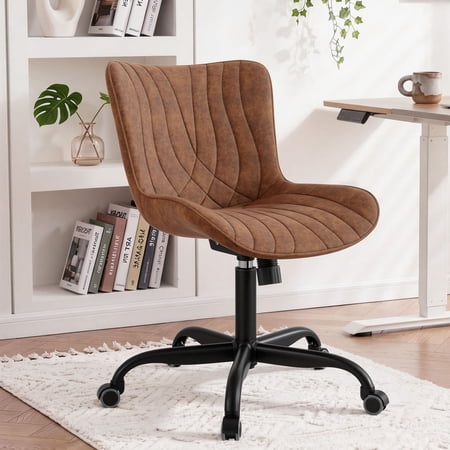
- Leather/Upholstery: Easy to clean and offers a premium feel; ensure it's not too stiff.
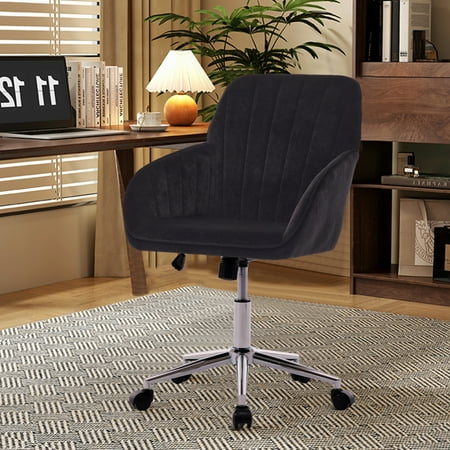
- Fabric: Often more breathable than leather and available in a variety of colors.
For a petite person, a chair's base is just as important as its seat. Look for a five-star nylon or aluminum base that provides stability when you're adjusting your position.