
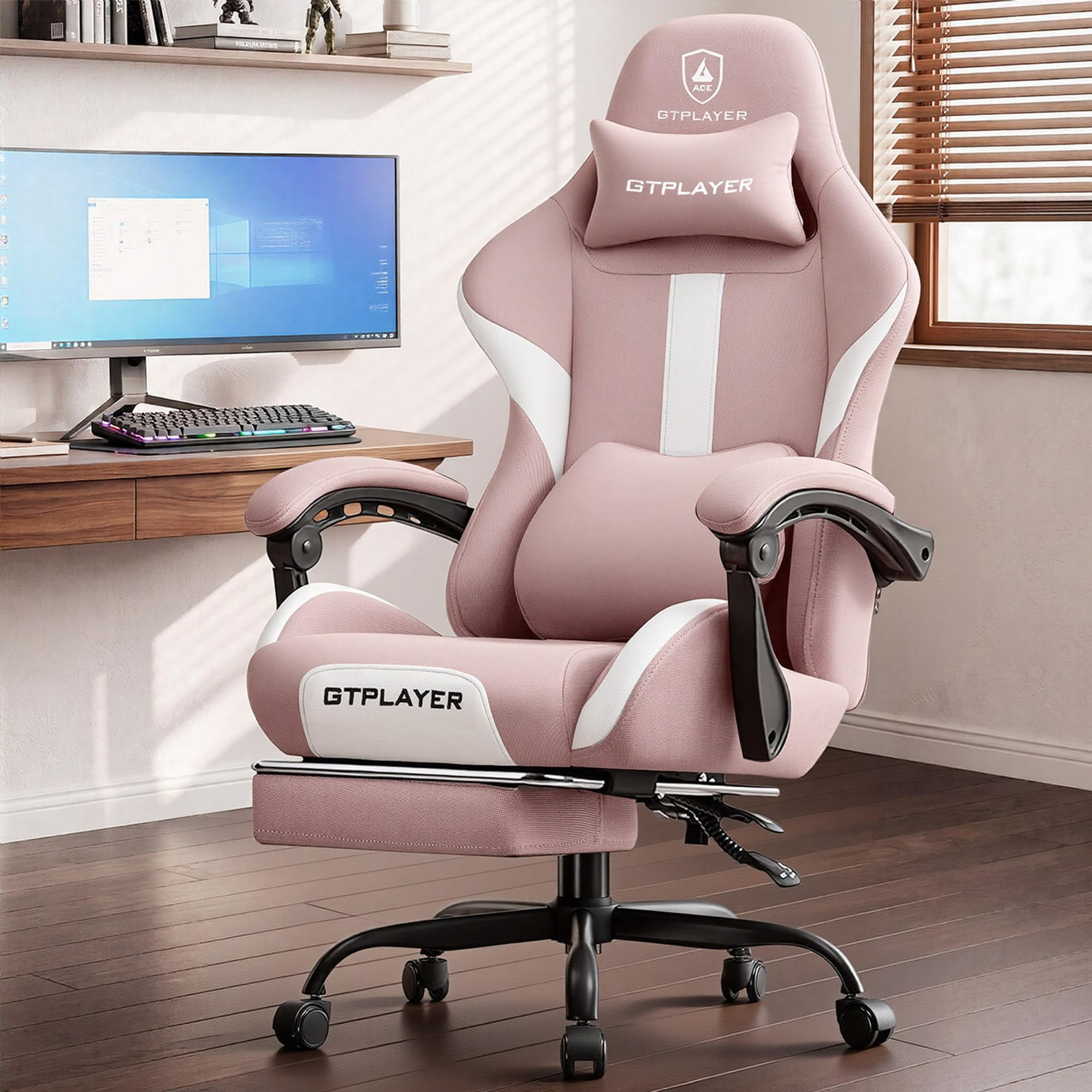
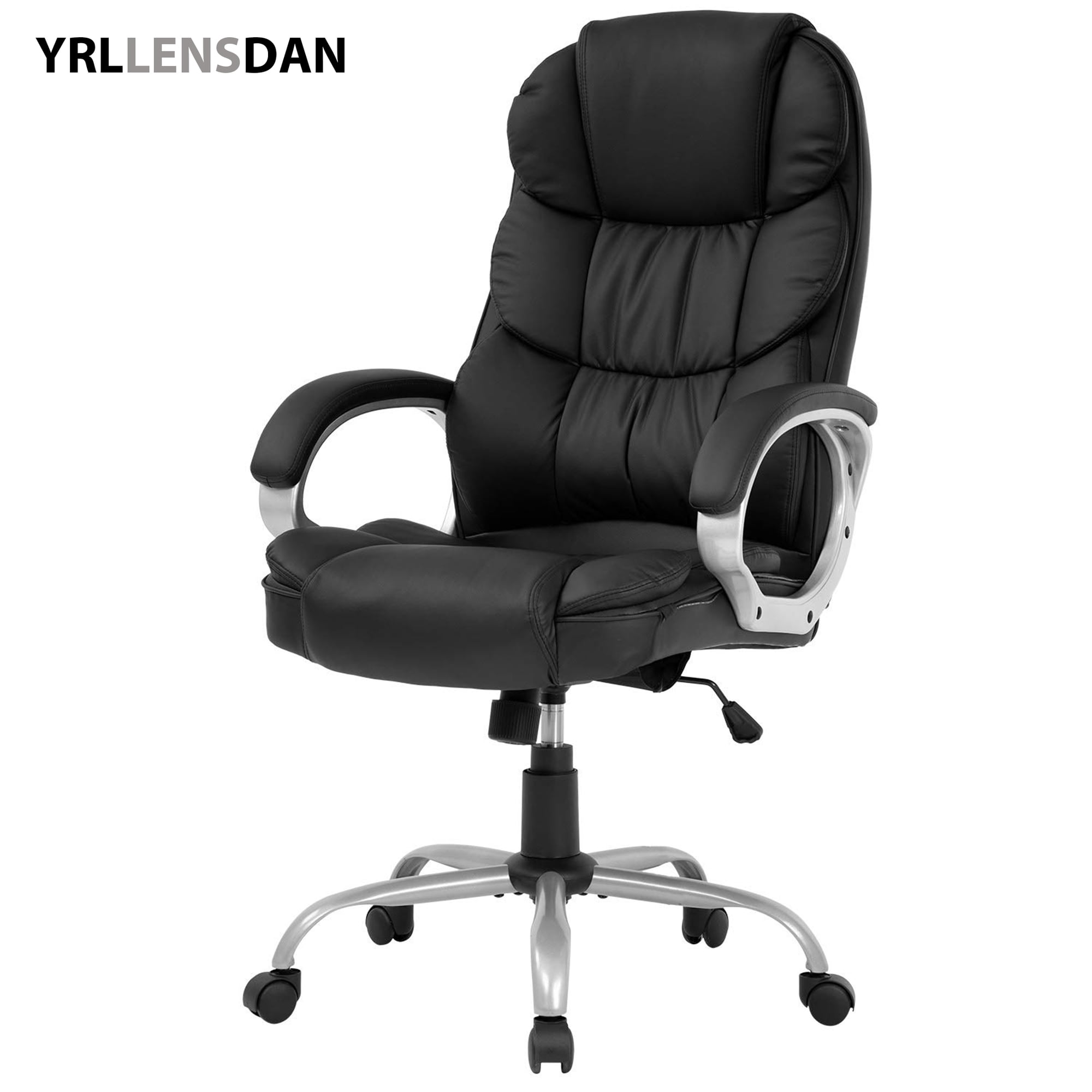
The Challenge: Comfort + Capacity for Larger Bodies
Imagine sitting on a chair that creaks under you, where the seat feels like a pancake after an hour, or the armrests dig into your sides. For heavier individuals, a standard office chair isn't just uncomfortable—it can be unsafe. The most comfortable office chair for a heavy person must address three non-negotiable pillars: weight capacity (usually 400 lbs+), seat dimensions (width and depth), and cushion resilience (high-density foam that doesn't bottom out).
According to the National Institute for Occupational Safety and Health, prolonged sitting in an ill-fitting chair increases the risk of musculoskeletal disorders by up to 60%. This guide walks you through every feature that matters, so you can invest in a throne that supports your body and work style for years.
Anatomy of a Heavy-Person Office Chair: What Makes It Comfortable?
Comfort is subjective, but for larger users, it boils down to engineering. Here are the critical components that separate a flimsy chair from a genuinely comfortable, heavy-duty seat.
1. Frame and Base: The Skeleton Matters
A chair rated for 400+ lbs must have a steel or reinforced aluminum frame. Avoid chairs with plastic frames, even if they claim high weight limits—they can develop stress fractures. The base (the "spider" that holds the casters) should be metal or heavy-duty nylon with a wide footprint (at least 28 inches) for stability.
- Steel frame: Provides longevity and prevents twisting.
- Metal base: Distributes weight evenly; look for a polished or coated finish to resist corrosion.
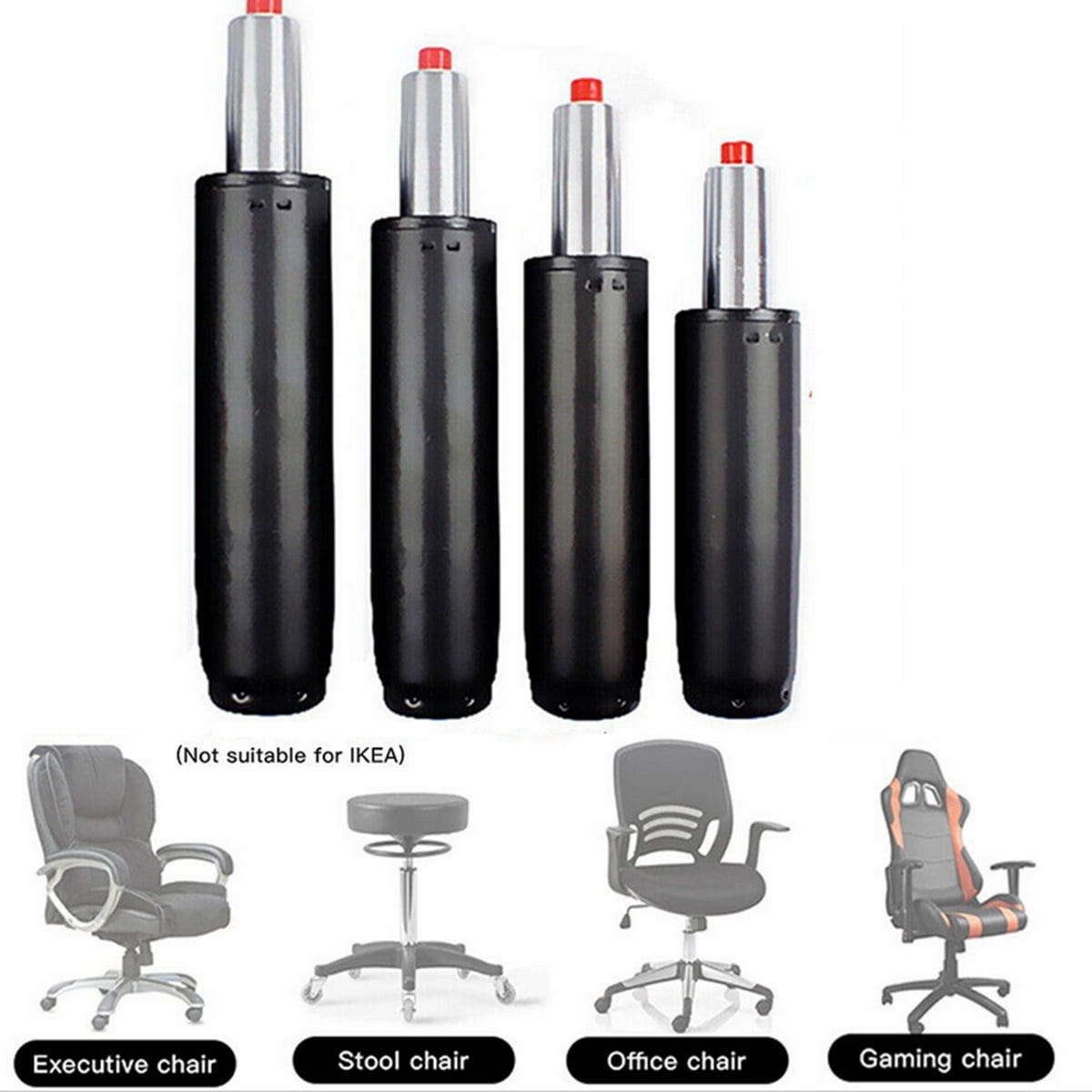
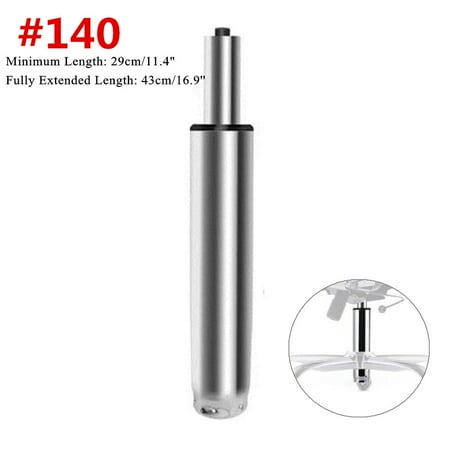
- Gas lift class: Class 4 or 5 gas lifts are essential. Class 3 is for standard chairs; class 4 supports 330–450 lbs; class 5 handles 450 lbs+.
2. Seat Cushion: The Difference Between 'Sitting' and 'Sinking'
Memory foam might sound cozy, but for heavy persons, high-density foam (2.5 lbs/ft³ or higher) is superior. It resists permanent deformation. Some premium chairs use a combination: a firm foam core for support, wrapped with a softer layer for comfort. Look for waterfall edge design to prevent circulation restriction behind the knees.
3. Width and Depth: Room to Breathe
Standard seats are 19–20 inches wide. For most comfortable experience, aim for 22 to 28 inches. Seat depth (from back to front) should be adjustable or at least 20–22 inches to support thighs fully without pressing into the calves.
4. Lumbar Support: Not One-Size-Fits-All
For heavier individuals, lumbar support needs to be positioned higher or lower depending on torso length, and it must be firm enough to actually engage. Adjustable lumbar (height + depth) is a must-have. Some chairs offer inflatable air-bladder lumbar for custom tension.
5. Upholstery: Durability and Breathability
Leather looks professional but can get hot. High-quality mesh is breathable and contours to the body, but must be tightly woven to support weight without sagging. Bonded leather (blend of leather and polyurethane) offers a balance of cost and durability, but may peel after 3–5 years. For pure longevity, some prefer heavy-duty fabric like ballistic nylon.
Top Comfort Features: A Detailed Breakdown
Let’s dissect the features you’ll encounter and why they matter for a heavy person.
| Feature | Why It's Crucial for Heavy Person | What to Look For |
|---|---|---|
| Seat Width | Prevents squeezing at hips, allows movement | 22" - 28" (measure your hip width + 2") |
| Weight Capacity | Safety and warranty validity | Minimum 400 lbs; ideally 500 lbs for long life |
| Caster Type | Heavier weight requires stronger wheels to roll smoothly | Dual-wheel casters (metal core) for carpet/hard floors |
| Tilt Mechanism | Must support heavier weight without snapping | Steel mechanism with infinite lock and tension control |
| Armrests | Wide padded armrests reduce shoulder strain | 4D adjustable (height, width, depth, pivot) |
Material Face-Off: Which Upholstery Suits Heavy Users Best?
We’ve compared the three most common materials for heavy-person chairs.
✅ Premium Bonded Leather
- Pros: Easy to clean, looks executive, resists spills.
- Cons: Can be hot; may peel if low quality.
- Best for: Home offices, client-facing roles.
✅ Heavy-Duty Mesh
- Pros: Excellent airflow, conforms to shape, durable.
- Cons: Limited color options, may require frame reinforcement.
- Best for: Long hours, warmer climates.
✅ Commercial-Grade Fabric
- Pros: Very durable (tested for 100,000+ rubs), breathable, warm feel.
- Cons: Can stain, harder to clean.
- Best for: 24/7 usage, offices with controlled environment.
Step-by-Step: How to Choose Your Ideal Heavy-Person Office Chair
Follow this systematic approach to avoid guesswork.
- Measure yourself: Seat width (hip to hip), seat depth (back of butt to back of knee), and overall height. Write these down.
- Check weight rating: Always go 20-30% above your weight for a safety margin. If you weigh 320 lbs, look for 400+ lbs capacity.
- Prioritize frame material: Look for specifications mentioning "steel frame" or "reinforced polymer frame". Avoid all-plastic frames.
- Test adjustability range: Ensure the seat height can go low/high enough for your desk. Most heavy-duty chairs have a higher starting height (20-22 inches).
- Read reviews from similar users: Search for reviews from people with similar height/weight. They'll mention if the chair feels narrow or if the cushion flattens.
Data & Statistics: Why It’s Worth Investing
A survey by the Ergonomic Research Society found that 78% of heavy individuals using standard chairs reported daily back pain, compared to only 22% using properly sized heavy-duty chairs. Moreover, a quality heavy-duty chair (priced $400-$800) typically lasts 5-7 years, while a standard chair used beyond its capacity may fail in 1-2 years, costing more in replacements and potential injury.
Frequently Asked Questions: Heavy-Person Office Chairs
Conclusion: Invest in Comfort That Lasts
The most comfortable office chair for a heavy person is not a luxury—it's a necessity for health and productivity. Prioritize chairs with verified high weight capacities (400 lbs+), extra-wide seats (22 inches+), steel frames, and high-density foam. Whether you choose leather for a classic look or mesh for breathability, ensure the chair offers robust lumbar support and a stable base. Remember: a chair that fits your body properly will pay for itself in improved focus, reduced pain, and years of reliable service.