
Why Static Control Matters: The Critical Role of ESD Safe Office Chairs
In environments where precision electronics are assembled, tested, or handled, even a tiny spark of static electricity can be catastrophic. An ESD safe office chair is not just a piece of furniture — it is a vital component of your static control program. Unlike standard seating, which acts as an insulator and charge generator, ESD chairs are engineered to dissipate static charges safely to ground, protecting sensitive components worth thousands of dollars.
Industry Insight: According to the ESD Association, electrostatic discharge causes an estimated $5 billion in annual electronics damage. Implementing proper ESD controls, including certified ESD chairs, reduces component failure rates by up to 70% in manufacturing environments.
Key Engineering Features of ESD Safe Chairs
ESD safe office chairs differ significantly from standard task chairs. Their construction incorporates specific materials and design elements that ensure continuous static dissipation:
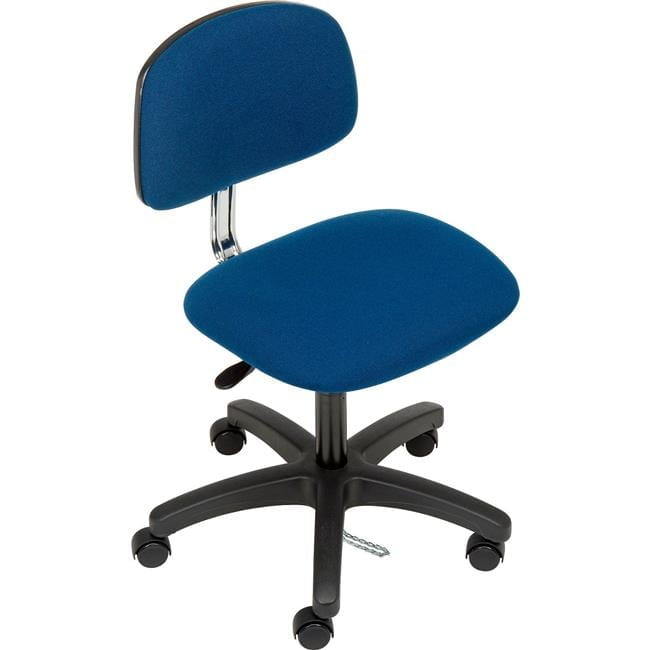
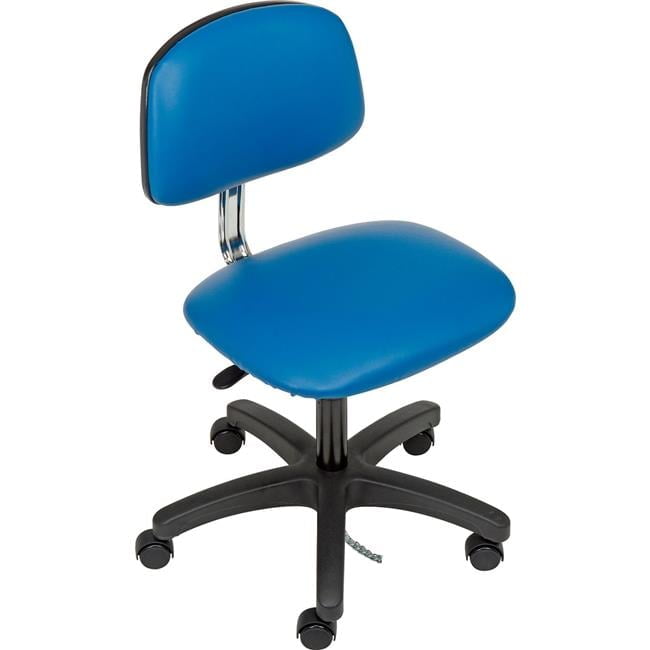
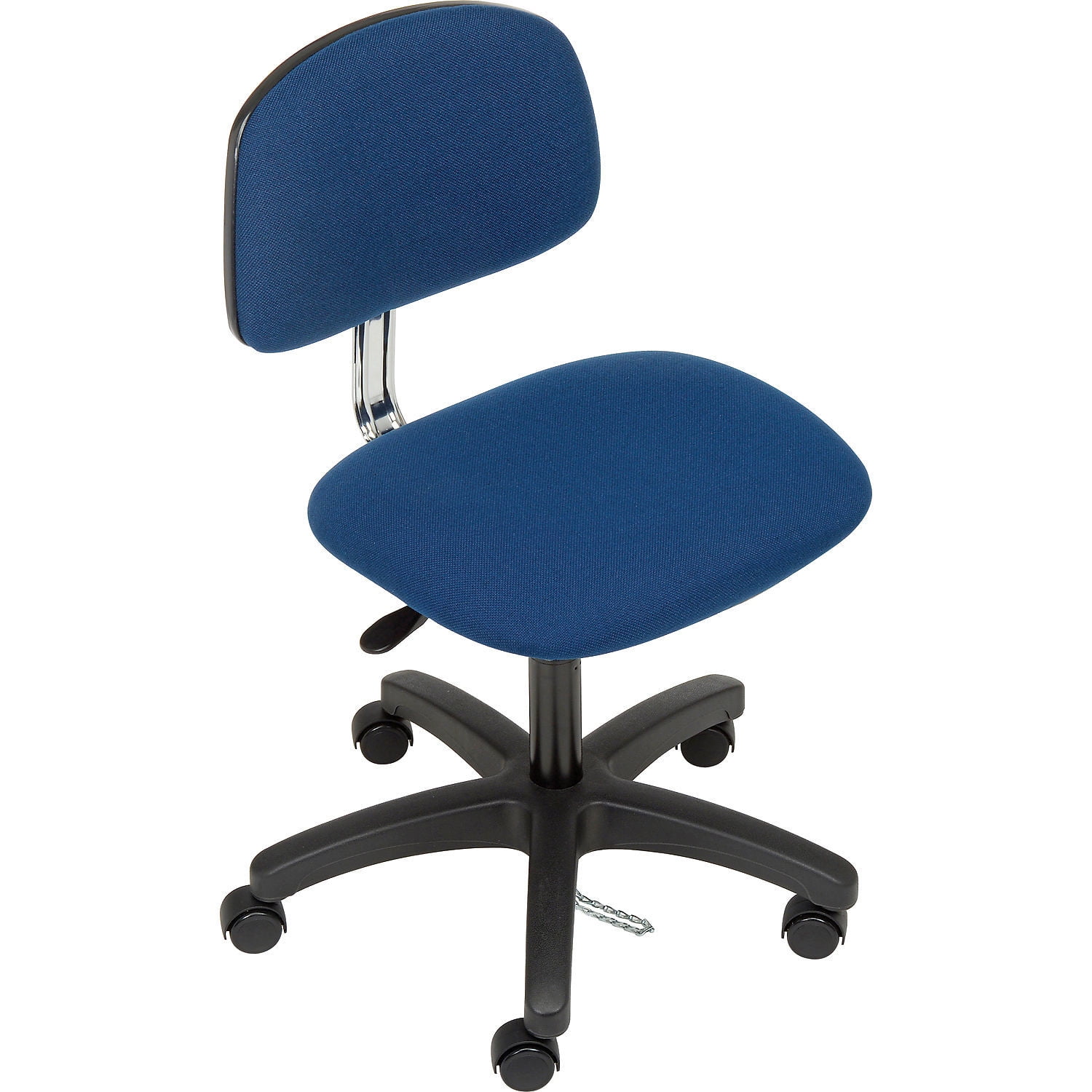
- Static-Dissipative Casters: Special conductive compounds in wheel materials allow charges to flow from the chair to the grounded floor surface.
- Conductive Upholstery: Fabric or vinyl infused with carbon fibers or metallic threads creates a continuous path from the user's body to the chair's grounding system.
- Metal Base Construction: Unlike plastic bases that insulate, ESD chairs feature metal bases (aluminum or steel) that facilitate electrical continuity.
- Grounding Chain or Drag Chain: A metal chain or contact pin that maintains constant contact with the floor, ensuring a reliable ground path.
- Seat Resistance Rating: Certified chairs specify surface resistance (typically 10^6 to 10^9 ohms) to ensure safe, controlled dissipation.
ESD Chair Selection Guide: Matching Your Work Environment
Selecting the correct ESD safe chair requires understanding your specific static sensitivity requirements and work environment. Use this structured approach to find your ideal match:
| Environment Type | ESD Protection Level | Recommended Chair Features | Typical Industries |
|---|---|---|---|
| Electronics Assembly | High (ESD Protected Area) | Conductive casters, static-dissipative fabric, grounding chain, adjustable armrests | PCB assembly, consumer electronics, semiconductor |
| Cleanrooms & Labs | Very High | Non-shedding materials, sealed seams, easy-clean vinyl, Class 100 compatible | Medical devices, pharmaceuticals, aerospace |
| Data Centers & IT | Moderate-High | Anti-static mesh, conductive casters, breathable back for long hours | Server maintenance, network operations, telecom |
| R&D & Engineering Labs | High | Ergonomic adjustments, premium lumbar support, durable static-dissipative vinyl | Research facilities, prototyping, quality assurance |
Ergonomics Meets Safety: Comfort for Long Static-Controlled Shifts
While static protection is the priority, modern ESD safe office chairs do not compromise on ergonomics. Engineers and technicians often work extended hours, making comfort and adjustability equally critical. Premium ESD chairs now feature:
Adjustable Lumbar Support
Dynamic support that moves with you, reducing lower back fatigue during detailed bench work.
4D Armrests
Height, width, angle, and depth adjustments ensure optimal posture for soldering or inspection tasks.
Waterfall Seat Edge
Promotes circulation and reduces pressure on thighs during long seated periods.
Multi-Function Recline
Allows micro-movements and leaning without losing static continuity, essential for dynamic work.
Material Science: How ESD Upholstery Works
The secret behind an effective ESD safe office chair lies in its material composition. Unlike conventional fabrics that act as insulators, ESD upholstery is engineered with controlled conductivity:
- Carbon-Infused Vinyl: Widely used in cleanrooms; durable, easy to clean, and provides consistent surface resistance between 10^6 - 10^9 ohms.
- Conductive Mesh: Offers breathability while maintaining static dissipation, ideal for warmer environments or high-activity workstations.
- Static-Dissipative Fabric: Woven with stainless steel or carbon fibers, providing softness with permanent anti-static properties.
- Hard Plastic Shells (EPC): Some ESD chairs utilize conductive polycarbonate shells for extreme cleanroom applications where fabric particles must be minimized.
Certification Note: True ESD safe office chairs comply with ANSI/ESD S20.20 or IEC 61340-5-1 standards. Always verify chair specifications to ensure surface resistance, grounding path, and component testing meet your facility's ESD control plan requirements.