
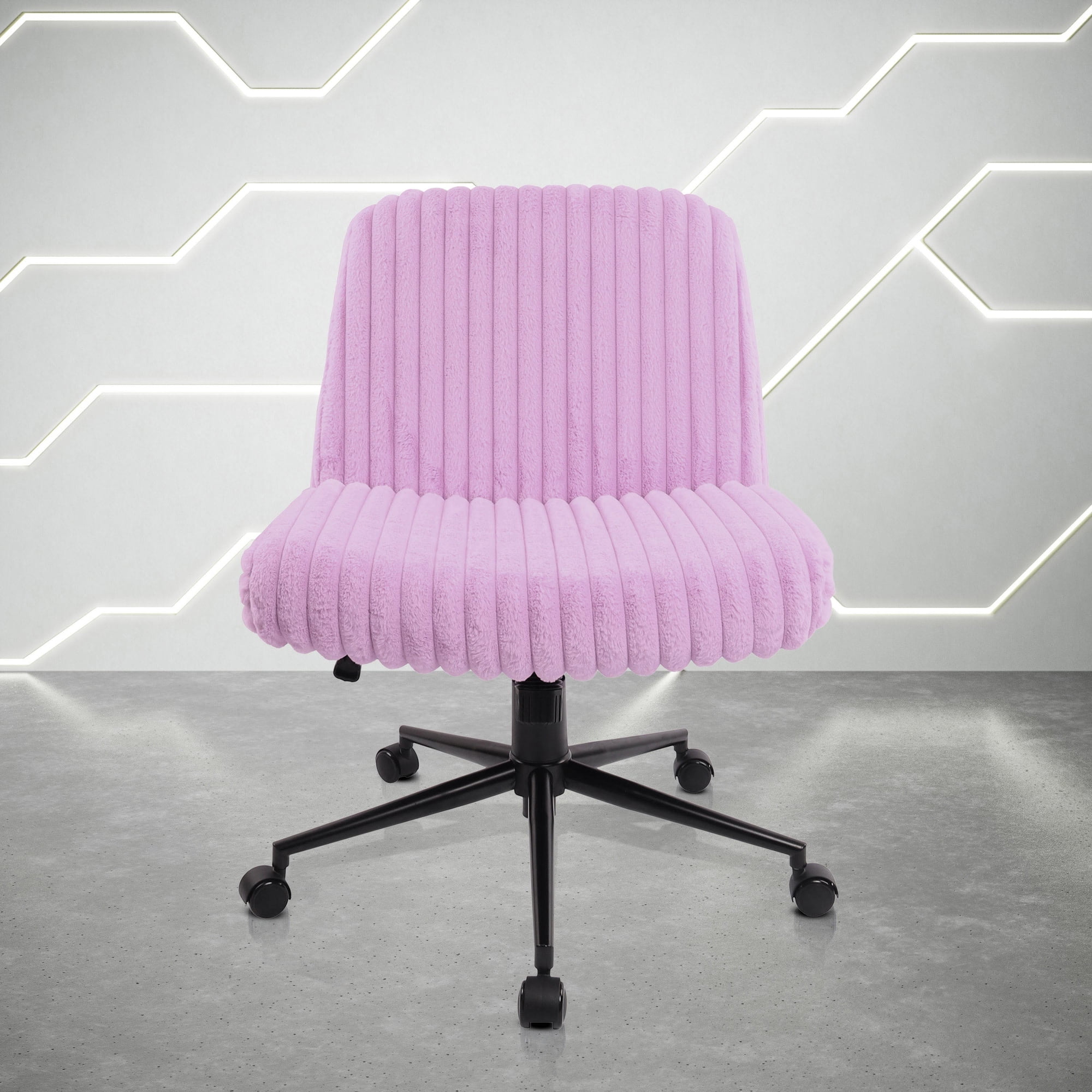
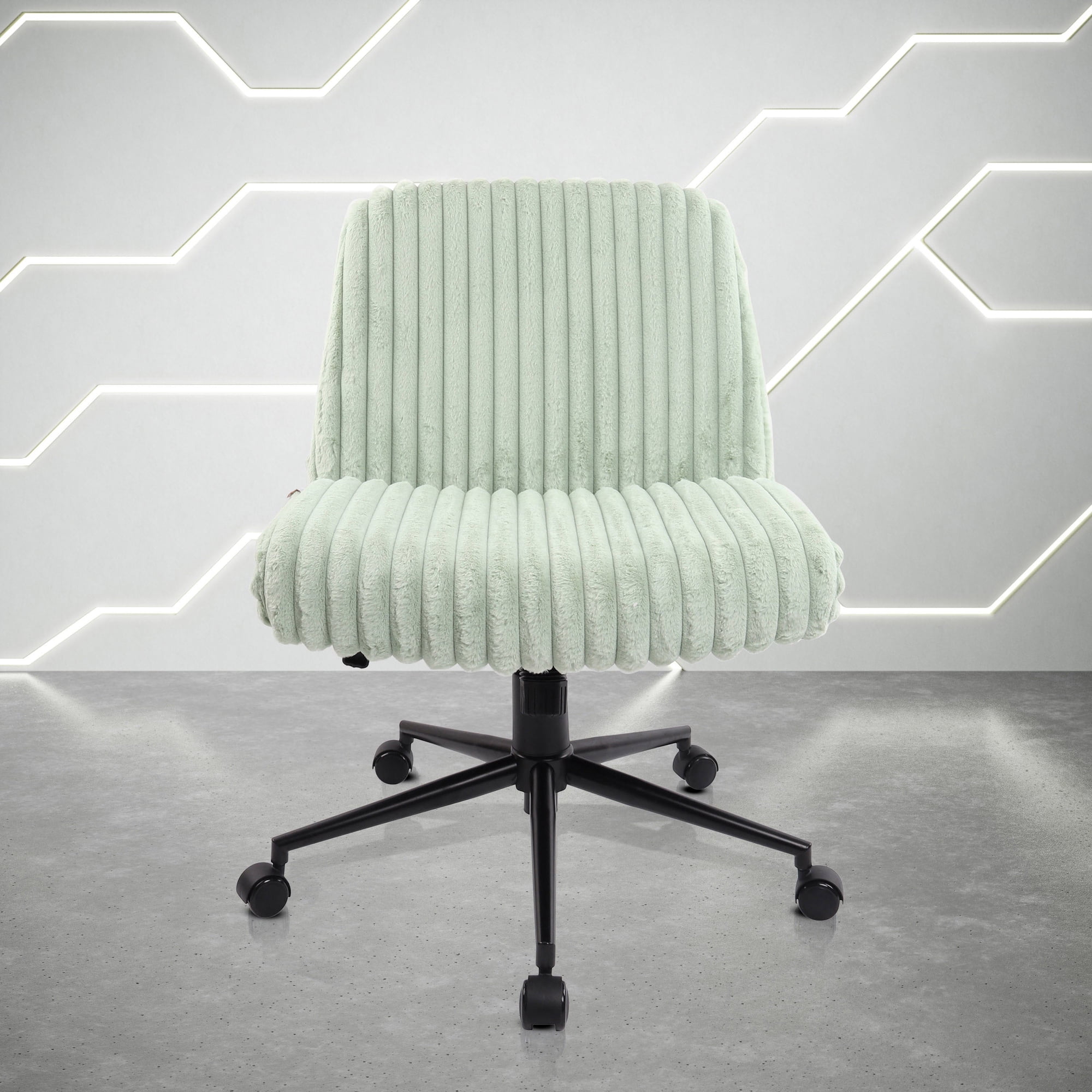
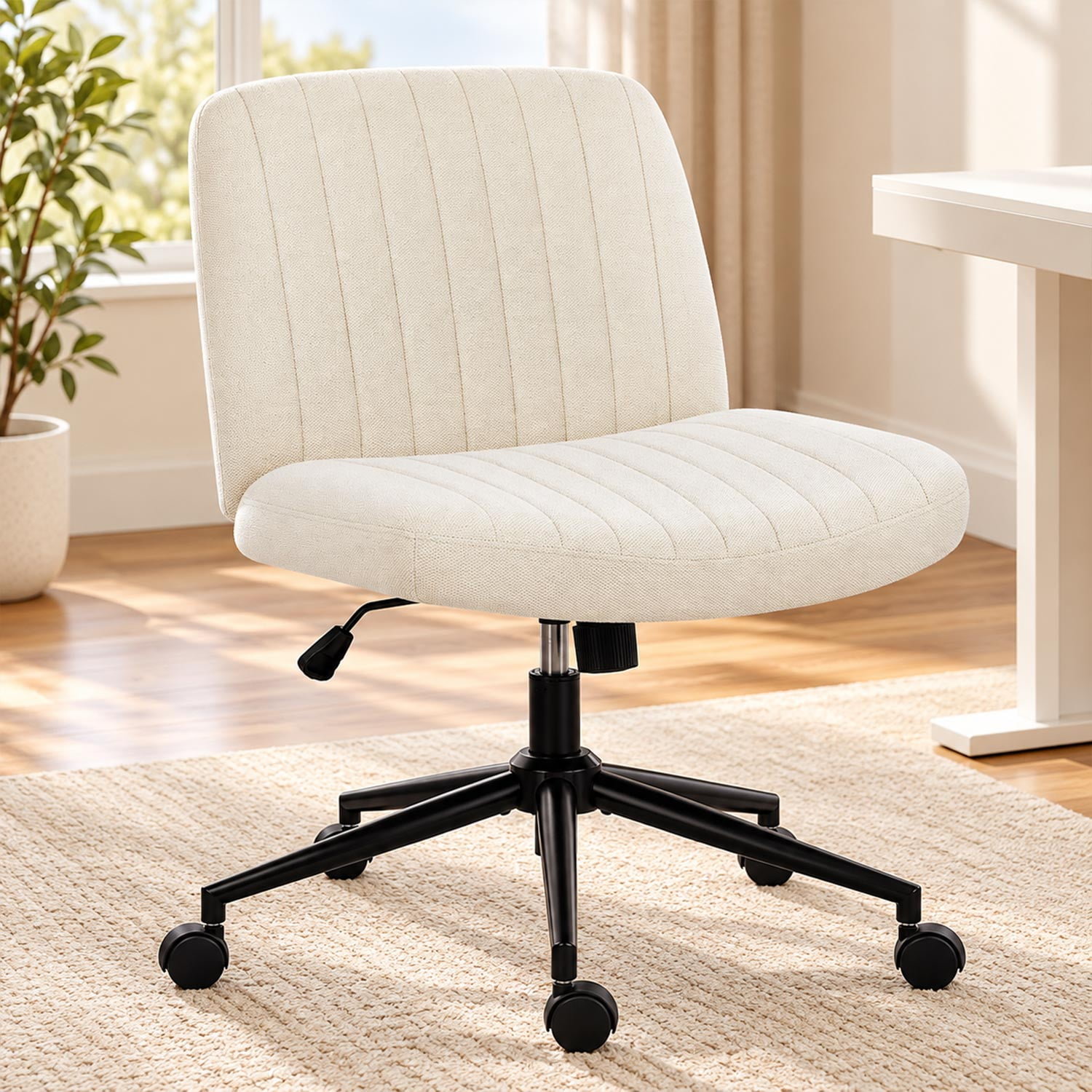
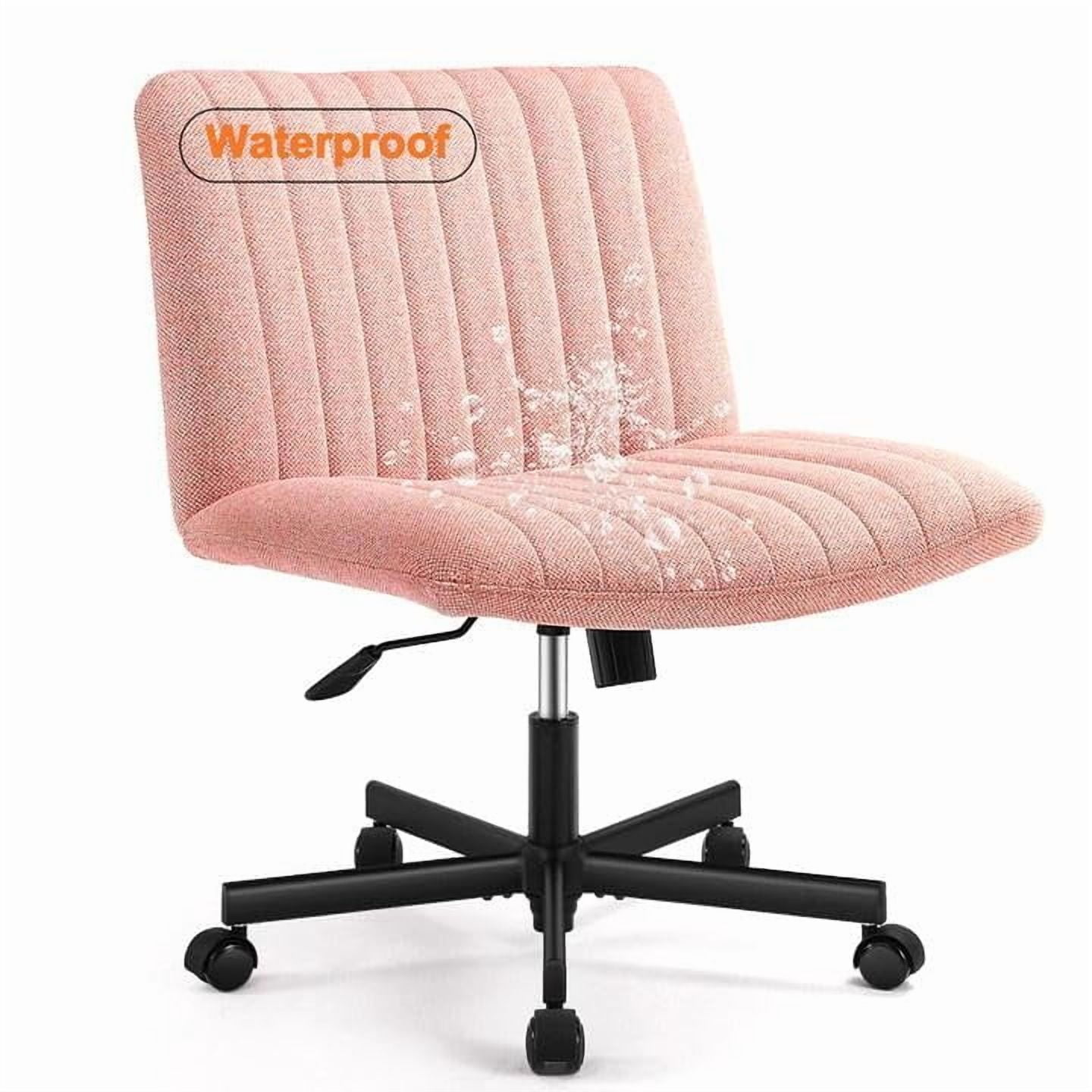
Why Choose an Office Chair You Can Sit Cross Legged In?
Traditional office chairs often lock you into a single upright posture—knees at 90 degrees, feet flat. But humans are natural movers. Sitting cross-legged (or "criss-cross applesauce") is a comfortable, hip-opening position that many people adopt naturally at home. Now, forward-thinking designs bring that freedom to your workspace. A cross-legged office chair features a wider seat pan, softer edges, and armrests that don't get in the way.
Ergonomic insight: According to a 2023 workplace comfort survey, 68% of remote workers admitted they occasionally sit with one or both legs tucked while working. Yet only 12% felt their current chair supported that posture. The demand for flexible seating is real—and growing.
Key Features of Cross-Legged Friendly Chairs
- Wide seat (≥22 inches): Gives your hips and thighs room to turn without pressure.
- Waterfall or soft front edge: Prevents circulation cutoff when you tuck one leg under.
- Flip-up or removable armrests: Removes the barrier so you can swing a leg over easily.
- Breathable, flexible upholstery: Mesh or plush fabric that conforms, not rigid leather that restricts.
- Stable base and generous weight capacity: Because sitting asymmetrically requires a chair that won’t tip.
Who Needs This Type of Chair?
It’s not just about habit. People with hip stiffness, those who practice meditation at their desk, creative thinkers who shift positions often, or simply anyone who finds conventional sitting uncomfortable will appreciate the flexibility. Even ergonomists now acknowledge that postural variability is key to preventing repetitive strain. A chair that adapts to you, not the other way around, is the ultimate ergonomic tool.
Anatomy of a Chair That Welcomes Cross-Legged Sitting
Unlike standard task chairs, these models are engineered with specific dimensions and materials. Let's break down the anatomy.
1. Seat Pan Dimensions & Shape
The seat width is the primary enabler. Look for:
- Width: Minimum 22 inches (ideal 24–26 inches).
- Depth: Shorter depths (17–19 inches) allow you to sit back while legs are folded. Adjustable depth is a plus.
- Contour: Flat or slightly curved—too much bucket shape can feel restrictive.
2. Armrest Design: The Make-or-Break Feature
Fixed arms are the enemy of cross-legged sitting. The best chairs offer:
- Flip-up arms that pivot back completely out of the way.
- Height-adjustable arms that lower to the seat level (rare but exists).
- Width-adjustable arms that move outward.
- Or simply armless chairs—the most straightforward solution.
3. Cushion Density & Edge Comfort
A hard plastic rim will dig into your legs. Choose chairs with:
- High-density foam that extends to the edges (no hard border).
- Waterfall front that curves down gently.
- Breathable fabric cover that doesn't stick.
4. Base Stability & Movement
Sitting cross-legged shifts your center of gravity. A five-star base with a wide footprint (at least 28 inches) prevents tipping. Casters should roll smoothly even when you’re seated asymmetrically.
Quick Comparison: Standard vs. Cross-Legged Friendly Chair
| Feature | Standard Office Chair | Cross-Legged Friendly Chair |
|---|---|---|
| Seat width | 19–20 inches | 22–26 inches |
| Armrests | Fixed or limited adjustment | Flip-up, removable, or width-adjustable |
| Front edge | Often hard plastic | Soft waterfall padding |
| Backrest height | Mid/high | High-back or mid, but with flexibility |
| Intended posture | Single upright | Multiple postures including cross-legged |
Health & Comfort: What Science Says About Sitting Cross-Legged
Contrary to old myths, sitting cross-legged in a well-designed chair isn't harmful. In fact, it may:
- Increase hip mobility: Gently stretches external rotators.
- Reduce lower back load: For some, it provides a slight posterior pelvic tilt that eases strain.
- Promote micro-movements: You’re likely to shift more often than if locked in one position.
The key is variety. Use the cross-legged position for part of the day, then switch to conventional sitting, standing, or leaning. A chair that enables all these options supports your dynamic body.
Real-World Example: The "Yogi" Workspace
Imagine a graphic designer who spends hours sketching. She alternates between sitting upright and tucking one leg under. With a wide, armless mesh chair, she maintains spinal support while her hips stay open. No numbness, no fidgeting—just flow. That’s the goal.
Frequently Asked Questions: Cross-Legged Office Chairs
Conclusion: Your Invitation to Sit Naturally
Choosing an office chair you can sit cross legged in is about reclaiming your body's natural preferences. It’s not a niche request—it’s a movement toward more humane office furniture. Look for wide seats, armless or flip-arm designs, and cushioning that hugs rather than hinders. Your hips and back will thank you for the flexibility.
Remember: the best chair is the one you forget you’re sitting in, because it lets you move, focus, and create without restriction.