
Why Choose an Office Chair With No Arms? (Pendahuluan)
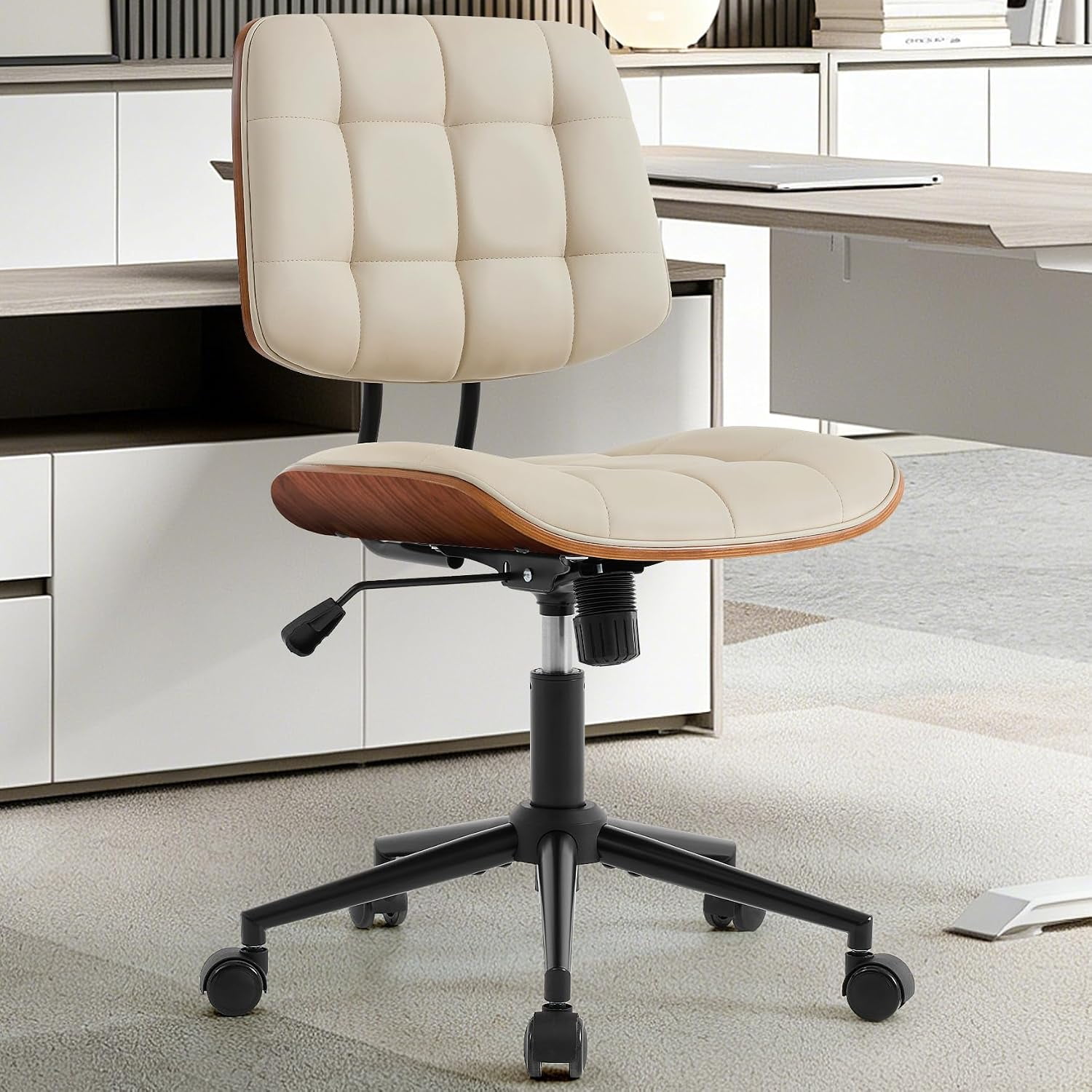
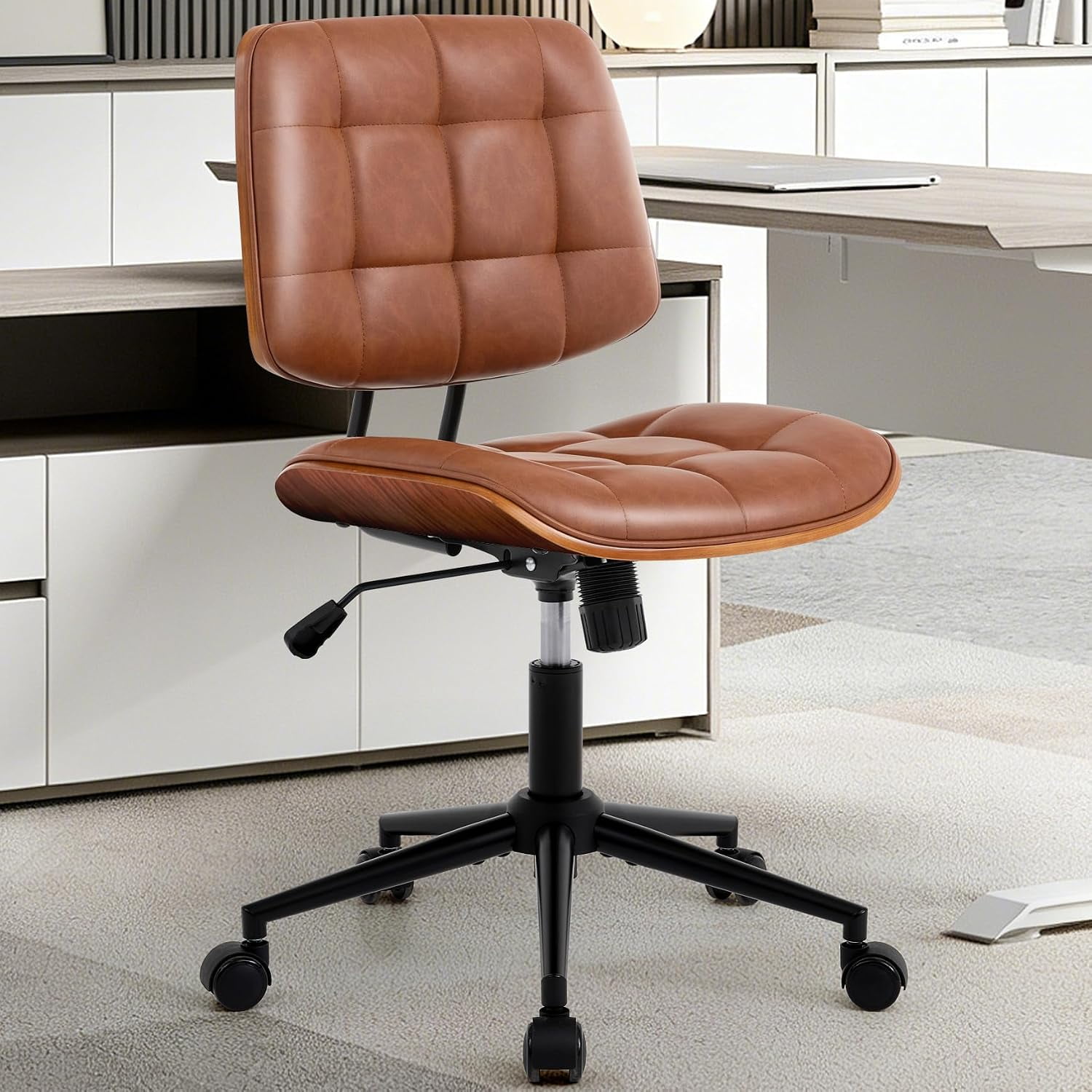
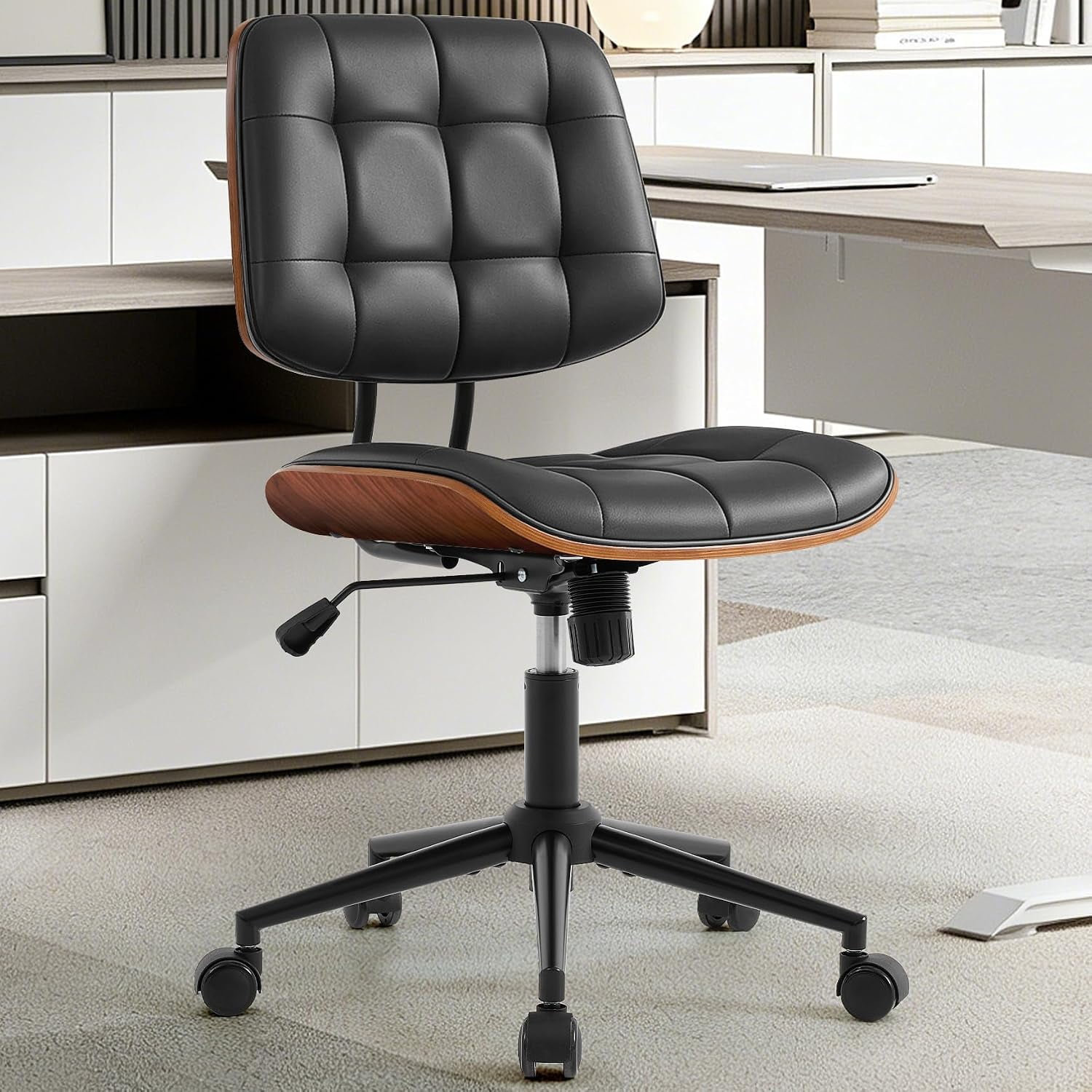
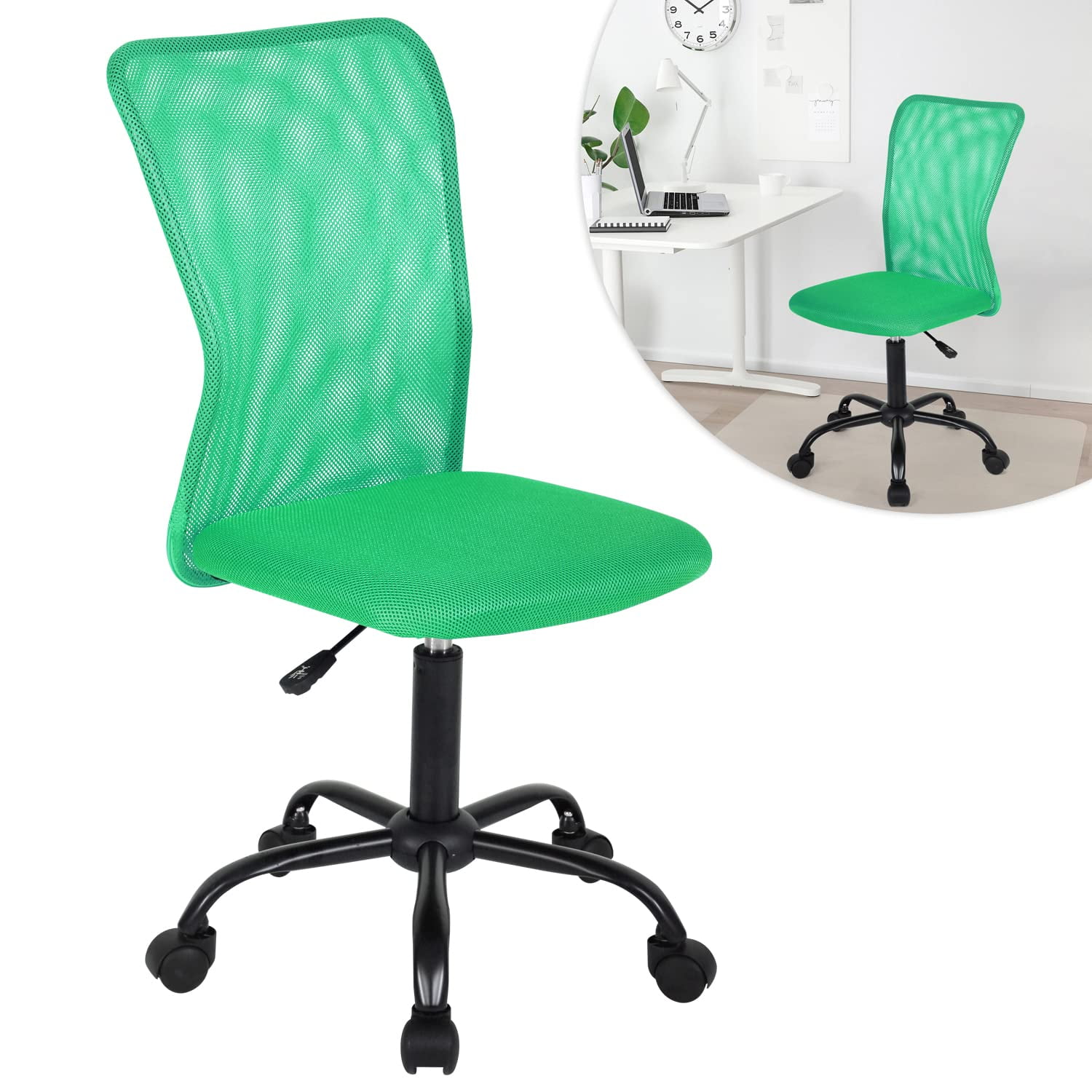
Imagine sliding effortlessly from your keyboard to a filing cabinet without armrests getting in the way. That’s the core benefit of an office chair with no arms. These chairs are not just about saving space — they promote a more natural range of motion, fit into tighter work areas, and often cost less than their armed counterparts. According to a 2023 workplace survey, 34% of home offices use armless chairs to maximize limited square footage.
Ergonomics Insight: For tasks that require wide shoulder movements (like guitar playing, painting, or reaching multiple monitors), armless chairs reduce restrictions and help prevent shoulder stiffness.
Complete Guide to Armless Office Chairs
1. Key Benefits of Armless Seating
- Space efficiency: Armless chairs are typically 18–20 inches wide vs. 24–27 inches for standard chairs — ideal for narrow desks or small apartments.
- Unrestricted movement: You can swivel, reach, and shift without bumping your elbows. Great for multi-tasking or dynamic work.
- Easy tucking under desk: Without arms, you can push the chair completely under the work surface, clearing floor space when not in use.
- Cost-effective: Fewer materials and simpler mechanism often mean lower price tags without sacrificing ergonomics.
- Universal fit: One size fits more body types because there are no armrests that might be too wide or narrow.
2. Who Needs an Armless Office Chair? (use cases)
3. Ergonomic Features to Look For (even without arms)
Just because a chair lacks armrests doesn’t mean it should lack support. Prioritize these features:
- Adjustable lumbar support: Essential for lower back health. Some armless models have built-in lumbar curves or inflatable bladders.
- Seat depth adjustment: Ensures proper thigh support for taller/shorter users.
- Waterfall seat edge: Reduces pressure behind knees and improves circulation.
- Tilt mechanism with tension control: Allows gentle recline to vary posture throughout the day.
- Breathable material: Mesh backs prevent heat buildup; fabric or leather seats offer comfort choices.
4. Armless vs. Armed: Quick Comparison
| Factor | Chair With Arms | Armless Chair |
|---|---|---|
| Overall width | 26-28 inches | 19-22 inches |
| Arm support | Yes – reduces shoulder fatigue | No – relies on desk surface or self-support |
| Mobility/side slides | Restricted by arms | Full freedom |
| Typical price range | $150 – $800 | $80 – $500 |
5. Material & Durability Considerations
Mesh armless chairs
- Breathable, modern look, easy to clean. Ideal for warm climates.
Fabric armless chairs
- Soft, cozy, but may stain. Look for stain-resistant treatment.
Leather / PU armless chairs
- Upscale appearance, easy wipe-clean. Can get sticky in summer.
Plastic / polypropylene
- Often used in stackable guest chairs; lightweight but less cushioning.
6. Space-Saving Dimensions (data/statistics)
A typical armless task chair measures 19"W x 23"D, whereas a standard executive chair is 27"W. That’s nearly a 30% reduction in width. If your desk alcove is less than 24 inches wide, an armless chair is likely your only comfortable option.
7. Step-by-Step Selection Guide
8. Maintenance & Longevity
Armless chairs generally last 5-10 years. To extend life: tighten bolts every 6 months, vacuum fabric/mesh, and clean casters from hair/debris. If you use it 8+ hours daily, invest in a model with a 5-year warranty.
Frequently Asked Questions: Armless Office Chairs
Conclusion: Is an Armless Office Chair Right for You?
An office chair with no arms is a smart, often underrated choice for compact spaces, creative professionals, and guest areas. By focusing on ergonomic fundamentals — lumbar support, seat depth, and quality materials — you can enjoy freedom of movement without sacrificing comfort. Measure your space, consider how you work, and choose a chair that lets you move naturally. Whether you need a sleek mesh task chair or a padded fabric guest seat, the armless category offers surprising variety and value.