
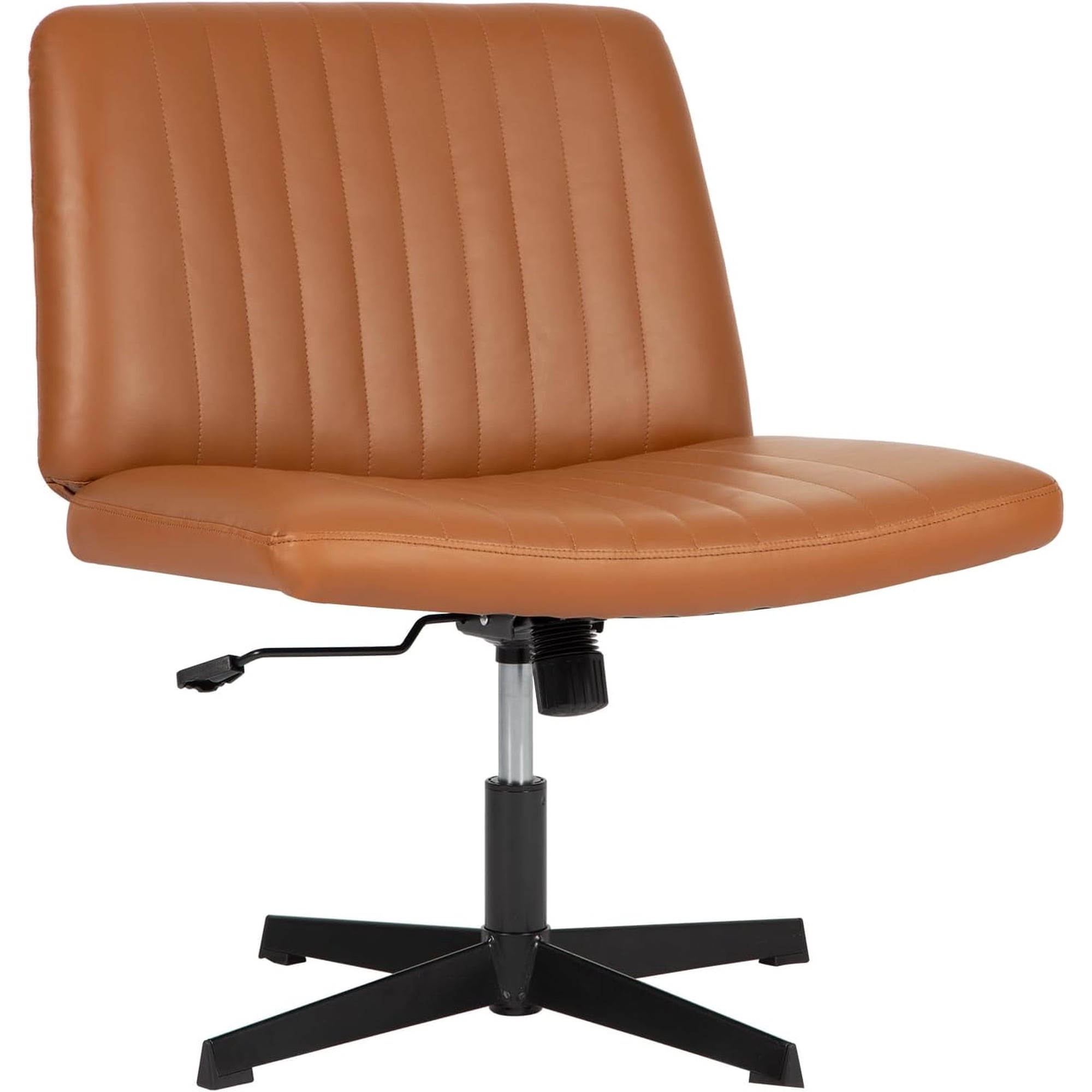
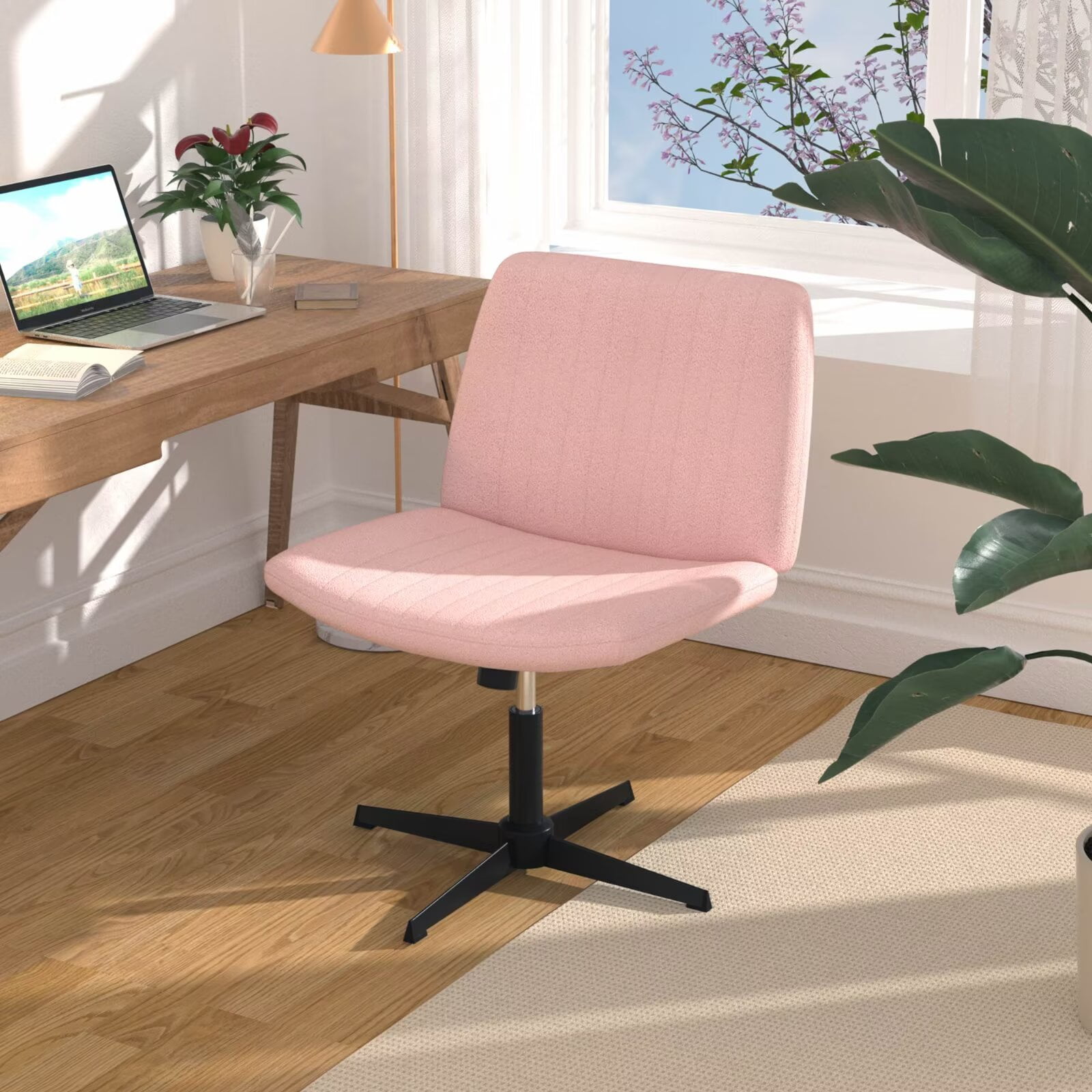
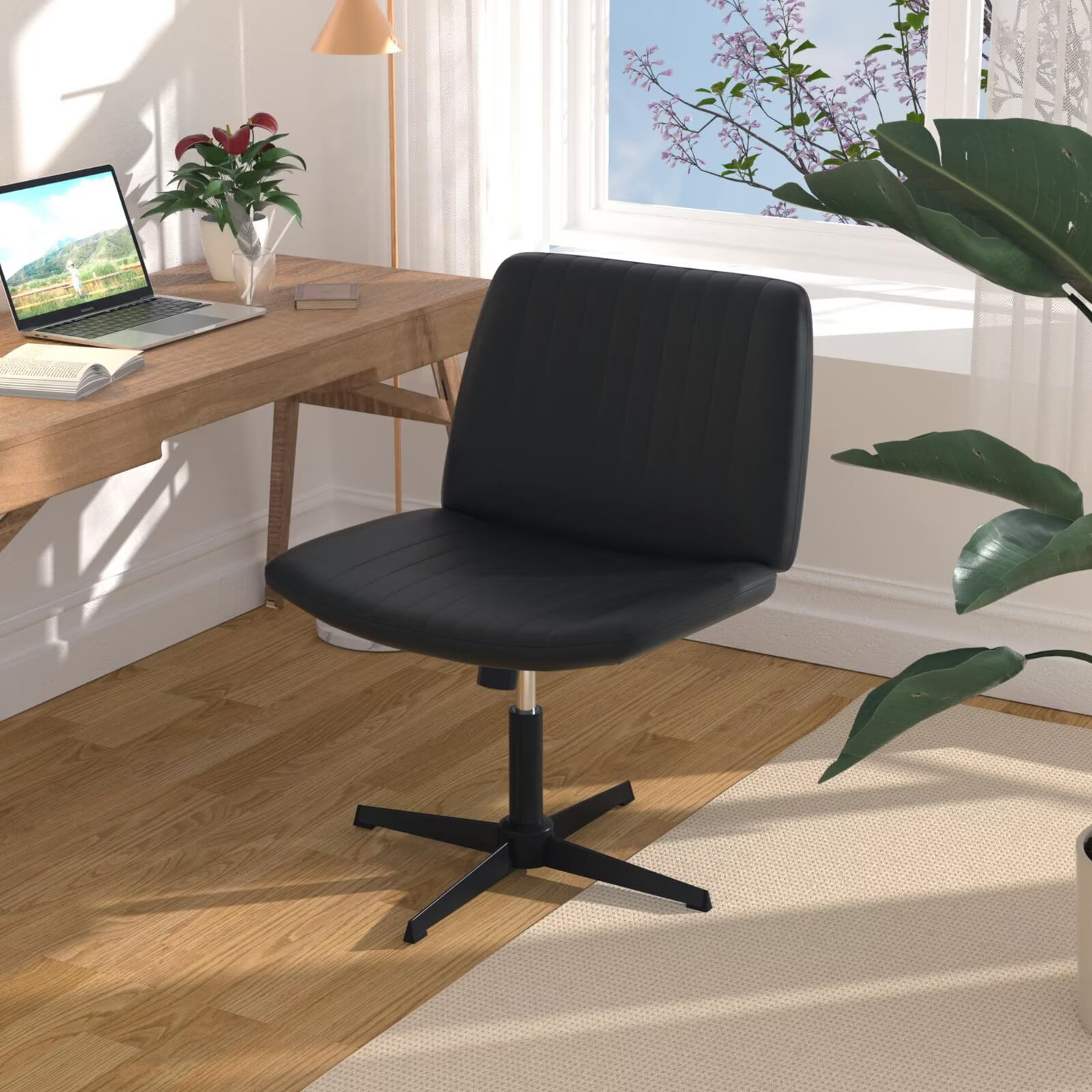
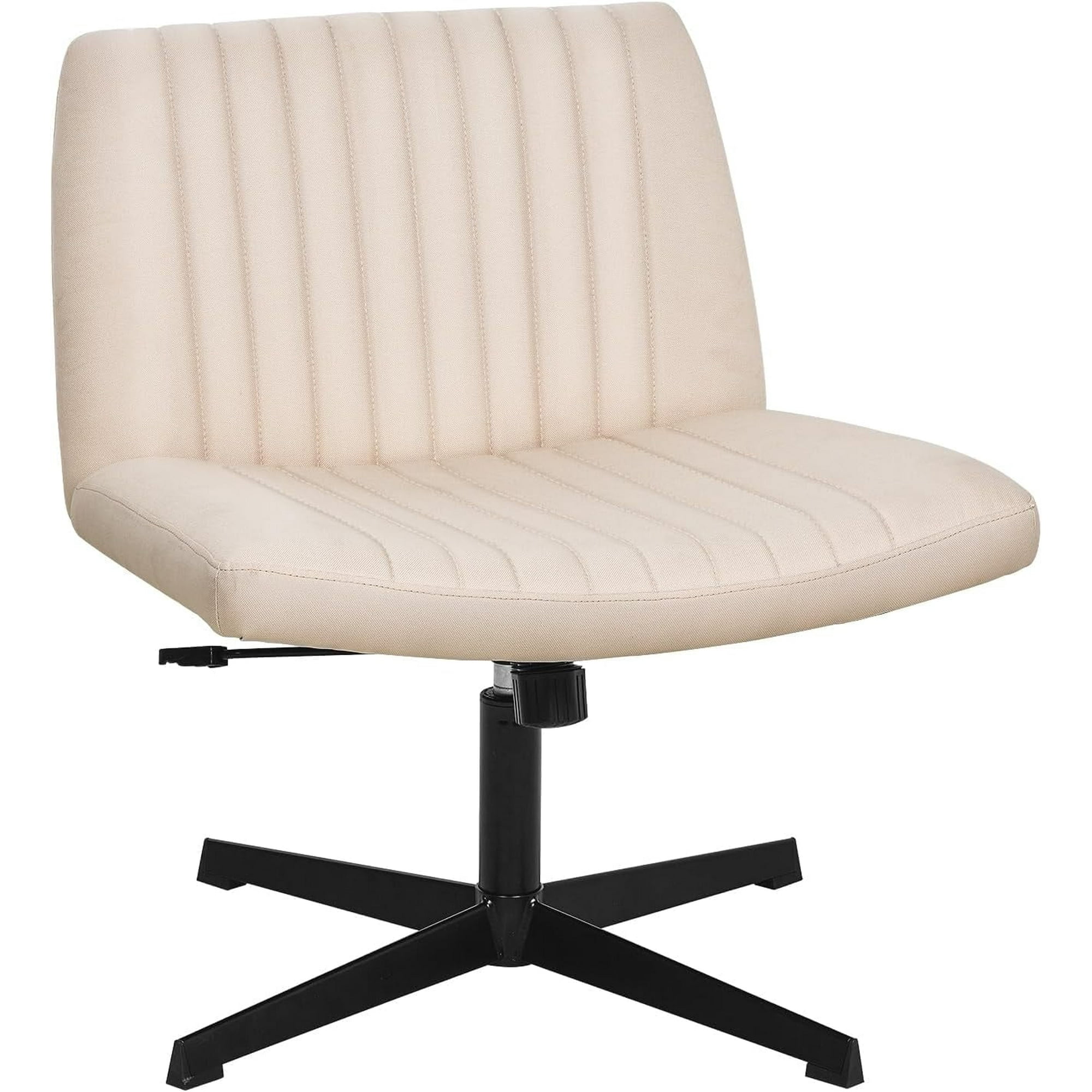
Finding Your Perfect Fit: Why a Wide Office Chair Changes Everything
Imagine settling into your workday, but instead of squeezing into a standard seat, you have room to breathe. For many people, a regular office chair feels restrictive—narrow seats pinch, armrests dig in, and the frame creaks under pressure. A wide office chair is the answer. It’s not just about size; it’s about creating a workspace where your body feels at ease, allowing you to focus entirely on your tasks. Whether you're a taller individual, someone who prefers sitting cross-legged, or simply value extra space, these chairs are engineered to provide stability and freedom.
According to a 2023 survey by the Ergonomics Health Association, 68% of workers using standard-width chairs reported discomfort in their hips or thighs after prolonged sitting. Upgrading to a chair with a broader seat can alleviate that pressure, improve circulation, and reduce fidgeting. Think of a wide office chair like a first-class seat on an airplane: the same destination, but the journey is infinitely more comfortable.
The Anatomy of a Wide Office Chair: Key Components That Matter
Not all wide chairs are created equal. A true "wide office chair" integrates specific design elements to support larger body types without compromising ergonomics. Let's break down the crucial parts:
1. Seat Dimensions & Contour
The seat pan width is the most obvious feature. Look for:
- Seat width: Minimum 22 inches (ideal: 24"-28").
- Seat depth: Adjustable depth (usually 18"-22") ensures thigh support without pressure behind the knees.
- Waterfall edge: A curved front edge promotes healthy blood flow to legs.
A good analogy: a wide seat is like a king-size bed—you have options to shift and find your perfect position. Without it, you're confined to one spot, leading to stiffness.
2. Frame Construction & Weight Capacity
Standard chairs often use thinner metal or plastic. Wide chairs require robust underpinnings.
- Reinforced steel frame: Look for chairs explicitly mentioning heavy-duty or commercial-grade frames.
- Weight capacity: 400 lbs is a solid benchmark; 500+ lbs offers maximum durability.
- Base: A heavy-duty nylon or aluminum five-star base prevents tipping.
📊 Data Point: Chairs rated for 400 lbs undergo rigorous ANSI/BIFMA testing, simulating over 200,000 cycles of use. This means they are built to last 10+ years in a typical office environment.
3. Cushioning Density & Material
Thicker foam isn't always better—density is key. High-density foam (2.5 lbs per cubic foot or higher) resists sagging. Common materials:
- High-density foam + memory foam topper: Combines support with plush comfort.
- Cooling gel infusion: Prevents heat buildup, especially important for larger chairs.
- Material options: Breathable mesh (good for airflow), durable fabric (soft and warm), or leather (easy to clean, classic look).
4. Armrest Adjustability & Width
Armrests on wide chairs must be wider-set. Look for "4D" or "adjustable" arms that move:
- Up/down: to match desk height.
- Left/right (width adjustment): crucial for accommodating broader shoulders or allowing arms to rest naturally.
- Forward/backward: for different sitting postures.
- Pivot/swivel: to angle inwards or outwards.
Without width adjustment, you might still feel cramped even in a wide seat.
5. Backrest Height & Lumbar Support
A high-back design (usually 24 inches or taller) supports the entire spine. Integrated lumbar support that adjusts both in height and depth is essential to fill the natural curve of your lower back, preventing slouching.
Wide vs. Standard Office Chair: Quick Comparison
| Feature | Standard Chair | Wide Office Chair |
|---|---|---|
| Seat Width | 18" - 20" | 22" - 30" |
| Weight Capacity | 250 - 300 lbs | 350 - 700 lbs |
| Frame Material | Standard steel/plastic | Reinforced steel, heavy-duty components |
| Armrest Width Range | Fixed or narrow (17"-19") | Adjustable wide (20"-24"+) |
| Typical Lifespan | 3-5 years | 7-12 years |
This table illustrates that wide chairs are often an investment in longevity and health, not just a quick fix for more space.
Health Benefits: More Than Just Room to Spare
When you have space, you unconsciously shift positions throughout the day—this micro-movement is vital for spinal disc health. A wide chair gives you that freedom safely, within an ergonomic framework.
Step-by-Step Selection Guide for Your Wide Office Chair
Step 1: Measure Your Space & Body
- Hip width: Measure while seated; add 2-4 inches for comfort margin.
- Desk opening: Measure from floor to desk underside; ensure chair arms can fit under (usually 27"-29" clearance).
- Room dimensions: Wide chairs need deeper floor space; ensure you can recline without hitting walls.
Step 2: Match Usage with Features
Step 3: Set a Realistic Budget
Entry
Mid-Range
Premium
Luxury
Step 4: Test Key Movements
If possible, sit in the chair for 15 minutes. Pay attention to:
- Does the seat edge press into your thighs?
- Can you easily reach the floor with feet flat (seat height range)?
- Do armrests support your forearms without spreading elbows too wide?
- Does the backrest support your entire spine, especially the lumbar curve?
Frequently Asked Questions About Wide Office Chairs
Conclusion: Invest in the Space You Deserve
Choosing a wide office chair is a proactive step toward long-term comfort and productivity. It's not merely about accommodating size—it's about embracing freedom of movement and robust support that standard chairs simply can't provide. Whether you're managing a team, crunching numbers, or creating designs, your chair should be a foundation of strength and ease.
Final recommendation: Prioritize adjustability (especially arm width and lumbar), verify weight capacity for your needs, and select materials that suit your climate and style. A quality wide office chair is a partnership with your body—one that pays dividends in focus and well-being every single workday.