
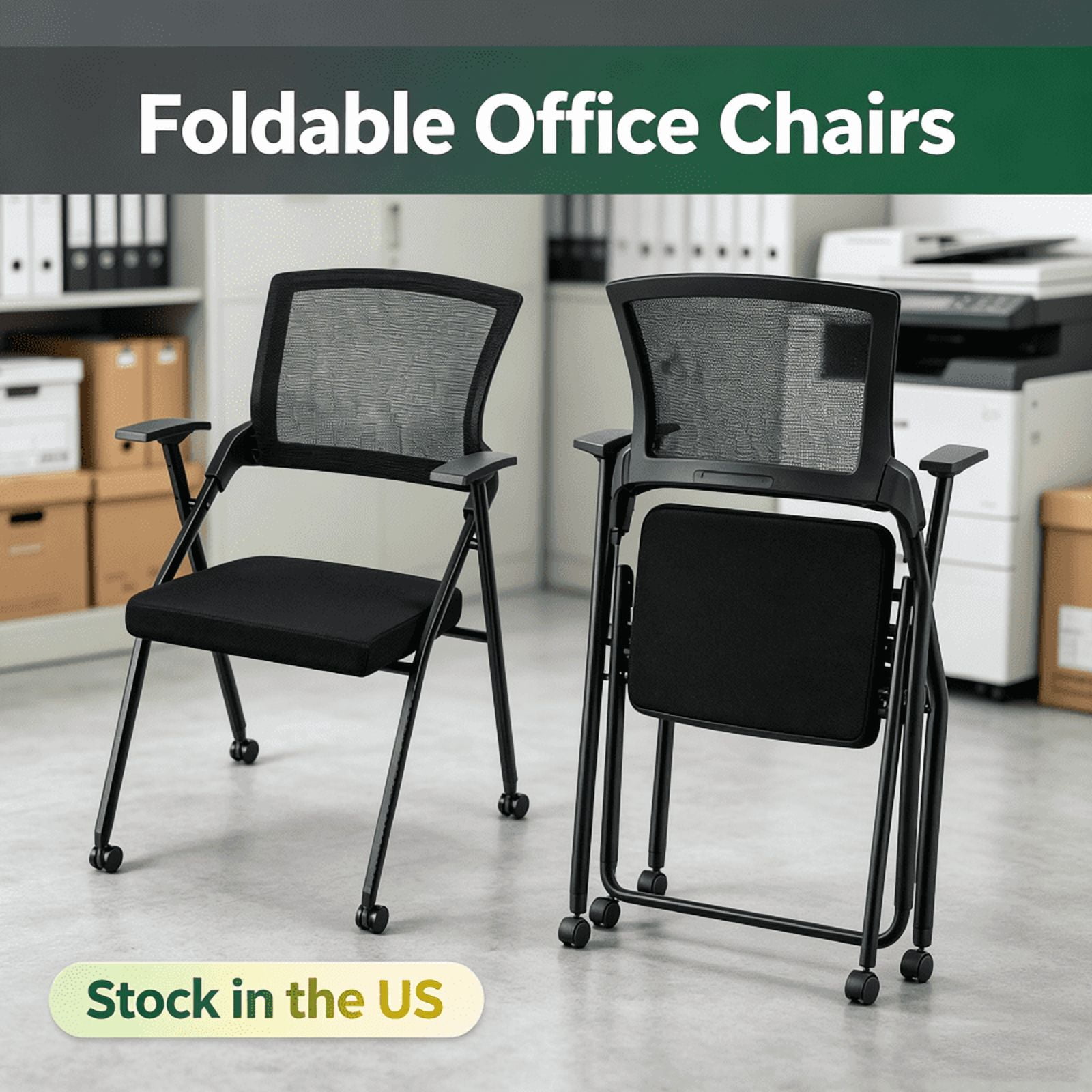
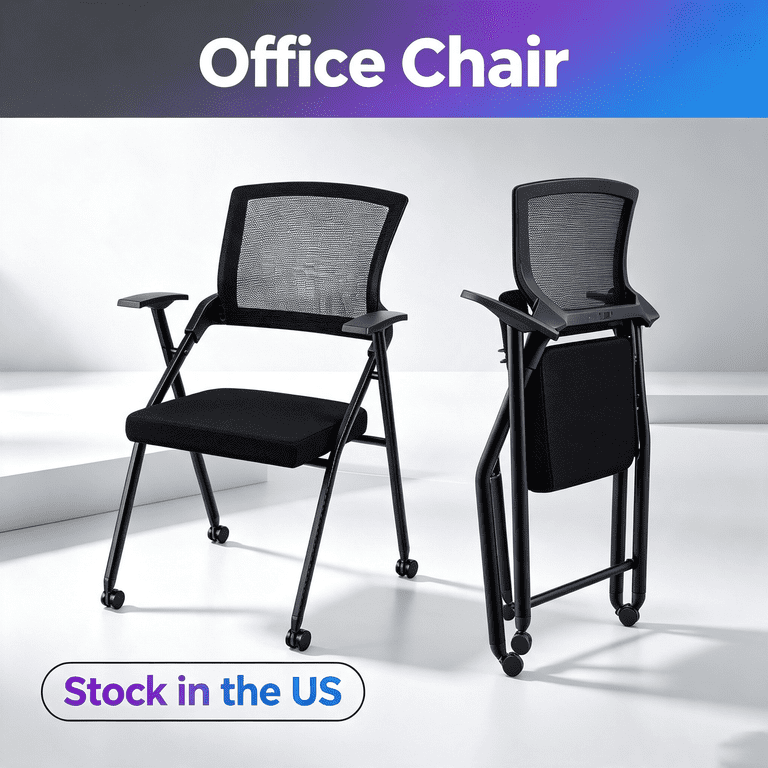
Why a Folding Office Chair Could Be Your Smartest Purchase
Imagine a chair that’s there when you need it, and invisible when you don’t. That’s the magic of a well-designed folding office chair. In today’s flexible work environment—where home offices double as guest rooms, and city apartments measure every square foot—the ability to fold and store your chair is a game-changer. But don’t mistake foldable for flimsy. Modern engineering has transformed folding chairs from metal skeletons with thin vinyl into comfortable, ergonomic seats that rival stationary chairs. This guide walks you through everything: from materials and portability to choosing the right folding chair for your body and workflow.
Quick Stat: According to interior design surveys, 68% of home workers cite "lack of space" as a reason for not having a dedicated office. A folding chair solves this instantly, reclaiming up to 10 sq ft of floor area when not in use.
Anatomy of a Great Folding Office Chair: What to Look For
Unlike a standard executive chair, a folding chair must excel in two opposing areas: compact storage and sitting comfort. Here’s a breakdown of critical components, explained like parts of a Swiss Army knife—each feature serves a dual purpose.
1. The Skeleton: Frame and Folding Mechanism
The frame is the backbone. Most quality folding chairs use powder-coated steel or reinforced aluminum. Steel offers durability (often supporting up to 400 lbs), while aluminum is lighter for frequent movers. The folding hinges should be solid, with a locking system that prevents accidental collapse. Look for terms like "positive lock" or "double-lock hinges."
- Steel frame: Maximum stability, ideal for daily use or heavier individuals.
- Aluminum frame: Lightweight (often under 15 lbs), easy to carry room to room.
- Cross-braced design: Prevents wobble; test by gently shaking the chair when open.
- Folded thickness: Aim for under 8 inches for slim storage behind a door or in a closet.
2. The "Cloud" Factor: Seat and Back Comfort
Old folding chairs felt like sitting on a park bench. Today’s versions incorporate high-density foam, sometimes memory foam, with thickness ranging from 2 to 4 inches. A waterfall front edge (where the seat curves down) prevents leg numbness—a feature borrowed from ergonomic task chairs. For the backrest, consider these profiles:
- Mid-back: Supports the lumbar and lower back; good for general office tasks.
- High-back: Includes head/neck support—great for lounging or long meetings.
- Mesh back: Breathable, prevents sweat during extended sitting.
- Padded fabric/leatherette: Plusher feel, but may retain heat.
3. Portability Features: More Than Just Folding
True portability involves thoughtful extras: built-in carrying handles (cut-outs in the backrest or frame), locking casters (so the chair doesn’t roll away when you stand), or even shoulder straps on premium models. Some folding chairs now include a small storage pouch on the back—ideal for a tablet or magazine when used as a guest chair.
4. Stability & Floor Protection
A chair that tips easily is useless. Look for wide-set legs (the base should be at least 22 inches wide). Floor glides or casters must suit your flooring: felt glides for hardwood, locking casters for carpets, or rubber feet for tile. Some folding chairs offer height-adjustable glides to level uneven floors—a rare but valuable feature.
Folding Chair Material Comparison at a Glance
| Material Type | Best For | Avg. Weight | Fold Thickness | Price Range |
|---|---|---|---|---|
| Steel + padded fabric | Daily home office, durability | 18-22 lbs | 6-9 inches | $60-$150 |
| Aluminum + mesh | Portability, hot climates | 10-15 lbs | 4-7 inches | $80-$200 |
| Heavy-duty steel (400+ lb) | Bariatric, commercial use | 25-35 lbs | 8-12 inches | $150-$300 |
| Wood frame + upholstery | Aesthetic, guest seating | 20-28 lbs | 5-8 inches | $120-$250 |
5-Step Selection Guide for Your Folding Office Chair
Follow this numbered checklist to avoid a purchase you’ll regret:
- Measure your storage spot: Height, width, and depth of the folded chair. Don’t forget to account for the chair’s folded thickness.
- Define primary usage: Occasional guest (2 hrs/week) or daily worker (6 hrs/day)? Daily use demands thicker padding and better lumbar support.
- Check weight capacity: Always choose a chair rated at least 50 lbs above your weight for a safety margin.
- Test the unfolding/locking: If possible in-store, open and close it several times. The mechanism should feel smooth, not gritty, and lock firmly.
- Consider casters vs. glides: Do you need to roll? If yes, ensure wheels are suitable for your floor (soft casters for hardwood).
Think of a folding office chair like a good travel suitcase: it needs to be sturdy when packed, compact when stored, and comfortable to carry. The best ones have reinforced corners (like the steel hinges) and smooth-rolling wheels (like chair casters) that don’t snag on carpets. Just as you wouldn’t buy a suitcase that falls apart after one trip, don’t settle for a folding chair that wobbles after a month.
Health Considerations: Can You Sit Comfortably for Hours?
The short answer: yes, if you choose wisely. While a folding chair won’t have 10-point adjustments like a $1,200 ergonomic throne, many now include lumbar support pillows or curved backrests that mimic the spine’s natural S-shape. For those with existing back pain, we recommend models with a breathable mesh back and a separate lumbar cushion. A study from the Office Ergonomics Research Committee noted that participants using padded folding chairs with lumbar support reported 30% less lower back fatigue compared to standard straight-back folding chairs.
✅ Pros of Folding Chairs
- Space-saving (store vertically or flat)
- Portable for camping/outdoor use
- Often more affordable
- Easy to clean (less nooks & crannies)
- Great for guest overflow
⚠️ Cons to Consider
- Fewer ergonomic adjustments
- May feel less "solid" than fixed chairs
- Cushion can thin out over time
- Limited armrest options
- Folding mechanism can pinch fingers
Frequently Asked Questions About Folding Office Chairs
Conclusion: Fold Smart, Sit Comfortably
A folding office chair is no longer a compromise—it's a strategic choice for modern, flexible living. By focusing on frame strength, cushion density, and the right folding width, you can find a chair that supports your work and then disappears when the workday ends. Whether you need a heavy-duty folding chair for daily use, a lightweight portable chair for travel, or a stackable set for guests, the market has evolved to meet your needs without skimping on comfort. Use this guide to cut through the noise and select a folding chair that feels like a permanent seat—even if it only stays unfolded as long as you need it.